High Quality
Insert Molded Parts
FSD Precision provides consistent insert molded components through controlled insert positioning, molding process review and dimensional inspection support.
Insert Molding Services
FSD Precision provides insert molding solutions combining metal inserts and engineered plastics for durable OEM components with engineering review before quotation.

Finished insert molded parts focused on fit, function and assembly reliability.
FSD Precision provides consistent insert molded components through controlled insert positioning, molding process review and dimensional inspection support.
Support from prototype validation, tooling development and production transfer for insert molded OEM components.
Review insert materials, positioning requirements, mold design and manufacturability before tooling and production.
Insert molding places pre-formed metal inserts inside a mold cavity and injects engineered plastic around them to create one integrated component. OEM buyers use insert molding when a part needs threaded metal features, electrical interfaces, structural strength or assembly-ready functionality without separate fastening steps. FSD Precision reviews insert geometry, plastic material, tolerance requirements, mold positioning and inspection needs before quotation so the metal insert and plastic injection process are evaluated as one manufacturing solution.
Insert molding is selected when metal strength, threaded features or electrical interfaces must be integrated directly into molded plastic components.
Combine parts during molding to reduce secondary assembly cost.
Metal inserts improve load-bearing, thread strength and functional reliability.
Control insert position and molding conditions for stable part performance.
Reduce manual assembly steps by molding inserts directly into the part.
From Design Validation to Mass Production
Validate your insert molding design with prototype tooling before full production. FSD supports mold design review, sample validation and low-volume production to reduce development risks.
Prototype tooling helps OEM teams verify fit, function and manufacturability before investing in production molds.
FSD provides production tooling solutions for repeat manufacturing of insert molded components, supporting durable molds, stable production and consistent part quality.
Production tooling is designed for long-term manufacturing requirements with optimized cycle time and process reliability.
Insert molding tooling requires controlled insert positioning, plastic flow review, parting line planning, mold trial support and production validation before scaling.
Review insert and molded feature requirements.
Check geometry, draft, wall thickness and tooling risks.
Support early validation where suitable.
Prepare tooling routes for repeat production.
Review trial results and process stability.
Support inspection and production readiness.
Material selection is reviewed by insert material, plastic resin, tolerance requirements, thermal behavior and molding compatibility. Related support includes Injection Molding, Insert Molding, Injection Mold Tooling, Materials Guide and Design Guidelines.
ABS is a balanced plastic for insert molded housings, covers and functional OEM parts where toughness and appearance are important.
Insert retention, wall thickness and shrinkage should be reviewed around metal features.
PC supports strong, dimensionally stable insert molded parts requiring toughness and heat resistance.
Processing temperature and insert geometry should be reviewed to reduce stress and warpage.
PA nylon is used for durable mechanical parts requiring wear resistance, strength and long-term functional performance.
Moisture behavior, shrinkage and insert retention should be evaluated before tooling.
POM is selected for low-friction functional components requiring dimensional stability and smooth movement.
Insert shape and retention features should be reviewed because bonding can be limited.
PEEK is used for high-performance insert molding where heat resistance, strength and chemical stability are required.
Tooling, processing temperature and insert material must be reviewed carefully.
Aluminum inserts provide lightweight strength for integrated metal-plastic OEM components.
Surface condition, coating and thermal expansion should be reviewed with the selected plastic.
Stainless steel inserts are used where strength, corrosion resistance and durable threaded features are required.
Insert retention, surface preparation and mold positioning are important for stable production.
Brass inserts are widely used for threaded, electrical or mechanically retained features in molded plastic parts.
Knurling, undercuts and insert tolerance support mechanical retention and molding stability.
Copper inserts support electrical and thermal functions where conductive metal features must be integrated with molded plastic.
Oxidation, surface finish and retention geometry should be reviewed before mold design.
Technical capability range for metal insert molding, plastic insert molding, prototype tooling and production molding projects.
Engineering Capability Overview
Appearance, marking and finish requirements can be reviewed together with resin selection, insert geometry and tooling decisions.
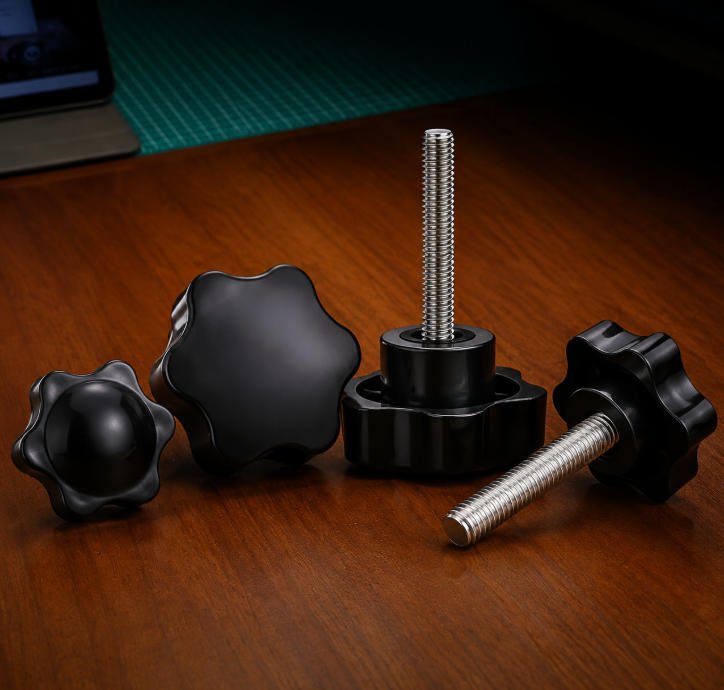
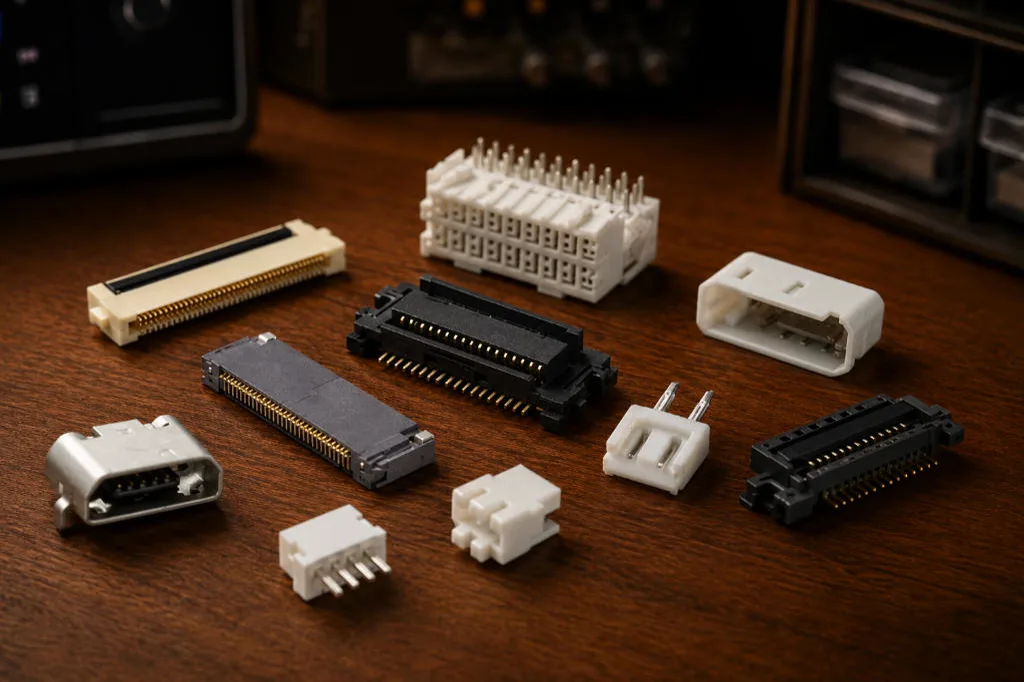
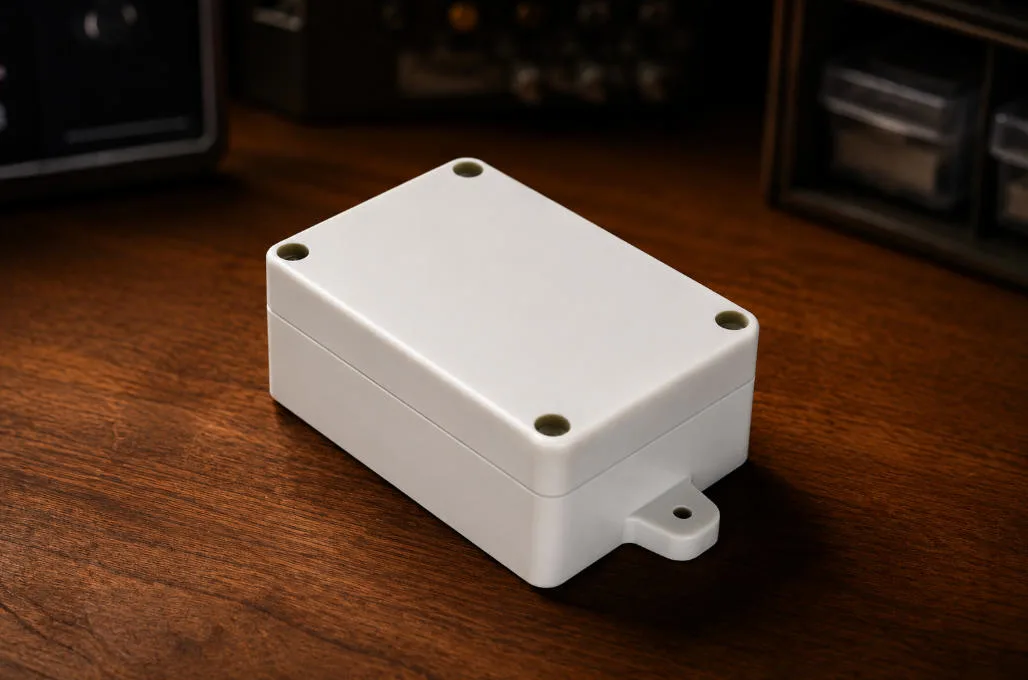
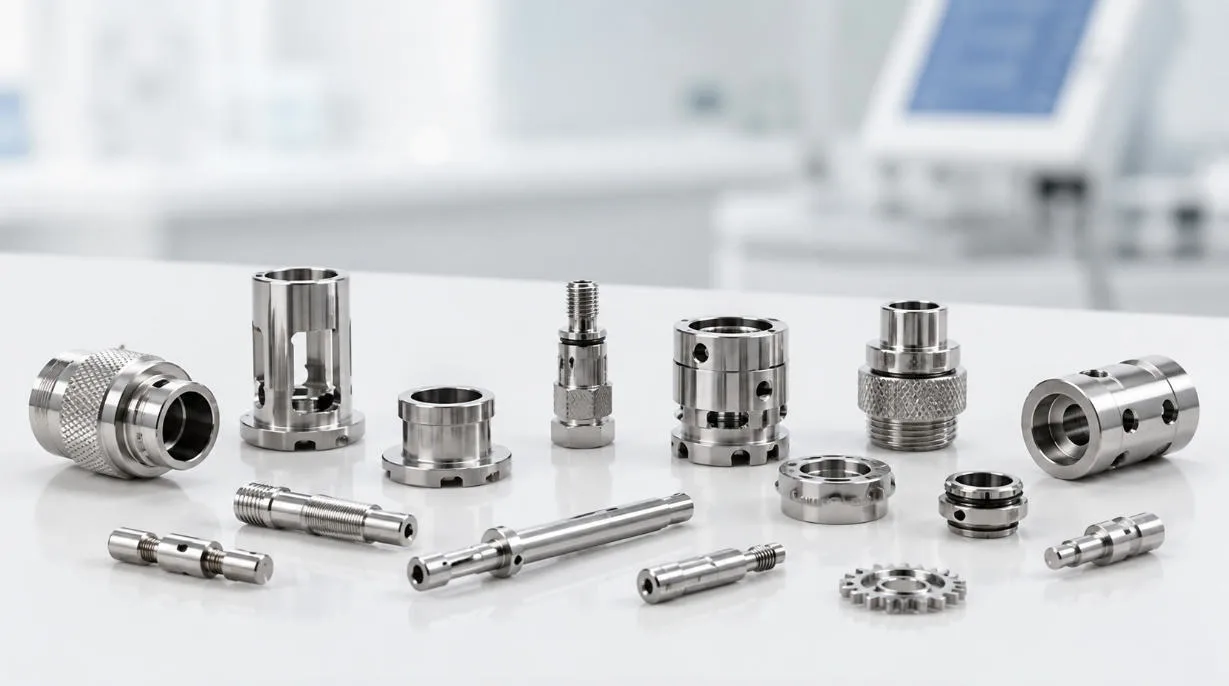
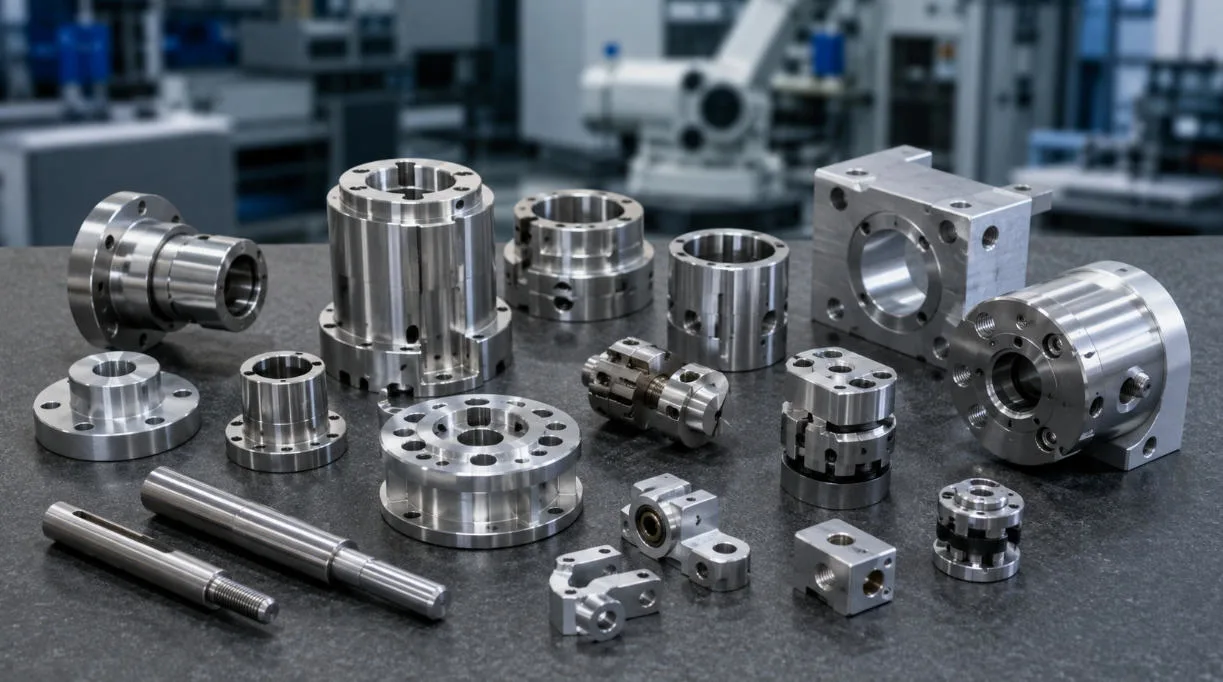
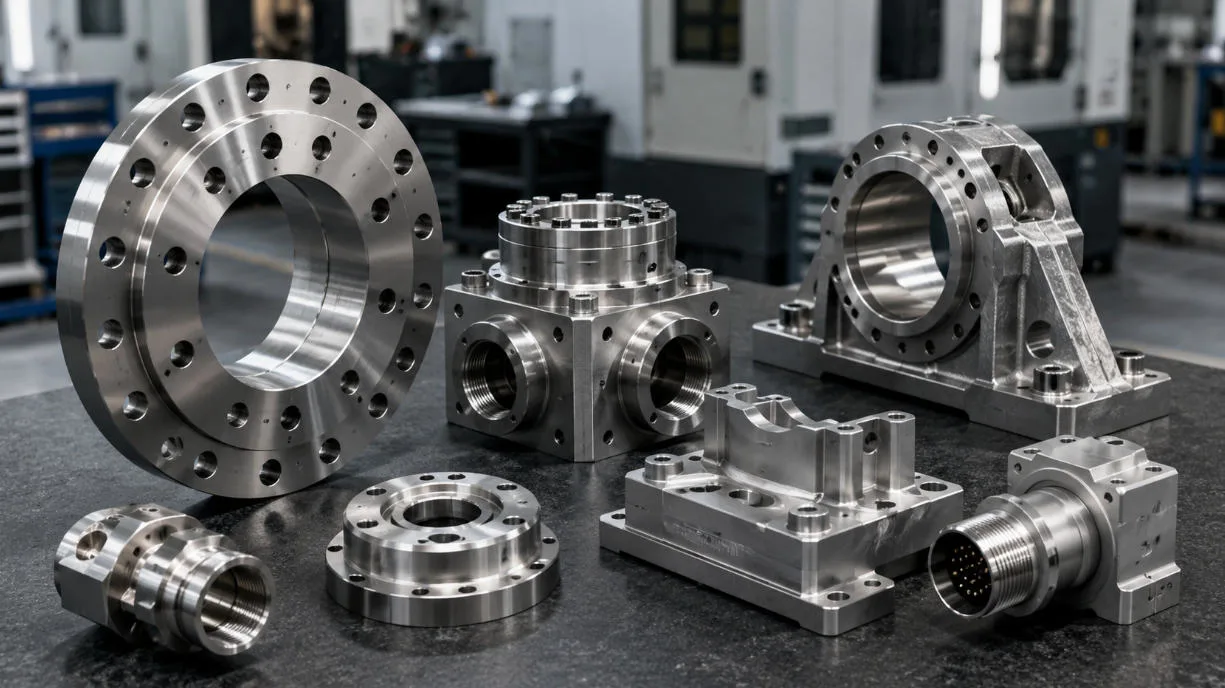
Representative Insert Molded Components for OEM applications, showing metal insert integration, threaded features, connector protection and structural plastic support.

Integrated metal inserts and molded plastics for structural interfaces and assembly-ready OEM parts.

Threaded metal features molded into plastic components for reliable fastening.

Insert molded connector parts for protected electrical and mechanical interfaces.

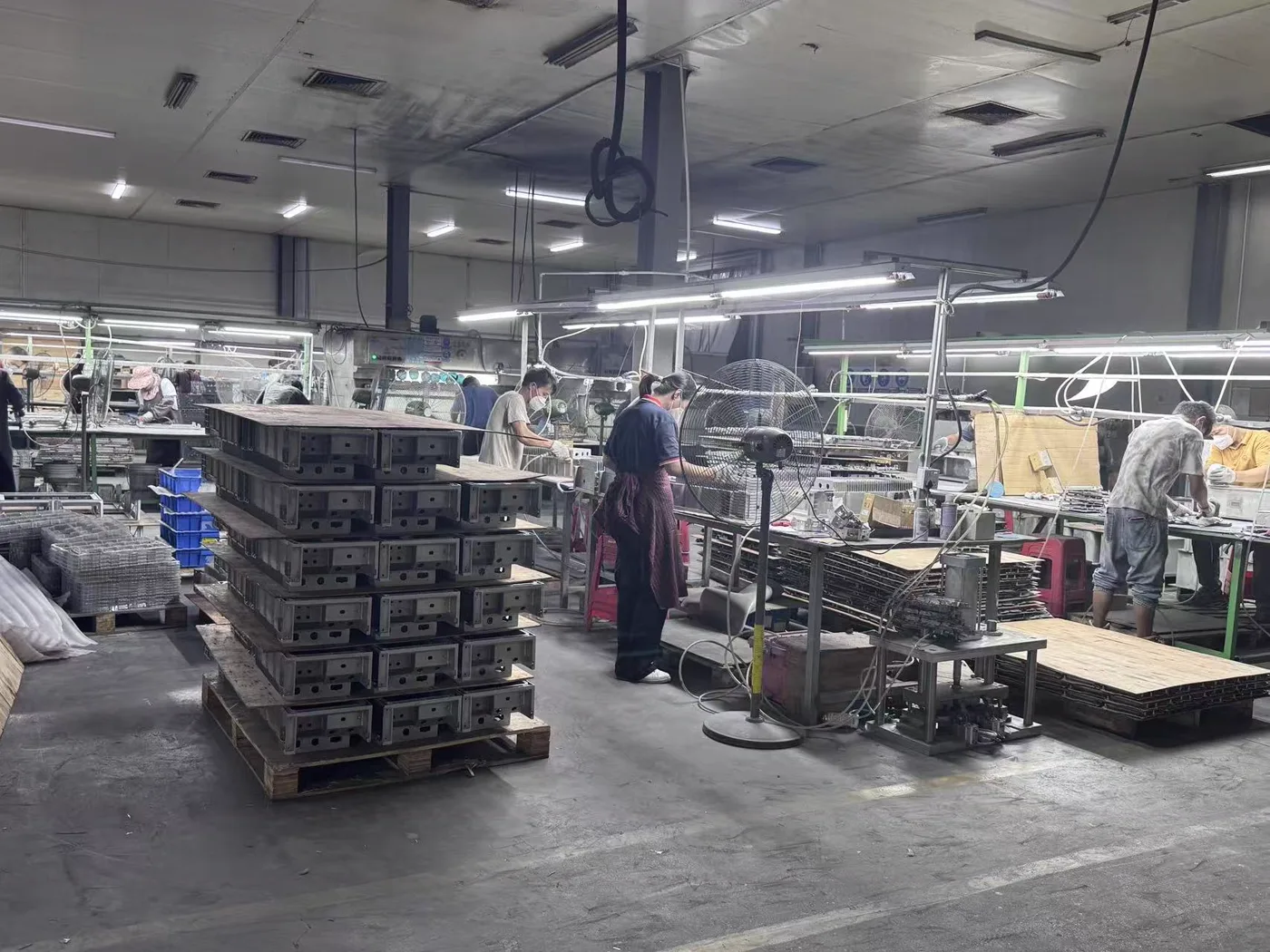
Plastic structures with integrated metal features for OEM assemblies.

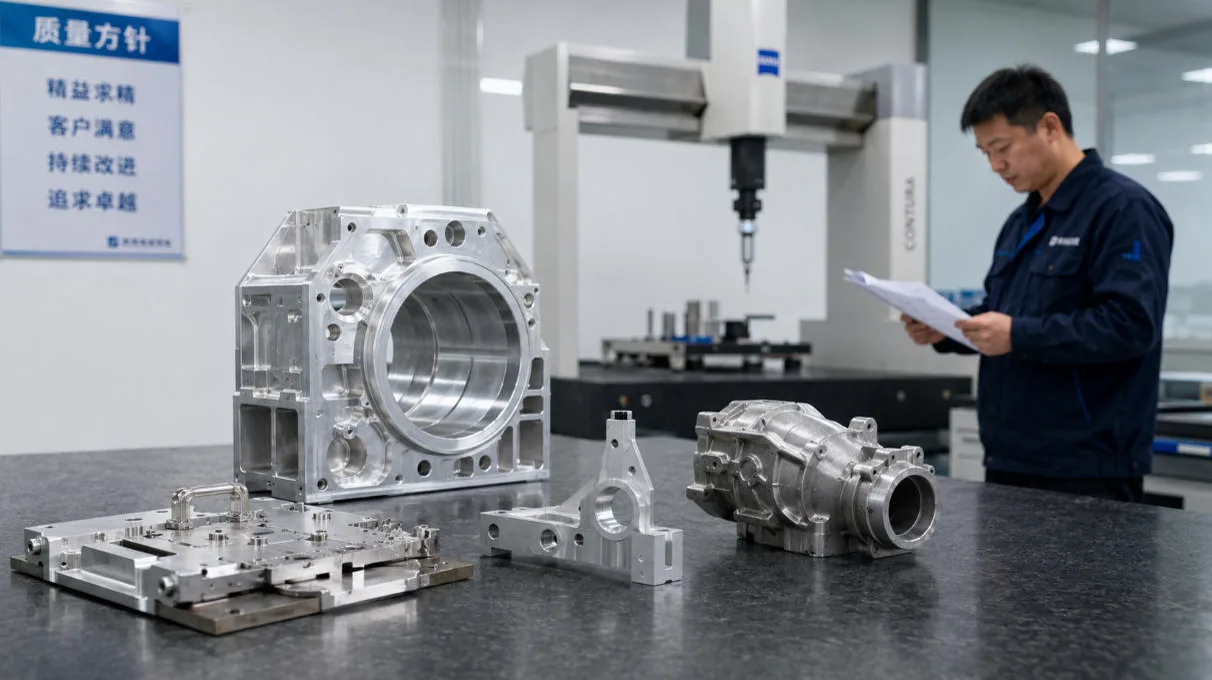
Quality planning focuses on the risks that matter in insert molded components: insert position, bonding reliability, dimensional control, material verification and appearance inspection.
Insert molding support for OEM industries requiring metal insert integration, molded plastic functionality and engineering review.

Functional components for protection, mounting and handling.

Connector housings and protective overmolded assemblies.

Precision components reviewed for fit and handling needs.

Integrated parts for automation systems and equipment builders.

Custom components for industrial machinery and assemblies.

Insert molded electrical interfaces and protected component assemblies.
Both processes combine materials, but the starting substrate and functional goal are different. FSD can review drawings and recommend a suitable route.
Yes. FSD Precision reviews aluminum, stainless steel, brass, copper and other metal insert molding projects before tooling and quotation.
Common inserts include threaded inserts, machined metal features, connector contacts, bushings, brackets and custom CNC machined inserts.
Common plastics include ABS, PC, PA, POM and PEEK. Material selection is reviewed based on strength, heat resistance, shrinkage and application requirements.
Yes. FSD supports prototype validation, tooling development, mold trials, low-volume production and production transfer for insert molded OEM components.
Please provide 2D drawings, 3D CAD files, insert material details, plastic material requirements, quantity, surface finish and application information.
Insert positioning is controlled through mold design review, insert fixture planning, sample validation and dimensional inspection before production release.
Insert molded parts are used in automotive, electronics, medical devices, robotics, industrial equipment and electrical component applications.
Inspection support may include insert position review, dimensional inspection, appearance inspection, material verification, FAI and CMM reports when required.
Upload drawings, CAD files and project requirements. FSD Precision will review insert material, plastic material, positioning details, tooling risks and inspection requirements before quotation.