
Complex Geometry
Complex surfaces, sculpted profiles and non-orthogonal features.
Advanced 5-Axis CNC Machining
FSD Precision supports complex OEM components that require multi-sided machining, controlled feature access, tolerance review and inspection planning before production.
5-axis CNC machining is used for precision parts with complex geometry, multi-sided features, fewer setups, tight positional accuracy and difficult tool access. FSD Precision reviews part geometry, material, tolerance, surface finish and inspection requirements to select a practical machining route for OEM production.
Use 5-axis machining when part geometry, access direction, tolerance stack-up or material value makes a simpler route less practical.
Complex surfaces, sculpted profiles and non-orthogonal features.
Multiple faces and angled features that benefit from fewer setups.
Position-critical bores, datums and assembly interfaces.
Titanium, stainless steel and high-value billets requiring process review.
A practical comparison helps buyers decide whether a part can be produced by standard 3-axis CNC machining or requires 5-axis access, fewer setups and higher geometry flexibility.

Best for flat surfaces, simple parts and basic features when tool access is straightforward.

Best for complex geometry, curved surfaces and multi-side features that require better access and fewer setups.
FSD reviews the machining route based on feature access, geometry, tolerance requirements, material and cost considerations.

Suitable for multi-face parts, angled holes and fixtures when the tool orientation can be indexed between operations.

Suitable for complex curves, continuous surfaces and difficult tool access where tool motion and part motion are coordinated.
Core machining capabilities for complex aluminum housings, brackets, fixtures and precision OEM components.
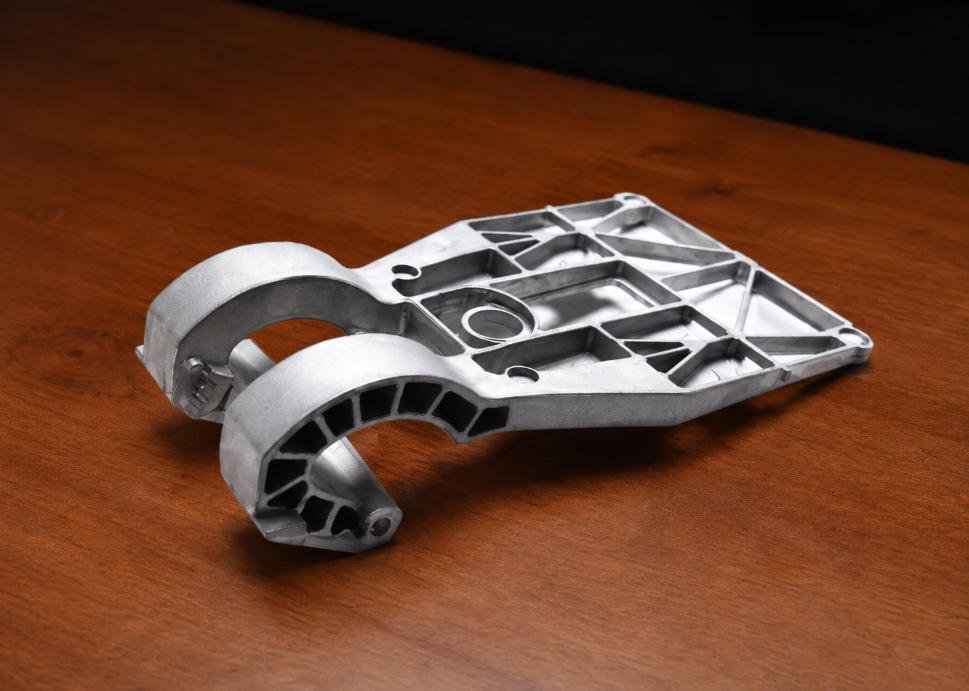
Machining curved surfaces, blended profiles and difficult access geometry.

Reducing setups for multi-face features and position-critical interfaces.
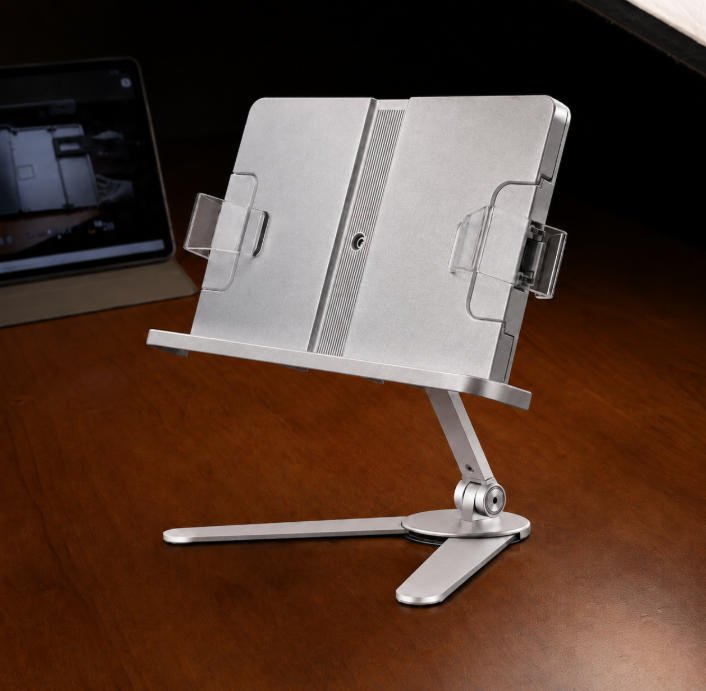
Controlled contour machining for brackets, fixtures and functional surfaces.
Representative complex OEM parts that may require multi-axis access, contouring, inspection planning or secondary finishing.
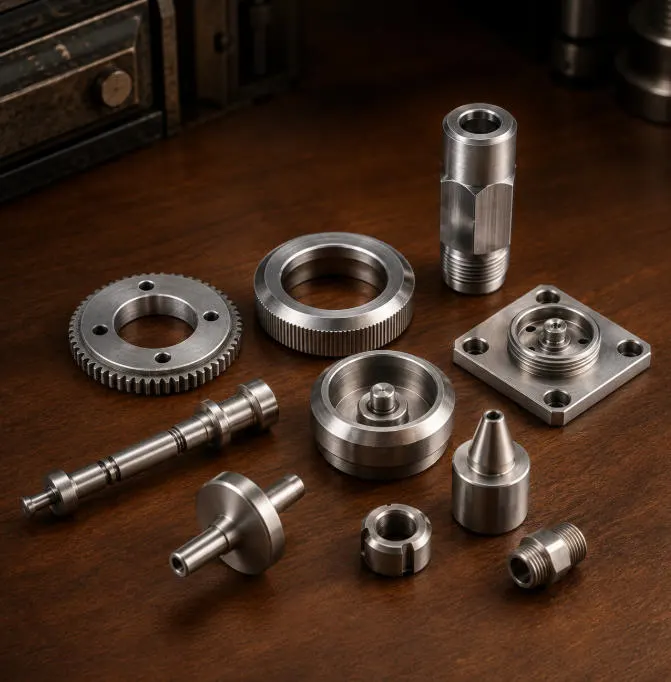
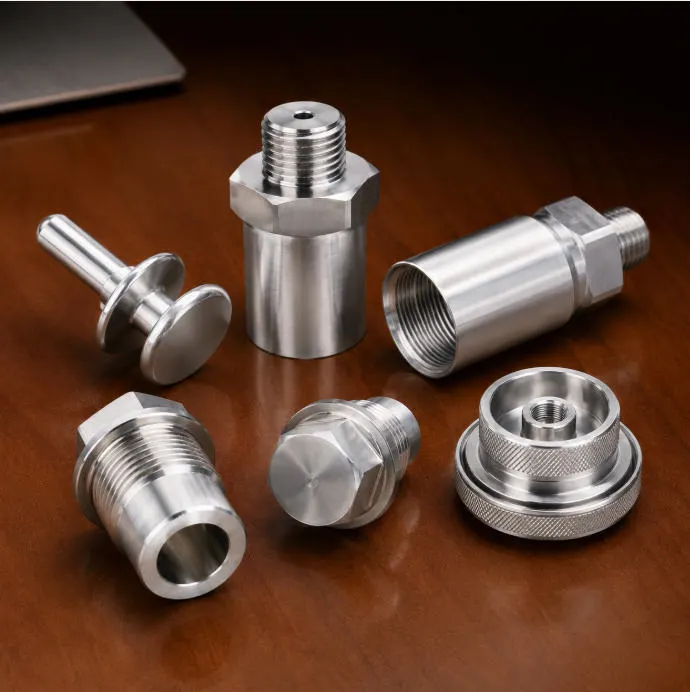
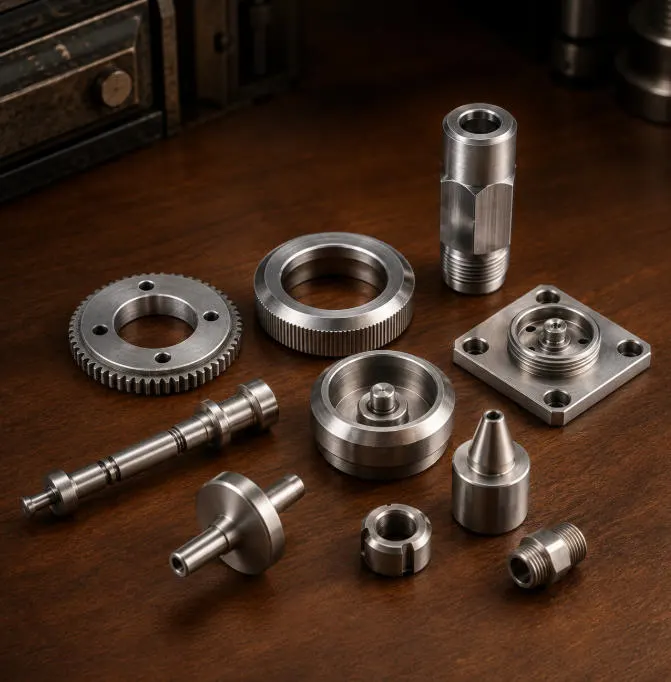
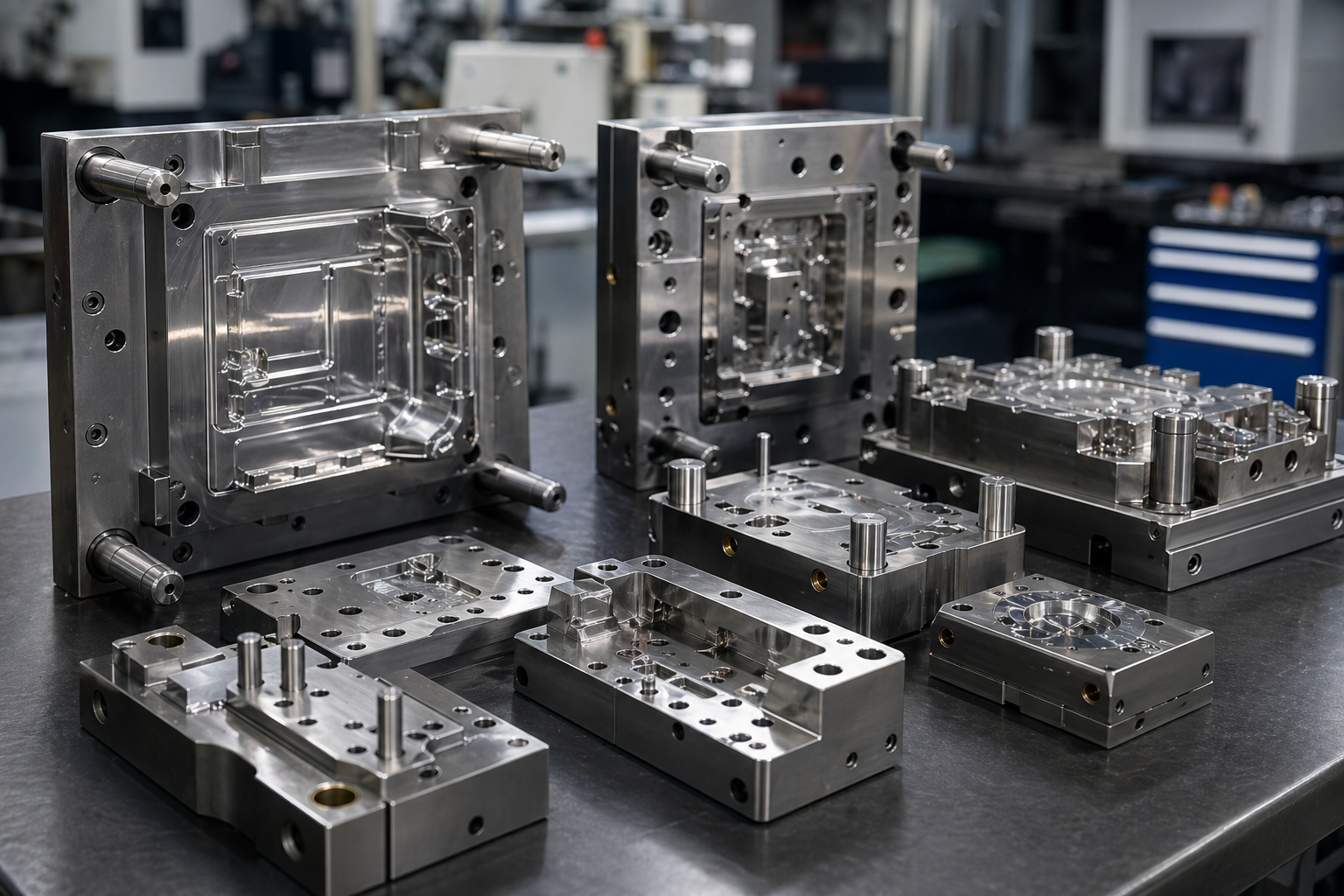
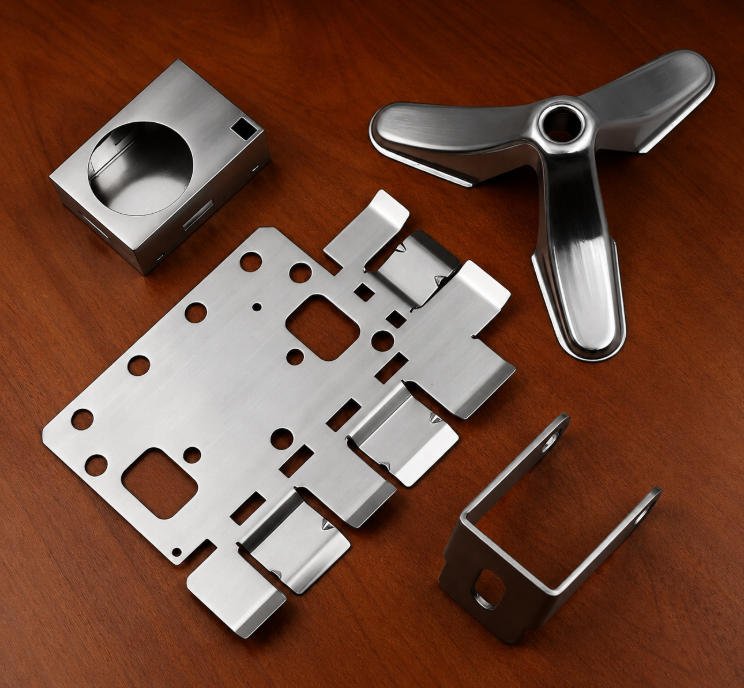
Material review, tolerance planning and inspection support are combined into one engineering review path before production.
Metal Material
Lightweight, machinable and suitable for complex housings, brackets, fixtures and multi-sided OEM components.
6061, 6082, 7075, 5052
Complex aluminum housings, precision brackets, robotics components, semiconductor fixtures and lightweight structural parts.
Good machinability and finishing response; thin walls, deep pockets and cosmetic surfaces should be reviewed for tool access and distortion risk.
Send alloy grade, temper, surface finish, critical tolerances and inspection requirements for engineering review before quotation.
Tolerance Review
Precision requirements are reviewed according to part geometry, material behavior, feature access, datum strategy and inspection method.
Reviewed when design, material, machining process and inspection conditions allow.
Typical tolerance range depends on material, geometry, feature size and machining setup.
Standard machining tolerance depends on material, geometry, feature size and machining setup.
Available when design, material, machining process and inspection conditions allow.
Datum reference control, hole position accuracy, bore alignment, flatness, parallelism and perpendicularity are reviewed according to drawing requirements and functional needs.
CMM measurement, FAI, micrometer, height gauge, thread gauge and surface roughness testing are selected based on part geometry, tolerance requirements and application.
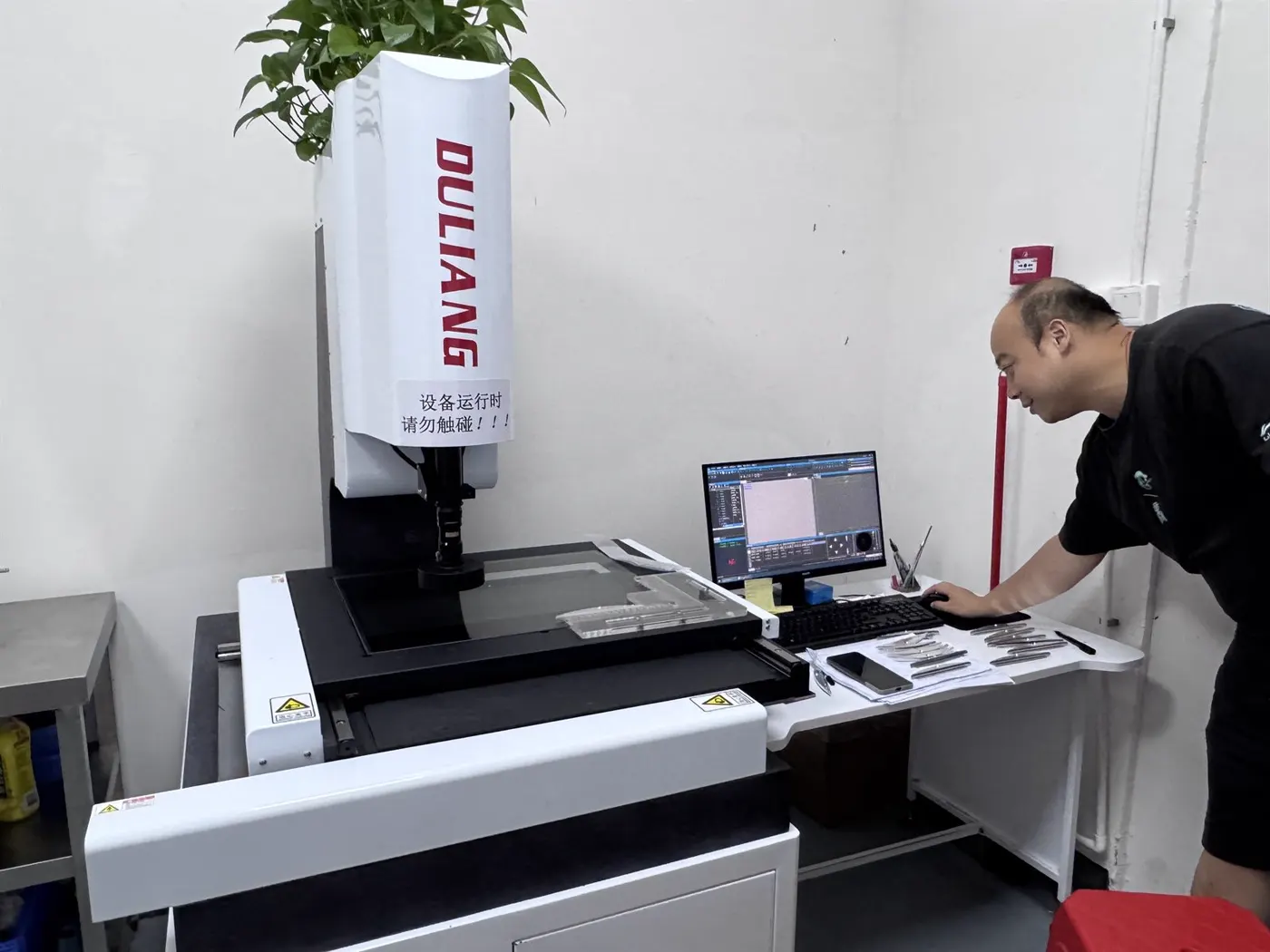
Inspection plans can be reviewed based on drawing requirements and project risk.
A concise RFQ workflow connects engineering review, machining route planning, production, inspection and delivery.
3D files, 2D drawings and requirements.
Geometry, tolerance and material review.
5-axis route, setup and finishing review.
Machining, secondary operations and control.
CMM, dimensional checks and documentation.
Packaging and export-ready delivery support.
Clear drawings and model data help engineers confirm machining feasibility, inspection strategy and cost-sensitive features before quotation.
5-axis CNC machining moves the cutting tool or workpiece across five axes to machine complex geometry, angled features and multi-sided precision parts with fewer setups.
Choose 5-axis machining when parts have complex surfaces, multiple machining directions, tight feature relationships or difficult tool access.
FSD can review aluminum, stainless steel, tool steel, titanium, brass, copper and engineering plastics based on application and drawing requirements.
Precision features are reviewed based on drawing requirements, material, geometry, setup strategy and inspection method before quotation.
Yes. Prototype, low-volume and production projects can be reviewed depending on material, geometry, finishing and inspection requirements.
Please send STEP/STP/IGES files, 2D drawings, material, quantity, surface finish, tolerance and inspection requirements.
Send drawings, 3D files, material, quantity, tolerance, surface finish and inspection requirements. FSD Precision will review your complex OEM part before quotation.