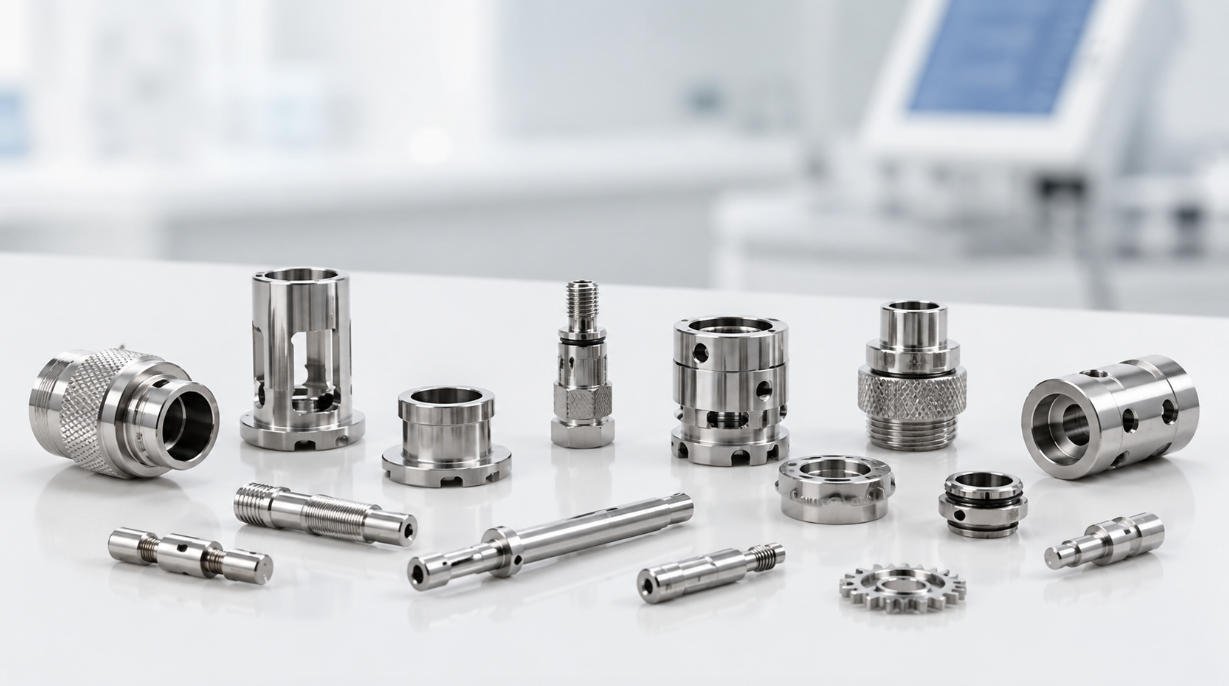
Tight-Tolerance Machining
Critical dimensions and GD&T-controlled features for precision OEM components.
- Critical bores
- Functional fits
- Datum-based features
FSD Precision supports complex precision components that require tight tolerance control, GD&T review, engineering feedback and inspection documentation for OEM manufacturing programs.
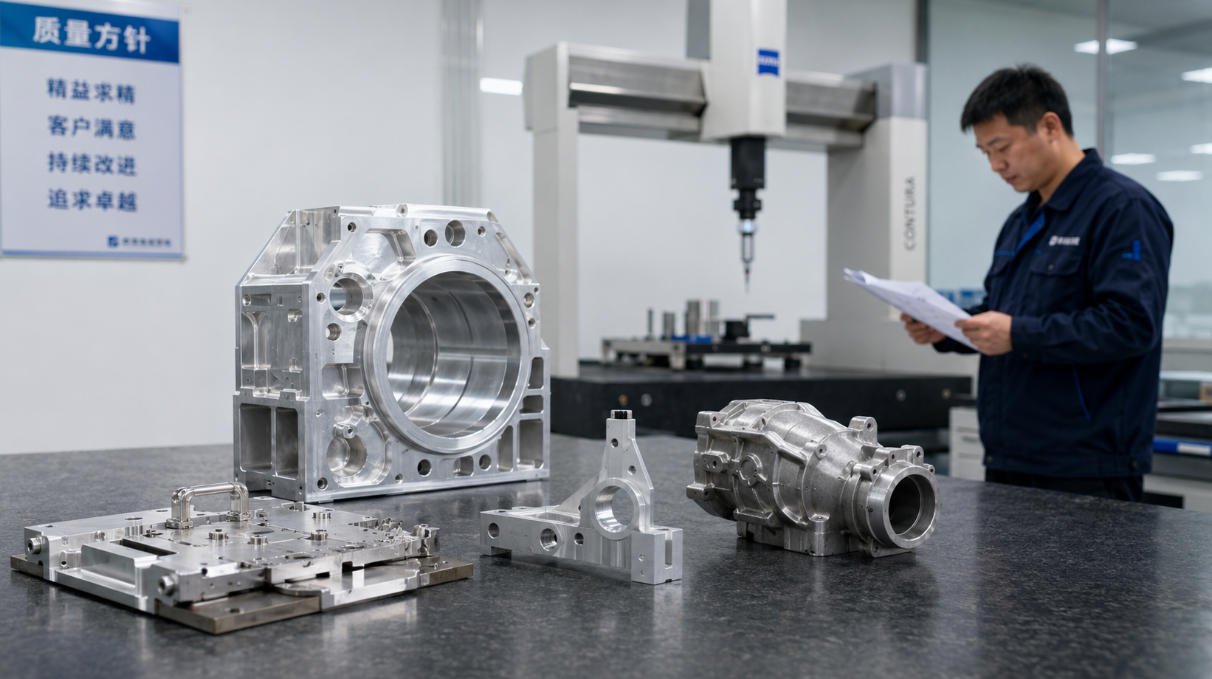
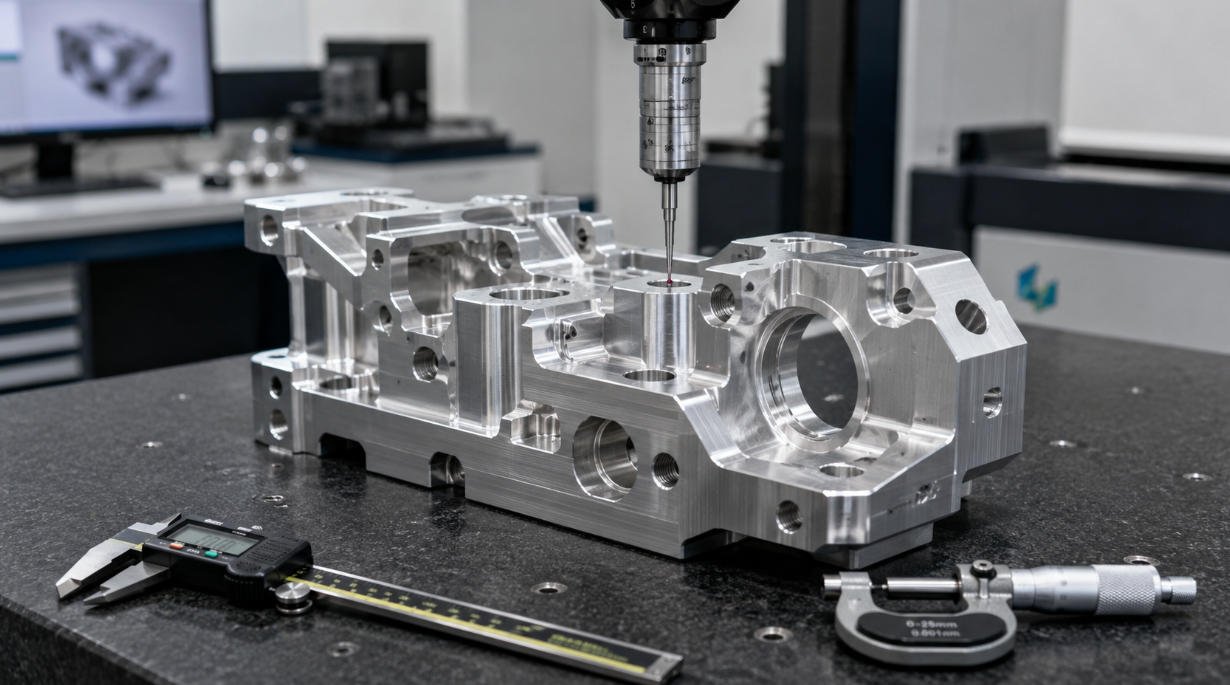
Precision CNC machining is used when OEM parts require controlled dimensional accuracy, critical assembly fit, GD&T control, complex geometry and inspection planning. FSD reviews drawings, material behavior, datum requirements, surface finish and inspection methods before quotation.
Use this route when precision control is part of the product function, not only the drawing format.
Critical dimensions and functional interfaces.
Multi-feature parts requiring accurate positioning.
Controlled mating surfaces and alignment.
CMM, FAI and dimensional reports.
Focused precision capabilities for tight-tolerance OEM parts, GD&T-controlled features and functional assembly requirements.
Critical dimensions and GD&T-controlled features for precision OEM components.
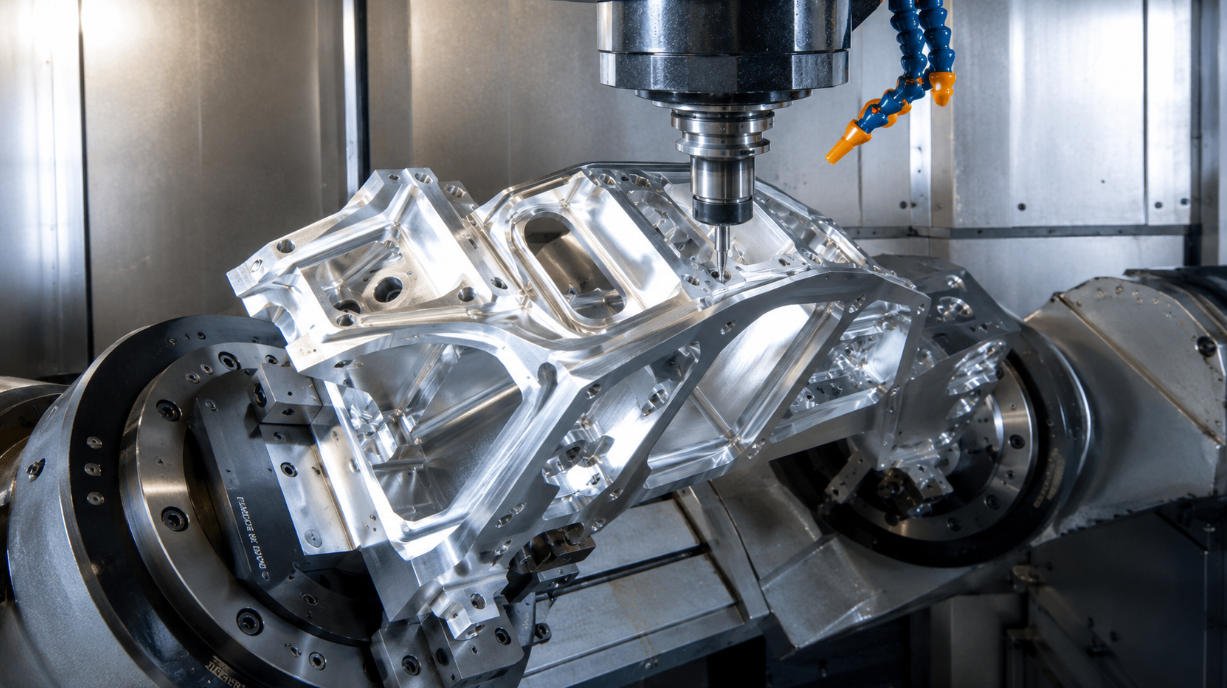
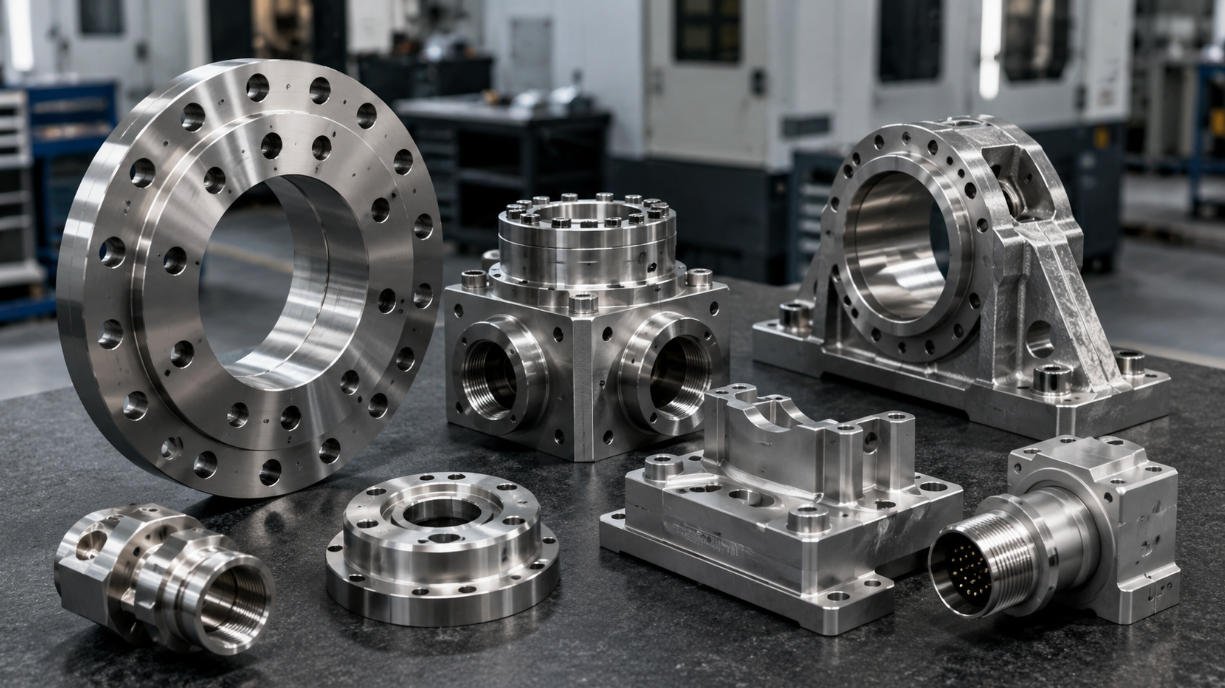
Complex geometry and multi-side access for high-value machined parts.
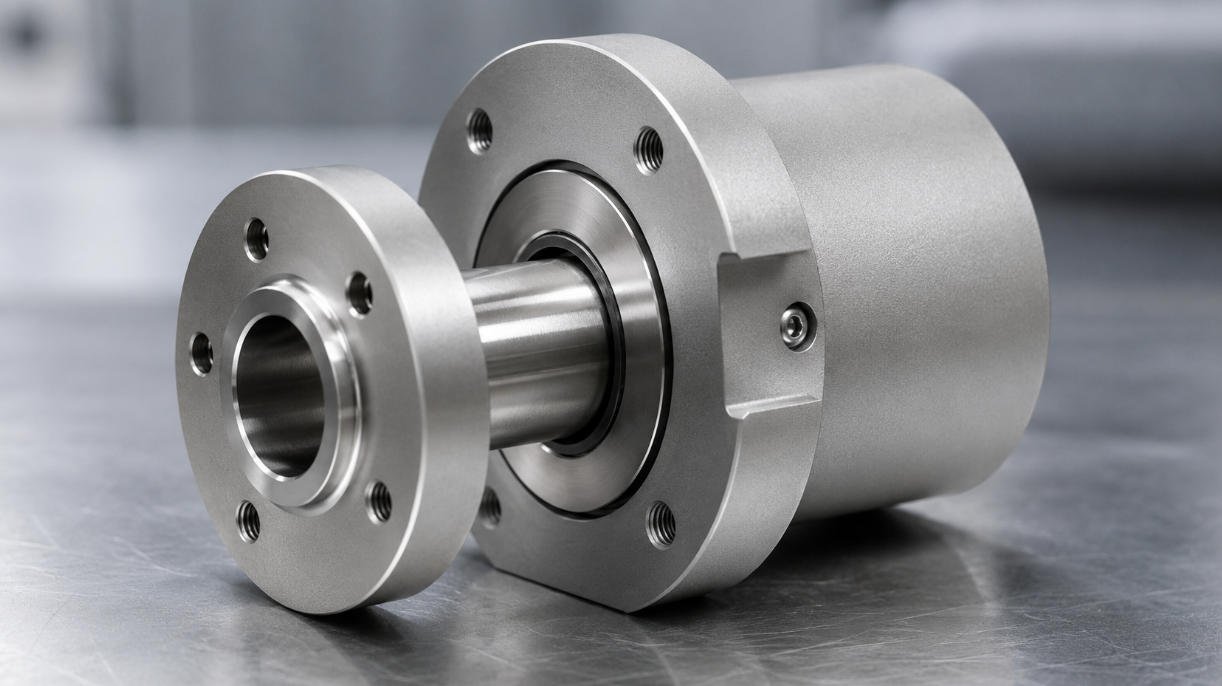
Surface requirements, controlled fits and functional interfaces reviewed before production.
A bento-style product view for high-value precision parts, with images carrying more of the message than text.
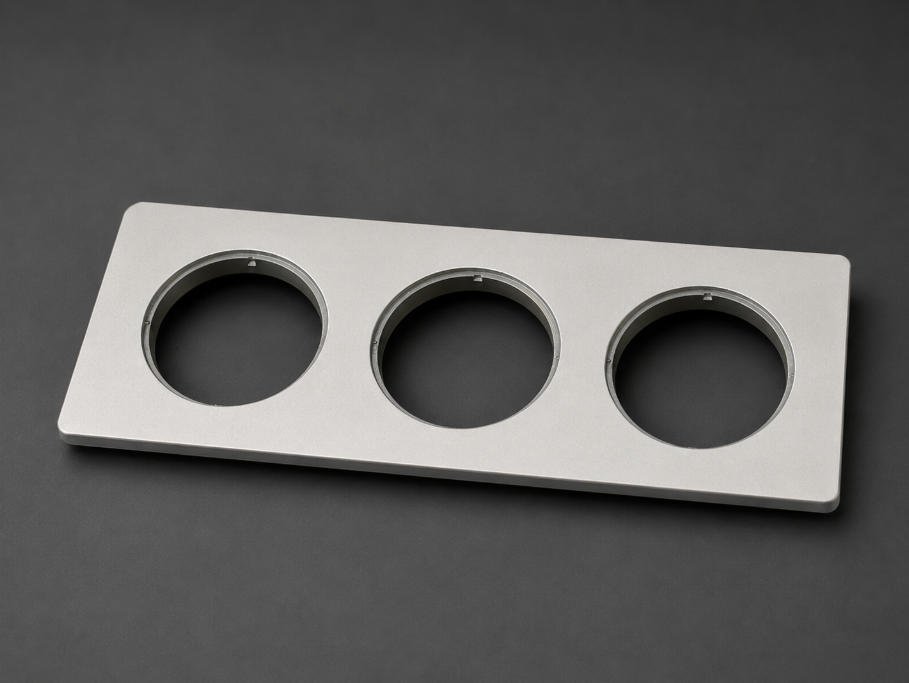
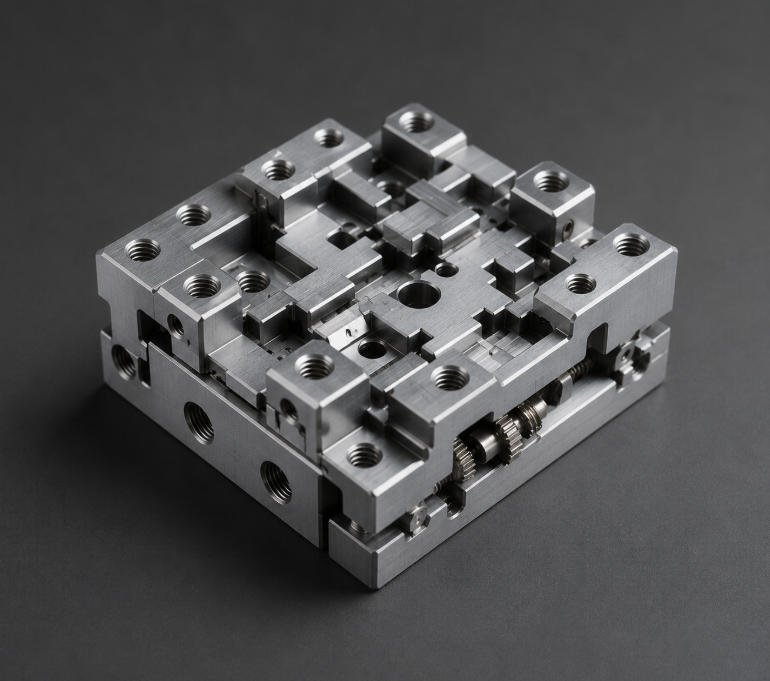
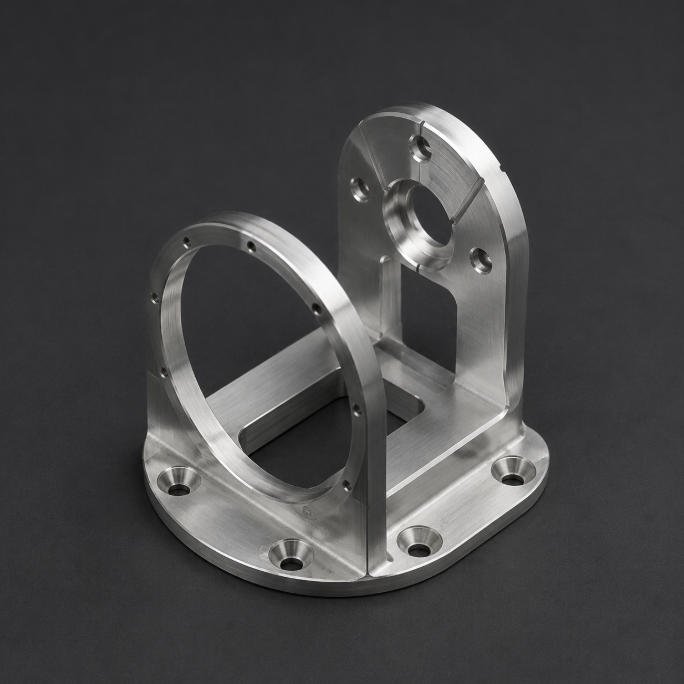
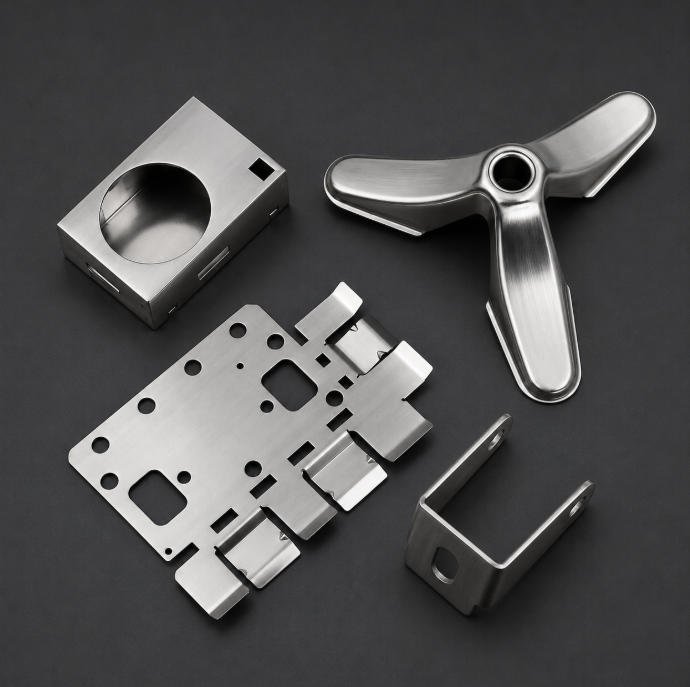
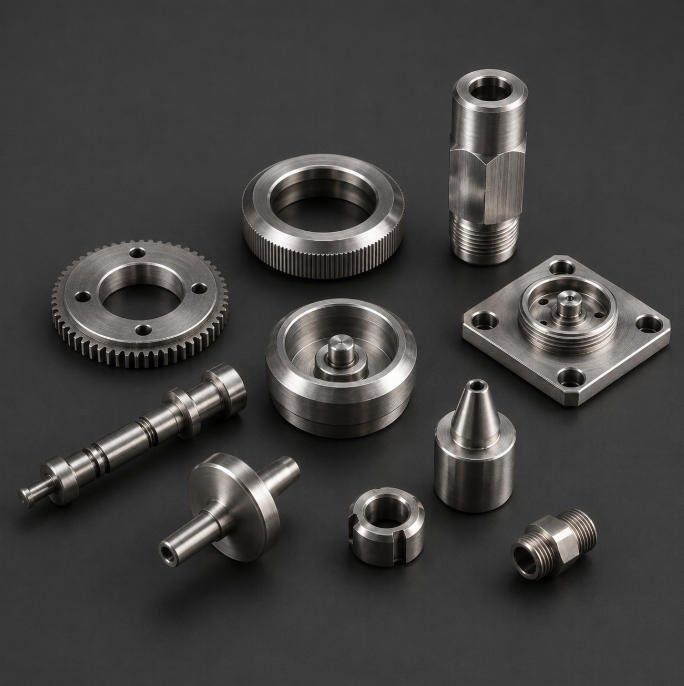
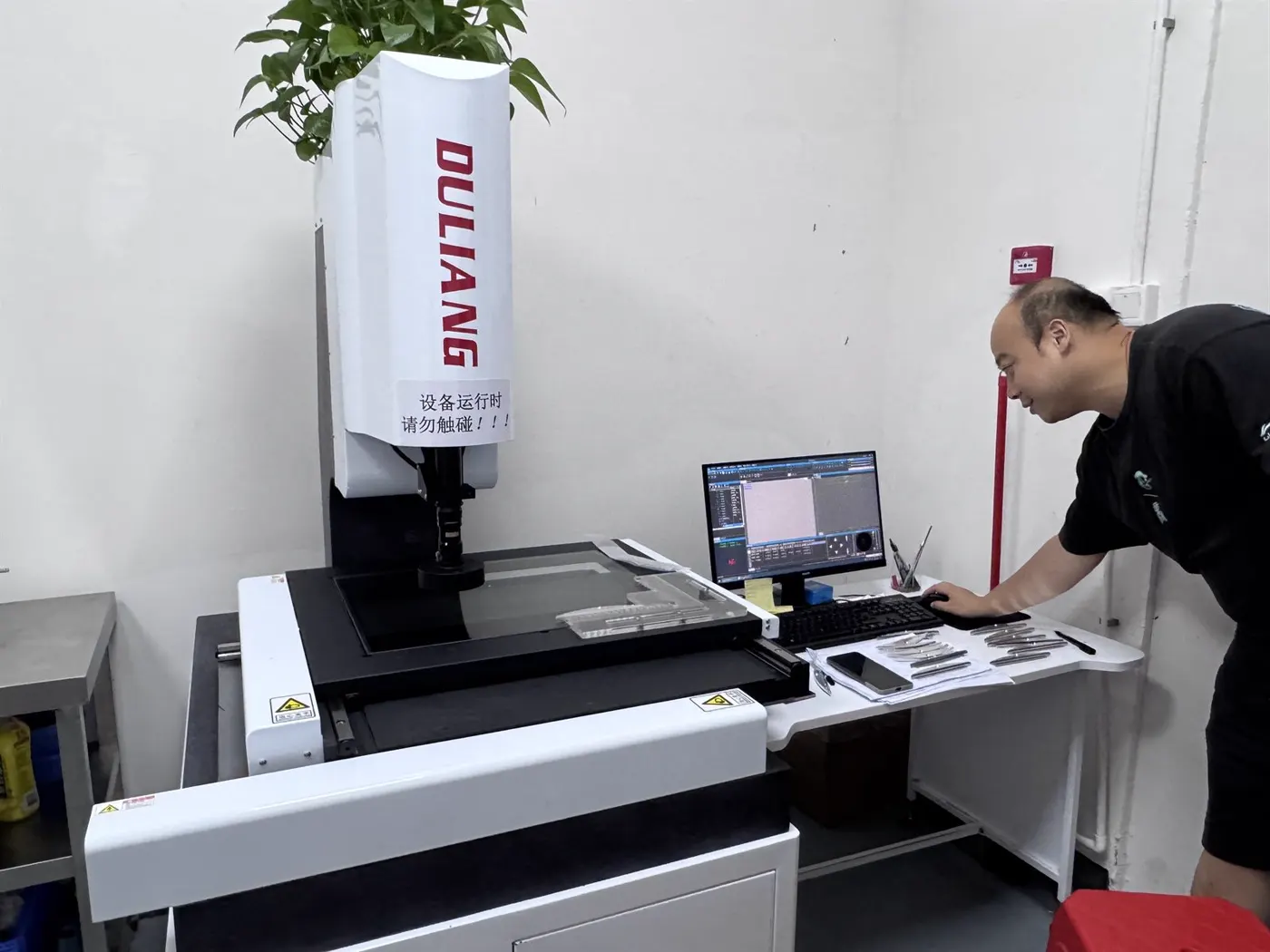
Quality planning is part of the manufacturing route, not an afterthought. Critical dimensions are reviewed together with the inspection method.
Reviewed when design, material, machining process and inspection conditions allow. Standard precision often ranges from ±0.05 mm to ±0.10 mm depending on geometry and setup.
Material behavior affects machining stability, tolerance control, surface finish and inspection strategy.
Finishing is reviewed based on corrosion resistance, appearance, wear, conductivity and assembly interface requirements.
Precision CNC machining support for industries requiring tight tolerance, repeatability and engineering control.
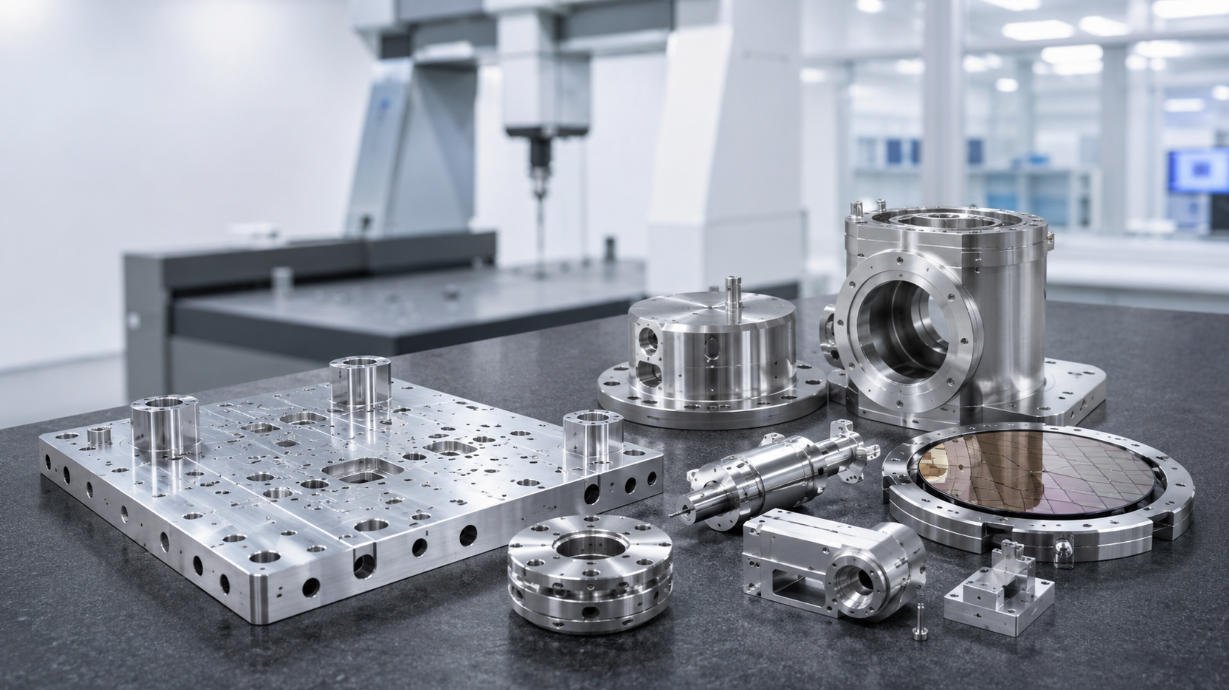
Precision fixtures and alignment components for semiconductor equipment builders.
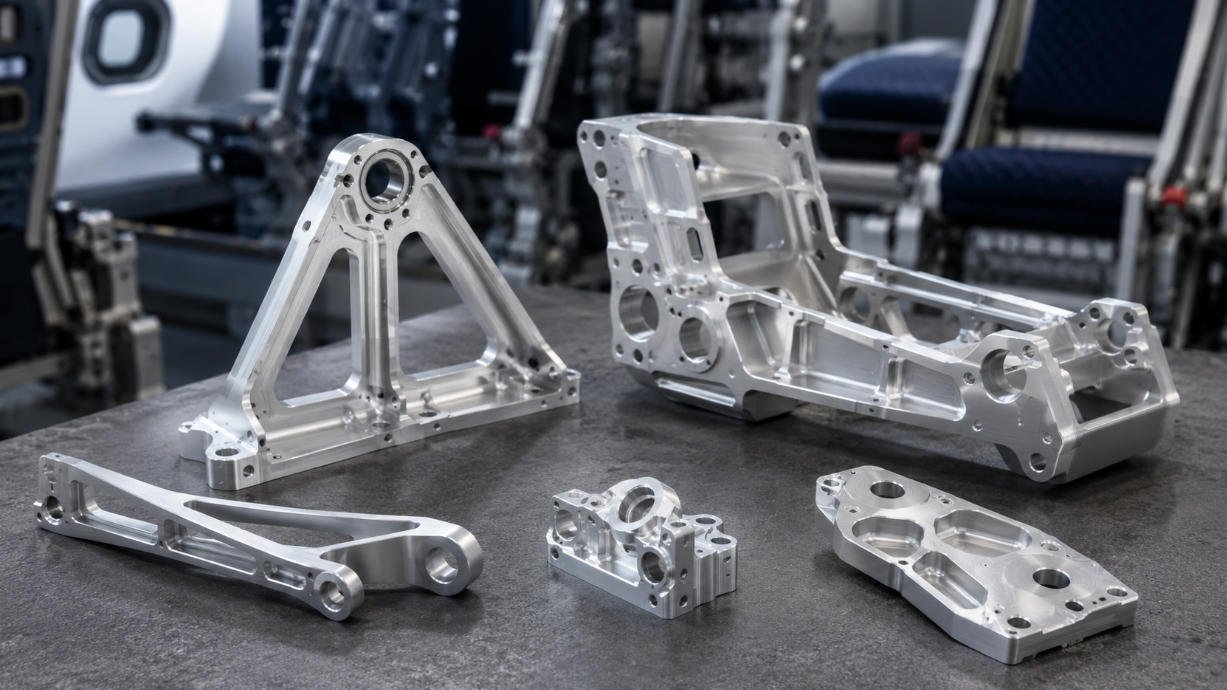
Lightweight aluminum structural parts and tight-tolerance bracket components.
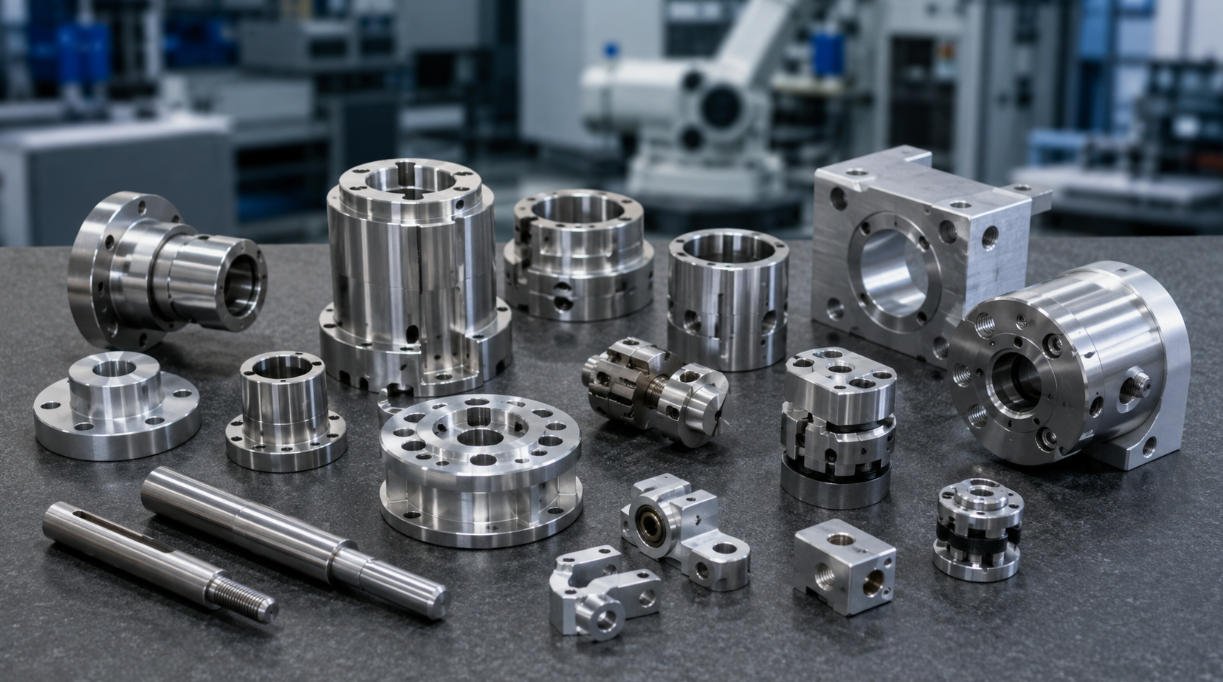
CNC machined robotics components for automation equipment and positioning systems.
Clear engineering information helps control tolerance, GD&T, inspection scope and quotation accuracy.
Precision CNC machining is used for tight-tolerance OEM components that require controlled accuracy, GD&T review, repeatability and inspection validation.
Standard precision ranges are often reviewed around ±0.05 mm to ±0.10 mm, while high precision features can be reviewed down to ±0.01 mm when design, material, geometry and inspection method allow.
Yes. Datum control, position, flatness, parallelism, perpendicularity and other GD&T requirements can be reviewed before quotation.
CMM report, FAI, dimensional report, material certificate and CoC can be reviewed based on drawing and project requirements.
FSD reviews aluminum, stainless steel, titanium, brass, copper and engineering plastics such as POM, Nylon, PEEK, PC and ABS.
Prototype, small-batch and repeat production projects can be reviewed according to drawings, quantity and inspection needs.
Send 2D drawings, 3D files, material, quantity, tolerance, GD&T, surface finish and inspection requirements. FSD Precision will review manufacturability before quotation.