FSD Precision

PLATING SOLUTIONS

Industrial Plating Services for Precision OEM Metal Parts

FSD Precision provides functional metal plating solutions for CNC machined, stamped and die cast components requiring corrosion resistance, conductivity, wear protection and controlled surface performance.

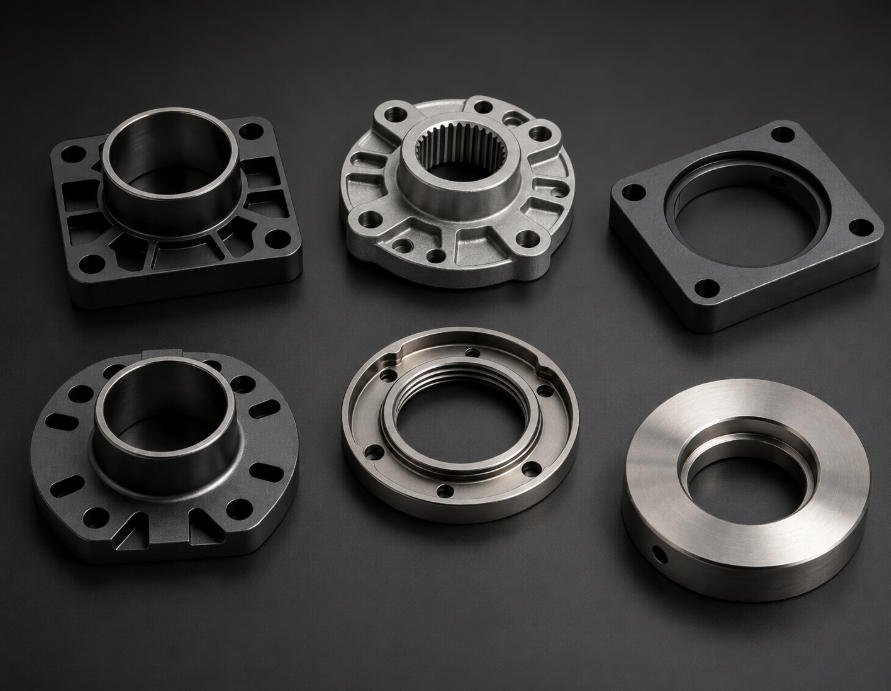
Raw machined metal component before functional plating
Machined Metal Part
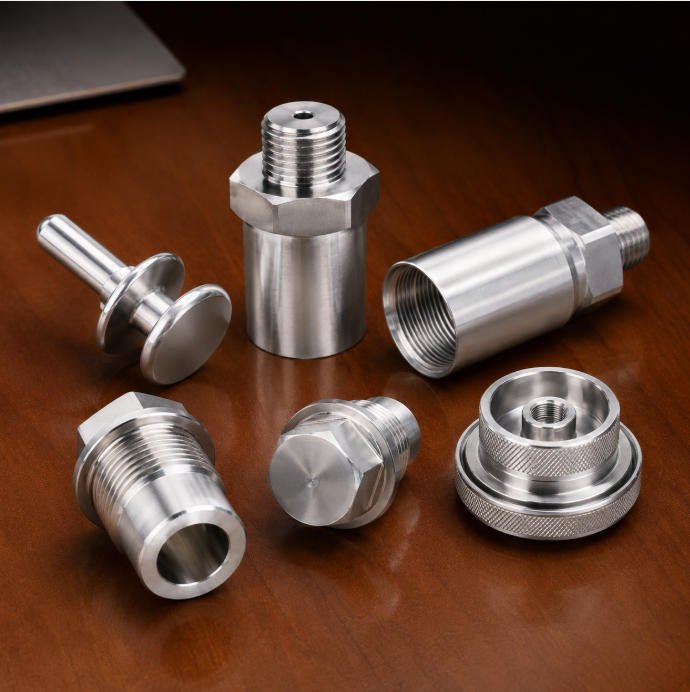
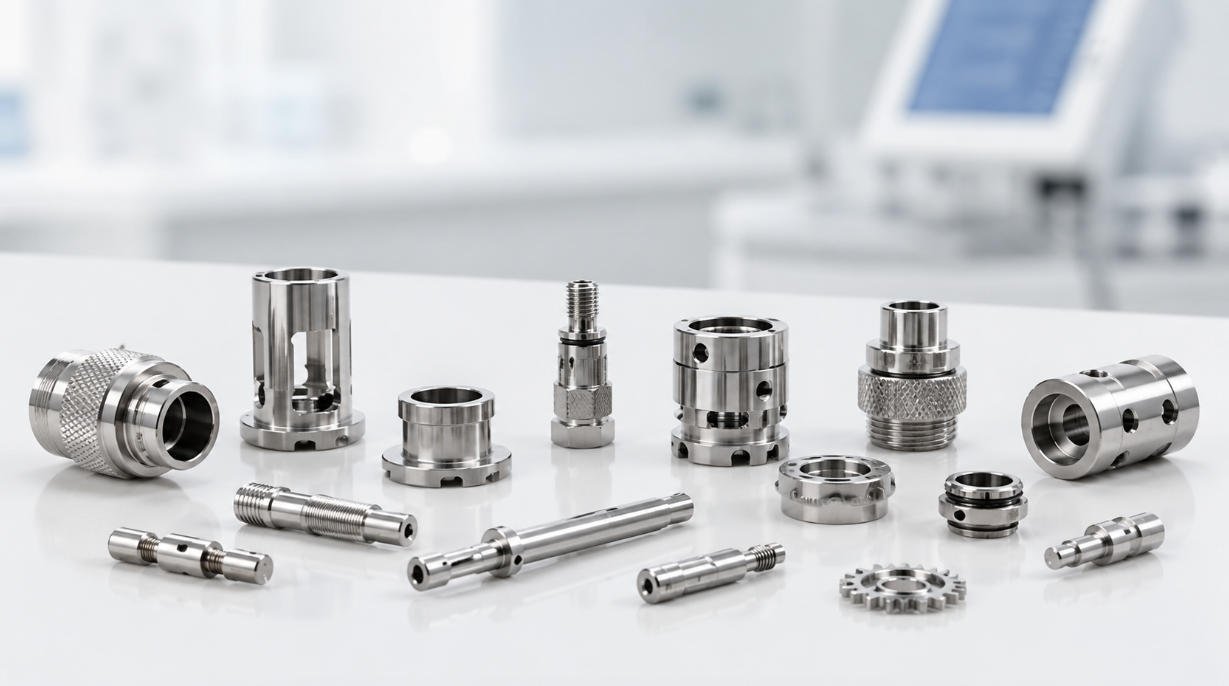
Electroless nickel plated precision OEM component for industrial applications
Electroless Nickel Plated Component
Part RequirementPlating SelectionDimensional ControlQuality VerificationFinished Delivery

DIRECT ANSWER

Why Choose Plating for OEM Components?

Corrosion Protection

Protection against oxidation and harsh environments.

Electrical Performance

Improved conductivity and contact reliability.

Wear Resistance

Enhanced surface durability for moving components.

Dimensional Control

Controlled coating buildup for precision assemblies.

CAPABILITY MATRIX

Functional Plating Capability Matrix

Plating selection is reviewed around base material, corrosion exposure, conductivity needs, wear behavior and critical dimensions.

Electroless nickel plated precision OEM component for industrial applications

Electroless Nickel Plating (ENP)

Ideal for precision parts requiring uniform plating inside holes, bores and complex features.

  • Uniform coating thickness
  • No edge effect
  • Complex geometry coverage
  • High hardness after heat treatment
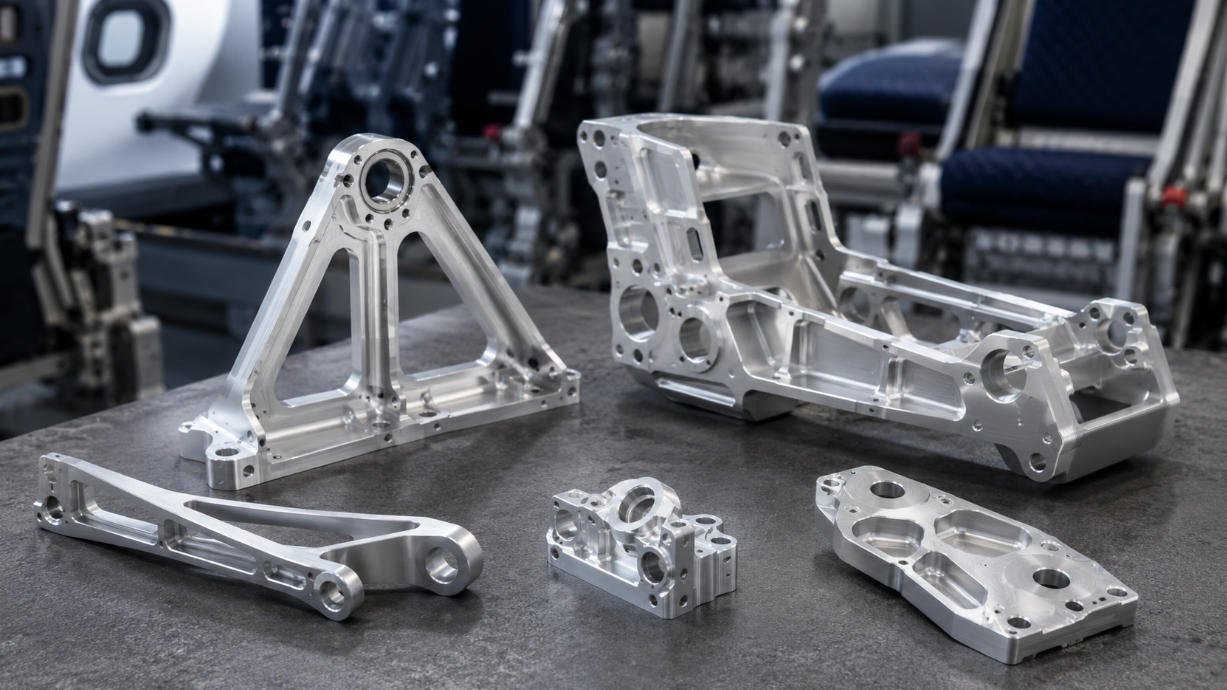
Electroplated nickel industrial component for OEM functional plating

Electroplated Nickel

Useful for functional metal parts requiring corrosion resistance and smooth metallic surface performance.

  • Corrosion resistance
  • Smooth appearance
  • Wear protection
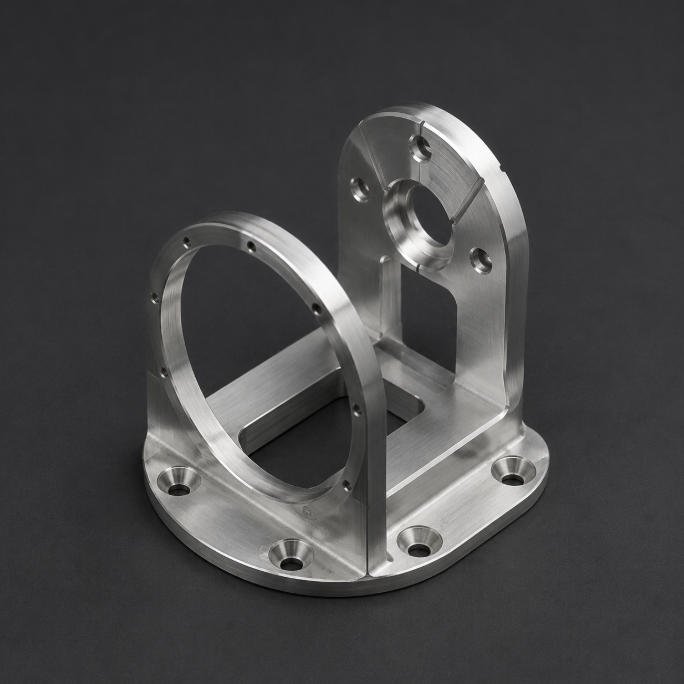
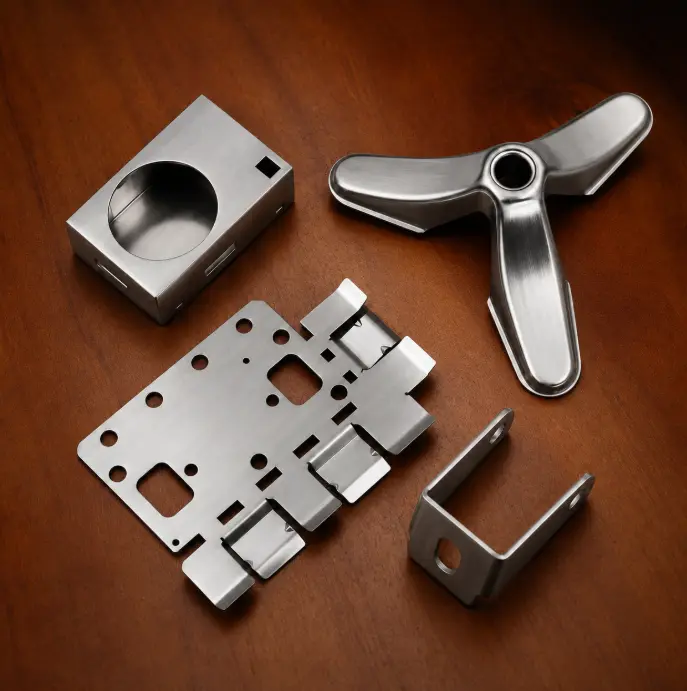
Zinc plated steel bracket and fastener sample for corrosion protection

Zinc Plating

Cost-effective rust protection for steel brackets, fasteners and industrial hardware.

  • Rust protection
  • Cost effective
  • Outdoor applications
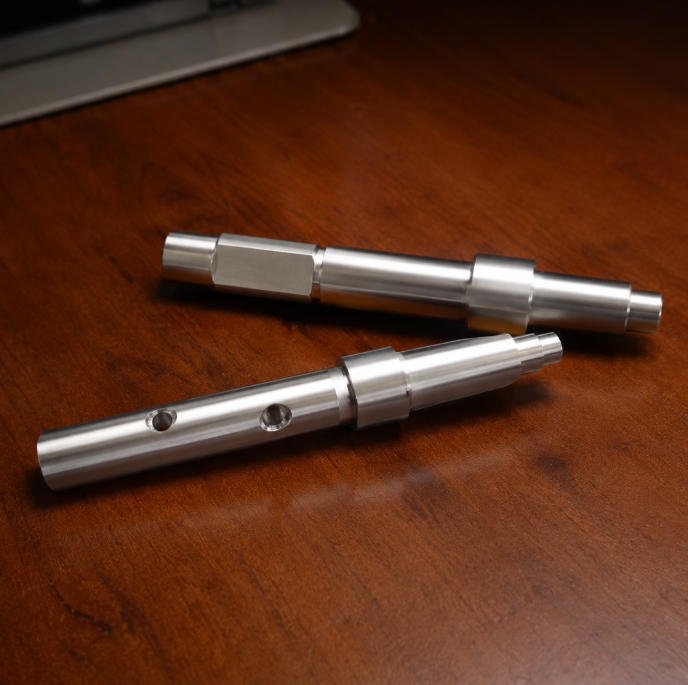
Hard chrome plated shaft component for wear resistant OEM applications

Hard Chrome Plating

Functional chrome coating for shafts, sliding surfaces and wear-resistant mechanical interfaces.

  • High wear resistance
  • Low friction
  • Extended service life

MATERIAL COMPATIBILITY

Plating Compatibility by Material

Base material, pretreatment and surface activation influence plating adhesion, corrosion performance and dimensional results.

MaterialRecommended Plating
SteelZinc / Nickel / Chrome
Stainless SteelElectroless Nickel
CopperNickel / Gold
BrassNickel / Gold
AluminumSpecial Surface Preparation
Die CastingEngineering Evaluation

ENGINEERING REVIEW

Engineering Considerations Before Plating

Coating Thickness & Dimensional Control

Plating buildup may affect threads, holes, bores and mating surfaces. Engineering team reviews coating allowance during DFM to maintain final assembly requirements.

Hydrogen Embrittlement Relief

High-strength steels may require de-hydrogenation baking after plating to reduce hydrogen embrittlement risk.

Thread & Hole Protection

Masking areas are reviewed before plating to protect threads, bores and electrical contact surfaces.

FINISH GALLERY

Plating Finish Options

Common functional finishes are selected for corrosion resistance, conductivity, wear protection and controlled surface behavior.

WORKFLOW

Plating Process Workflow

A controlled plating workflow helps align surface performance, dimensional control and OEM inspection requirements.

01

Cleaning

02

Surface Preparation

03

Activation

04

Plating Process

05

Rinsing

06

Drying

07

Inspection

08

Heat Treatment

QUALITY VERIFICATION

Plating Quality Verification

Finished plated surfaces are checked against coating, corrosion, adhesion and dimensional requirements before release.

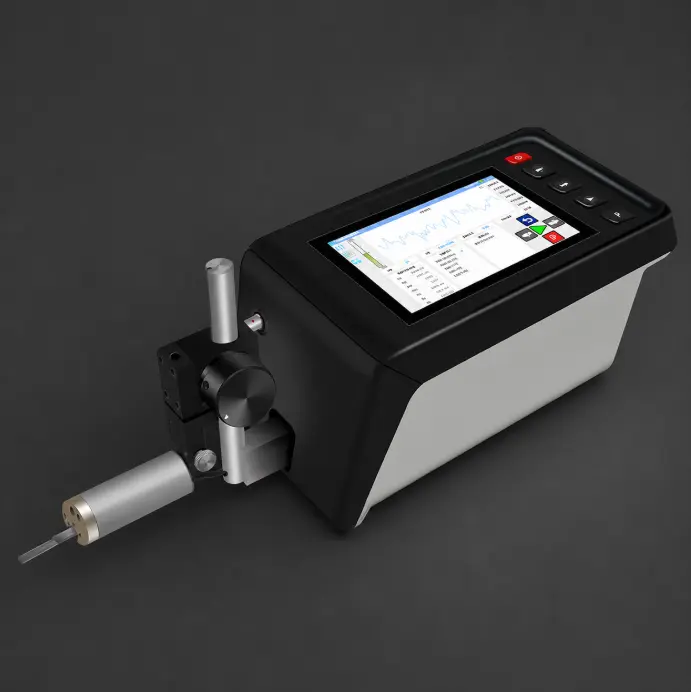
XRF coating thickness inspection for plated OEM components

XRF Thickness Measurement

Non-destructive coating thickness verification.

Adhesion testing for plated OEM metal components

Adhesion Testing

Review coating stability against production requirements.

Salt spray corrosion testing for zinc plated steel components

Salt Spray Testing

Validate corrosion resistance when specified.

Surface inspection of nickel plated industrial component

Surface Inspection

Check finish continuity, defects and visible surfaces.

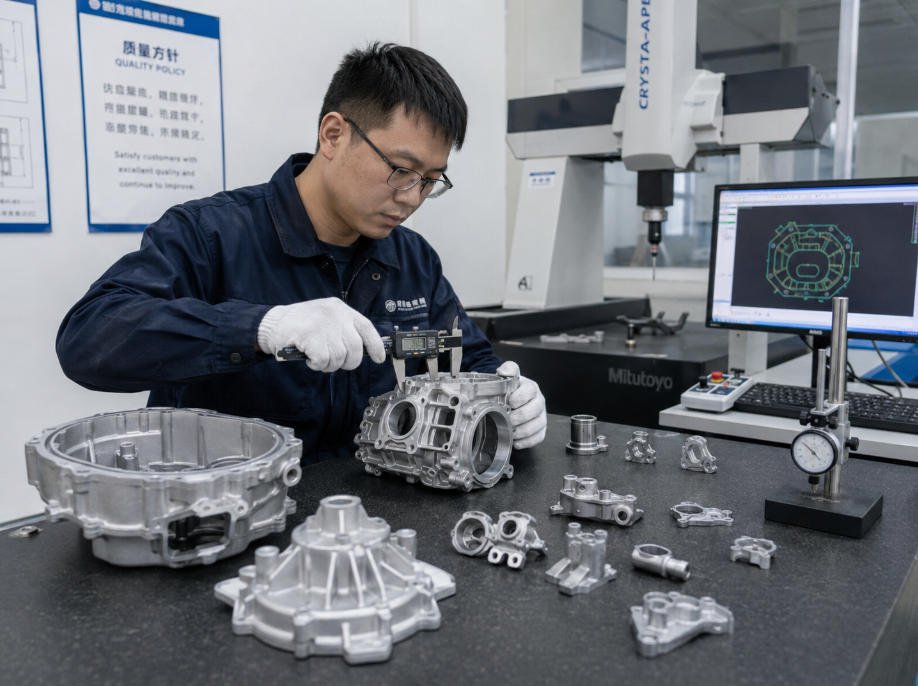
Dimensional inspection of plated precision metal parts

Dimensional Inspection

Confirm critical features after plating buildup.

APPLICATIONS

Applications

Functional plating supports precision components where corrosion resistance, conductivity, wear behavior and final fit matter.

Nickel plated automotive component for OEM corrosion resistance

Automotive Components

Hardware, brackets and precision features requiring corrosion and wear protection.

Plated electronics connector component for electrical performance

Electronics & Connectors

Conductive contact surfaces and housings requiring reliable electrical behavior.

Nickel plated industrial equipment component for OEM applications

Industrial Equipment

Functional metal components exposed to wear, handling and production environments.

Plated medical precision components for OEM manufacturing

Medical Components

Precision parts requiring clean finish control and documented inspection.

Plated aerospace hardware component for precision OEM applications

Aerospace Hardware

High-value hardware requiring dimensional review and surface performance.

Plated automation precision components for industrial equipment

Automation Components

Precision automation parts where coating control supports assembly reliability.

COMPARISON

Plating vs Anodizing vs Powder Coating

Select the finish around base material, functional surface requirements and final assembly constraints.

FinishMaterialConductivityWear ResistanceTypical ThicknessBest Application
PlatingSteel, copper, brass, selected aluminumHigh depending on finishGood to excellent5-50 μmConductivity, corrosion and wear protection
AnodizingAluminumInsulating oxide layerGood, excellent for hardcoat5-25 μmAluminum corrosion protection and surface hardness
Powder CoatingMetal partsGenerally insulatingGood coating durability60-120 μmDurable color and protective appearance

FAQ

Plating Services FAQ

What is Electroless Nickel Plating?

Electroless nickel plating is an autocatalytic plating process that deposits a uniform nickel-phosphorus coating without electrical current, making it useful for complex precision components, holes, bores and internal features.

What is the difference between ENP and Electro Nickel?

Electroless nickel plating provides more uniform coating thickness on complex geometry, while electroplated nickel uses electrical current and can be useful for corrosion resistance, wear protection and smooth metallic appearance.

Does plating affect part dimensions?

Yes. Plating adds coating thickness to the surface and can affect threads, holes, bores, mating faces and assembly interfaces. Critical dimensions should be reviewed before plating.

How do you control coating thickness?

Coating thickness is controlled through process parameters, masking plans, inspection requirements and non-destructive measurement methods such as XRF coating thickness verification when required.

Can plated parts meet H7 tolerances?

Plated parts can support precision fit requirements when coating allowance, masking and final inspection are planned before production. Final capability depends on material, feature geometry, plating type and tolerance stack-up.

How do you prevent hydrogen embrittlement?

High-strength steel parts may require hydrogen embrittlement relief through appropriate process control and post-plating baking. Requirements should be defined before quotation and production.

Can aluminum parts be plated?

Aluminum can be plated, but it requires special surface preparation and engineering evaluation because aluminum oxide and alloy composition affect adhesion and final plating quality.

What information is required for plating quotation?

Please provide 3D CAD files, 2D drawings, base material, plating type, required coating thickness, masking zones, critical dimensions, corrosion or conductivity requirements and expected inspection documentation.

ENGINEERING RFQ

Need Functional Plating Support for OEM Metal Parts?

Share your drawings, base material, plating type and critical surface requirements. Our team reviews coating thickness, masking and inspection needs before quotation.

🇺🇸English
🇺🇸English🇫🇷Français🇩🇪Deutsch🇪🇸Español🇨🇳简体中文🇸🇦العربية🇮🇳हिन्दी🇯🇵日本語🇵🇹Português