
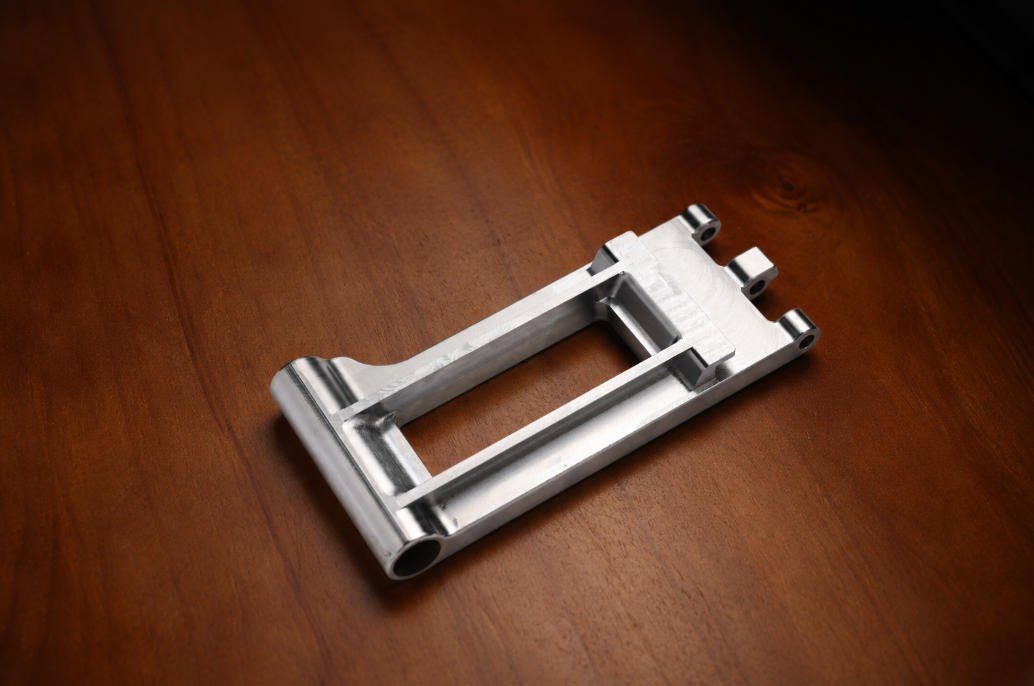
Need complex pockets?
CNC Milling
For housings, brackets, slots, pockets and precision structures.
A practical engineering guide covering CNC machining processes, materials, tolerances, finishes and design considerations for OEM parts.
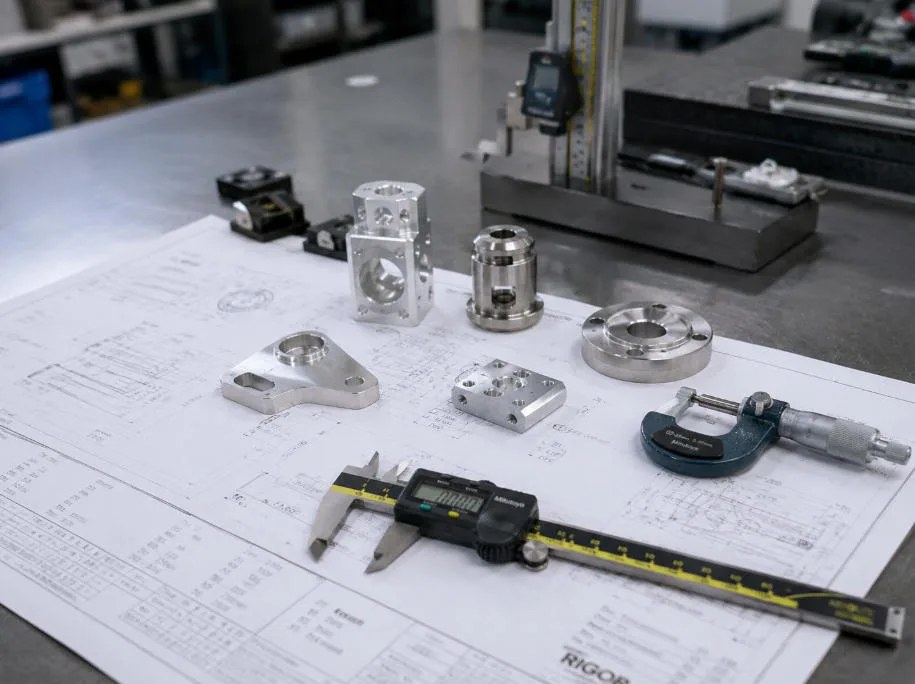
CNC machining is a subtractive manufacturing process using computer-controlled machine tools to remove material from metal or plastic blocks and create precision OEM components. It is widely used when parts require tight tolerances, functional features, production-grade materials and repeatable dimensional accuracy. CNC machining can support prototypes, low-volume production and end-use components across industries such as automation, medical devices, aerospace, electronics and industrial equipment.
Use project geometry, feature access and tolerance requirements to select the most practical CNC manufacturing route.
Need complex pockets?
For housings, brackets, slots, pockets and precision structures.
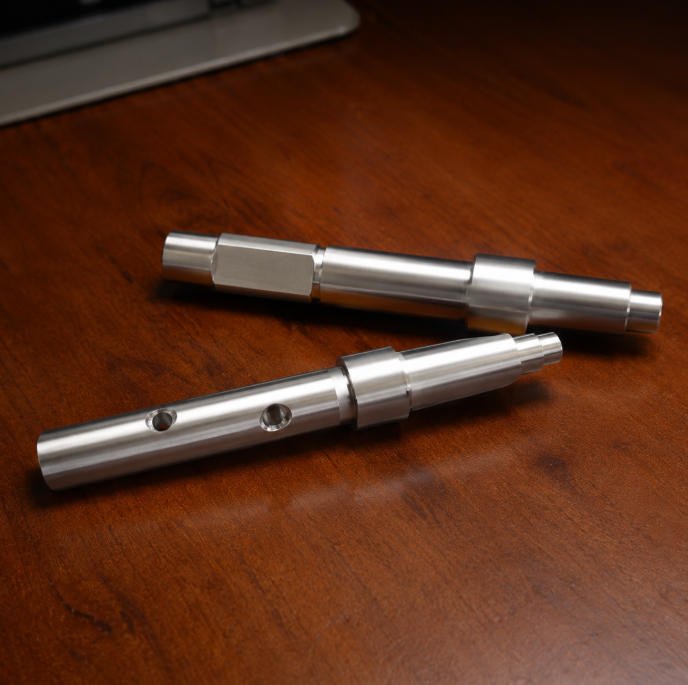
Need round parts?
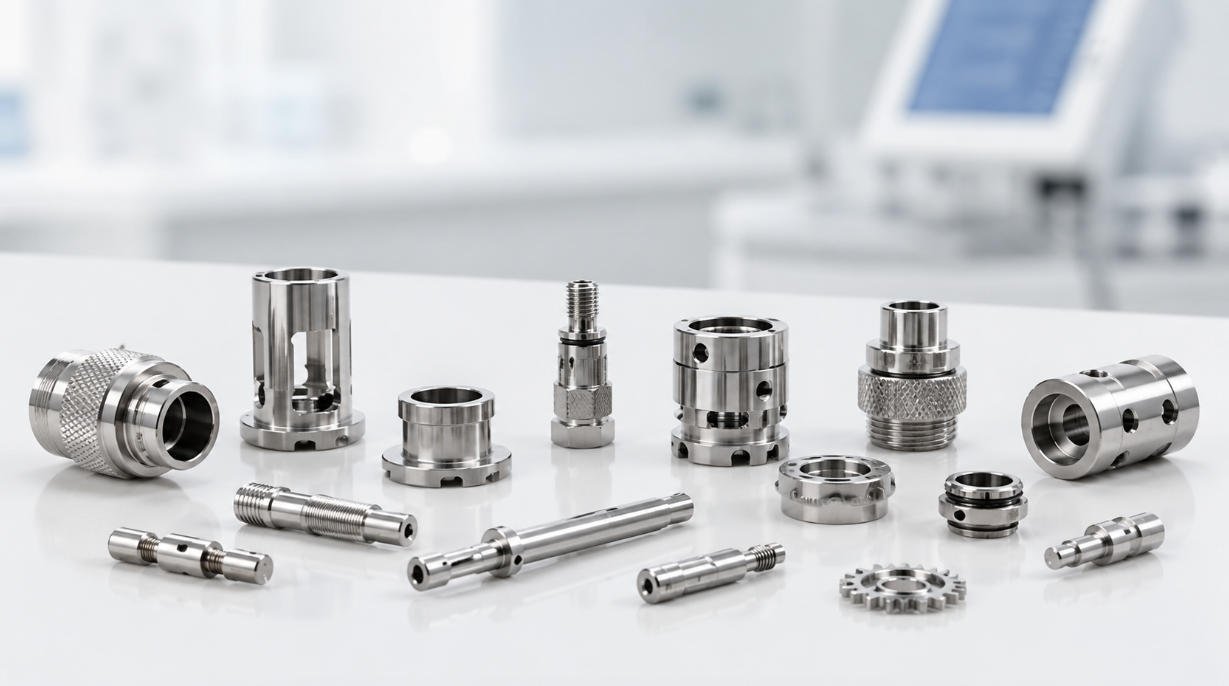
For shafts, bushings, collars, pins, fittings and cylindrical parts.
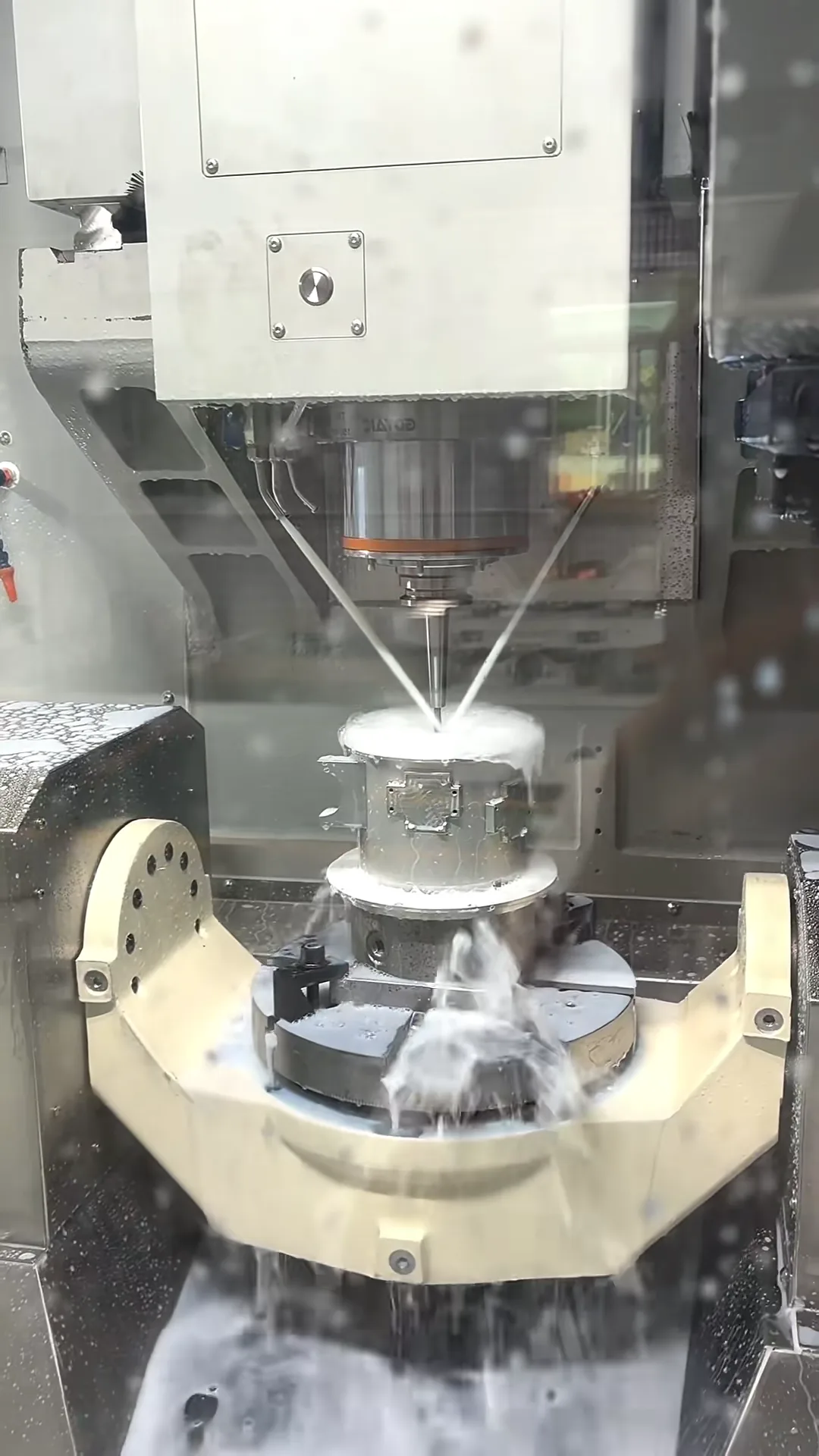
Need complex angles?
For multi-sided features, complex surfaces and reduced setups.
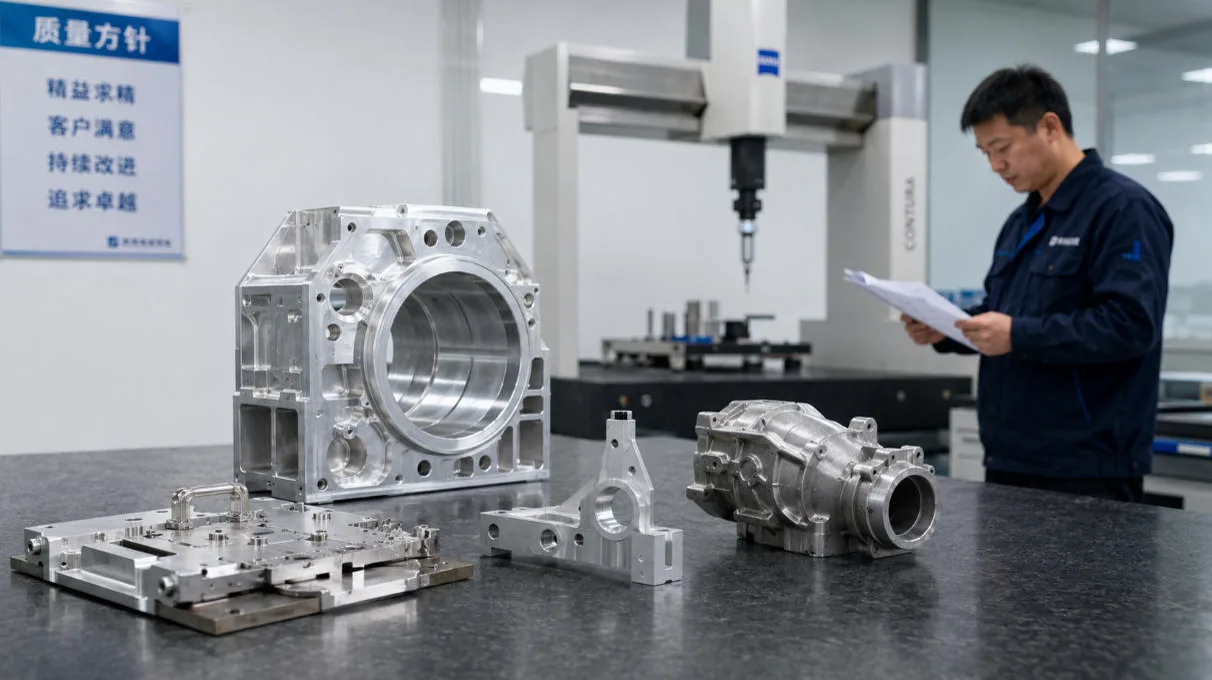
Need tight tolerance?
For critical features requiring drawing-based inspection planning.
Need help choosing the right CNC process? Request Engineering RFQ Review →
Different CNC methods solve different OEM part geometry, access and production requirements.
Best for machined structures and prismatic features.
Best for rotational components and concentric features.
Best for difficult access and multi-sided machining.
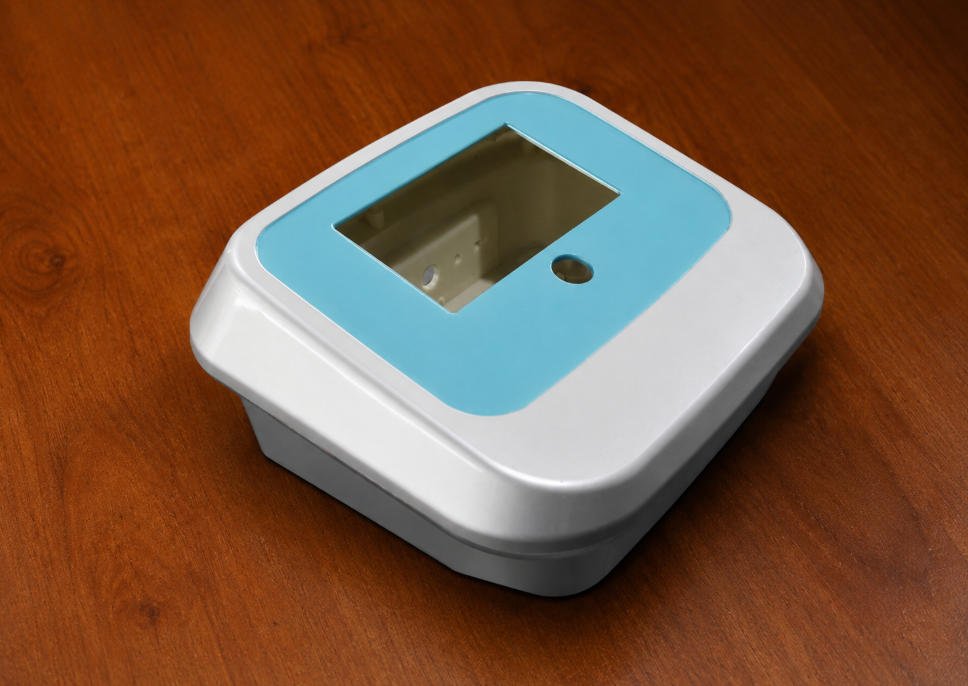
Best for functional holes and threaded assembly features.
Best for tight tolerance production and inspection control.
Choose milling or turning based on part geometry, feature orientation and tolerance requirements.
| Dimension | CNC Milling | CNC Turning |
|---|---|---|
| Part Shape | Complex geometry | Round / cylindrical parts |
| Machine Motion | Cutting tool rotates | Workpiece rotates |
| Best For | Housings, brackets and fixtures | Shafts, bushings and collars |
| Setup | Multiple orientations | Rotational setup |
| Tolerance | Precision features | Concentric features |
Need help selecting the right CNC process? Request Engineering RFQ Review →
Select CNC materials based on machinability, strength, corrosion resistance, weight, cost and finish requirements.

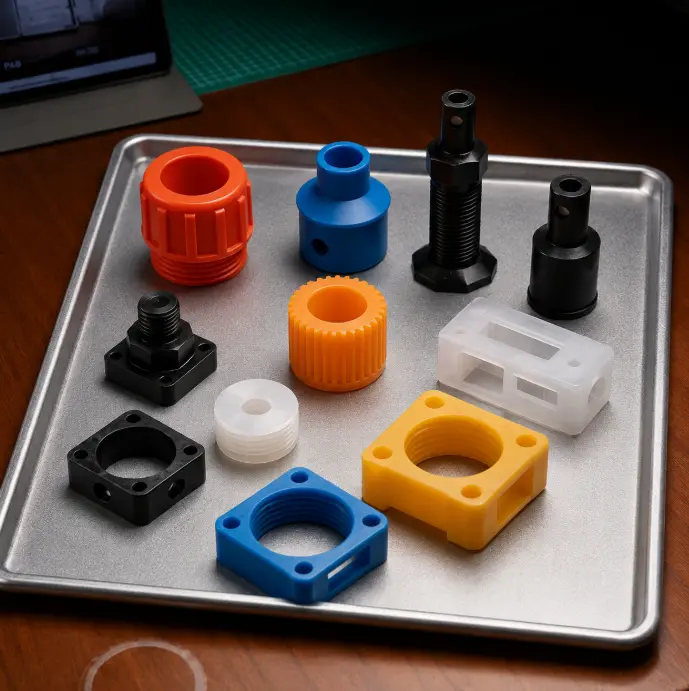
Engineering plastic components machined for precision OEM applications.
CNC tolerance capability depends on material, geometry, feature size, workholding, process stability and inspection method.
| Tolerance Level | Typical Range | Use Case | Engineering Note |
|---|---|---|---|
| Standard CNC | ±0.05 mm | General machined parts | Suitable for most non-critical dimensions. |
| Precision CNC | ±0.01 mm | Critical mating features | Requires drawing control and inspection planning. |
| Critical Features | Drawing Based | Holes, bores, sealing faces and assemblies | Reviewed by GD&T, function and measurement method. |
Surface finish selection affects corrosion resistance, appearance, wear behavior, electrical performance and final assembly requirements.
Tool marks remain visible, suitable for functional internal surfaces.
Surface Finishing →Aluminum oxide finish for corrosion resistance and surface hardness.
Anodizing →Durable organic coating for color, protection and consistent batches.
Powder Coating →Nickel, zinc and chrome coatings for functional surface performance.
Plating →Controlled roughness, burr removal and mirror finish options.
Polishing →Good CNC design reduces tool access problems, tolerance risk, machining time and unnecessary production cost.
Sharp 90° corners.
Add tool radius for cutter access.
Use walls that are too thin for stable machining.
Maintain proper thickness for material and feature size.
Create excessive depth without tool clearance.
Optimize tool access and depth-to-width ratio.
Thread to the absolute bottom of blind holes.
Allow proper thread depth and tool runout space.
CNC cost is driven by engineering choices. Early DFM review helps reduce unnecessary machining time and quality risk.
Issue: Material cost and machinability vary widely.
Solution: Review material alternatives before quoting.
Issue: Deep pockets, undercuts and tight access increase cycle time.
Solution: Simplify geometry where function allows.
Issue: Over-specified tolerances increase inspection and scrap risk.
Solution: Apply tight tolerances only to critical features.
Issue: Setup cost is spread differently across prototype and production volume.
Solution: Choose prototype, pilot or production routing.
Issue: Finishing adds process steps and handling requirements.
Solution: Define finish and masking needs early.
Need cost-focused DFM support? Engineering RFQ Review →
Choose a manufacturing process based on volume, material, tooling investment and part function.
| Process | Best Application | Material Range | Tooling |
|---|---|---|---|
| CNC Machining | Low-medium volume precision parts | Metals and plastics | No hard tooling required |
| Injection Molding | High volume plastic parts | Thermoplastics | Mold required |
| Die Casting | High volume metal housings | Aluminum and zinc alloys | Die casting tooling required |
CNC machining supports OEM programs where precision geometry, production-grade materials and inspection control are required.

Applications: housings, brackets and structural components.
Automotive CNC Applications →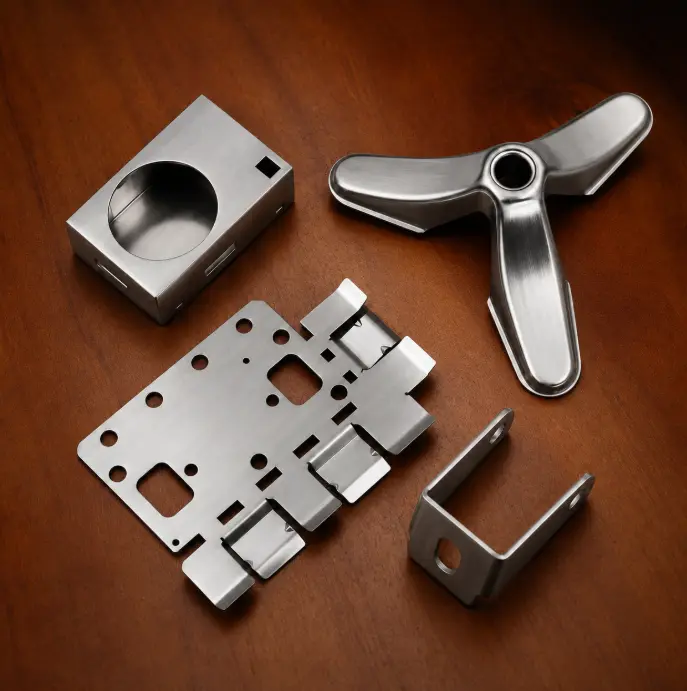
Applications: precision brackets, joints and mechanical components.
Robotics CNC Applications →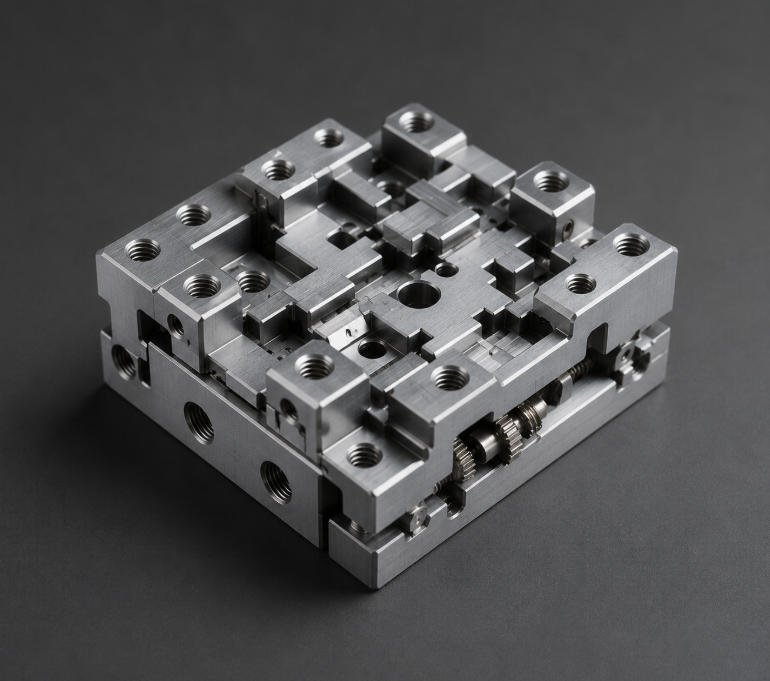
Applications: fixtures, precision frames and equipment parts.
Semiconductor CNC Applications →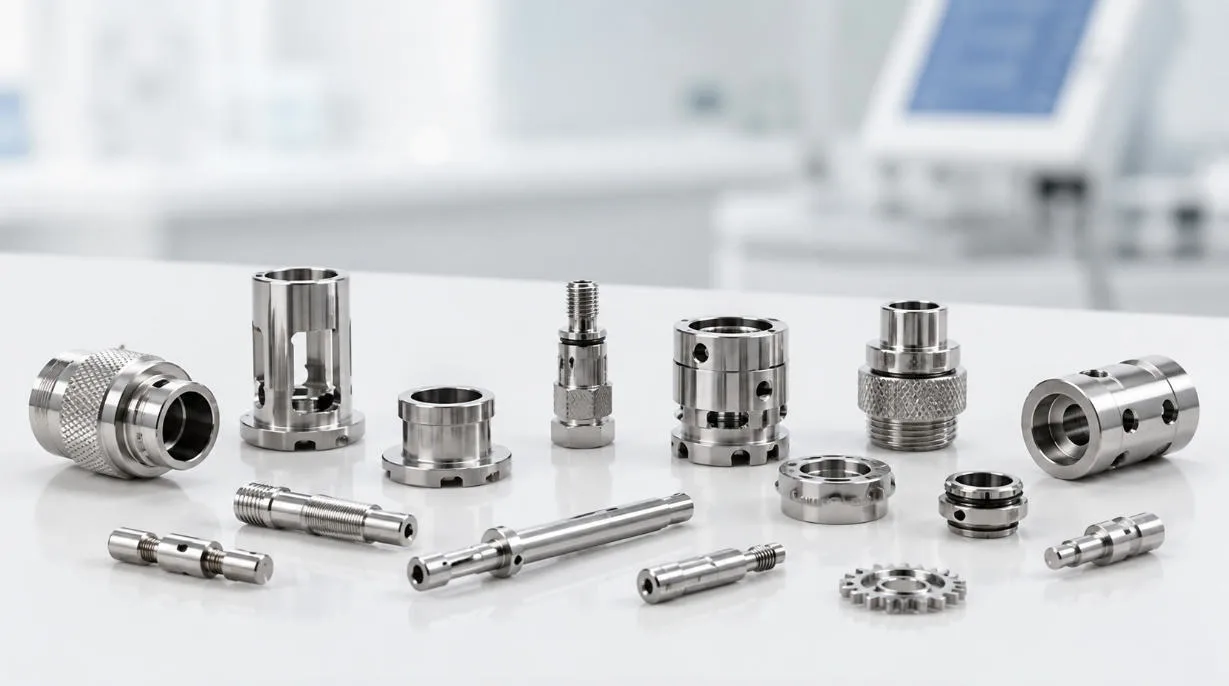
Applications: precision housings and functional components.
Medical CNC Applications →Applications: lightweight precision components.
Aerospace CNC Applications →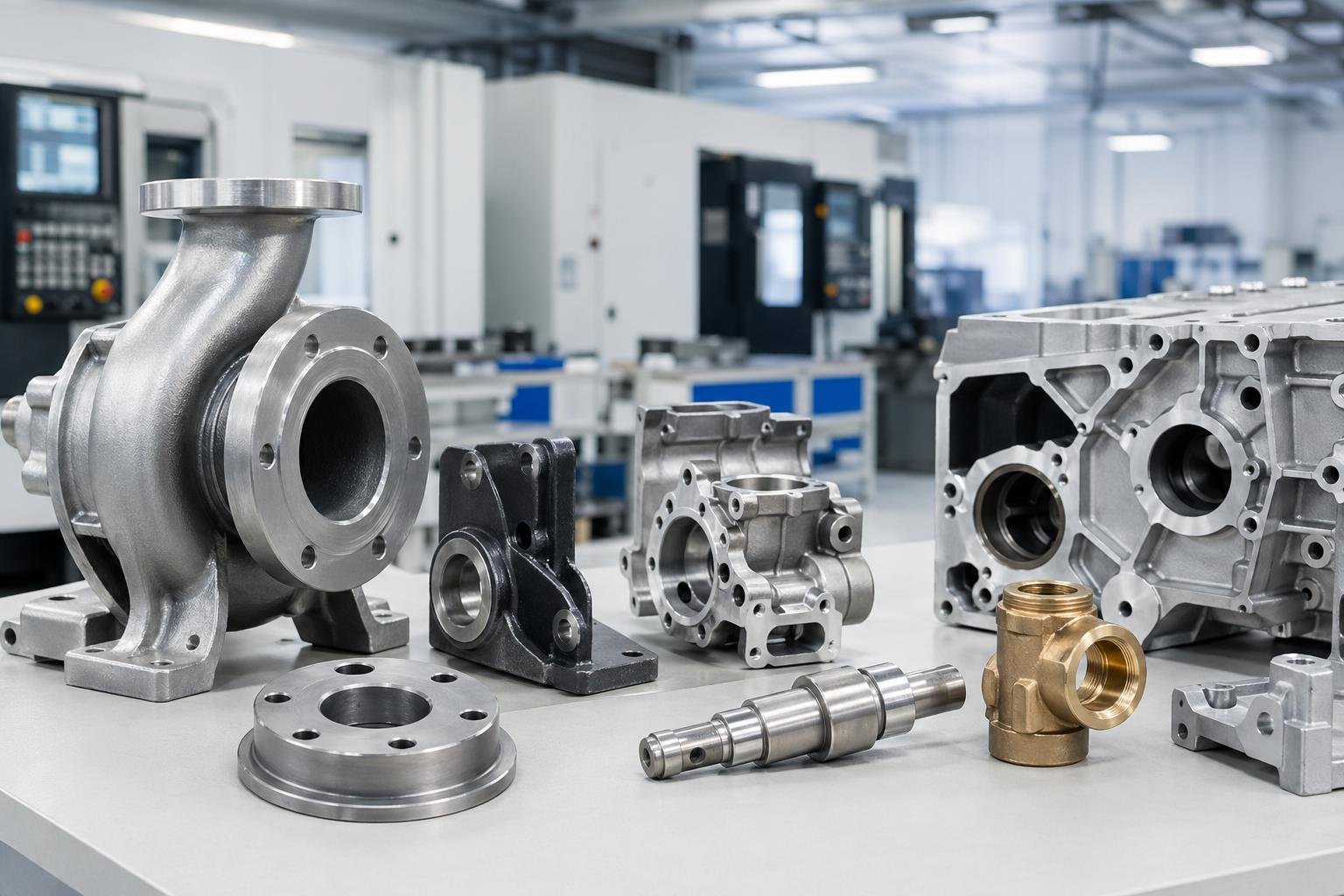
Applications: machine parts and production equipment.
Industrial CNC Applications →Dimensional verification and documentation help OEM buyers approve parts with confidence.
Coordinate measurement for critical dimensions and geometric features.
First Article Inspection before production release.
Material traceability for production and regulated applications.
Documented measurement results based on drawing requirements.
Quality Control →Precision CNC Machining →Typical CNC project routes combine machining, finishing and inspection based on part function.
Process: 5-Axis CNC + Anodizing
Process: CNC Milling
Process: CNC Turning + Finishing
Download a practical reference covering CNC design rules, tolerance planning, material selection and surface finish choices for OEM parts.
CNC machining is a subtractive manufacturing process that uses computer-controlled machine tools to remove material from metal or plastic stock and create precision OEM components.
Common materials include aluminum 6061 and 7075, stainless steel 304 and 316, carbon steel, brass, copper, titanium and engineering plastics such as POM, PEEK and nylon.
Standard CNC tolerances are commonly around ±0.05 mm. Precision CNC features may reach ±0.01 mm depending on geometry, material, process stability and inspection requirements.
CNC milling uses rotating cutting tools to machine flat surfaces, pockets, slots, holes and complex features for housings, brackets, fixtures and precision structures. Explore CNC Milling capabilities.
CNC turning rotates the workpiece while cutting tools shape cylindrical features. It is commonly used for shafts, bushings, collars, fittings and other rotational components. Explore CNC Turning capabilities.
5-axis CNC machining is recommended for complex surfaces, multi-sided parts, tight feature relationships and components that would otherwise require several setups. Explore 5-Axis CNC Machining.
CNC machining cost depends on material, part complexity, tolerance requirements, quantity, setup time, inspection needs and surface finish. Engineering RFQ Review helps reduce unnecessary machining cost.
Submit STEP or STP 3D CAD files, 2D drawings with tolerances, material, quantity, finish requirements and inspection expectations. See RFQ Checklist.
Upload CAD files, drawings, material, quantity and tolerance requirements. FSD engineers review your CNC machining project before quotation.