
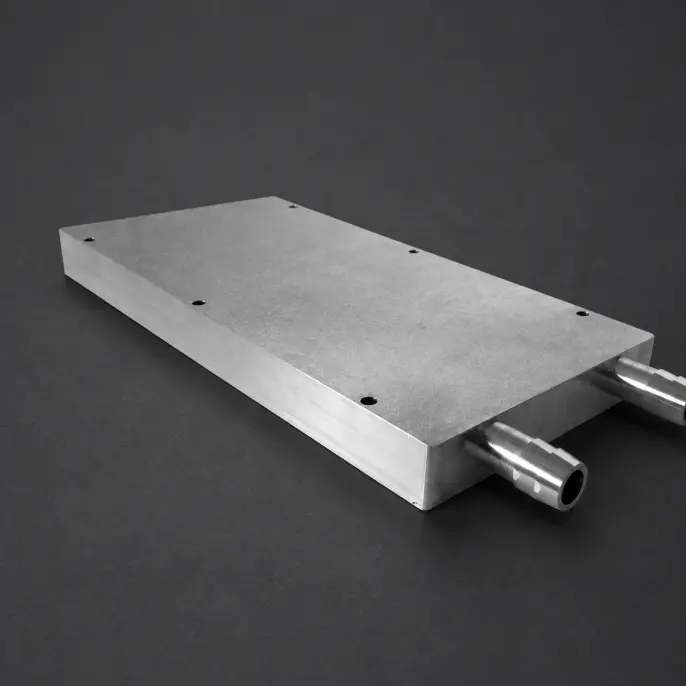
CNC Machining
Flow channels, mounting features and interface surfaces.
OEM Liquid Cooling Manufacturing
FSD Precision manufactures custom liquid cooling components including cold plates, liquid cooling plates and thermal assemblies for OEM applications requiring efficient heat transfer, reliable sealing performance and precision manufacturing.
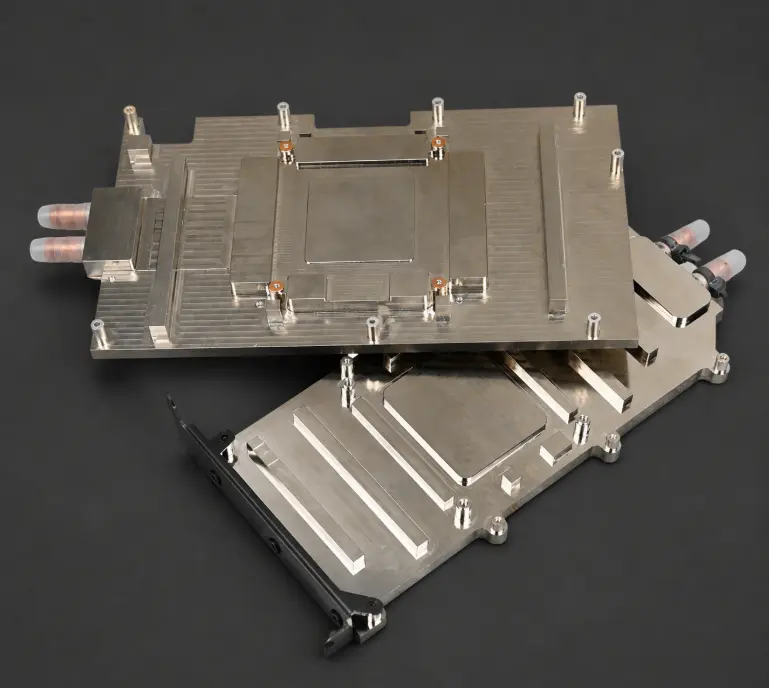
Product Overview
Liquid cooling components move heat from electronics, power modules and precision equipment into a controlled coolant flow path. These parts can also be reviewed for AI server and data center equipment where machined thermal interfaces, cooling housings and structural integration are part of the assembly. They are used in active cooling systems where air cooling or passive heat sinks cannot meet thermal requirements.
For OEM applications, cold plates and liquid cooling plates must balance coolant flow, heat transfer, channel geometry, material compatibility, interface flatness and sealing reliability.
These components can also be reviewed for new energy and energy storage systems where liquid cooling, thermal interfaces and aluminum structures are part of the equipment design.
OEM Manufacturing Partner
FSD supports OEM engineering teams with manufacturing review, precision machining, sealing risk review and production coordination.
Flow path review, material selection and manufacturing feasibility.
Complex channels, mounting features and thermal interface machining.
Joining methods, sealing structures and leakage risk review.
Prototype validation and production support.
Manufacturing Matrix
A master matrix helps OEM engineering and sourcing teams compare custom cold plates, liquid cooling plates and related thermal management components.
| Component Type | Manufacturing & Joining Process | Compatible Materials | Leak Verification | OEM Application |
|---|---|---|---|---|
| Cold Plates | CNC Machining + Cover Joining | Aluminum / Copper | Pressure Testing Review | AI Server Cooling |
| Liquid Cooling Plates | Machining + Sealing | Aluminum | Application-Based Leak Testing | Power Electronics |
| Micro Channel Cold Plates | Precision Machining | Copper / Aluminum | Reliability Testing Review | High Heat Flux Cooling |
| Thermal Manifolds | Machining + Assembly | Aluminum | Flow and Sealing Review | Cooling Distribution |
Material Compatibility
Material choice affects thermal performance, weight, corrosion control, coolant compatibility and manufacturing route.
Best For: Lightweight liquid cooling plates
Key Benefit: Balanced strength and machinability
Compatibility: Water/glycol coolant systems
Best For: High heat flux applications
Key Benefit: Superior thermal conductivity
Compatibility: High performance cooling systems
Best For: Advanced thermal systems
Key Benefit: Optimized thermal path and structure
Compatibility: Application-based corrosion review
DFM & Thermal Review
Liquid cooling manufacturability should be reviewed before quotation to reduce risk in sealing, machining and thermal interface performance.
Balance cooling efficiency and pump requirements.
Consider sealing structures, joining methods and leak prevention.
Improve thermal contact and reduce thermal resistance. Review related requirements in the Tolerance Guide →
Review material pairing and coolant compatibility.
Balance structural strength and cooling performance.
Manufacturing Process
Liquid cooling components often require precision machining, joining review, sealing planning and application-based inspection.
Flow channels, mounting features and interface surfaces.
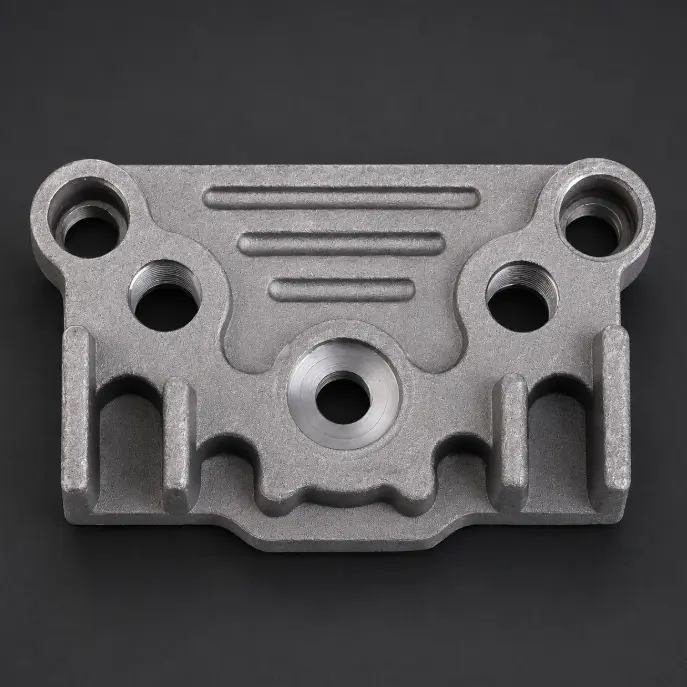
Sealing structures and assembly reliability.
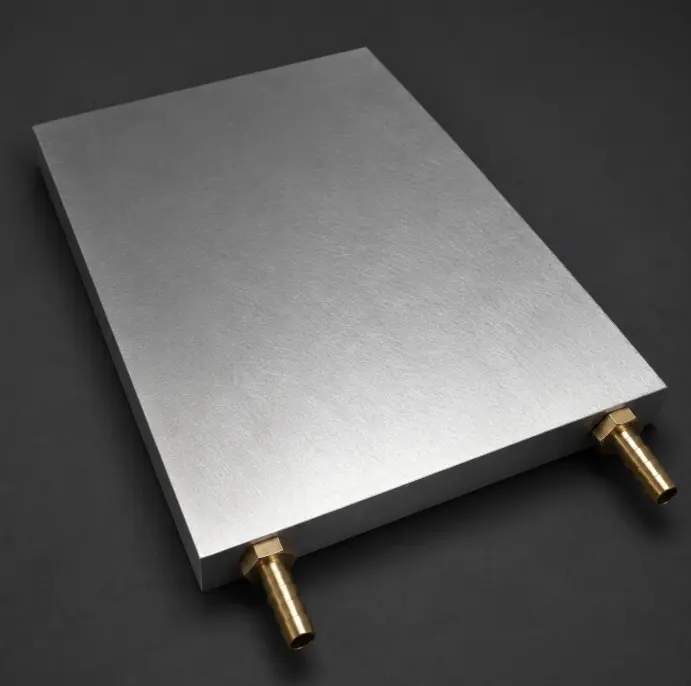
Application-based joining solutions for liquid cooling assemblies.
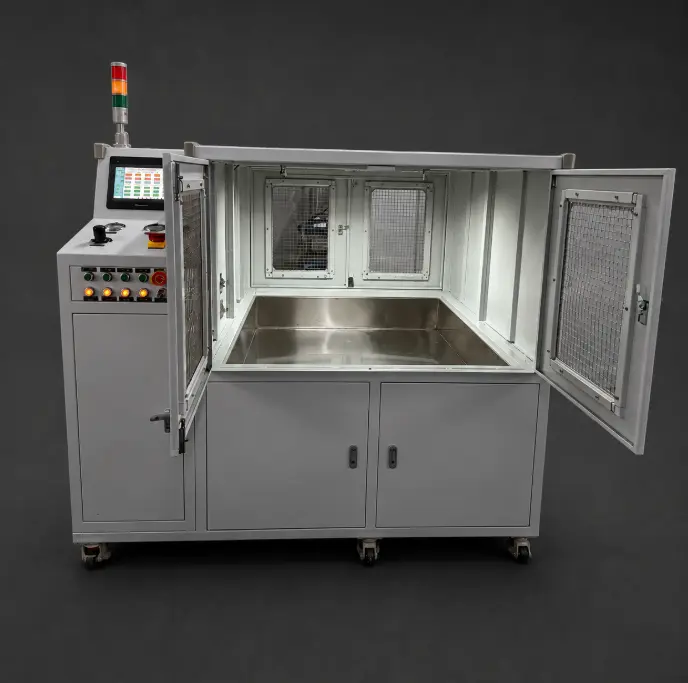
Application-based testing review.
Surface Protection
For liquid cooling components, surface finishing is not only an appearance decision. It may affect corrosion control, surface protection and coolant compatibility depending on material and operating environment.
Surface Finishing Guide →Finishing can improve durability and protect exposed aluminum surfaces.
Fluid chemistry should be considered with aluminum, copper and hybrid structures.
Material pairing and surface condition help reduce corrosion risk.
Thermal interface areas require careful finish and flatness review.
Quality Control
FSD reviews dimensional, interface and sealing requirements for application-based quality planning. Detailed inspection requirements can be defined before quotation.
Quality Control Guide →Application-based leak testing review for sealing reliability.
Review pressure requirements based on application conditions.
Control thermal contact surfaces and reduce thermal resistance.
Verify channels, mounting features and external geometry.
Manufacturing Capabilities
FSD supports OEM liquid cooling components through machining, internal channel processing, joining review and inspection planning.
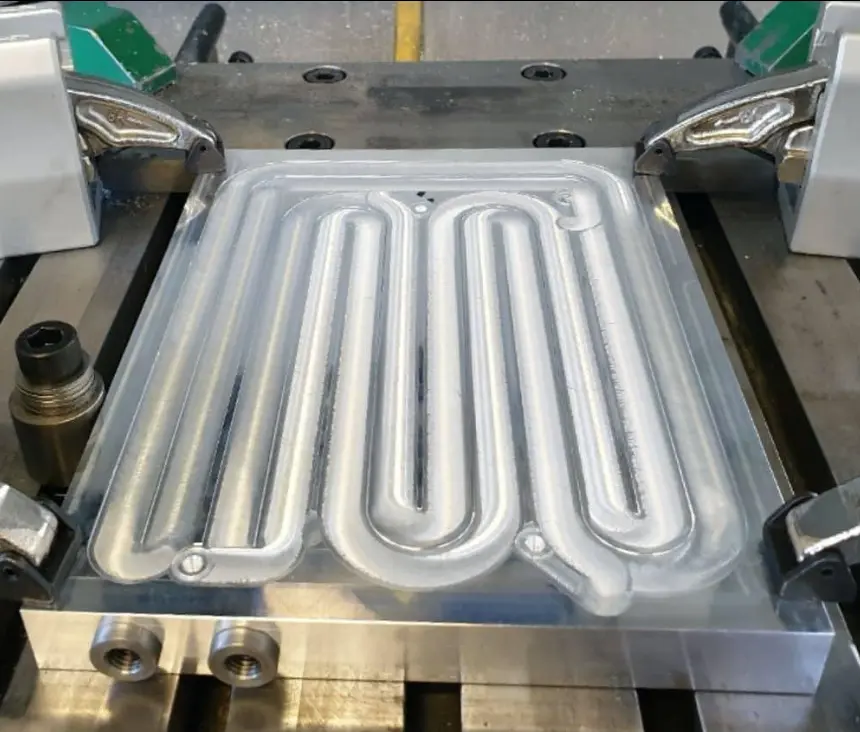
Precision machining for channels, mounting areas and interface surfaces.
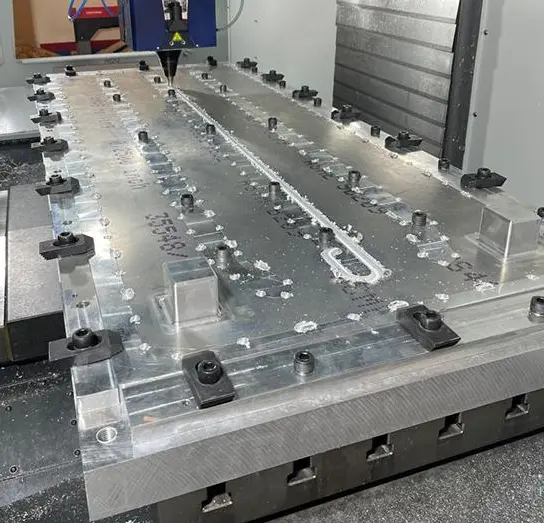
Channel geometry and cover structure review for liquid cooling components.
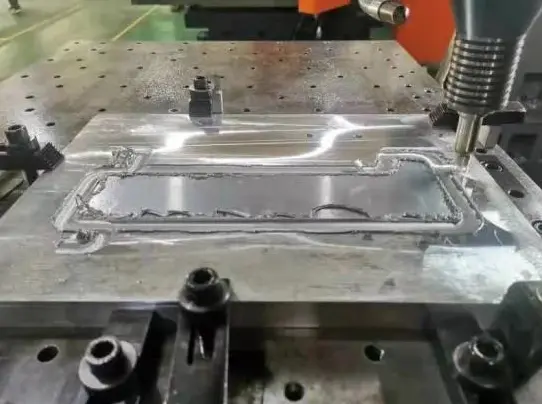
Application-based joining and sealing structure review for assemblies.
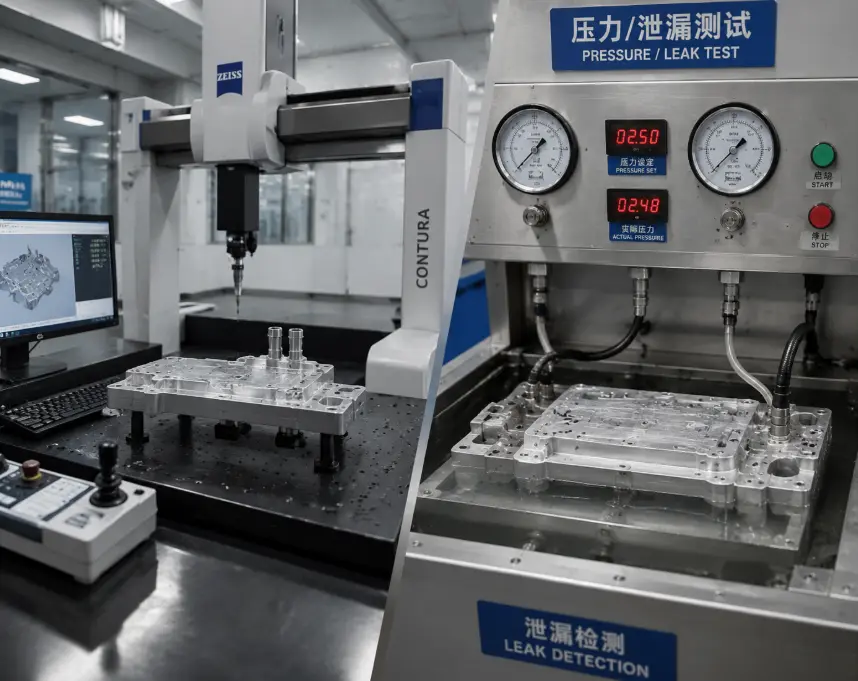
Dimensional inspection and application-based pressure or leak testing review.
OEM Project Examples
Typical project structures show how material, process and application requirements guide manufacturing review.
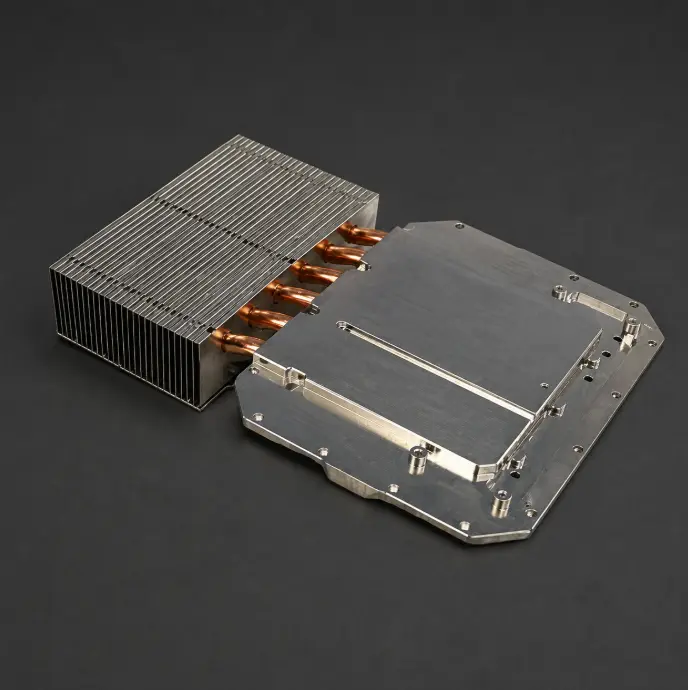
Challenge: Manage concentrated heat load with controlled interface flatness.
Solution: Precision machined cold plate reviewed for channel geometry and contact surfaces.
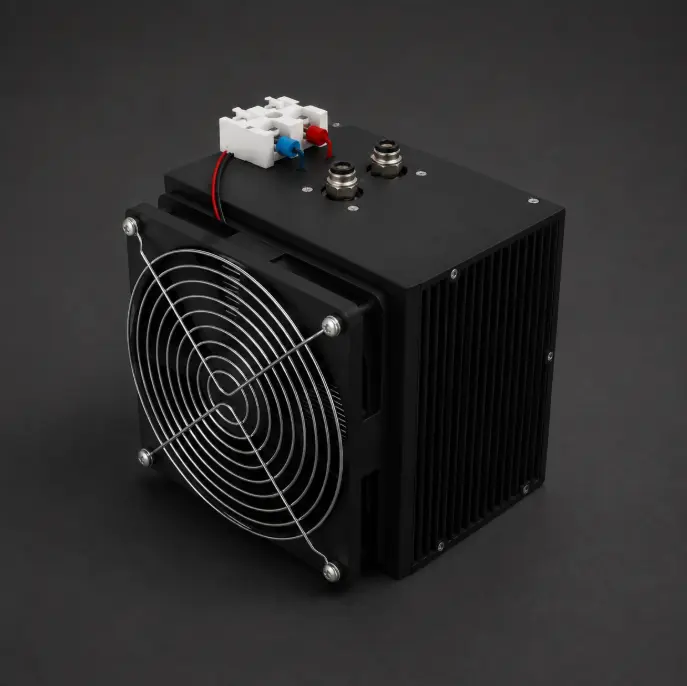
Challenge: Balance lightweight structure, coolant flow and sealing reliability.
Solution: Machined aluminum cooling plate with assembly and testing requirements reviewed before production.
Challenge: Support precision thermal management in equipment with tight interface requirements.
Solution: Hybrid material and precision manufacturing review for thermal path and mounting features.
Thermal Management Cluster
Thermal management strategy depends on heat load, available airflow, interface requirements and system reliability needs.
Passive cooling solutions using thermal conductivity, fin geometry and airflow management.
Heat Sinks & Thermal Components →Active cooling solutions using coolant flow, channel design and thermal interface control.
Applications
Custom liquid cooling components are used in OEM systems where thermal load, reliability and space constraints require active cooling.

High heat flux cooling for advanced computing systems.
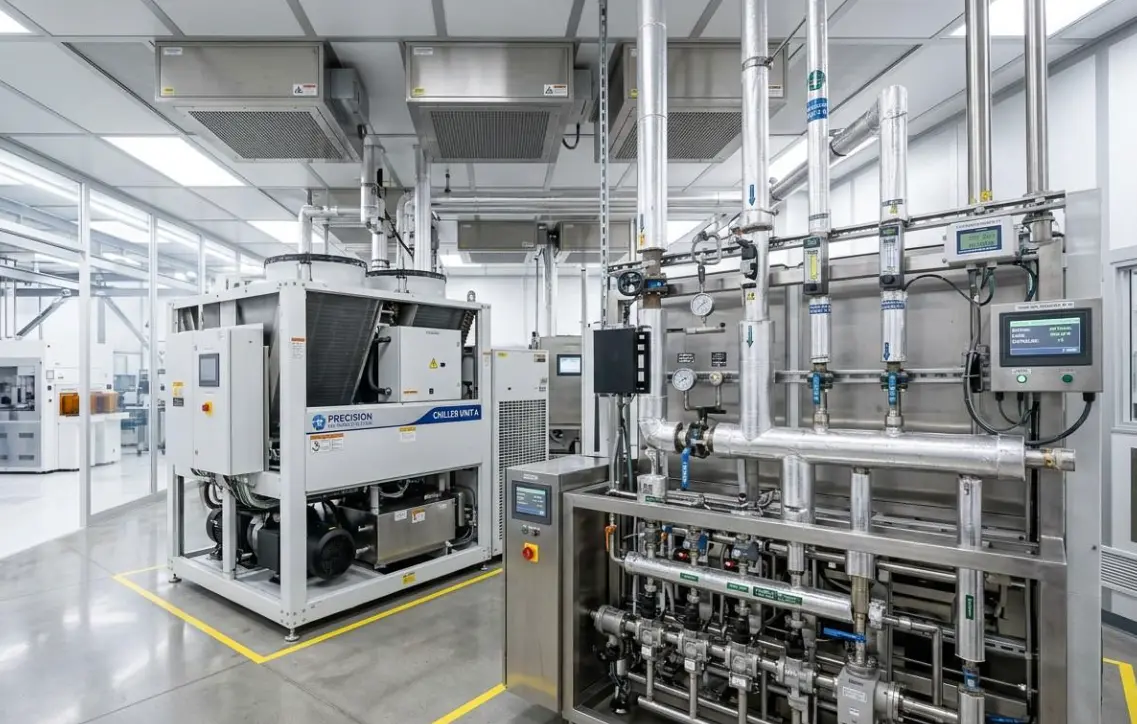
Precision temperature control for sensitive equipment.
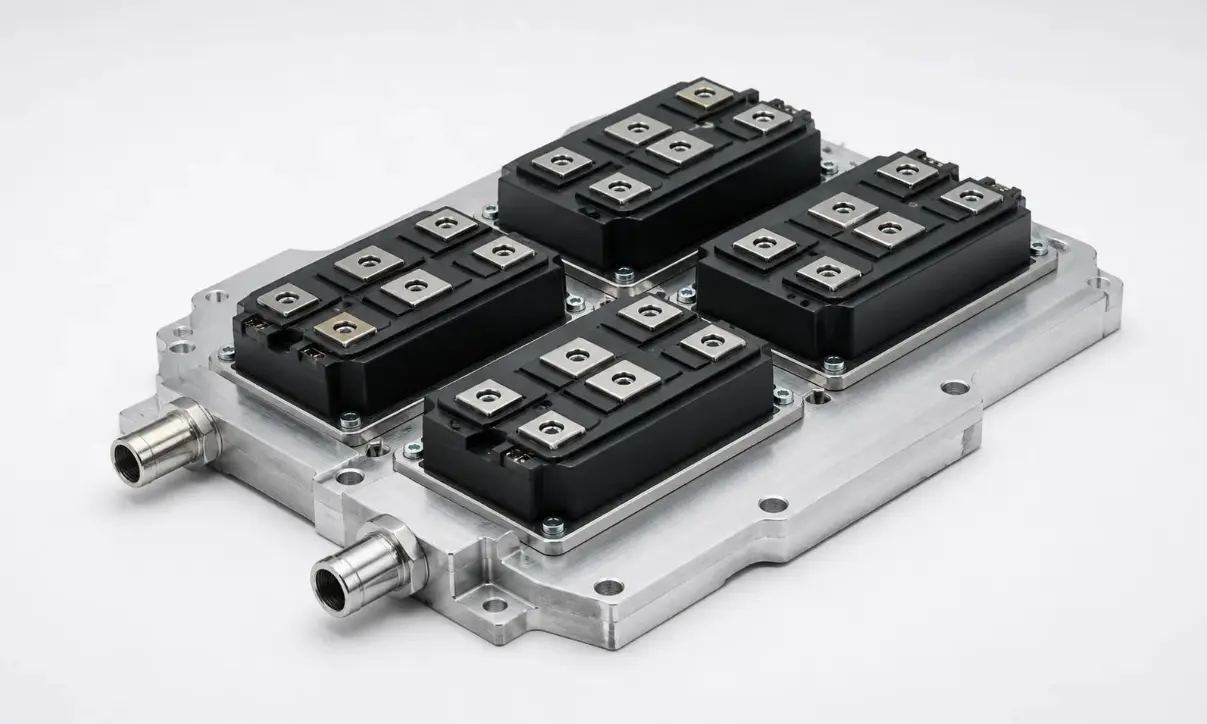
Cooling solutions for power modules and converters.
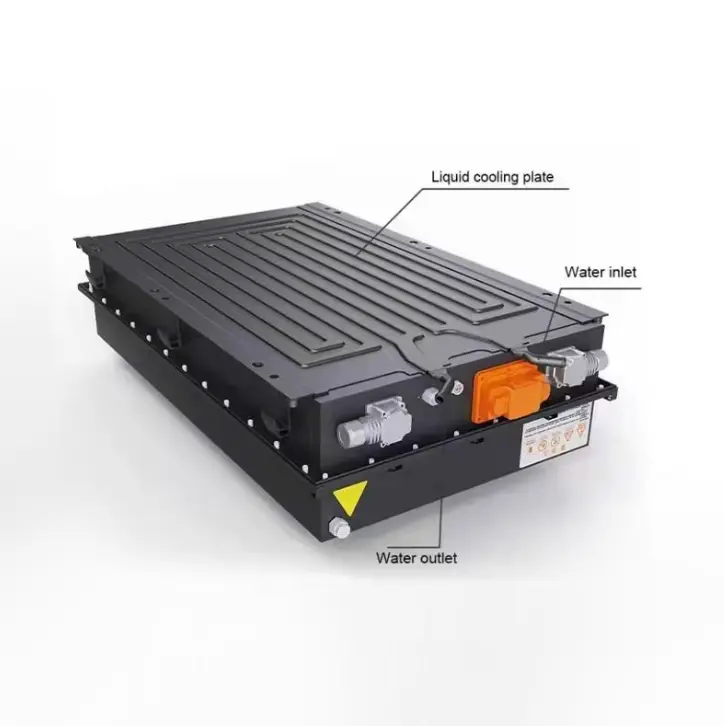
Thermal management components for vehicle electronics.
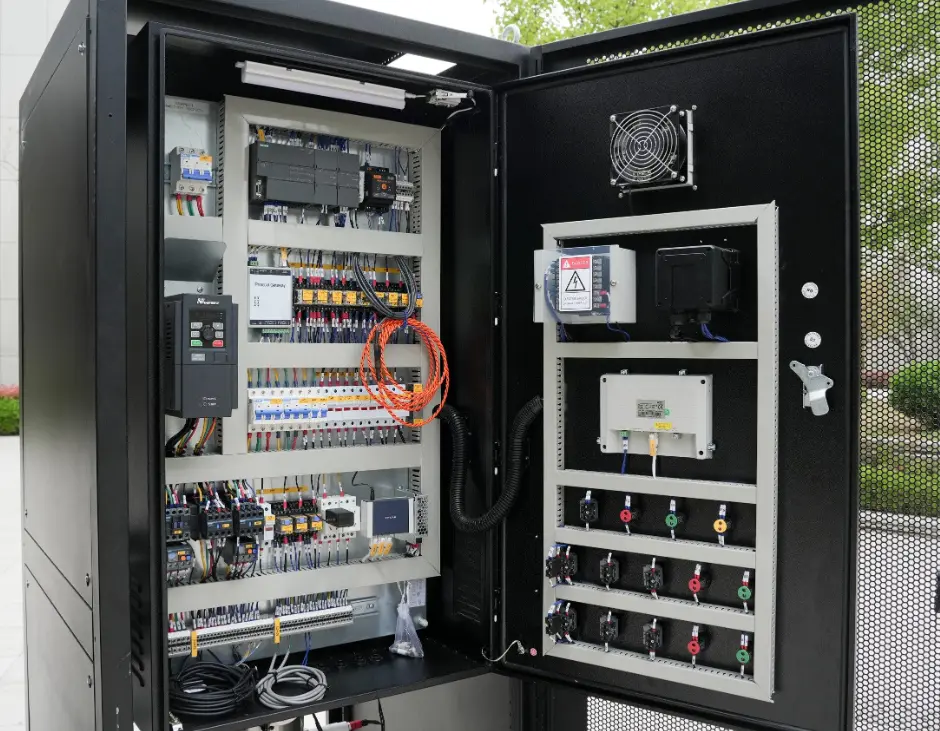
Cooling components for controllers and drive systems.
FAQ
A cold plate is a liquid cooling component that transfers heat from electronics or power devices into coolant flowing through internal channels.
Aluminum is lightweight and machinable for many OEM systems. Copper offers higher thermal conductivity for high heat flux applications. Coolant compatibility, corrosion risk and weight should also be reviewed.
Leakage prevention depends on sealing design, joining method, interface control and application-based testing requirements defined during engineering review.
Processes may include CNC machining, precision channel machining, cover joining, application-based FSW or brazing review, assembly and leak testing.
FSD supports custom cold plates, liquid cooling plates, thermal manifolds and machined thermal assemblies based on CAD drawings and application requirements.
Inspection may include dimensional checks, flatness inspection, surface review, pressure testing and leak testing when required by the project scope.
Yes. Prototype liquid cooling components can be reviewed for CNC machining, assembly planning and inspection before moving toward production.
Provide 3D CAD, 2D drawings, flow requirements, material requirements, quantity, interface flatness requirements and sealing notes for engineering review.
RFQ Preparation
Upload your CAD drawings and thermal requirements for engineering review before quotation.