
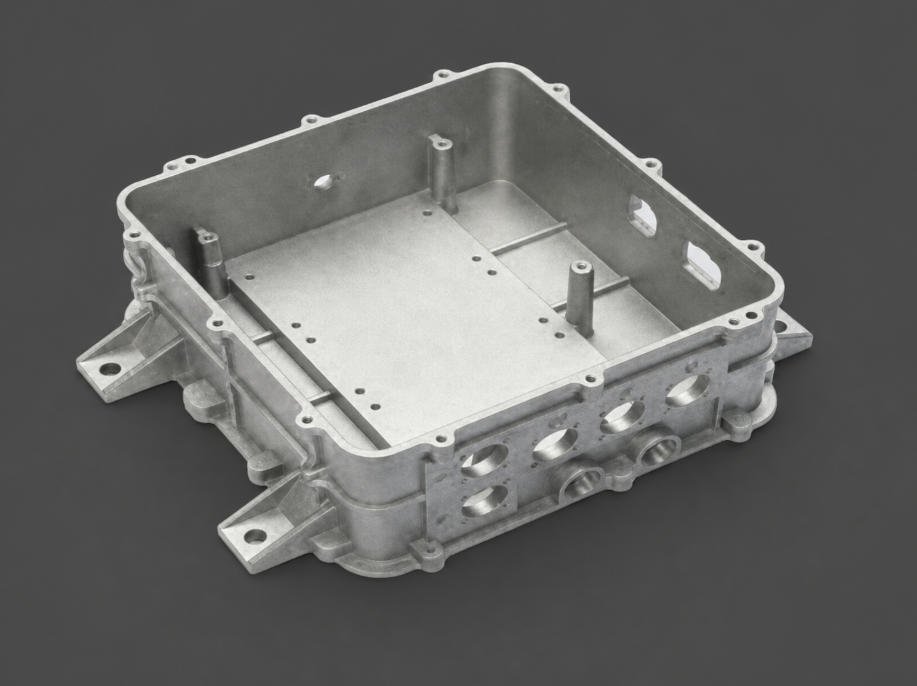
Automotive Die Casting
Lightweight housings, brackets and structural supports requiring strength and thermal resistance.
Die Casting Engineering Solutions
FSD Precision supports aluminum and zinc die casting projects from engineering review and mold development to casting, CNC post-machining, finishing, inspection and export delivery.
Direct Answer
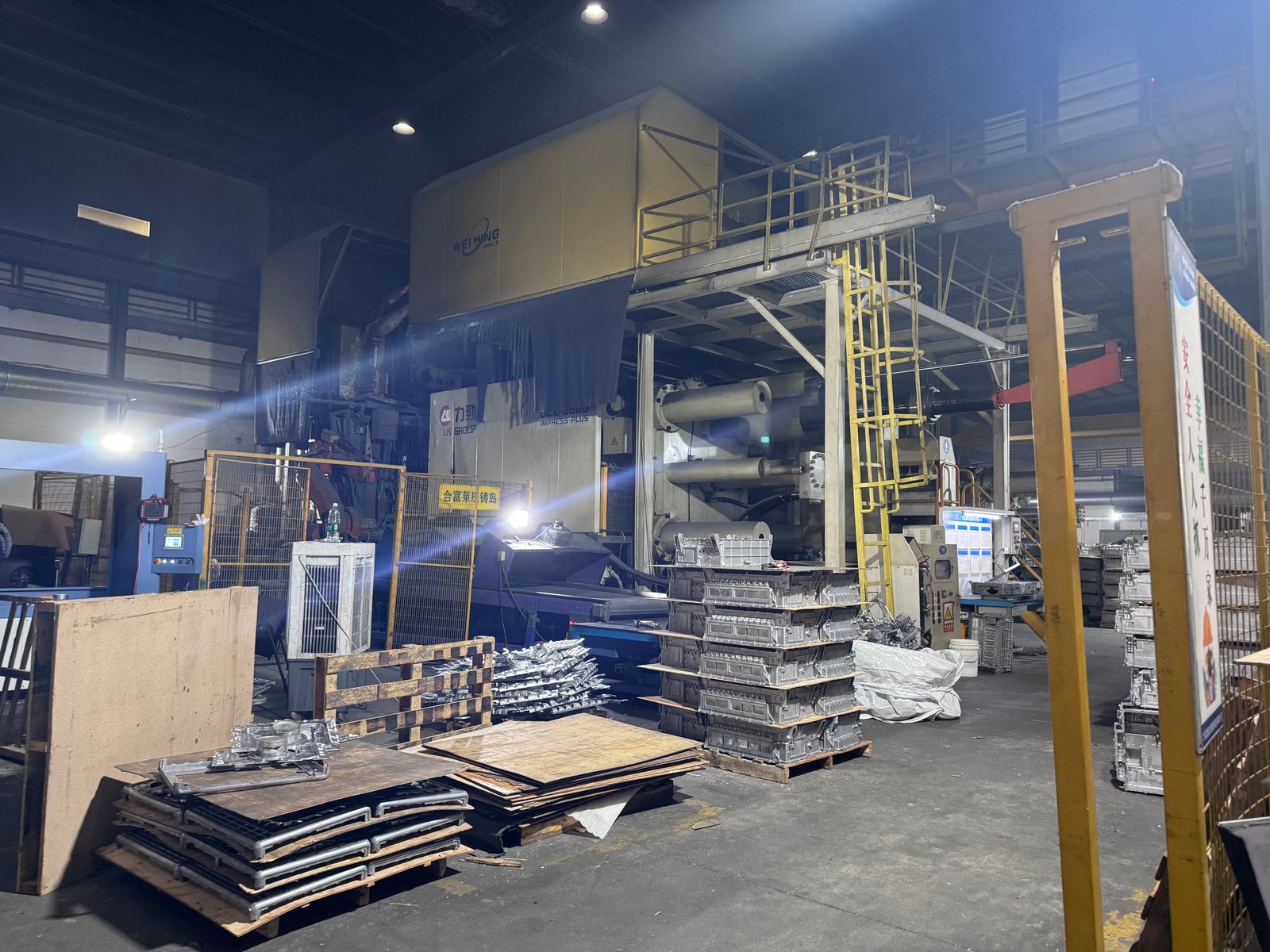
FSD Precision supports OEM die casting projects through engineering review, mold development, casting production, CNC post-machining, finishing, inspection and export delivery.
Mold-flow analysis, mold design, CNC mold machining, EDM, trial and modification support.
Cold-chamber die casting capacity from 280 to 3,500 tons for aluminum and selected magnesium alloy projects.
CNC post-machining, surface finishing, leak testing, dimensional inspection, assembly and export packaging.
Manufacturing Capabilities
FSD Precision supports OEM die casting projects through coordinated tooling, cold-chamber die casting, CNC post-machining, surface finishing and inspection.
Our engineering team reviews drawings, alloy requirements, tooling risks and secondary operations before quotation, helping customers move from development validation to production delivery.
Capability Snapshot
A concise engineering view of FSD die casting support before quotation and tooling investment.
| Materials | Aluminum / Zinc / Selected Magnesium |
|---|---|
| Equipment | 280-3500T Die Casting Machines |
| Tooling | Mold Design / Flow Analysis / Trial |
| CNC Support | Milling / Drilling / Tapping / Critical Machining |
| Inspection | CMM / X-Ray / Leak Testing |
| Finishing | Painting / Powder Coating / Plating |
| Tolerance | Confirmed after engineering review |
| Volume & Lead Time | Confirmed after drawing, tooling and production review |
Applications
Die casting is used to manufacture structural and functional metal components that require dimensional stability, strength and repeatability.
Aluminum die casting can support suitable EV charging and power electronics components such as housings, enclosures and structural parts requiring downstream machining.
Aluminum die casting is also used for suitable new energy and energy storage components, including power-electronics housings and structural enclosures.
Lightweight housings, brackets and structural supports requiring strength and thermal resistance.
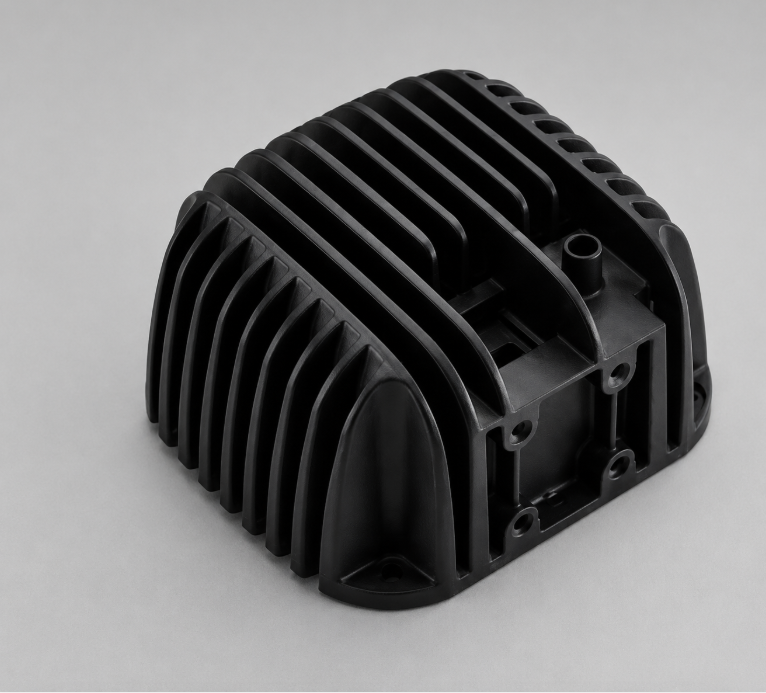
Thermal components for electronics, power systems and equipment requiring stable heat transfer.
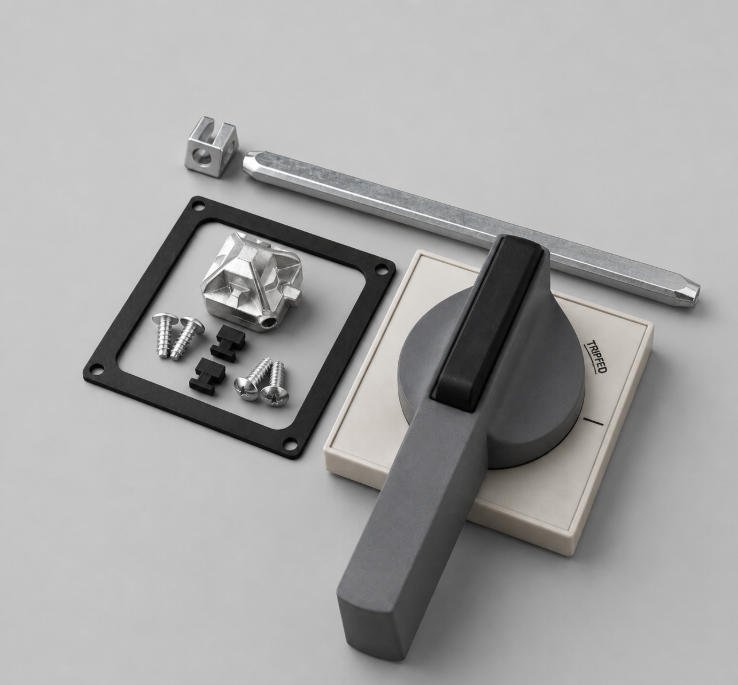
Precision brackets, equipment housings and load-bearing structural parts for repeat production.
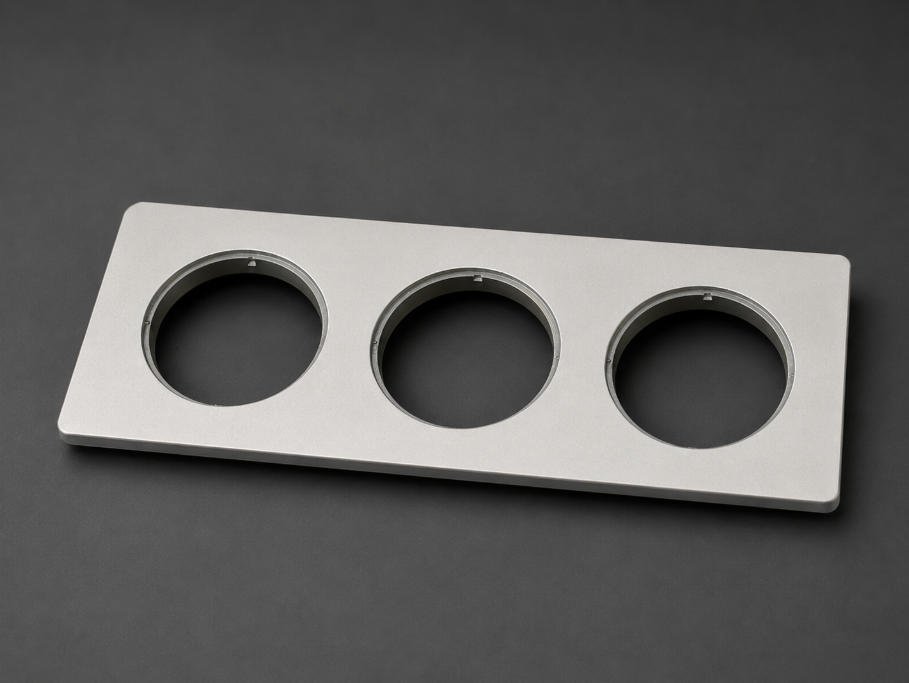
Protective housings, connector parts and internal frames for compact electronic devices.
Material Options
Material choice affects part weight, detail level, thermal performance, finishing route and production stability.
| Material | Best For | Key Benefit |
|---|---|---|
| Aluminum | Housings, motor parts, heat sinks and structural components | Lightweight structure and good thermal performance |
| Zinc | Connectors, locks, precision hardware and small detailed components | Excellent fine-detail capability and stable production |
| Selected Magnesium | Lightweight housings and structures after project evaluation | Very low weight for selected projects |
| ADC12 / A380 | Aluminum die casting projects requiring castability or structural stability | Common alloy options reviewed by geometry and application |
Design Review
Early design review helps control filling risk, mold release, machining allowance and final part reliability.
Issue: Shrinkage / Filling Issue
Solution: Uniform Wall Design
Issue: Difficult Mold Release
Solution: Optimize Draft Direction
Issue: Weight Increase / Flow Issue
Solution: Balanced Feature Design
Issue: Critical Feature Accuracy
Solution: Reserve CNC Machining Area
Process Flow
A clear manufacturing path helps reduce tooling risk and connect casting with finished-part delivery.
Tooling & Equipment
Tooling development is reviewed as a production stability issue, not only a mold purchase item.
| Current Die Casting Range | 280-3500T cold-chamber equipment |
|---|---|
| CNC Mold Machining | Imported Mikron machining centers / 12 |
| Wire EDM | Imported Charmilles / 8 and Sodick / 8 |
| EDM | Charmilles / Sodick EDM machines / 20 |
| CNC Capacity | 120 CNC machines plus friction stir welding support |
| Inspection | CMM, X-Ray, spectrometer, hardness, salt spray and RoHS testing |
Post Processing
Finished die cast parts often require CNC machining, surface finishing, inspection and assembly planning.
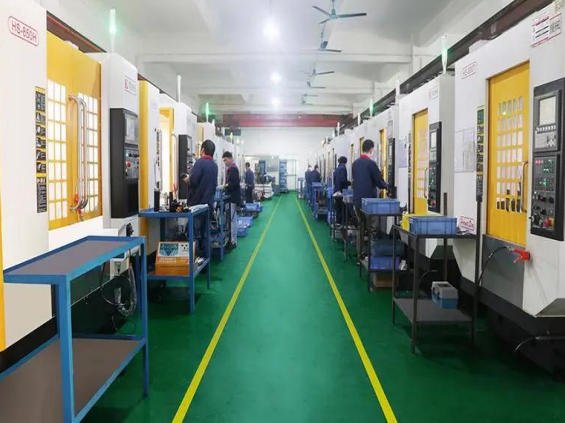
Critical features are machined after casting when the application requires controlled interfaces.
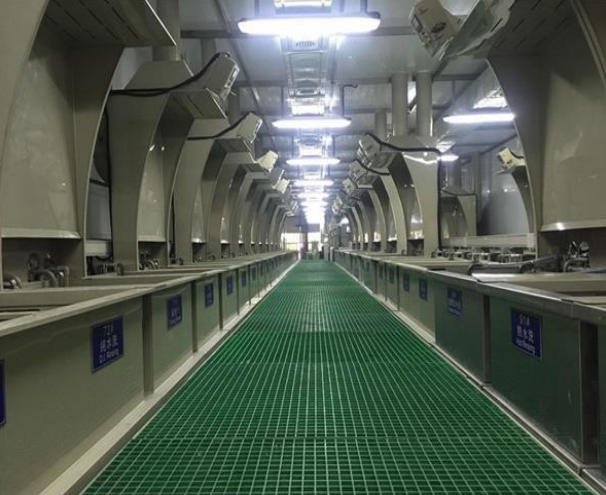
Finishing routes are reviewed according to alloy, appearance, corrosion protection and assembly needs.
Quality Control
Quality control is planned around casting risk, machining requirements, surface requirements and final documentation needs.
| Dimensional Inspection | 2.5D measuring systems and dimensional inspection report support |
|---|---|
| CMM Support | Hexagon CLASSIC coordinate measuring machines / 3 |
| X-Ray / Porosity Review | UNC-1895 X-Ray inspection system / 1 |
| Material Verification | OES8000S spectrometer and specific gravity balance support |
| Final Quality Documentation | Inspection and test reports available according to project requirements |
Decision Guide
Use this comparison to decide whether the project should move toward tooling and casting or remain CNC-machined.
| Factor | Die Casting | CNC Machining |
|---|---|---|
| Volume | Medium to high volume production | Prototype and low-volume production |
| Tooling Cost | Requires mold investment | No casting mold required |
| Unit Cost | Lower unit cost at production volume | Higher unit cost for high volume |
| Geometry | Complex near-net metal geometry | Machined geometry from stock material |
| Precision | Critical features often CNC post-machined | Suitable for tight tolerance features |
| Secondary Machining | Used for threads, sealing surfaces and datum features | Main manufacturing method |
| Best Use Case | Repeat OEM metal parts with integrated features | Early validation, simple geometry or precision-dominant parts |
Why FSD
DFM and mold-flow review before tooling investment.
Tooling, casting, CNC machining, finishing and assembly support.
CMM, X-Ray, material testing and project-specific reports.
Packaging inspection, export packaging and shipment support.
FAQ
Alloy choice depends on weight, geometry, detail level, strength, finishing requirements and volume. FSD reviews aluminum, zinc and selected magnesium alloy projects before quotation.
Aluminum is often selected for lightweight housings, heat sinks and structural parts. Zinc is often selected for smaller precision components requiring fine details and stable production.
Yes. CNC post-machining can support threads, mounting holes, bearing seats, sealing surfaces, datum features and other critical areas after casting.
Porosity risk is reviewed through DFM, mold-flow analysis, gate and overflow planning, trial validation and inspection planning such as X-Ray inspection when required.
FSD supports mold-flow analysis, mold design, CNC mold machining, EDM, wire EDM, mold assembly, trial casting, mold modification and mold maintenance.
Finishing can include powder coating, painting, robotic spraying, arc spraying, cleaning, passivation, polishing, grinding and screen printing depending on alloy and application.
Please provide 2D drawings, 3D CAD files, preferred alloy, quantity, tolerance, surface finish, application, pressure-tightness and special inspection requirements.
Upload drawings and project requirements. FSD will review geometry, alloy, process feasibility, tooling needs, CNC features, finishing and inspection before quotation.
Engineering Review Before Quotation
Send drawings, alloy requirements and project details. Our engineering team will review manufacturability, tooling feasibility, CNC post-machining, finishing and inspection requirements before quotation.
Submit casting designs for engineering evaluation before tooling and production decisions.
Engineering RFQ Review