
Tooling Development
Custom tooling developed around part geometry, alloy and production needs.
CUSTOM METAL COMPONENTS
Custom die cast components manufactured from customer drawings, 3D models and application requirements. FSD Precision supports tooling, aluminum and zinc die casting, CNC machining, surface finishing, inspection and assembly for prototype validation and repeat production programs.
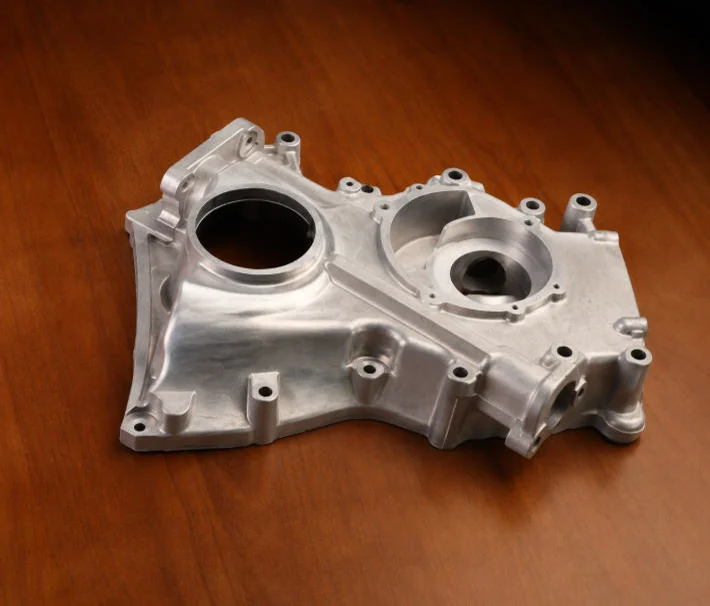
CAPABILITIES
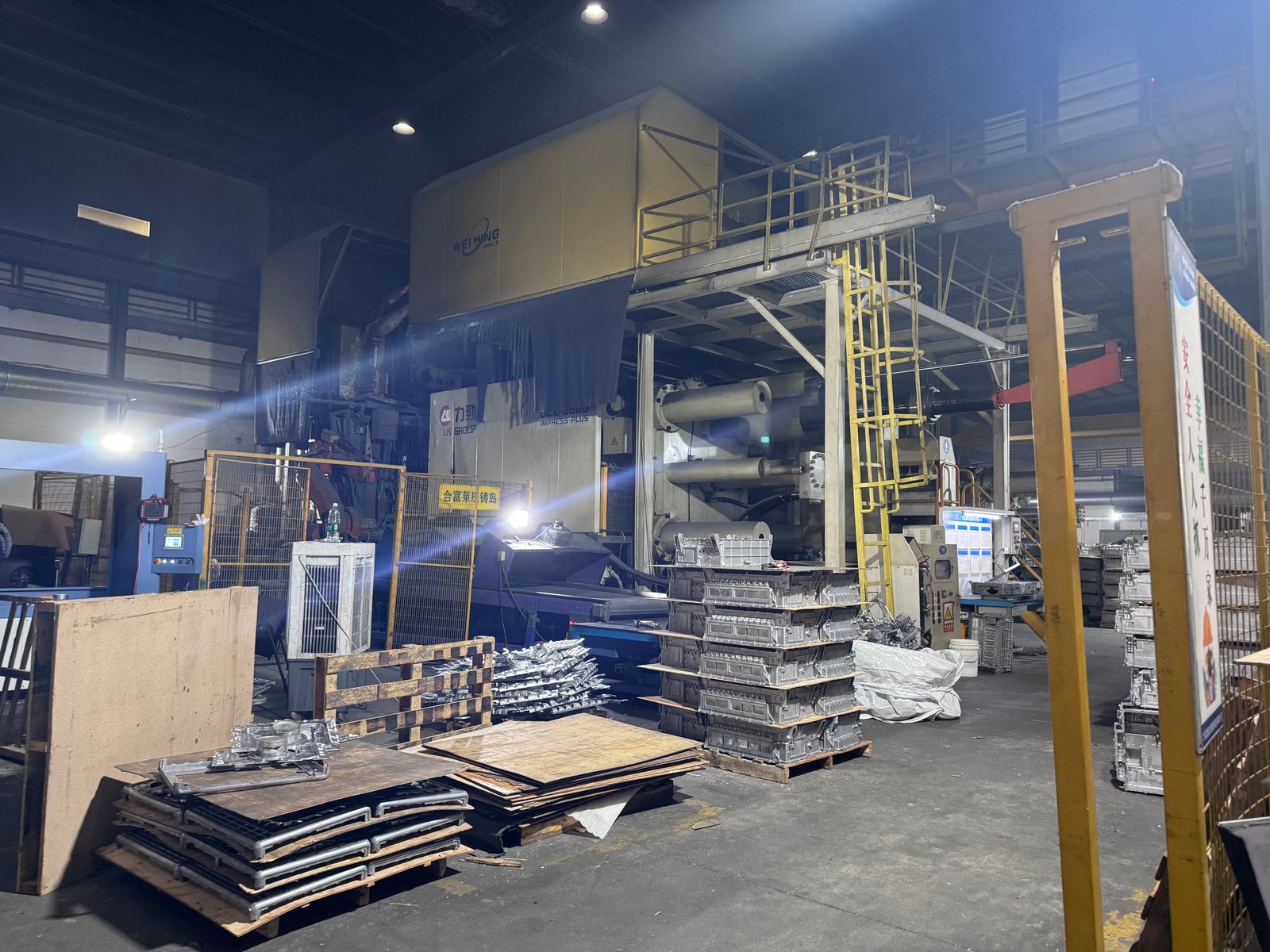
Custom tooling developed around part geometry, alloy and production needs.
Complex aluminum and zinc components for repeat manufacturing programs.
Critical holes, threads, sealing surfaces and interfaces machined after casting.
Deburring, blasting, coating and polishing according to project needs.
| Capability | Details |
|---|---|
| Casting Process | High-Pressure Die Casting for Aluminum and Zinc Components |
| Tooling | Custom die casting tooling based on project requirements |
| Materials | Aluminum Alloys / Zinc Alloys |
| Production | Prototype Validation / Low-Volume / Repeat Production |
| Secondary Machining | Milling / Drilling / Tapping / Boring / Thread Machining |
| Finishing | Blasting / Powder Coating / Painting / Polishing |
| Inspection | Dimensional / Machined Feature / Appearance / Assembly Verification |
Final die casting capability depends on alloy, part geometry, wall thickness, tooling design, machining requirements and production volume.
PRODUCT TYPES
From electronic housings and motor components to thermal and structural parts, FSD manufactures custom die cast components according to customer drawings, alloy requirements, machining features and finishing specifications.
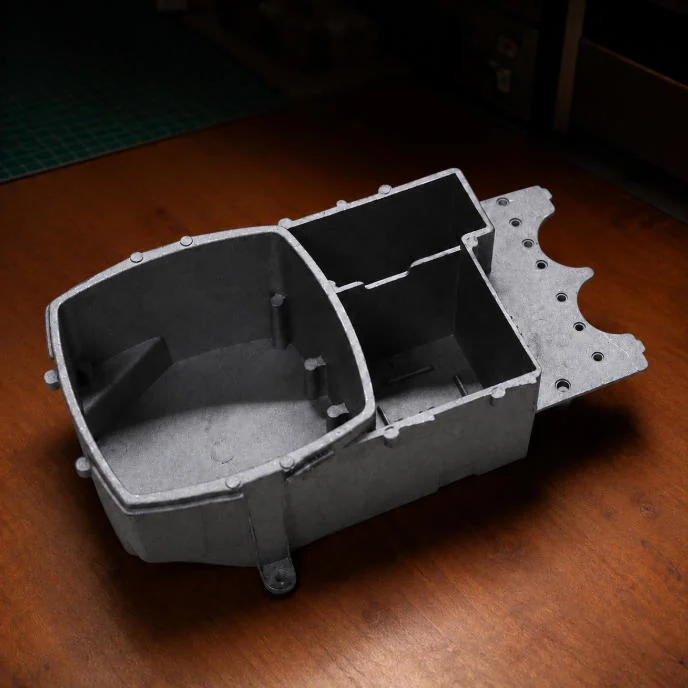
Aluminum die cast housings for electronics, communication systems and control equipment.
View Details →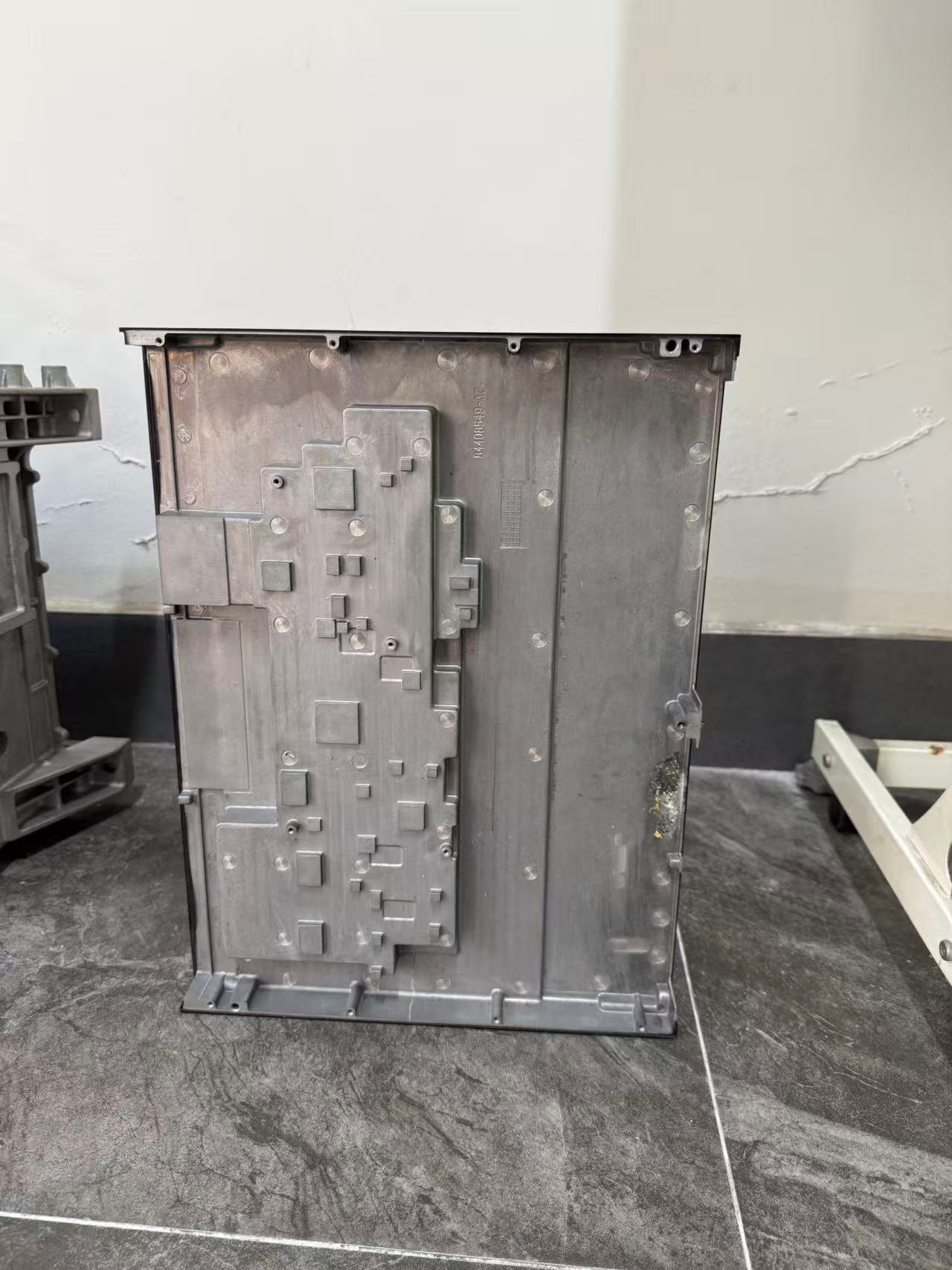
Die cast housings for motors, actuators, pumps and mechanical systems.
View Details →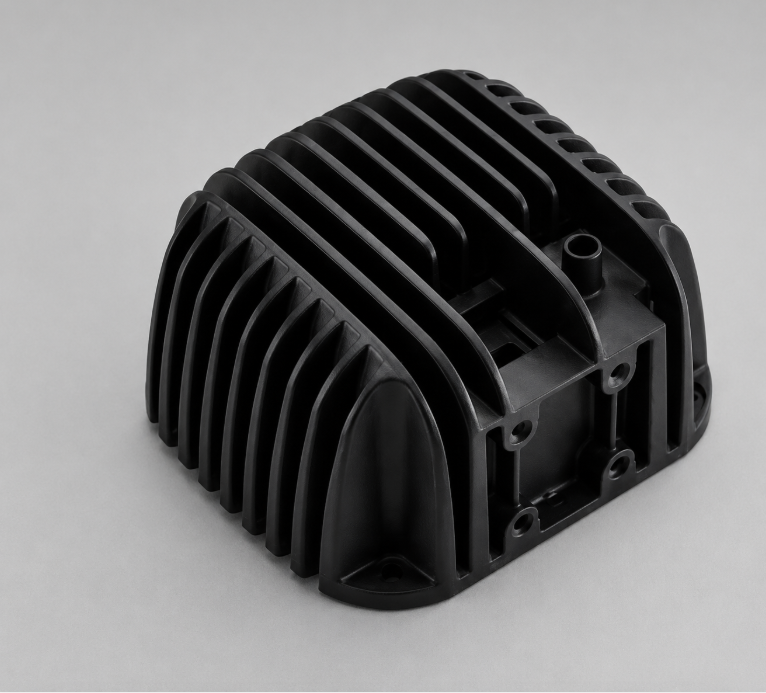
Die cast thermal housings with integrated fins and structural features.
View Details →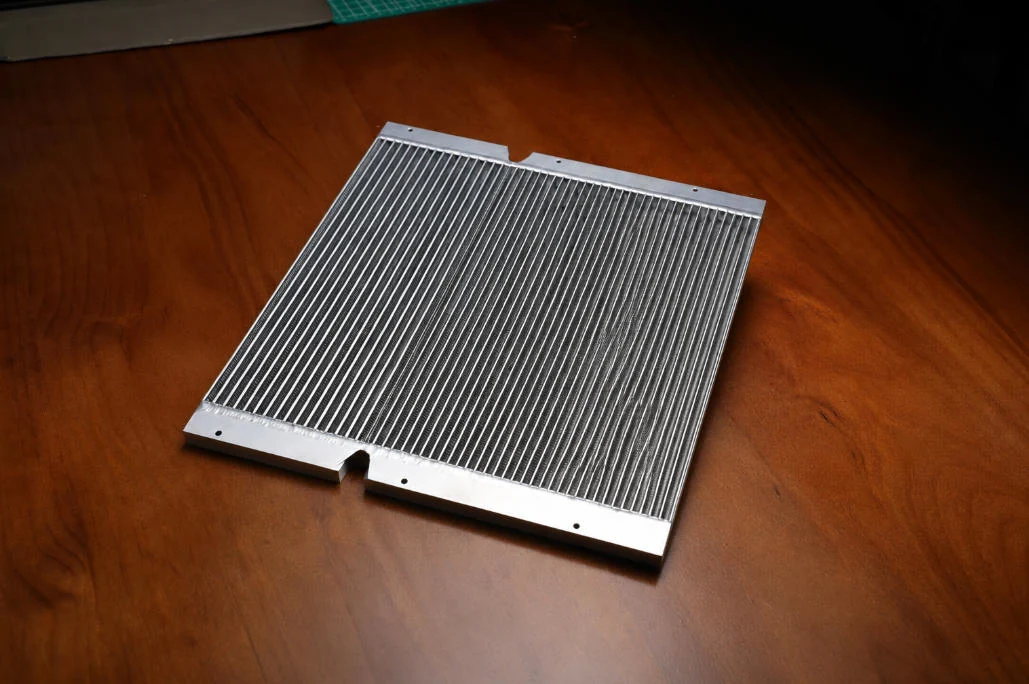
Complex brackets, frames and structural components with ribs, bosses and mounting features.
Discuss This Part →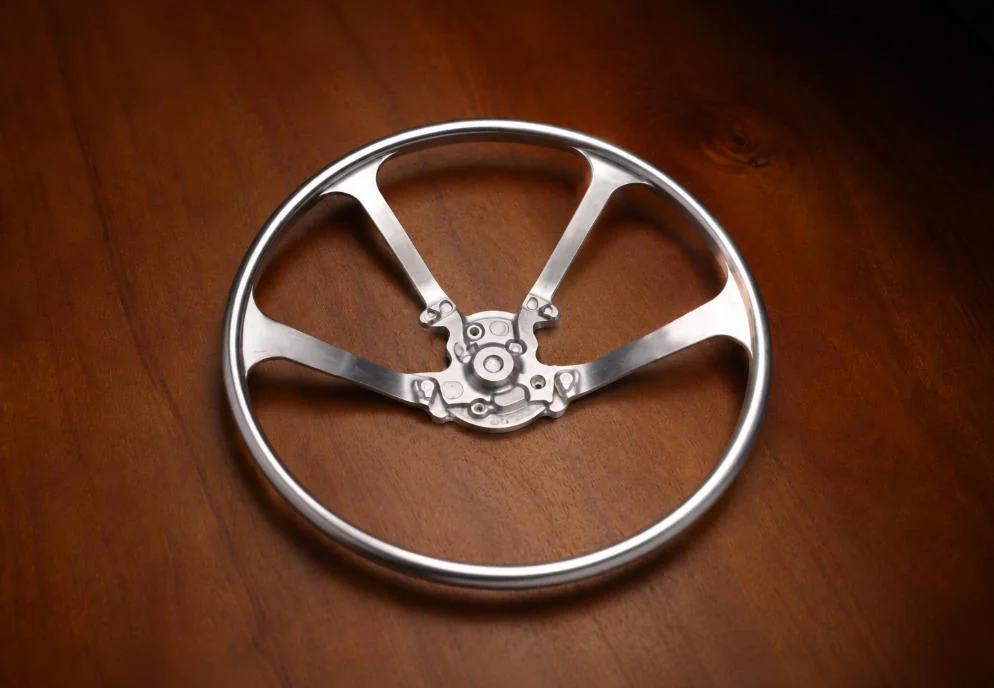
Custom die cast parts for automotive electronics, structural systems and EV-related assemblies.
Discuss This Part →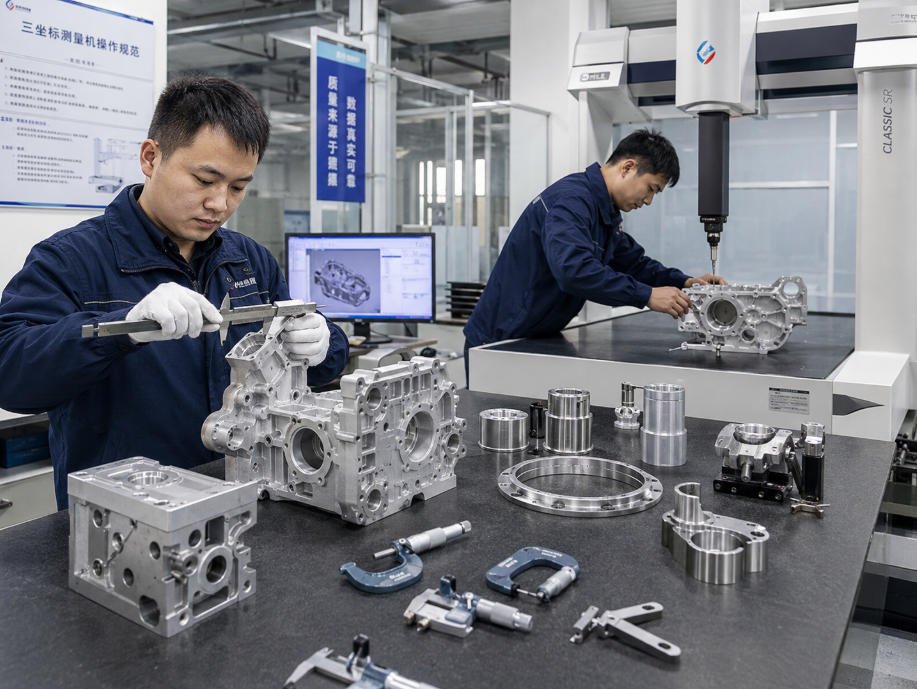
Drawing-based aluminum and zinc die cast components for customer-specific applications.
Discuss This Part →MATERIALS
| Material Group | Typical Use |
|---|---|
| Aluminum Die Casting Alloys | Project-approved aluminum die casting alloys selected according to strength, weight, thermal, corrosion and finishing requirements. |
| Zinc Die Casting Alloys | Zinc alloys can be used for compact parts requiring dimensional stability, detailed features and good surface quality. |
Material selection is reviewed according to mechanical requirements, geometry, wall thickness, finishing needs and final application conditions. Specific aluminum and zinc alloy grades require project confirmation.
SECONDARY MACHINING
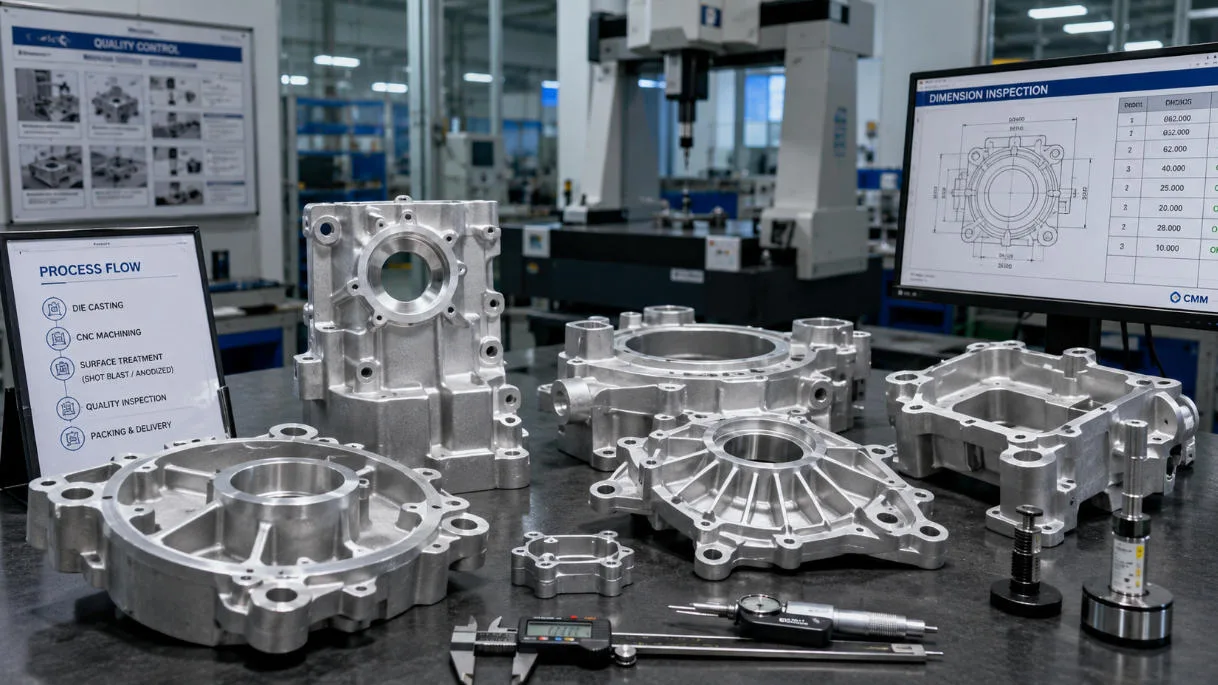
Precision machining for mounting surfaces, sealing faces and assembly interfaces.
Drilling, tapping, boring and threaded features after casting.
Secondary machining of critical features according to customer drawings.
Die casting, CNC machining, finishing and inspection coordinated within one manufacturing workflow.
SURFACE FINISHING
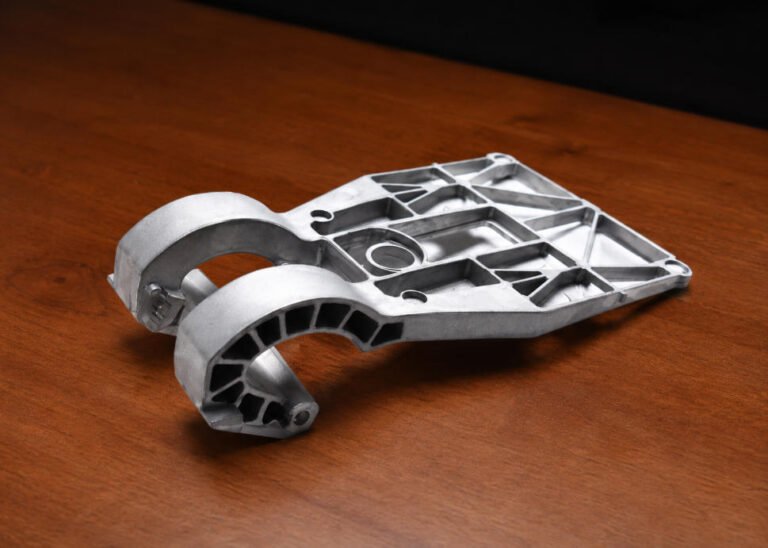
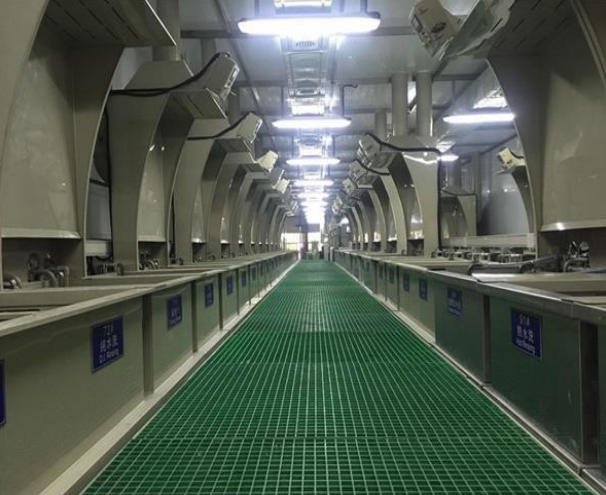
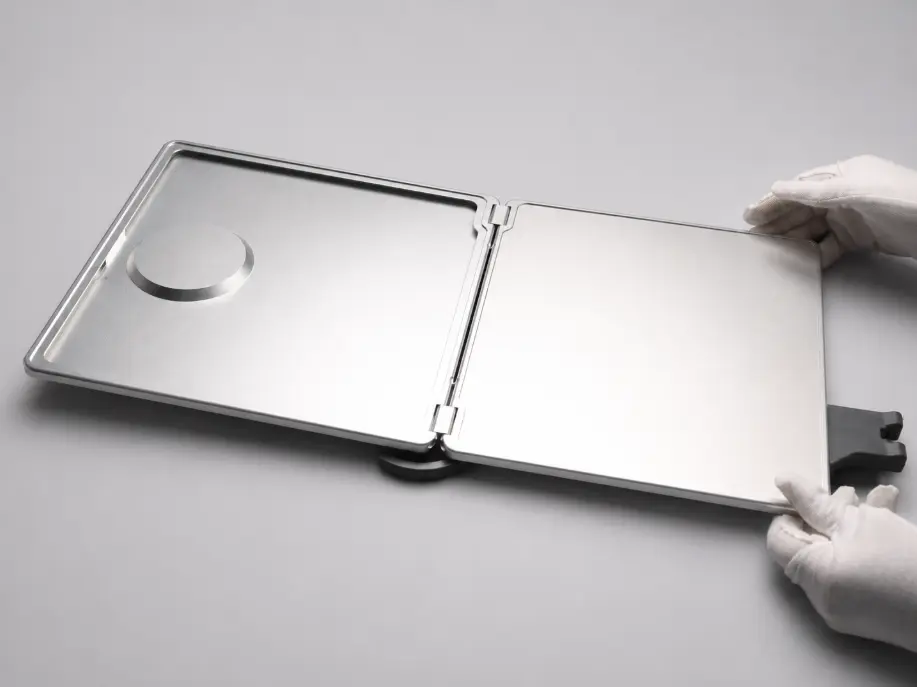
Available Finishes: Deburring · Sandblasting · Shot Blasting · Powder Coating · Painting · Polishing
Finishing availability and appearance depend on alloy composition, casting condition and project requirements. Explore Surface Finishing Options →
MANUFACTURING PROCESS
Review drawings, 3D models, alloy requirements and functional features.
Develop the die casting tool according to part geometry and production needs.
Produce cast components according to approved project requirements.
Remove gates, flash and excess casting material.
Machine critical holes, threads, surfaces and interfaces.
Apply blasting, coating, polishing or other approved finishing processes.
Verify dimensions, appearance and critical machined features.
Complete hardware installation, assembly, packaging and delivery as required.
Integrated support from mold development through finished die cast part production.
QUALITY CONTROL
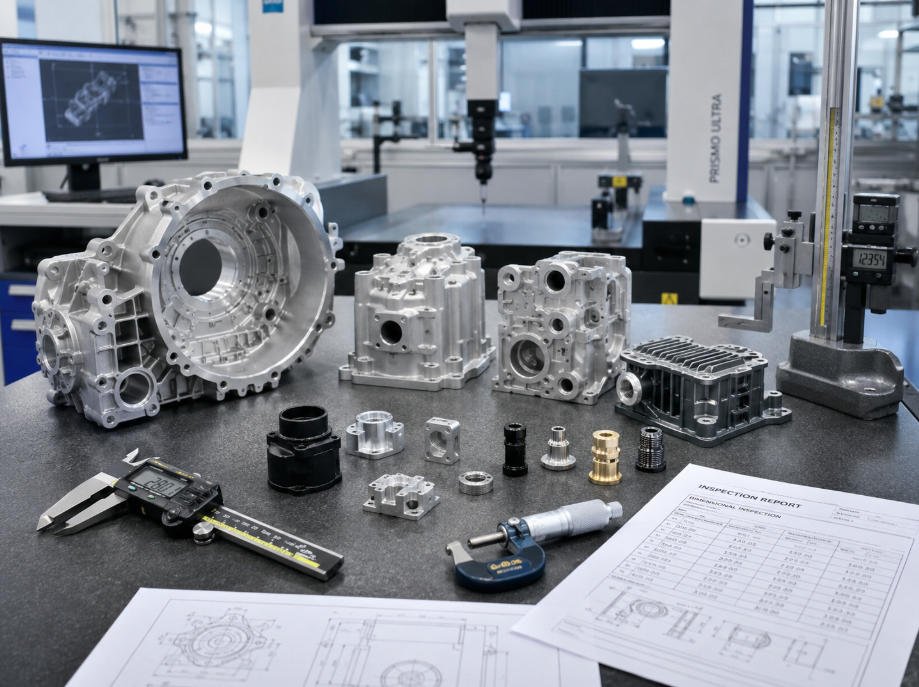
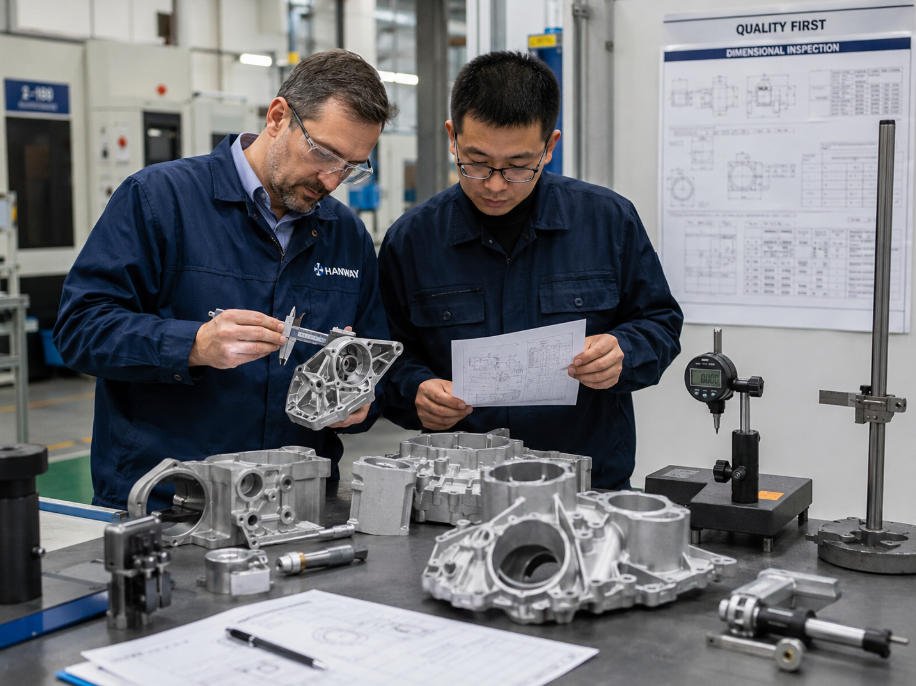
Critical dimensions are checked against customer drawings and approved requirements.
Casting defects, surface condition and finishing quality are visually inspected.
Threads, holes, sealing surfaces and critical CNC-machined features are verified.
Inspection and production documentation can be maintained according to project requirements.
APPLICATIONS
Die cast housings and structural components for vehicle and EV systems.
Custom cast parts for automation equipment, controls and machinery.
Die cast enclosures and structural parts for communication and electronic equipment.
Thermal and protective housings for power electronics and energy systems.
Die cast aluminum components can be reviewed for charging and power electronics equipment requiring structural housings, mounting features and secondary machining.
Lightweight structural castings and housings for robotic systems.
Custom die cast components for industrial machinery and mechanical assemblies.
WHY FSD
Tooling, casting, CNC machining and finishing requirements can be coordinated within one project workflow.
Critical interfaces and precision features can be machined after casting.
Finishing processes are selected according to alloy, appearance and application requirements.
Inspection planning is based on customer drawings, critical dimensions and final project requirements.
FSD typically reviews 3D models, 2D drawings, material requirements, estimated quantities, surface finishing requirements and critical dimensions. Providing both 3D and 2D files is recommended for projects involving machining or inspection requirements.
FSD supports aluminum and zinc die casting projects. Final alloy selection depends on part geometry, mechanical requirements, thermal performance, finishing needs and application conditions.
Yes. FSD can support die casting tooling development and part production within the same project workflow, helping coordinate DFM, tooling, casting, machining and inspection requirements.
Yes. Secondary CNC machining can be used for holes, threads, sealing surfaces, mounting interfaces and other critical features that require additional dimensional control.
Available finishing may include deburring, sandblasting, shot blasting, powder coating, painting and polishing. Final finish selection depends on alloy, casting condition and appearance requirements.
FSD can review projects for prototype validation, low-volume production and repeat manufacturing. The recommended tooling and production approach depends on geometry, alloy, quantity and project requirements.
RFQ REVIEW
Send us your 3D models, 2D drawings, alloy requirements, estimated quantities, machining features and surface finishing requirements for engineering review and quotation.
STEP / STP / IGES / X_T / DWG / DXF / PDF
NDA available upon request