
Need Fine Details?
Zamak alloys can support compact ribs, small bosses, connector details and complex geometry that may be difficult to produce efficiently by other processes.
Zamak alloys for small, complex OEM components requiring fine details, smooth surfaces and repeatable dimensions.
All uploads are secure and confidential.
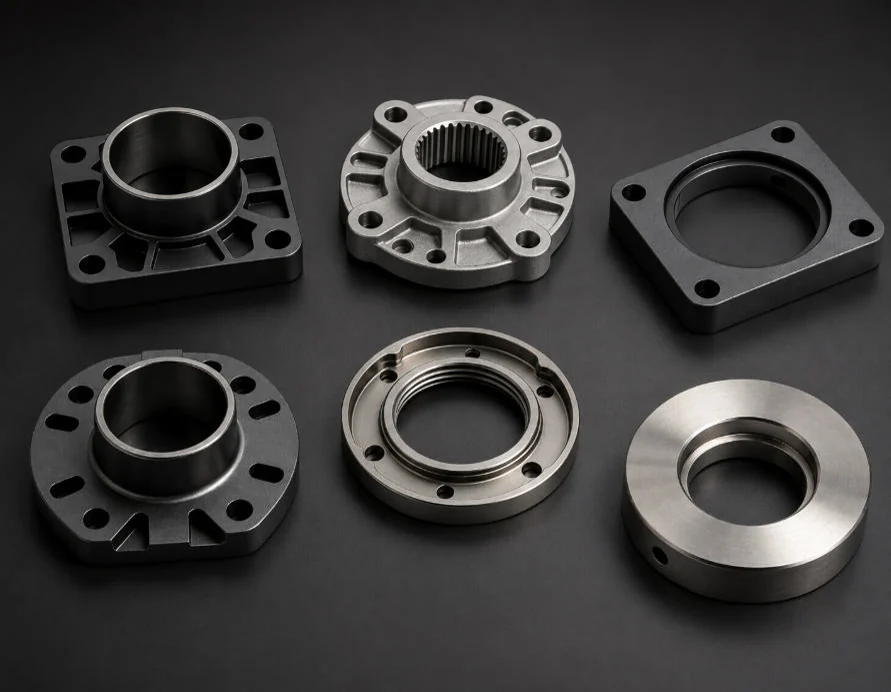
Zinc Components & Applications
Zinc die casting is well suited for compact components where fine detail, surface quality and dimensional stability matter before production.
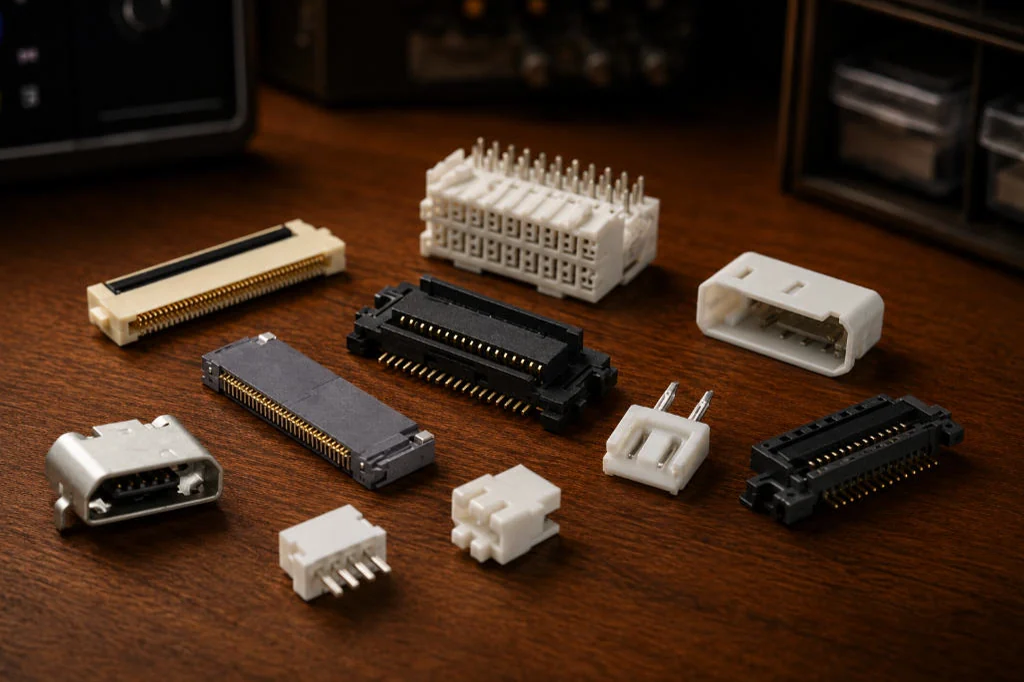
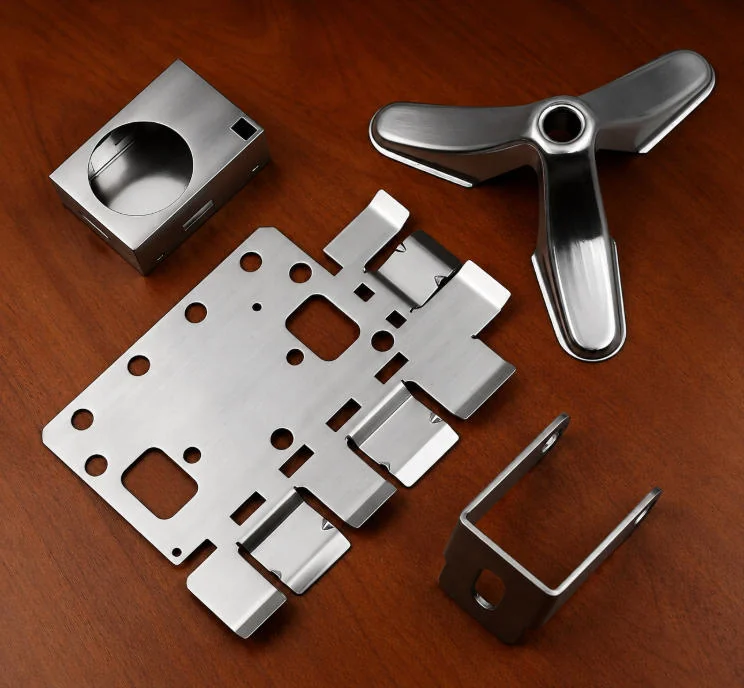
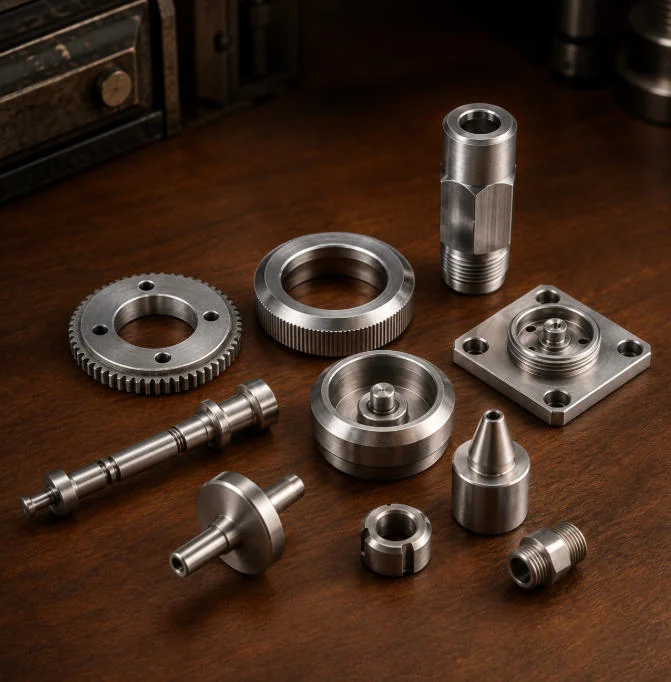
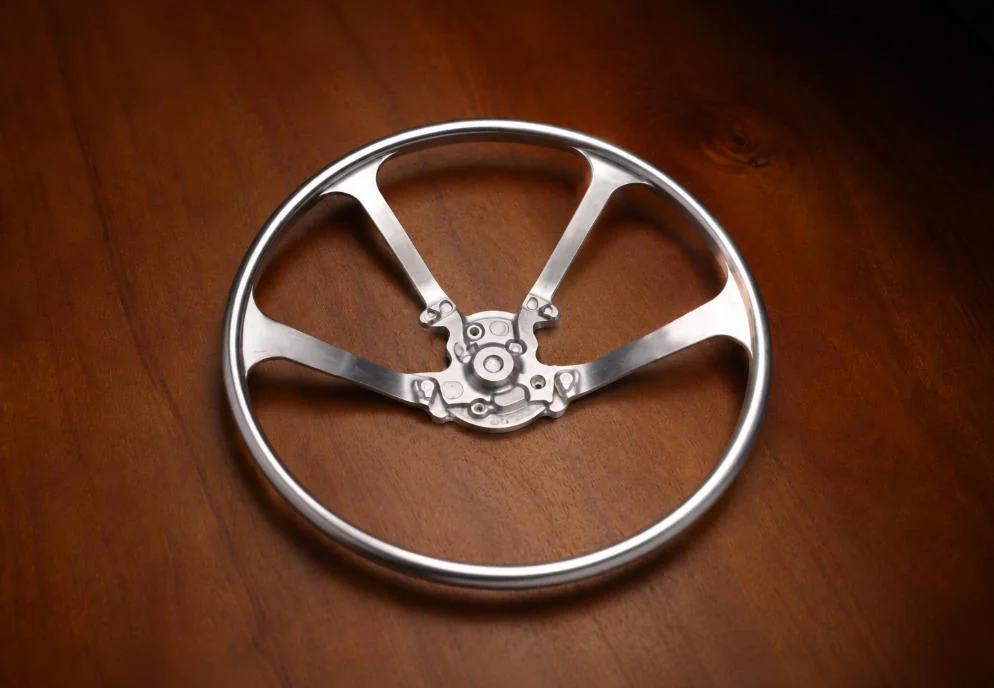
Zinc Precision Advantage
Zinc die casting is often selected when compact components need crisp features, smooth appearance surfaces and repeatable dimensions at production scale.
Zamak flow behavior can support small details, compact ribs, connector features and hardware geometry.
Smooth zinc casting surfaces support polishing, plating, painting and appearance-focused part requirements.
Stable dimensions help support assembly interfaces and small precision features across production batches.
Zinc Die Casting Materials
Different zinc alloys provide different levels of strength, flow capability and dimensional stability. FSD helps OEM teams select the right material based on part geometry, performance and production requirements.
Zamak 3 die casting is often selected for general zinc components where dimensional stability, smooth surfaces and stable production performance are important.
Zamak 5 die casting is selected when mechanical parts need higher strength and better wear resistance than general-purpose zinc components.
Zamak 7 die casting can support fine detail parts where improved fluidity and filling capability are important for thin-wall or complex features.
Zinc die casting is a strong option when compact OEM components need fine features, smooth appearance surfaces, stable dimensions and repeat production planning.
Zamak alloys can support compact ribs, small bosses, connector details and complex geometry that may be difficult to produce efficiently by other processes.
Zinc die cast parts are often selected for appearance-focused components requiring plating, polishing, painting or other controlled finishing routes.
Precision zinc die casting is suitable for small hardware, housings, brackets and mechanical interfaces with consistent feature definition.
If your project combines fine details, surface quality, stable dimensions and repeat production, FSD can review Zamak alloy selection before tooling.
Design Review
Zinc die cast parts need design review around filling behavior, small features, appearance quality and dimensional targets before tooling.
FSD reviews these factors before quotation so tooling, Zamak alloy selection and finishing routes are aligned early.
Process Flow
A focused zinc manufacturing route from engineering review to finished, inspected components.
Capability Snapshot
Zinc-focused capability summary for compact precision components and appearance-focused parts.
| Materials | Zamak 3 / Zamak 5 / Zamak 7 |
|---|---|
| Application | Small Precision Components |
| Detail Capability | Fine Feature Casting |
| Surface | Plating / Polishing Support |
| Production | Prototype → Mass Production |
| Inspection | Dimensional Inspection |
Appearance Quality
Surface finishing is a core zinc advantage for appearance-focused and functional OEM components. FSD reviews finish selection together with geometry, material and inspection requirements.
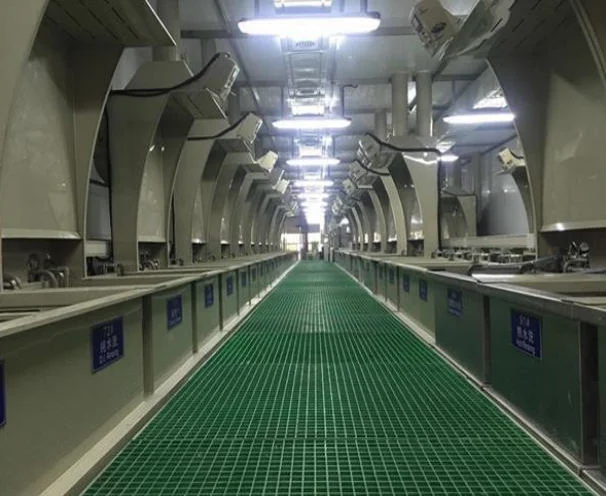
Quality Control
Quality control focuses on dimensional verification, surface inspection, plating inspection, assembly validation and final documentation for precision zinc parts.
Material Choice
A quick comparison to help select the right casting material family before quotation.
| Factor | Zinc | Aluminum |
|---|---|---|
| Weight | Relatively heavy | Lightweight |
| Detail Capability | Excellent for fine features | Good for housings and structural parts |
| Surface Finish | Good for plating and polishing | Good for coating, painting and blasting |
| Strength | Strong for compact mechanical parts | Good strength-to-weight balance |
| Typical Applications | Connectors, hardware, small mechanisms | Housings, motor parts, heat sinks |
FAQ
Zinc die casting is a high-pressure casting process used to produce small and complex metal components with fine features, smooth surfaces and repeatable dimensions.
Zamak alloys are zinc-based die casting materials commonly used for precision components, hardware, connector parts and appearance-focused parts.
Zamak 3 is often selected for general zinc die casting with good dimensional stability. Zamak 5 is selected when higher mechanical strength is required.
Zinc is often preferred for smaller parts requiring fine details, thin features, smooth surfaces and stable repeat production. Aluminum is usually preferred for lightweight larger housings and thermal components.
Yes. Zinc die cast parts are often selected for plating, polishing, painting and other appearance or functional finishing routes.
Tolerance depends on geometry, tool design, feature location and post-processing requirements. FSD reviews dimensional requirements before quotation.
Yes. CNC post-machining can be added for critical holes, threads, datum surfaces and assembly interfaces when required.
Please provide 2D drawings, 3D CAD files, Zamak or material requirements, quantity, surface finish expectations, tolerance requirements and application information.
Engineering Review Before Quotation
Send drawings, material requirements and project details. Our engineering team will review zinc alloy selection, tooling feasibility, finishing and inspection requirements.