
Thermal Engineering Support
Thermal requirement review, material selection and manufacturing feasibility evaluation.
OEM Thermal Management Manufacturing
FSD Precision manufactures custom aluminum heat sinks and thermal components for OEM applications requiring efficient heat dissipation, lightweight structures and reliable thermal performance.
Product Overview
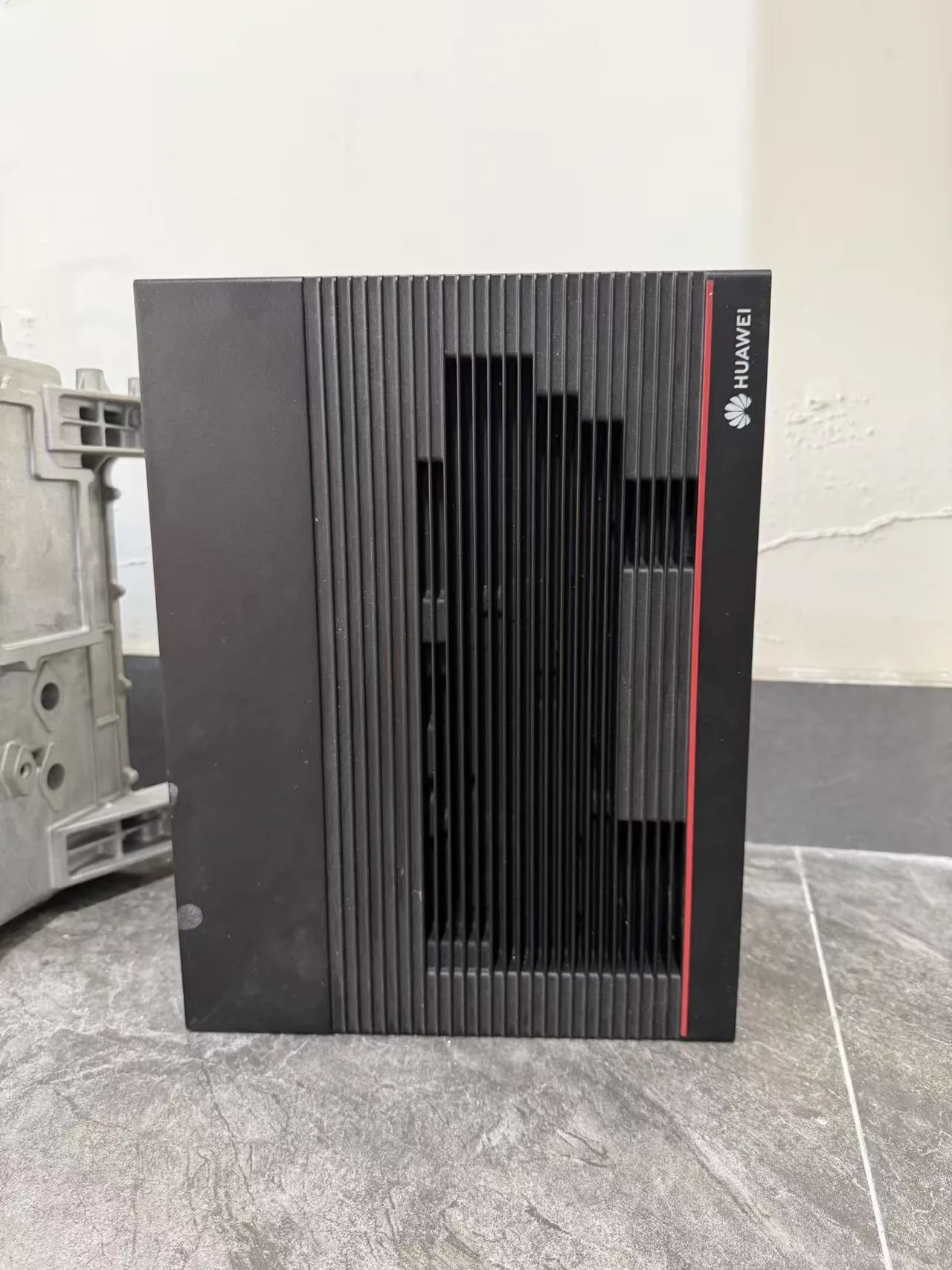
Heat sinks and thermal components transfer heat away from electronic devices, power modules, motors, LED systems and industrial equipment. Their performance depends on thermal conductivity, contact quality, airflow design, surface condition and manufacturing precision.
OEM thermal management parts may include extruded heat sinks, CNC machined heat sinks, skived fin components, liquid cold plates, thermal housings and interface plates. FSD supports custom thermal component manufacturing through material review, process selection, machining, finishing and inspection.
Heat sinks and thermal components can also be reviewed for EV charging and power electronics applications where heat-dissipation geometry and mounting interfaces are defined by the assembly.
For energy-related applications, these thermal components can also be reviewed as part of new energy and energy storage equipment projects.
OEM Manufacturing Partner
FSD supports thermal management projects from engineering review and process selection to production, finishing, inspection and export delivery.
Thermal requirement review, material selection and manufacturing feasibility evaluation.
Extrusion, CNC machining, skiving, finishing and assembly support.
Support complex thermal geometries, critical interfaces and OEM production requirements.
Prototype validation, production coordination and export delivery.
Thermal Manufacturing Matrix
Compare common OEM thermal components by manufacturing method, material and application fit.
| Component | Manufacturing | Material | Best For |
|---|---|---|---|
| Extruded Heat Sinks | Aluminum Extrusion | 6063 Aluminum | High-volume thermal applications |
| CNC Machined Heat Sinks | CNC Machining | 6061 Aluminum | Complex geometry and precision thermal components |
| Skived Fin Heat Sinks | Skiving | Aluminum / Copper | High fin density cooling designs |
| Liquid Cold Plates | CNC Machining + Assembly | Aluminum / Copper | High power density cooling systems |
Material Selection
Select material based on conductivity, process route, strength, weight and production requirements.
Best For: Extruded heat sinks.
Key Benefit: Excellent extrusion performance and thermal conductivity.
Typical Application: High-volume aluminum heat sink profiles.
Best For: CNC machined thermal components.
Key Benefit: Balanced strength and machinability.
Typical Application: Precision thermal bases, housings and mounting features.
Best For: High thermal conductivity applications.
Key Benefit: Superior heat transfer capability.
Typical Application: High-power thermal interfaces and cooling components.
Engineering Design Review
Thermal performance and manufacturing feasibility should be reviewed together before quotation.
Reduce thermal interface resistance.
Balance cooling performance and manufacturing feasibility.
Align fin direction with system airflow.
Balance conductivity, strength and manufacturability.
Surface treatment improves protection and can influence thermal performance.
Thermal Performance Factors
Thermal performance depends on material selection, interface quality, geometry design and surface conditions.
Material selection affects heat transfer capability and overall cooling performance.
Flatness and surface condition influence thermal resistance between components.
Fin density, height and airflow direction affect cooling efficiency and manufacturing feasibility.
Surface finishing improves protection, durability and can influence thermal performance.
Surface Finishing
Black anodizing is commonly considered for aluminum heat sinks where corrosion protection, surface durability and appearance requirements matter.
Surface Finishing Guide ->Supports corrosion protection and stable appearance for aluminum thermal components.
Thermal interface areas may require controlled flatness and surface condition. Related AI server thermal-management components can be reviewed where heat-dissipation geometry and mounting interfaces are defined by the assembly.
Finishing can protect exposed surfaces during assembly and operation.
Finish selection should consider protection, interface contact and system requirements.
Quality Inspection
Thermal critical inspection focuses on dimensions, interface surfaces, finish and contact quality before shipment.
Quality Control Guide ->Review base and interface surfaces that affect thermal contact.
Check surface condition for critical mating areas.
Verify fin geometry, mounting holes and assembly features.
Confirm contact faces and functional thermal surfaces.
Manufacturing Capabilities
FSD supports OEM thermal component projects through production, machining, finishing and inspection capability.
Extrusion-based thermal profiles for scalable heat sink manufacturing.
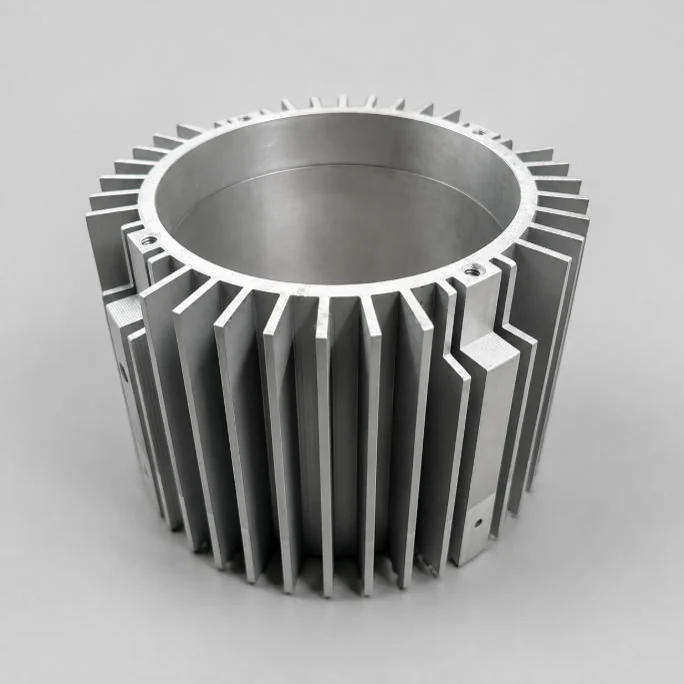
Machined bases, mounting features and precision interface surfaces.
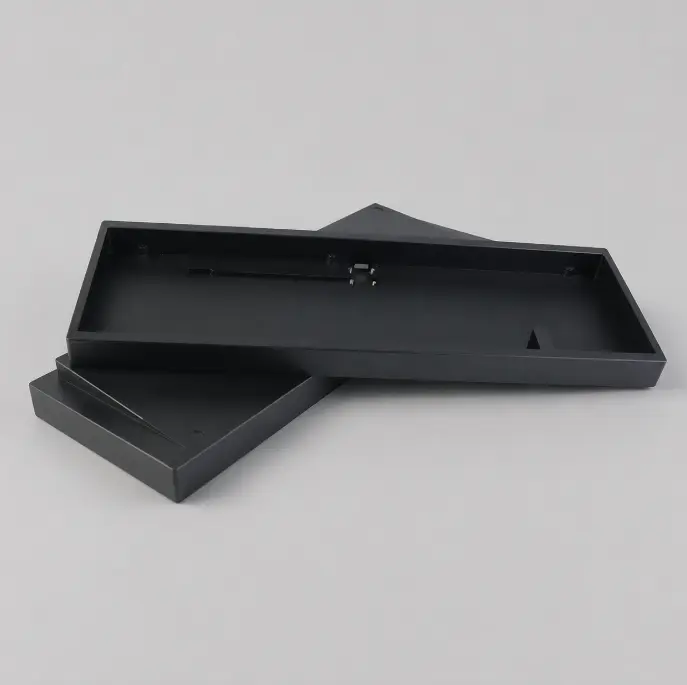
Anodizing and finishing support for protection and appearance requirements.
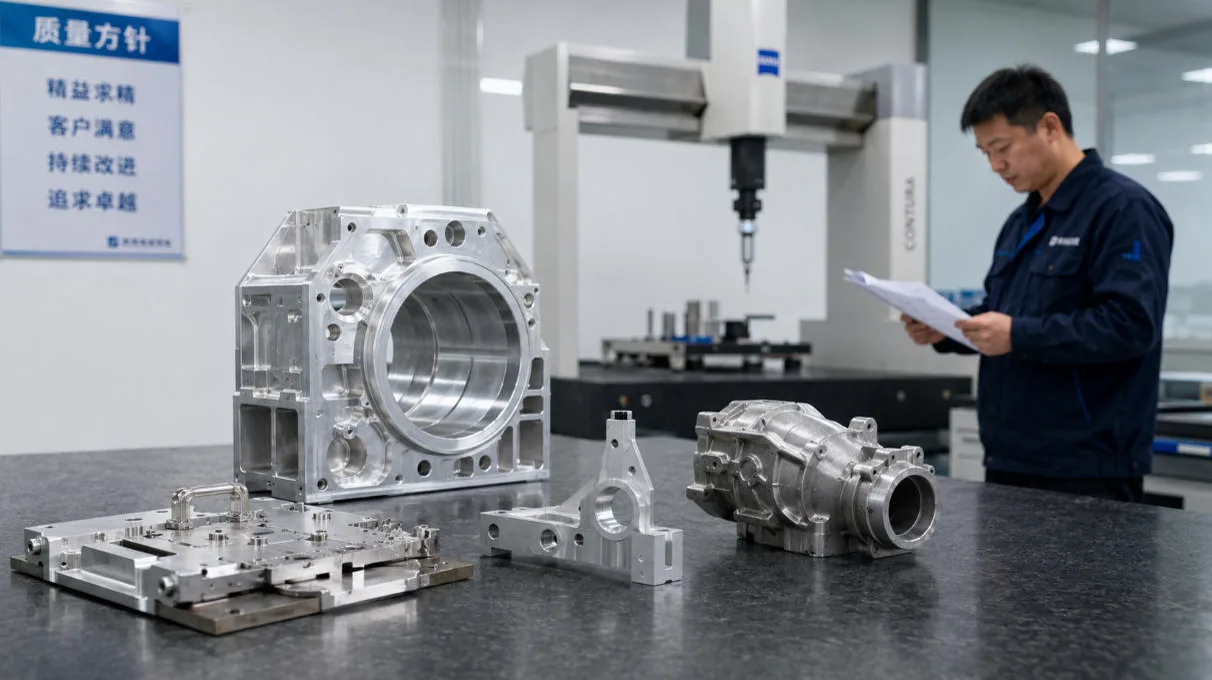
Dimensional, surface and interface inspection for thermal component projects.
OEM Project Examples
Representative thermal component projects show material, process and application requirements for OEM manufacturing review.
Challenge: Cooling profile with stable mounting and production repeatability.
Solution: Extruded aluminum heat sink with CNC machining for critical features.
Challenge: Complex thermal geometry with precise interface surfaces.
Solution: CNC machined aluminum component with controlled dimensions and finish.
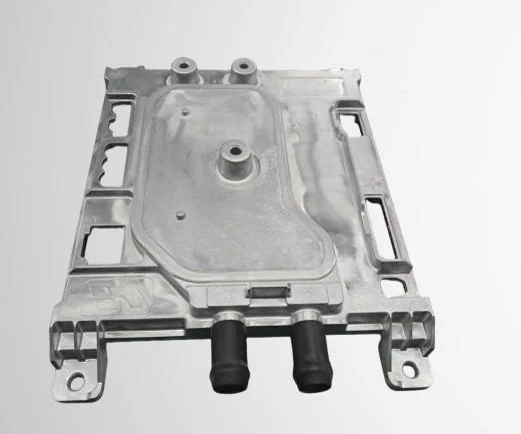
Challenge: High power density cooling component with interface control.
Solution: Machined thermal component with assembly and inspection support.
Applications
Custom heat sinks and thermal components support OEM systems where temperature control, compact structure and reliability matter.
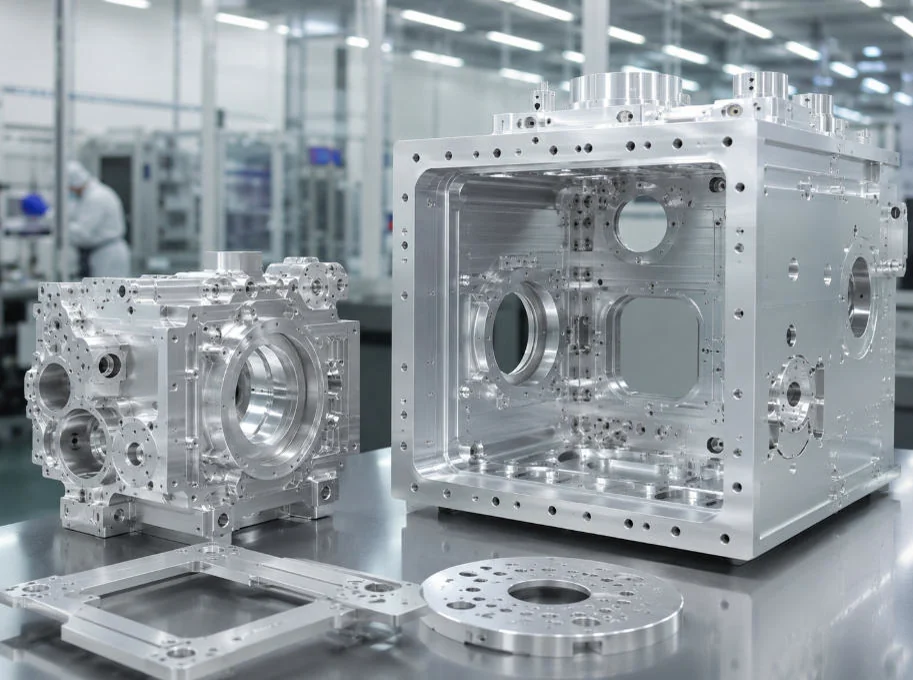
Precision thermal parts for equipment covers, modules and controlled systems.
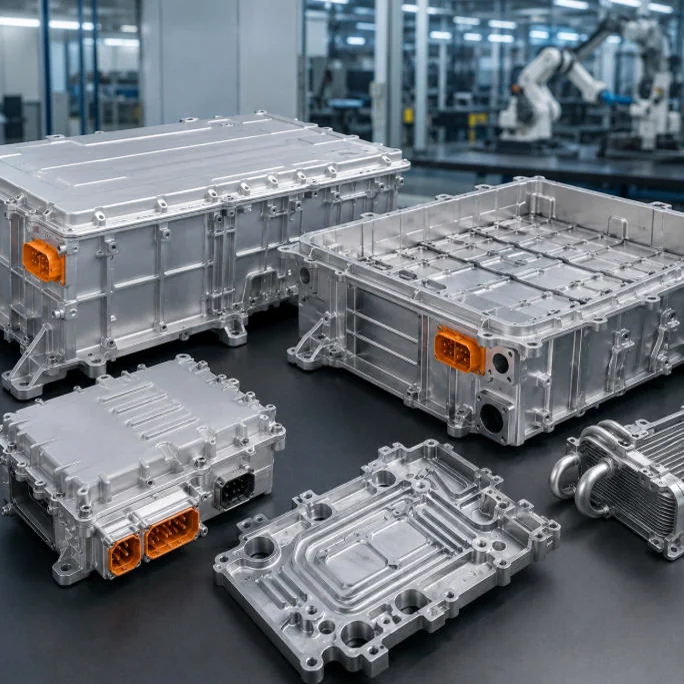
Heat dissipation components for power conversion and control systems.
Thermal structures for high power density cooling applications.
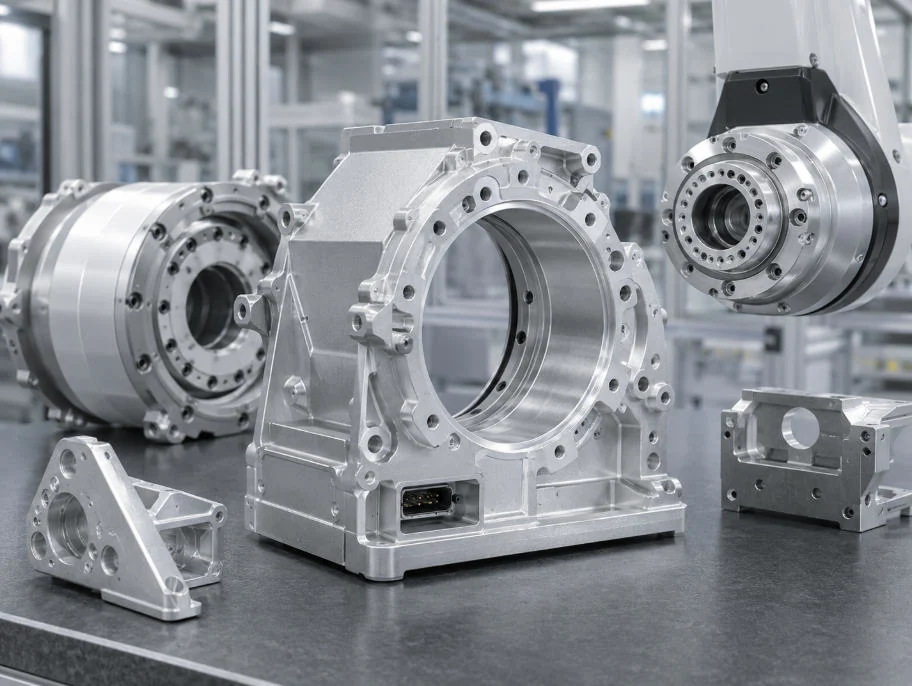
Cooling components for controllers, drives and automation modules.
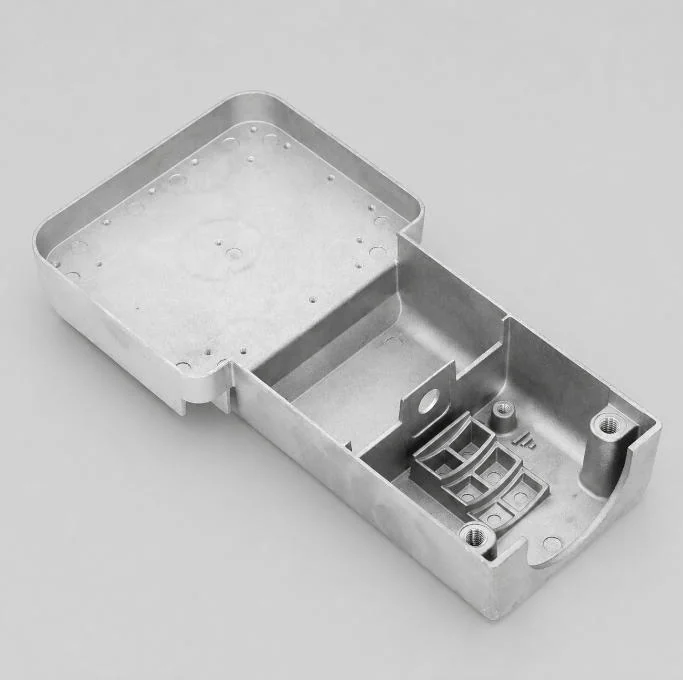
Thermal parts for compact electronic and communication systems.
FAQ
6063 aluminum is commonly used for extruded heat sinks because it supports extrusion and thermal performance. 6061 aluminum is often selected for CNC machined thermal components.
Extrusion is suitable for repeatable fin profiles and higher volume applications. CNC machining is better for complex geometry, prototypes, precision interfaces and custom mounting features.
Yes. FSD supports custom heat sinks, machined thermal components, extruded heat sinks, cold plate components and thermal housings based on CAD drawings and application requirements.
Provide 3D CAD files, 2D drawings, material requirements, quantity, surface finish notes, interface requirements and any thermal performance expectations for engineering review.
Yes. Prototype heat sinks can be reviewed and manufactured through CNC machining before moving toward extrusion, tooling or production manufacturing after validation.
Surface finish affects protection, durability, appearance and interface contact quality. Critical thermal contact areas may require flatness and roughness control.
Typical inspection includes flatness, dimensional checks, surface roughness review, interface inspection and finish verification for critical thermal areas.
Selection depends on heat load, airflow, material, fin geometry, interface contact, production volume, finish requirements and inspection needs.
Engineering RFQ
Upload your CAD drawings and thermal requirements so FSD can review material, process, finish and inspection needs before quotation.