
Part Design
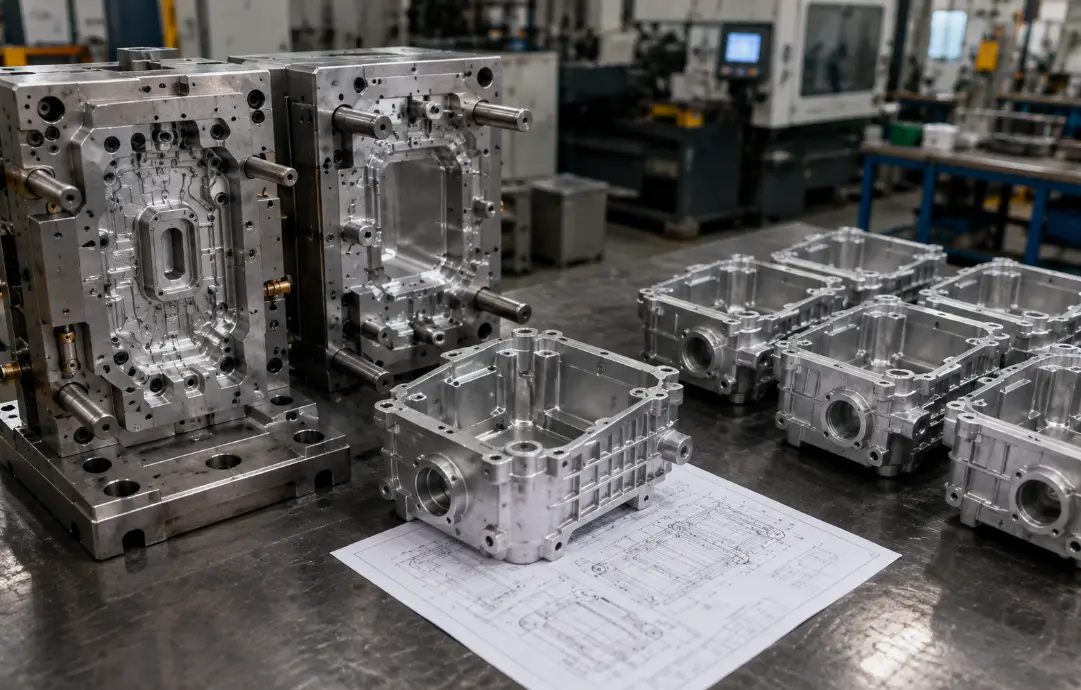
Tooling feasibility is reviewed against the actual component geometry and functional requirements.
MOLD-TO-PRODUCTION SOLUTIONS
FSD Precision supports OEM projects from tooling development and validation through production launch and repeat manufacturing. By reviewing part design, tooling requirements and downstream production together, we help reduce handoff gaps between mold making and actual part manufacturing.
WHY IT MATTERS
A mold is only successful when it produces parts that meet the final project requirements. Tooling decisions therefore need to consider part geometry, material, production process, secondary operations and inspection requirements from the beginning.
Tooling feasibility is reviewed against the actual component geometry and functional requirements.
Tooling decisions are considered together with the intended molding, casting or stamping process.
Machining, finishing and assembly requirements can be considered before tooling is released.
Drawing requirements and critical features are reviewed before sample validation and production.
MANUFACTURING ROUTES
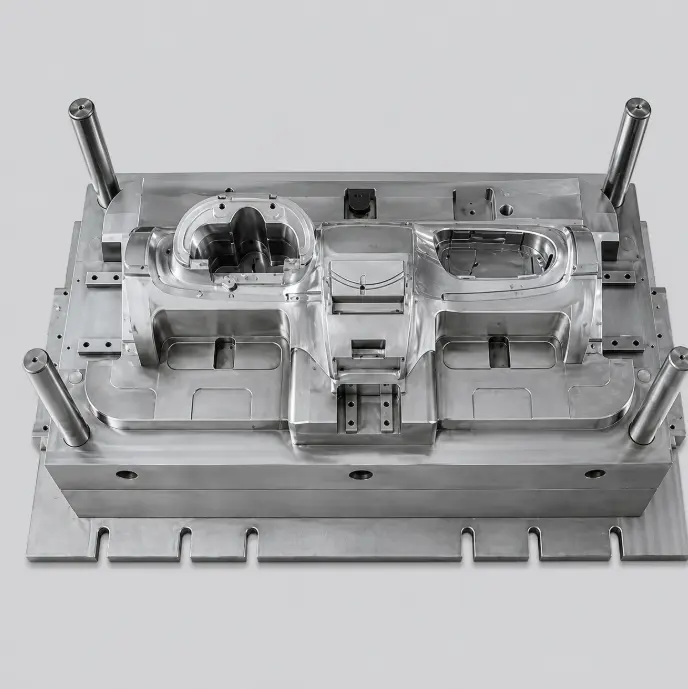
Injection mold development coordinated with downstream molding requirements, part geometry and validation needs.
View Injection Molding →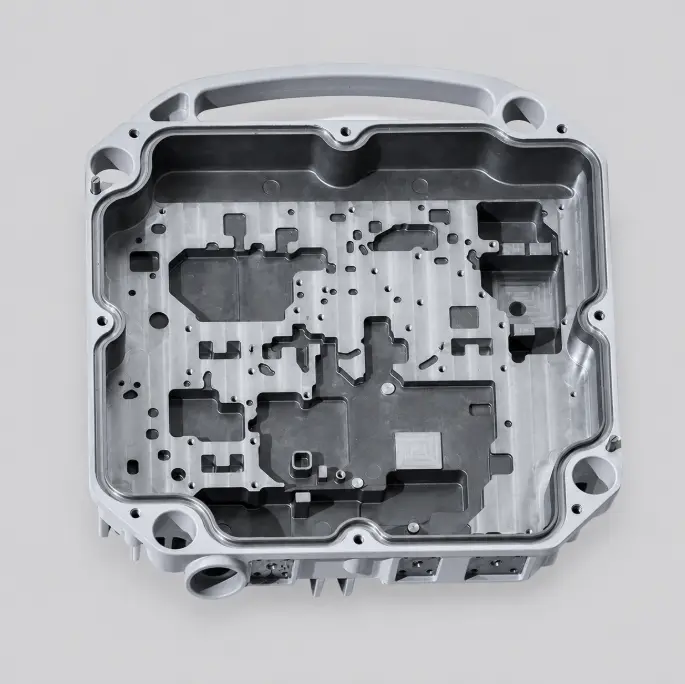
Die casting tooling reviewed together with casting geometry, secondary machining and production requirements.
View Die Casting →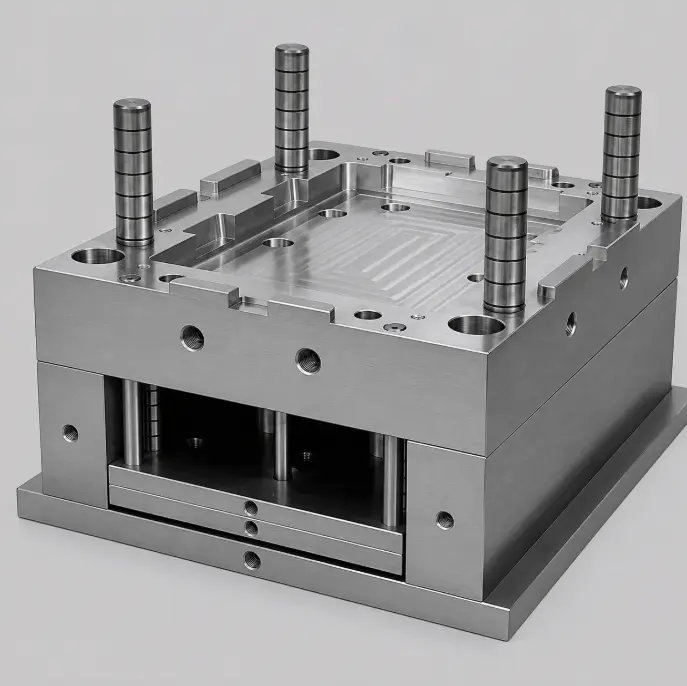
Stamping tooling coordinated with blanking, forming, bending and downstream part requirements.
View Metal Stamping →MOLD-TO-PRODUCTION PROCESS
Drawings, 3D models, material and production requirements are reviewed.
Outcome: Requirements aligned
Part geometry and tooling approach are reviewed around the intended production process.
Outcome: Tooling approach defined
Mold or die development proceeds according to the approved project requirements.
Outcome: Tool prepared for sampling
Initial samples are reviewed against drawings and project requirements.
Outcome: Initial parts reviewed
Required tooling adjustments are completed before production approval.
Outcome: Tooling approved for production
Approved tooling moves into repeat part manufacturing and ongoing supply.
Outcome: Ongoing part supply
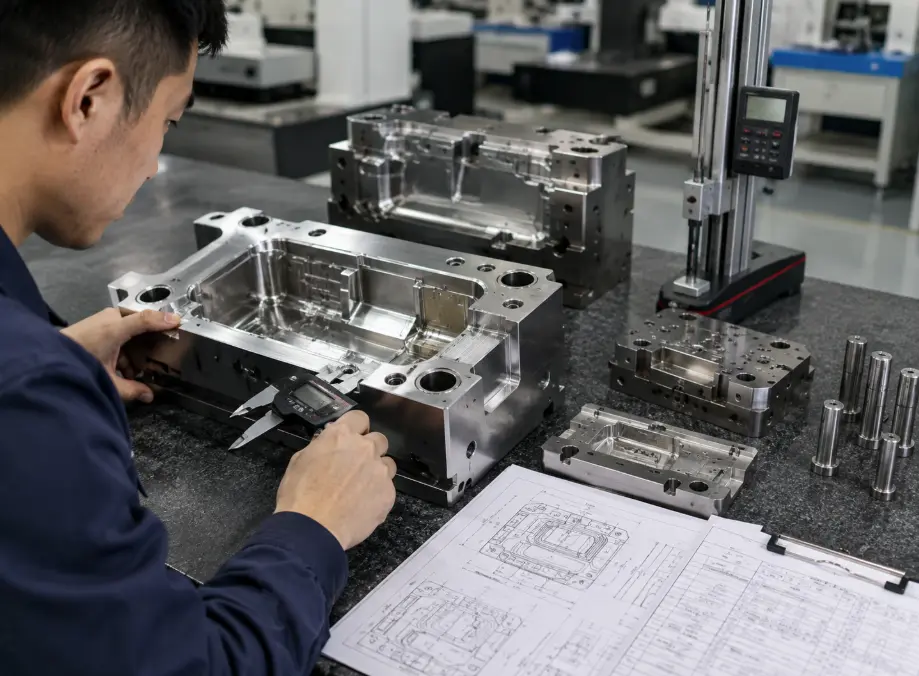
TOOLING VALIDATION
Initial samples can be checked against drawing requirements.
Tooling condition and relevant movement or fit can be reviewed during preparation.
Initial molded, cast or stamped components are reviewed before production release.
Required corrections are completed before the tooling moves into repeat production.
TOOLING STAGE
Tooling strategy is reviewed according to part requirements, expected production needs and project stage. For dedicated tooling supply and mold development details, see Molds & Tooling → and Mold Manufacturing →.
DOWNSTREAM MANUFACTURING
Injection molding, die casting and stamping according to the selected production route.
Secondary machining support for features that require additional precision or post-processing.
CNC Machining →Finishing requirements coordinated according to the component and final application.
Surface Finishing →Hardware and assembly requirements can be reviewed as part of the overall project.
PROJECT INPUTS
| Project Input | What We Review |
|---|---|
| 2D Drawings | Dimensions, critical features and drawing requirements |
| 3D Models | Geometry, part structure and tooling feasibility |
| Material | Material requirements related to the selected manufacturing process |
| Production Needs | Intended production route and project stage |
| Surface Requirements | Finishing requirements that may affect downstream manufacturing |
| Assembly Requirements | Interfaces, hardware and assembly considerations |
SUITABLE PROJECTS
Tooling and production planning for new drawing-based OEM components.
Review of replacement tooling requirements for ongoing part production.
Tooling updates coordinated with revised geometry or project requirements.
Support for moving validated concepts toward repeat manufacturing.
Review of tooling, drawings and production requirements when projects move between manufacturing sources.
Projects involving tooling, part production, secondary machining, finishing or assembly coordination.
WHY FSD
Tooling decisions are reviewed together with downstream manufacturing requirements.
Projects can be evaluated across injection molding, die casting, stamping and related secondary processes.
Project requirements are reviewed against customer drawings, models and application needs. For broader drawing, revision and production follow-up across an OEM program, see OEM Project Coordination.
Tooling, validation and production requirements can be coordinated through one project workflow.
FAQ
Yes. FSD can review tooling requirements together with the intended part production route, including injection molding, die casting, stamping and related downstream operations.
Available 2D drawings, 3D models, material requirements, production needs, surface requirements and assembly requirements help the team review the tooling approach and production route.
FSD can support projects involving injection molds, die casting dies and stamping tooling, with review focused on how tooling connects to the intended production process.
Initial samples can be reviewed against drawings and project requirements before tooling is released for repeat manufacturing.
Required tooling adjustments can be reviewed and completed before production approval, based on sample evaluation and project requirements.
Secondary machining, surface finishing and assembly requirements can be reviewed as part of the overall project when they are relevant to the final component.
Send your available 2D drawings, 3D models and project requirements. Our team can review the tooling approach together with the intended production process and downstream manufacturing needs.