
Can you manufacture from my drawing?
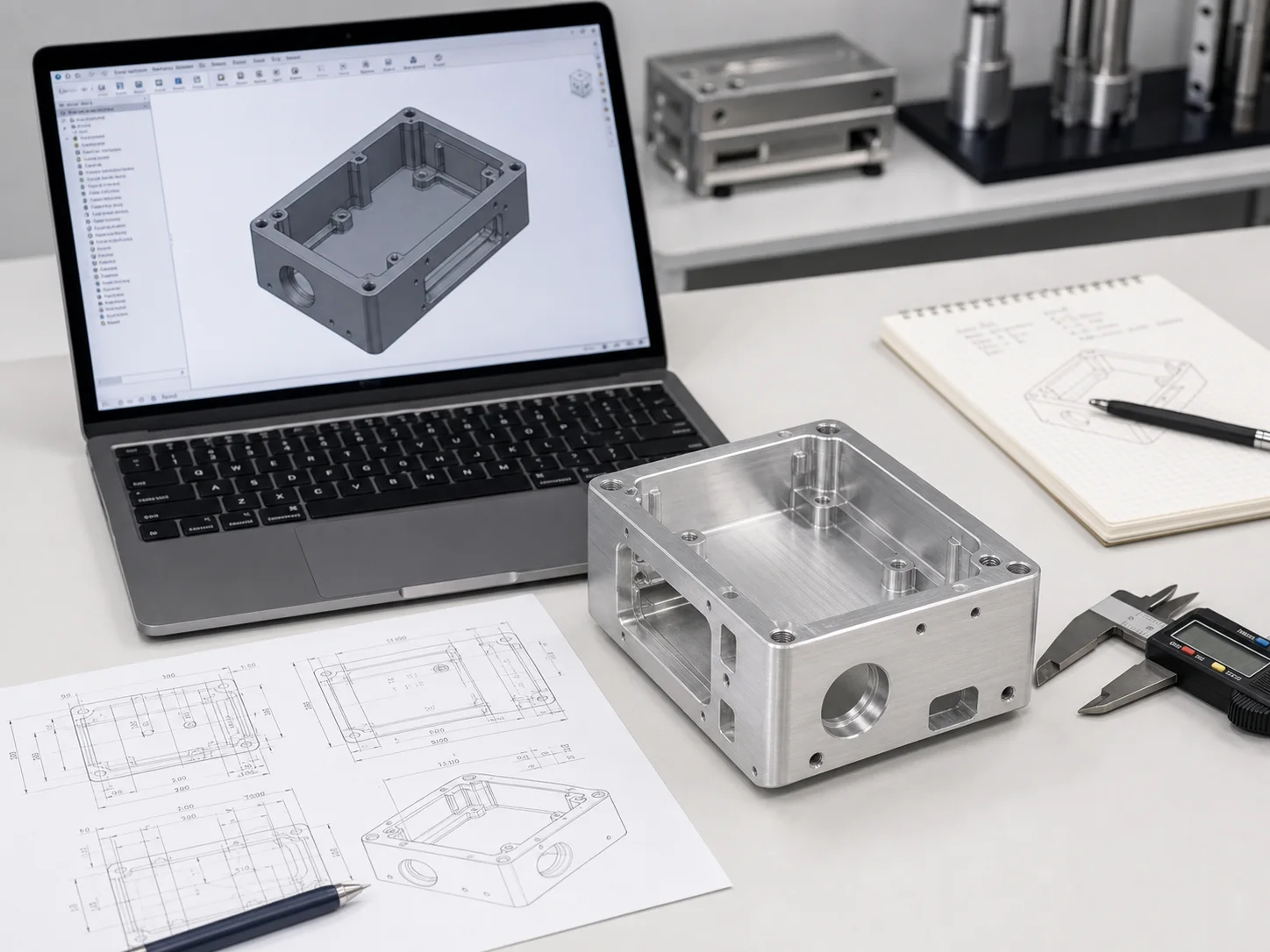
Yes. Manufacturing review can start from available 2D drawings, 3D models and project requirements. These files help clarify geometry and key manufacturing requirements before quotation.
MANUFACTURING FAQ
Find practical answers to common questions about custom part manufacturing, drawings, RFQs, process selection, materials, inspection, samples and repeat production. This page is designed to help engineers and buyers prepare clearer project requirements before quotation and manufacturing review.
QUICK ANSWERS
Short answers for buyers and engineers who need to prepare a custom manufacturing project for review.
Yes. Manufacturing review can start from available 2D drawings, 3D models and project requirements. These files help clarify geometry and key manufacturing requirements before quotation.
A 3D model defines geometry, while a 2D drawing communicates requirements such as dimensions, tolerances, material and surface finish. Providing both usually gives a clearer basis for manufacturing review.
Projects can be reviewed from prototype or sample stages through repeat production, depending on the selected manufacturing process and project requirements.
FSD supports CNC machining, die casting, metal stamping, injection molding, tooling and surface finishing for drawing-based custom component projects.
Process selection mainly depends on part geometry, material, quantity and critical features. More detailed process questions are covered below.
Drawings, material, estimated quantity, surface requirements, critical features and current project stage are useful starting points for quotation review.
DRAWINGS & RFQ
A clear drawing package helps quotation review stay focused on geometry, requirements and project stage.
Send available 2D drawings, 3D models, material, estimated quantity, surface requirements, critical requirements and current project stage when possible.
A 3D model can support initial geometry review, but a 2D drawing is preferred when tolerances, material, finishing, threads or inspection requirements need to be defined.
Include critical dimensions, general tolerances, material, surface finish, threads, mating interfaces and inspection requirements where needed.
Identify dimensions affecting fit, function, mating or assembly separately from general dimensions.
Yes. Available drawings and project requirements can be reviewed before quotation to clarify manufacturing route and missing information.
MANUFACTURING PROCESS
The right process depends on part geometry, material, quantity, tooling and downstream requirements.
Process selection depends on geometry, material, quantity, wall and feature requirements, tooling needs and secondary operations.
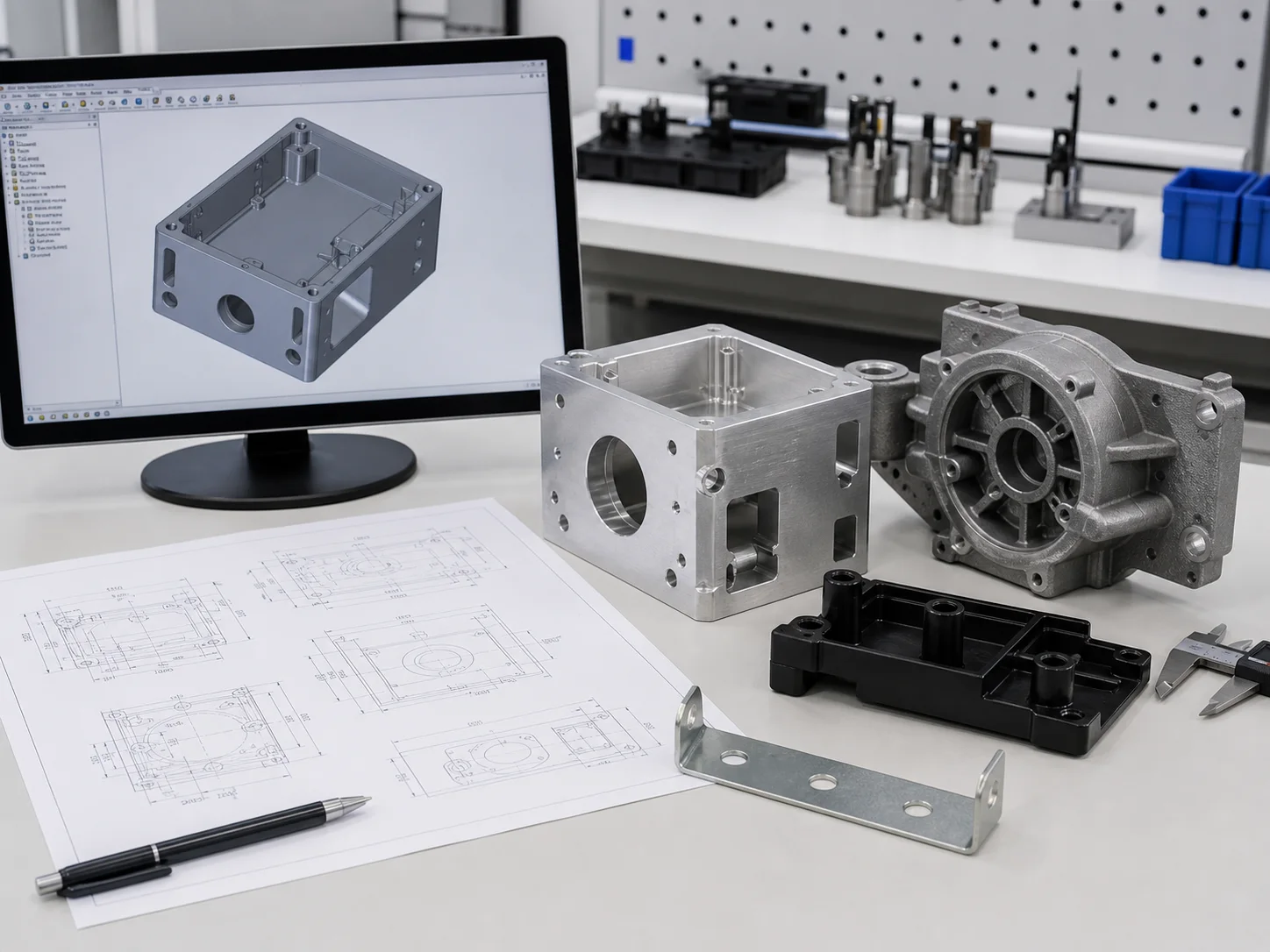
Yes. A project may combine processes when different components or features require different manufacturing routes. Examples can include casting followed by CNC machining, stamping followed by secondary operations, or molded components combined with other manufactured parts.
Secondary CNC machining may be reviewed when casting alone cannot define required machined surfaces, holes, threads or critical interfaces according to drawing requirements.
Yes. Depending on the drawing, secondary machining, tapping, finishing or other downstream operations may be reviewed after the primary manufacturing step.
MATERIALS
Material choice should match function, process, finishing needs and drawing requirements.
Projects can be reviewed in materials such as aluminum alloys, stainless steel, carbon steel and engineering plastics, depending on the selected manufacturing process and drawing requirements.
Material selection should consider function, strength, weight, corrosion, temperature, manufacturing process, finishing and cost considerations.
Changing material can affect machining, forming, wall geometry, tooling, finishing and achievable tolerances. The design and manufacturing route should be reviewed again when the material changes.
TOLERANCES & CRITICAL FEATURES
Critical dimensions should be separated from general dimensions so review effort is applied where function requires it.
Achievable tolerance depends on the manufacturing process, material, part size, geometry and critical features. Drawing review is required before confirming a tolerance requirement.
Tighter tolerances can increase setup, machining control, process stability and inspection requirements. They should be applied where fit, function or assembly actually requires them.
Dimensions affecting fit, mating, alignment, sealing where applicable, motion or assembly should normally be identified separately from general dimensions.
Define relevant dimensions, datums, positional relationships or interface requirements clearly on the drawing where needed.
PROTOTYPE & PRODUCTION
Prototype, sample and repeat production stages should stay connected to approved requirements.
Prototype or sample manufacturing can be reviewed according to the selected process, part geometry and project requirements.
Yes, if the sample stage shows that another route would better match geometry, quantity, tooling or production requirements. Any change should be reviewed against the drawing and project needs.
Approved drawings, process requirements and inspection expectations can be carried into production planning for repeat manufacturing.
Yes. Repeat production can be reviewed after requirements, samples and the manufacturing route are sufficiently defined.
Existing drawings, samples and current production requirements can be reviewed when customers are evaluating alternate sourcing or supplier transfer.
QUALITY & INSPECTION
Inspection review should stay tied to the approved drawing, critical features and project requirements.
Inspection is reviewed against the approved drawing and relevant project requirements. The inspection method depends on the feature, manufacturing process and component requirements.
Yes. Critical dimensions and interfaces can be identified on the drawing so inspection attention can be aligned with fit, function and assembly requirements.
Sample-stage inspection can be coordinated according to approved drawings and relevant project requirements before repeat production.
Inspection requirements and appearance-sensitive areas should be identified clearly on the drawing or project requirements where needed. This helps align manufacturing and inspection expectations around the features that matter to the project.
SURFACE FINISHING & SECONDARY OPERATIONS
Finishing and downstream operations should be reviewed together with the part drawing and manufacturing route.
Yes. Surface finishing can be reviewed as part of the manufacturing route when it is defined by the project requirements.
Yes. Identifying appearance-sensitive areas separately from general functional surfaces helps clarify finishing and inspection expectations.
Depending on the process and drawing, secondary machining, tapping or other downstream operations may be reviewed after the primary manufacturing step.
Finishing layers can influence dimensional or mating requirements on certain features, so functional surfaces and masking requirements should be identified early.
PROJECT COMMUNICATION
Clear revision control helps quotation, sample review and repeat production stay aligned.
Yes, but drawing changes can affect manufacturing process, tooling, price, inspection requirements and production planning. Revised files should be clearly identified before the next project step.
Updated drawings or requirements should be clearly identified and reviewed against the previous project version. During sample development, revision identification helps keep manufacturing and inspection aligned with the intended drawing.
Send the latest available drawing or model together with the requirements that are already known. Open items can then be identified during initial review.
Existing samples can provide useful reference information when combined with drawings and current project requirements. Manufacturing decisions should still be based on the requirements agreed for the new project.
RELATED RESOURCES
Use these guides when a question needs deeper review than a short FAQ answer.
Review geometry, tolerances, features and drawing requirements before manufacturing.
View GuidePrepare drawings, material, quantity and project information for quotation.
View ChecklistCompare manufacturing routes based on geometry, material and production requirements.
View GuideReview common material considerations for custom manufactured components.
View GuideSTART YOUR PROJECT
Send your available drawing, 3D model and project requirements. We can review the manufacturing route, material, critical features, finishing and RFQ information before the next project step.