
Color & Appearance
Review a painted surface when the visible part color, visual uniformity or appearance direction matters to the final assembly.
Industrial Painting
Painting can be reviewed for custom metal parts requiring controlled color, visible surface coverage or project-specific finishing after machining, casting or fabrication.

Why Painting
Painting is useful when the finish decision is tied to visual appearance, surface coverage and customer-defined color references rather than only the base material.
Review a painted surface when the visible part color, visual uniformity or appearance direction matters to the final assembly.
Painting may be reviewed when broad visible surfaces need a project-specific coated appearance after manufacturing.
Final suitability depends on base material, surface condition, geometry and the approved customer requirement.
Painting helps align visible housings, covers, brackets and panels with the intended equipment or product appearance.
Color Review
Color and appearance should be reviewed before production planning so drawings, samples and functional areas are interpreted consistently.
Color Reference
Customer sample
Color reference
Approved appearance sample
Appearance Review
Color swatches are illustrative only. Final color and appearance should be confirmed against the approved customer reference, sample or project requirement.
Materials
Painting suitability should be confirmed by material family, geometry, surface condition and functional requirements. Not every material or part is suitable by default.
Primary FSD References
Strong FSD surface-finishing reference for painted OEM parts where color, surface preparation and appearance requirements are reviewed.
Aluminum GuideFSD references painting as a compatible surface-finishing route for zinc alloy projects.
Zinc Alloy GuideMay be reviewed where surface protection and appearance requirements are defined early.
Carbon Steel GuideReview project by project when appearance or coverage requirements justify painting.
Stainless GuideReview carefully because functional conductivity or contact areas may need protection.
Copper & Brass GuideOnly reviewed by project because resin, appearance and application conditions affect suitability.
Plastics GuideSurface Preparation
Preparation depends on the base material, original surface condition and required painted appearance. Drawing review should identify visible surfaces and protected areas before finishing is planned.

Review material, geometry, drawing notes and visible areas before painting requirements are confirmed.
Cleaning, deburring or surface preparation may be reviewed depending on the original part condition.
Threads, holes, mating faces and other protected areas should be identified before production planning.
The final route depends on material, surface condition, color reference and required appearance.
Final preparation depends on the base material, original surface condition and required painted appearance.
Process Route
A controlled route helps connect drawing requirements, surface preparation, protected areas and final appearance review.
Masking
Areas that should remain unpainted should be identified on the drawing or RFQ before production planning.
Mark threaded holes, bores or fastener features that need functional clearance.
Identify surfaces that contact another part, fixture or assembly reference.
Call out surfaces where coating coverage may affect sealing or contact behavior.
Review slots, pins, contact faces and connector areas before finishing.
Critical fits and tolerances should be reviewed because coatings may affect functional areas.
Define where the painted surface starts, stops or transitions across visible edges.
Appearance Direction
Painted appearance should be confirmed against the approved customer reference or sample rather than assumed from a screen color or generic finish name.
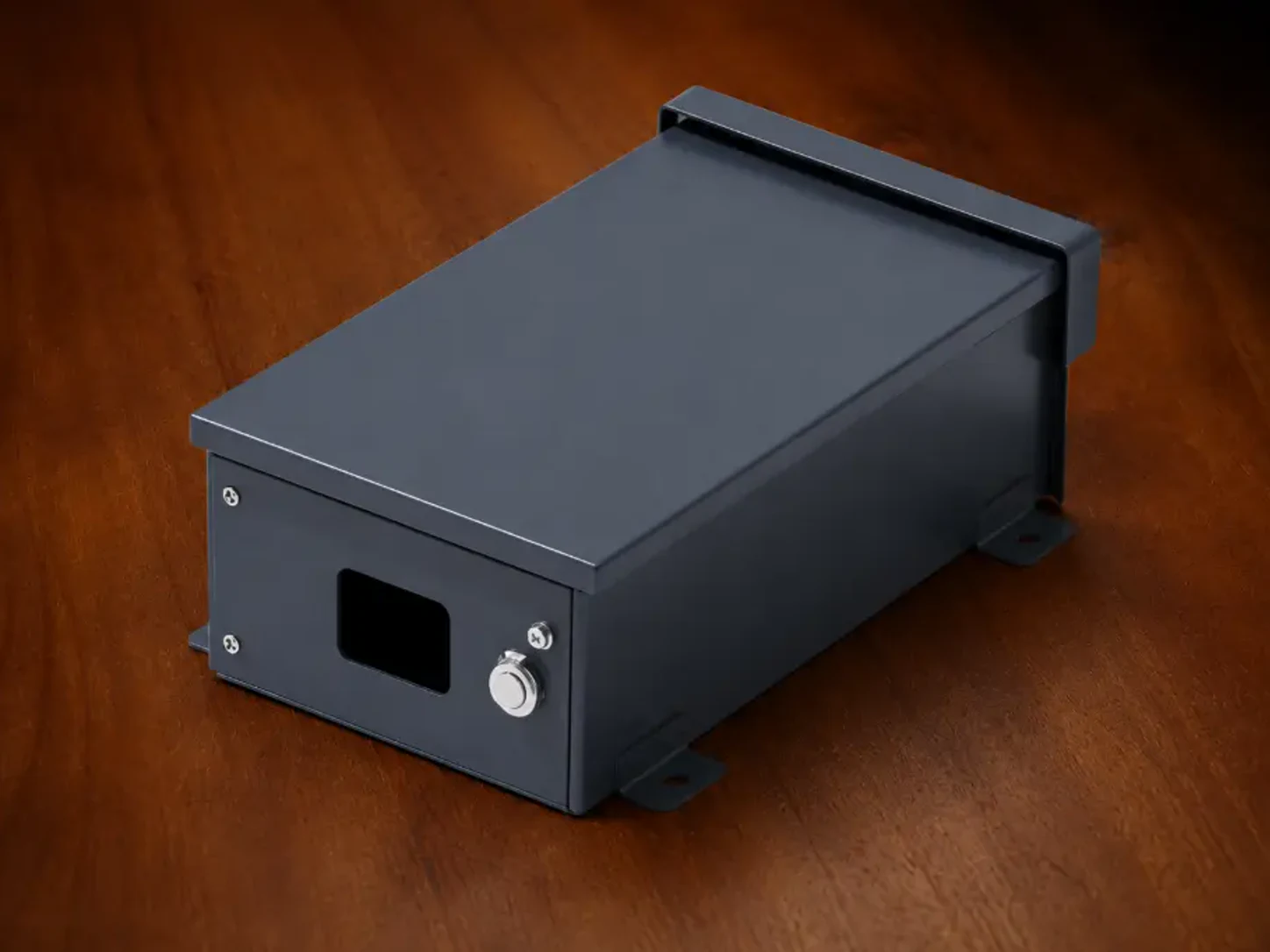
Reviewed when low-reflection visible surfaces are preferred for the product appearance.
Reviewed when the finish should look controlled without becoming visually dominant.
Reviewed against customer sample, approved reference or drawing requirement.
Illustrative appearance directions only. Final painted appearance should be confirmed against the approved customer reference or sample.
Finish Selection
Use this compact comparison to decide which finish route should be reviewed during RFQ preparation.
| Finish | Typical Review Goal | Appearance | Key Review |
|---|---|---|---|
| Painting | Color / surface coverage | Project-specific painted appearance | Surface preparation / masking / color reference |
| Powder Coating | Coated color finish | Coated surface | Coverage / masking / geometry |
| Anodizing | Aluminum surface treatment | Clear, black or project-specific color | Alloy / pretreatment / masking |
| Plating | Metal surface layer | Metallic appearance | Base material / functional areas |
| Sandblasting | Matte texture / surface preparation | Uniform matte direction | Material / surface condition / downstream finish |
Quality Review
Quality review should focus on the agreed appearance requirement, coverage, protected areas and handling needs for the finished components.
Review finished parts against the agreed color reference or appearance sample.
Check visible surfaces and cosmetic boundaries based on the drawing or RFQ.
Confirm marked threads, mating faces and functional interfaces remain aligned with requirements.
Review critical areas where coating coverage may affect fit or function.
Finished parts should be handled and packed to protect reviewed visible surfaces.
Applications
Painting is most relevant when custom parts remain visible in the final product or equipment assembly.
Visible housings for industrial equipment and machinery assemblies.
Custom enclosures where color, coverage and protected interfaces need review.
Flat or formed covers that carry visible exterior surfaces.
Structural parts where appearance and functional contact areas must be balanced.
Manufactured components that need a controlled customer-facing finish.
FAQ
Industrial painting is a surface finishing route reviewed for custom parts that need controlled color, visible surface coverage or project-specific appearance after manufacturing.
Painting may be reviewed for aluminum, zinc alloy, carbon steel, stainless steel, copper or brass parts depending on material, geometry, surface condition and project requirements. Engineering plastics should be reviewed project by project.
Yes. Color matching can be reviewed for painting projects when a customer sample, color reference or approved appearance requirement is provided before quotation.
Provide a customer sample, approved appearance sample, drawing note or project color reference. Final color and appearance should be confirmed against the agreed reference.
Areas that should remain unpainted should be identified on the drawing or RFQ. Threads, holes, mating faces, sealing surfaces and precision interfaces should be reviewed before production planning.
Painting is a surface process, so critical dimensions, fits, holes and functional interfaces should be reviewed because coating coverage may affect functional areas.
Mark the surfaces that require painting, the desired appearance direction, color reference, areas to remain unpainted, application conditions and any visual acceptance requirements.
Provide drawings or 3D files, material, quantity, color reference, appearance requirement, areas to remain unpainted, application and any packaging or handling requirements.
RFQ Review
Share the drawing, material, color reference, appearance requirement and any areas that should remain unpainted so FSD can review painting suitability before quotation.