
Cold Chamber Die Casting
Cold Chamber Die Casting for High-Strength OEM Metal Components
FSD Precision provides cold chamber die casting solutions for aluminum, magnesium and other high-melting-point alloys, supporting tooling, casting production, CNC post-machining and quality verification.
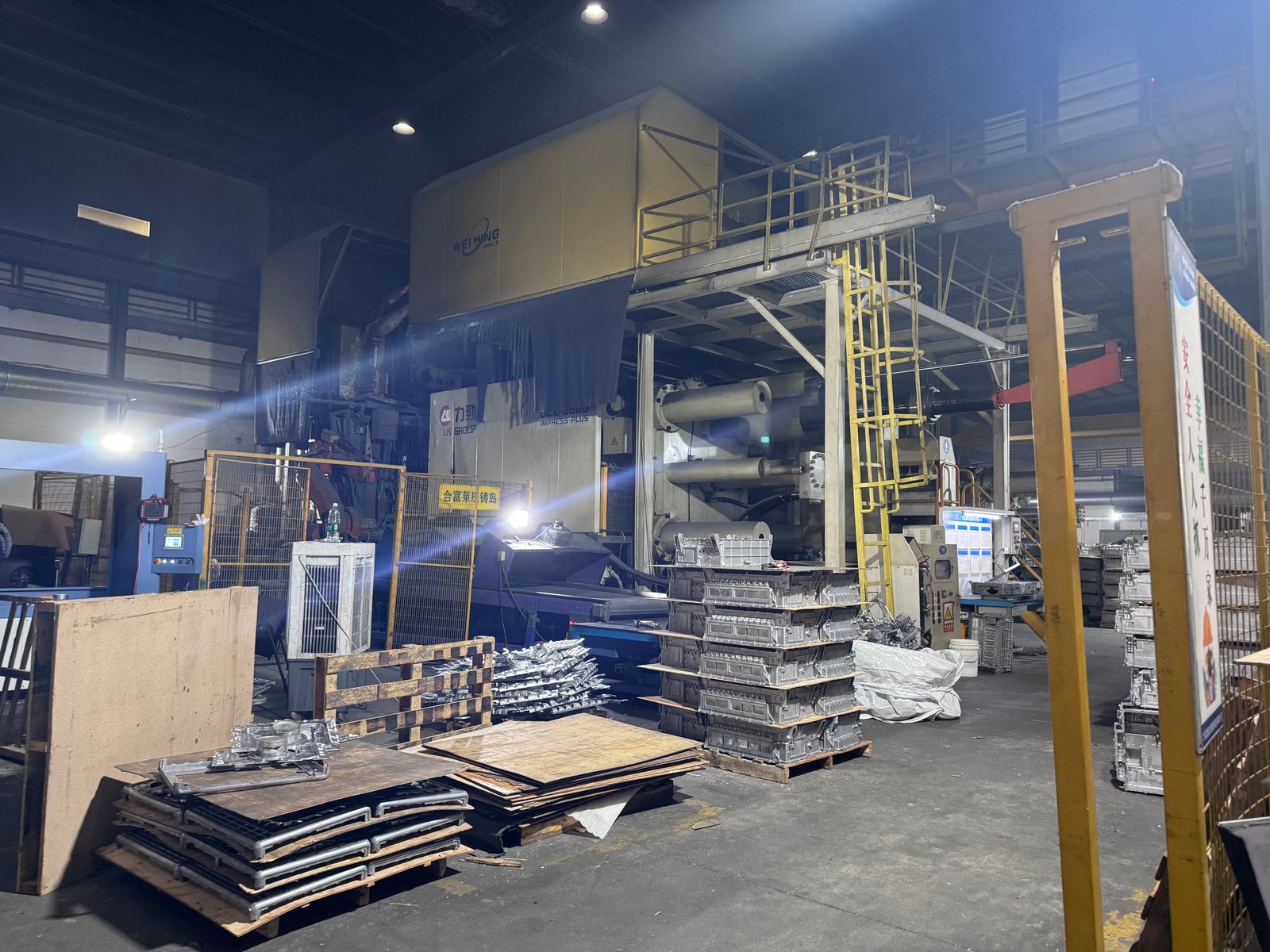
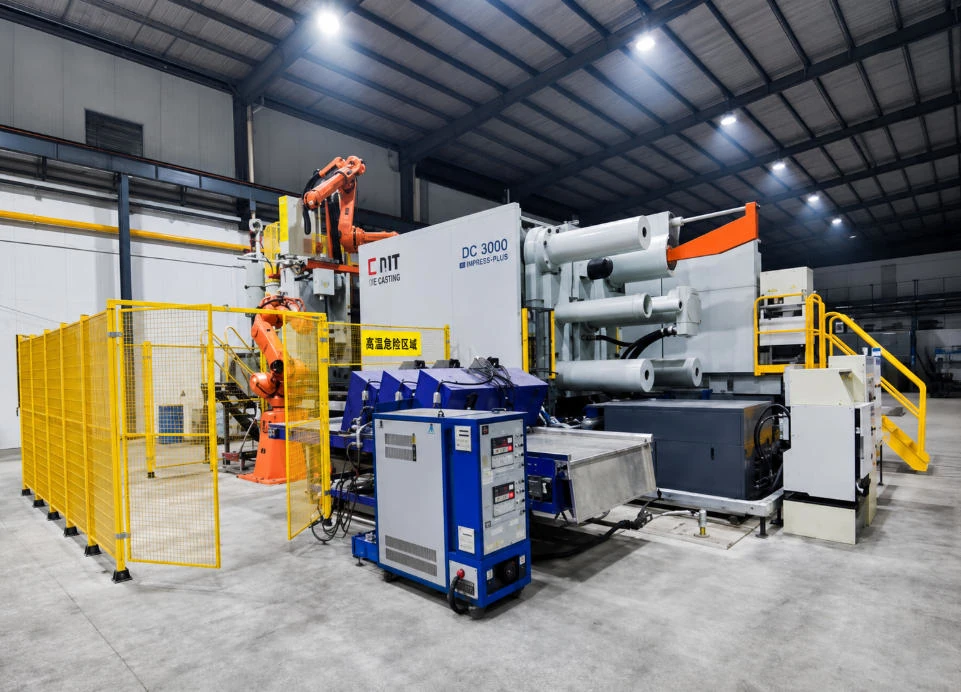
Process Showcase
Cold Chamber Process Showcase
01
Separate Furnace
Metal melted separately before injection.
02
High Pressure Injection
High pressure forming for complex components.
03
CNC Post-Machining
Secondary machining for critical features.
Direct Answer
What Is Cold Chamber Die Casting?
Cold chamber die casting uses a separate furnace to melt metal before injection into the die chamber. It is commonly used for aluminum and magnesium alloys requiring high strength and complex geometries. Cold chamber die casting is commonly selected for aluminum and magnesium components where high strength, complex geometry and production stability are required.
AlloysHigh Melting Point Alloys
ProcessHigh Pressure Injection
PartsComplex Metal Components
Process Route
How Cold Chamber Die Casting Works
The cold chamber process separates metal melting from injection, then uses high pressure to form near-net-shape metal components.
01
Metal Melting
02
Metal Ladling
03
Injection
04
Solidification
05
Part Ejection
06
CNC Post-Machining
Engineering Decision
Why Choose Cold Chamber Die Casting?
Cold chamber high pressure die casting is selected when part requirements align with aluminum structural casting, complex geometry and post-machined precision features.
Customer Requirement
Cold Chamber Advantage
High Strength Components
Aluminum structural casting for housings, brackets and load-bearing OEM metal components.
Complex Geometry
High pressure filling capability supports integrated ribs, bosses, thin walls and near-net-shape features.
Production Volume
Stable repeat manufacturing after DFM review, tooling validation and process setup.
Precision Features
CNC post-machining support for datum surfaces, holes, threads and critical interfaces.
Process Comparison
Cold Chamber vs Hot Chamber Die Casting
Compare process fit by alloy type, machine structure, production behavior and typical component requirements.
Cold ChamberVSHot ChamberFactor
Cold Chamber
Hot Chamber
Metal Type
Aluminum / Magnesium
Zinc / Low Melting Alloys
Melting System
Separate Furnace
Integrated Furnace
Strength
High Strength Components
Small Detailed Components
Typical Parts
Housings / Brackets
Hardware Parts
Best Applications
Structural housings / Automotive parts
Small zinc components / Hardware parts
Cycle Speed
Slower
Faster
Process Decision
When Should You Choose Cold Chamber Die Casting?
Use this engineering decision path to evaluate whether the cold chamber casting process fits aluminum structural parts, complex housings and production metal components.
Need High Strength?
Need Complex Geometry?
Cold Chamber Recommended
Material Selection
Cold Chamber Die Casting Materials
Material selection is reviewed according to alloy behavior, component geometry, strength target, thermal requirement, surface finish and machining plan.
Capability
Details
Aluminum Alloys
ADC12, A380 and A360 are commonly reviewed for cold chamber aluminum die casting projects.
Magnesium Alloys
AZ91D and AM60B may be evaluated for selected lightweight magnesium component projects.
Typical Applications
Complex housings, structural brackets, motor housings, heat sink structures and industrial equipment components.
Key Advantages
Good castability, high strength-to-weight potential, repeatable production and support for near-net-shape components.
CNC Post-Machining
Critical datum surfaces, threaded holes, sealing faces and bearing seats can be reserved for secondary machining.
Engineering Review
Final alloy recommendation is confirmed after drawing review, tooling evaluation and production requirement analysis.
Design Guidelines
Cold Chamber Die Casting Design Guidelines
Review these design factors before tooling to reduce filling, ejection, shrinkage and post-machining risks.
Design Factor
Risk & Engineering Solution
Wall Thickness
Risk: Shrinkage or uneven filling. Solution: Keep wall sections uniform and review transitions early.
Draft Angle
Risk: Ejection difficulty or surface drag. Solution: Apply proper draft direction based on parting line and mold release.
Ribs & Bosses
Risk: Sink marks, flow imbalance or local shrinkage. Solution: Use balanced reinforcement and avoid heavy isolated sections.
Machining Allowance
Risk: Tolerance variation on critical surfaces. Solution: Reserve machining stock for datum faces, holes, threads and sealing areas.
Applications
Components Suitable for Cold Chamber Die Casting
Cold chamber casting is selected when the component needs aluminum or magnesium material, production repeatability and post-casting machining support.
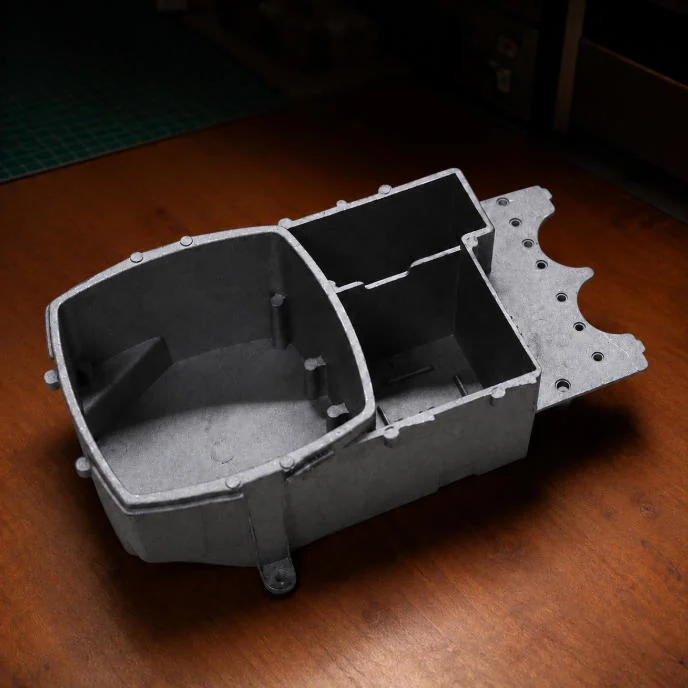
Featured Component
Aluminum Structural Housing
Why Cold Chamber? High strength aluminum components with repeat production requirements.
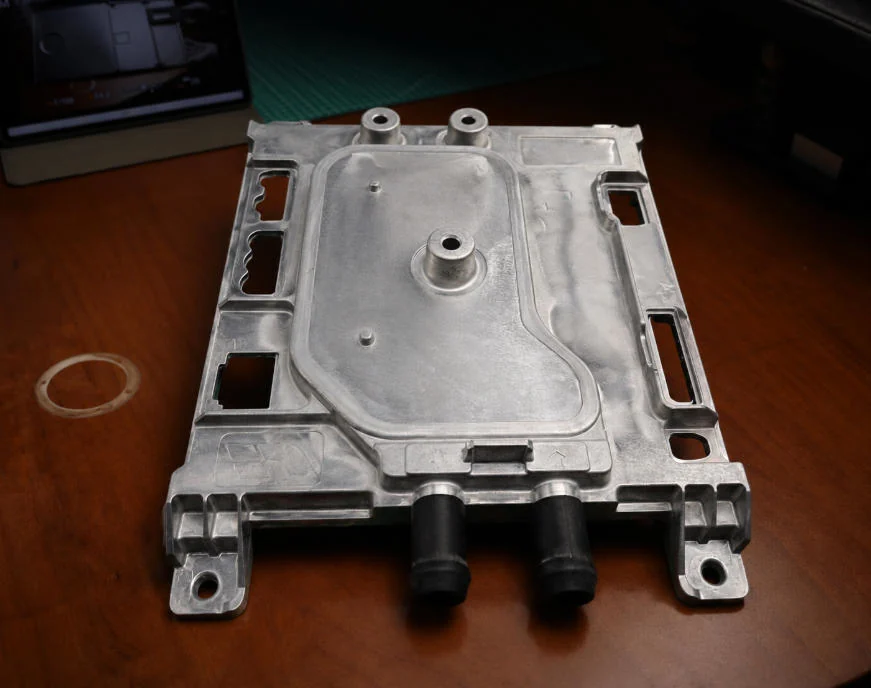
Motor Housing
Complex geometry with CNC-machined interfaces.
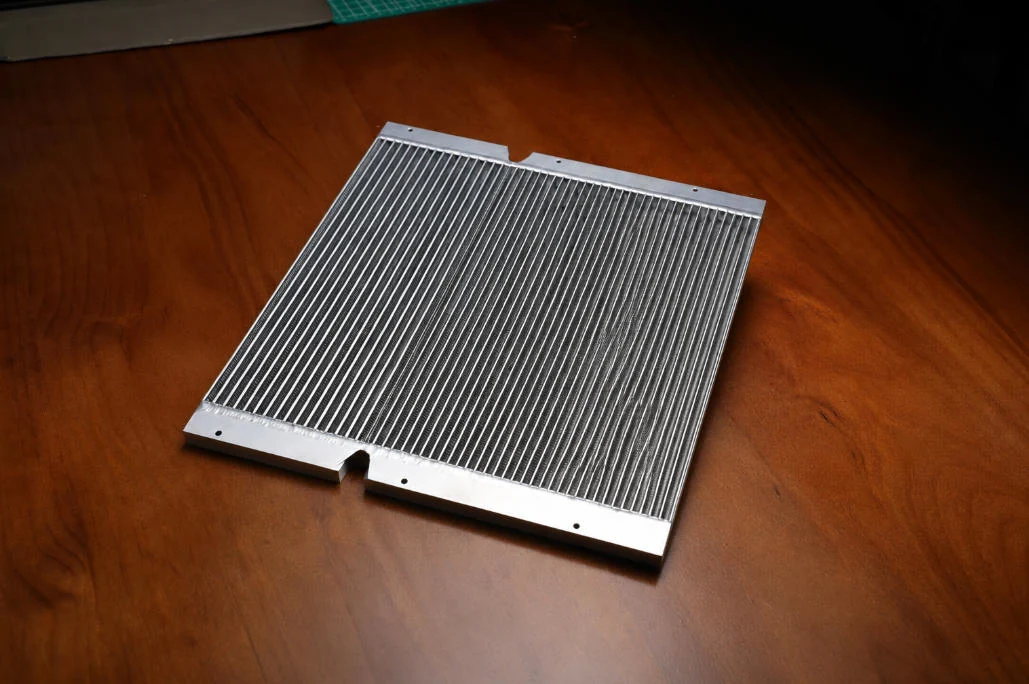
Heat Sink Structure
Integrated thermal features and lightweight design.
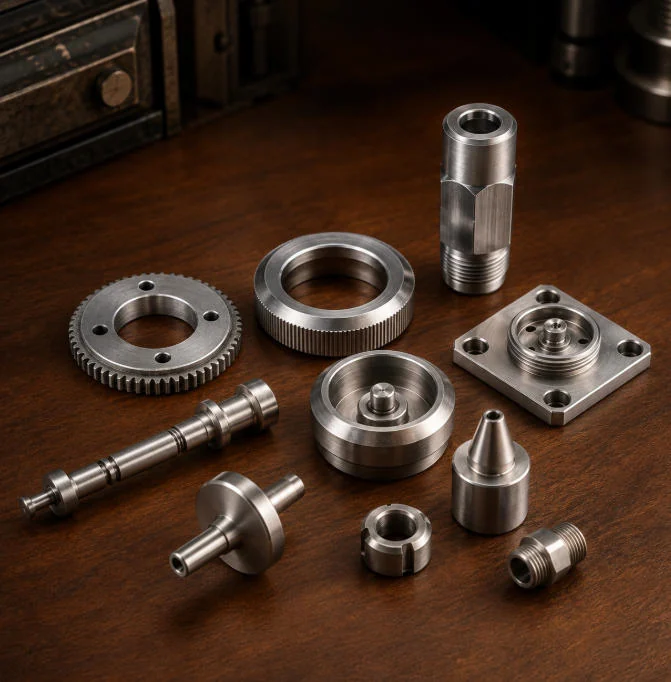
Industrial Equipment Parts
Stable production and secondary machining support.
Capability Snapshot
Cold Chamber Die Casting Capability
ADC12 / A380 / A360Compatible Alloys
Cold Chamber HPDCCasting Method
Prototype → Mass ProductionProduction Stage
CNC Post-MachiningSecondary Process
CMM / FAIInspection
Defect Control
Cold Chamber Die Casting Defect Control
Cold chamber casting risk is reduced through early DFM review, flow analysis, process monitoring and project-specific inspection planning.
Defect
Risk Area & Engineering Control
Porosity
Risk Area: Air entrapment or solidification behavior. Control: Gate, venting and process optimization with inspection planning.
Cold Shut
Risk Area: Incomplete flow or low filling temperature. Control: Filling analysis, gate review and temperature control.
Shrinkage
Risk Area: Thick sections or non-uniform wall design. Control: Wall thickness control, rib review and tooling modification.
Surface Defects
Risk Area: Process instability or finish-sensitive surfaces. Control: Process monitoring, trimming review and finishing route planning.
FAQ
Cold Chamber Die Casting FAQ
What is cold chamber die casting?
Cold chamber die casting melts metal in a separate furnace, then transfers the molten metal into an injection chamber before forcing it into the die under high pressure.
What metals are used in cold chamber die casting?
Cold chamber die casting is commonly used for aluminum and selected magnesium alloys, especially when high melting temperature prevents use of a hot chamber machine.
Why is aluminum die casting usually cold chamber?
Aluminum has a higher melting point and can attack hot chamber machine components, so aluminum die casting is normally produced with cold chamber equipment.
Cold chamber vs hot chamber die casting?
Cold chamber uses a separate furnace and suits aluminum or magnesium components. Hot chamber keeps molten metal integrated with the machine and is often used for zinc and other lower melting alloys.
What parts are suitable for cold chamber casting?
Housings, brackets, motor housings, heat sink structures and industrial metal components with production volume and complex geometry are typical candidates.
Can cold chamber die cast parts be CNC machined?
Yes. CNC post-machining is commonly used for datum surfaces, threaded holes, sealing faces, bearing seats and other critical features.
How do you control casting defects?
FSD reviews wall thickness, filling behavior, gate and venting design, machining allowance and inspection requirements before tooling and production.
What files are required for quotation?
Please provide 2D drawings, 3D CAD files, preferred alloy, quantity, tolerance requirements, surface finish and application information.
RFQ Review
Discuss Your Cold Chamber Die Casting Project
Send drawings and project requirements. Our engineering team will review material selection, casting feasibility and production requirements.