
Magnesium Die Casting Support for Lightweight OEM Projects
FSD Precision supports magnesium projects from material evaluation and casting feasibility review to tooling coordination, production planning and quality verification.
- Lightweight material and application evaluation
- Casting feasibility and tooling coordination
- Production planning and quality verification
Engineering review before quotation and tooling planning.
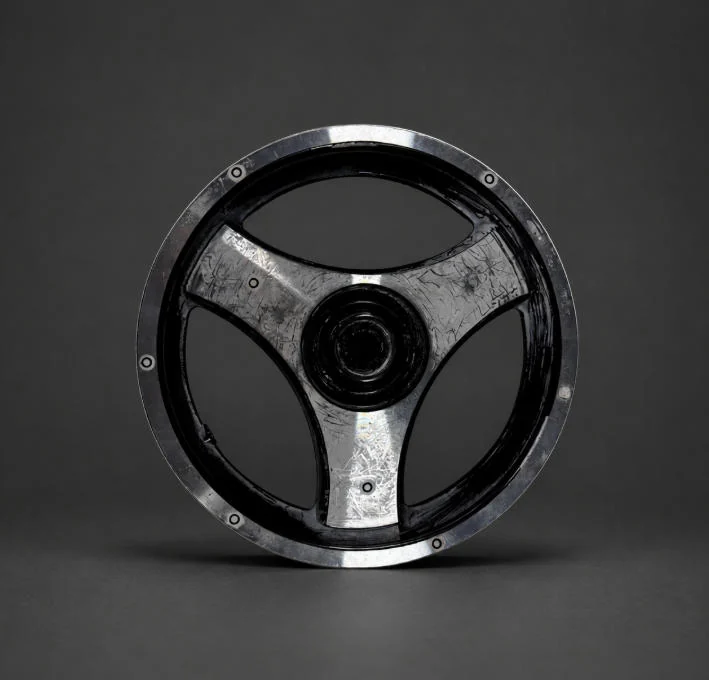
Magnesium Project Value
Why Magnesium Works for Lightweight Projects
Magnesium is considered when OEM teams need weight reduction, efficient structures and a manufacturing plan that controls casting, machining and surface risks.
Lightweight Material Advantage
Magnesium can help reduce component weight where project geometry and performance targets support the material choice.
High Strength-to-Weight Ratio
Lightweight structures can be evaluated for stiffness, assembly interfaces and application-specific mechanical requirements.
Complex Lightweight Structures
Engineering review helps align ribs, walls, bosses, machining allowance and finishing needs before tooling planning.
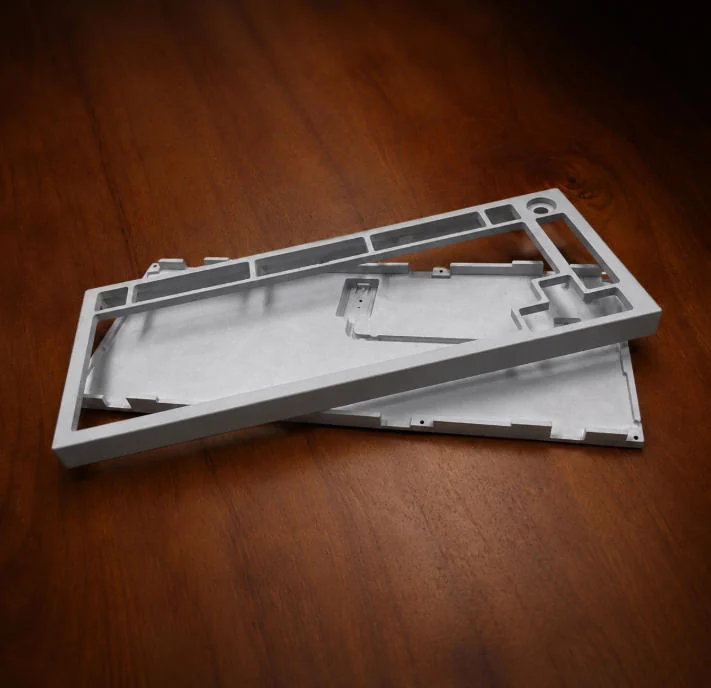
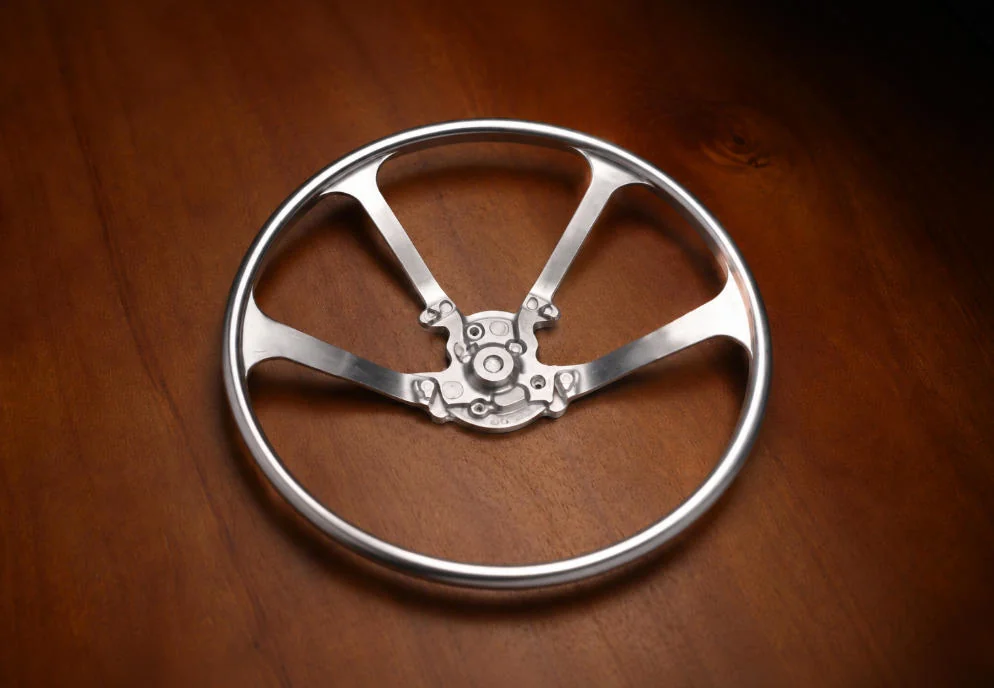
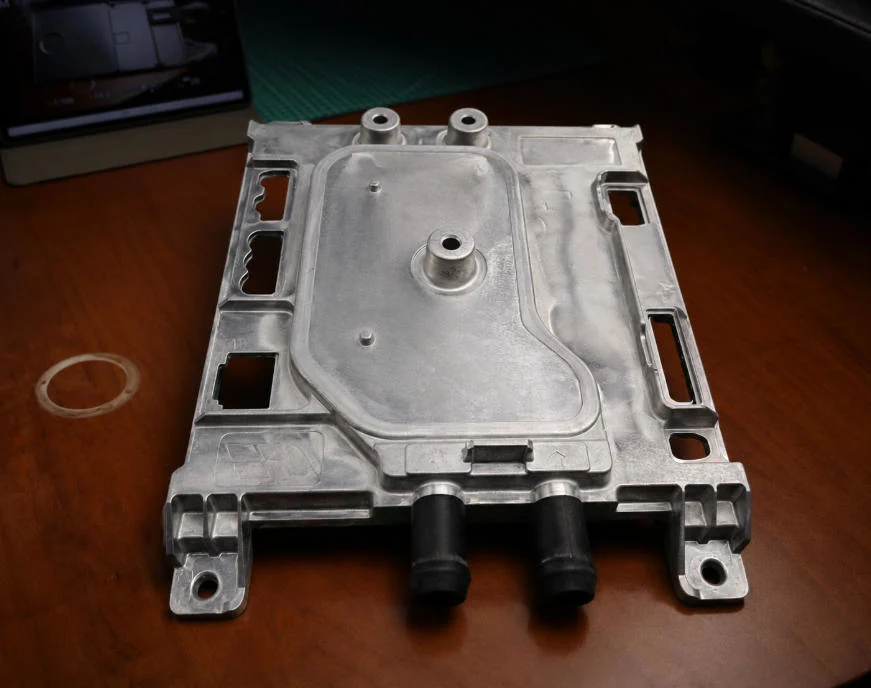
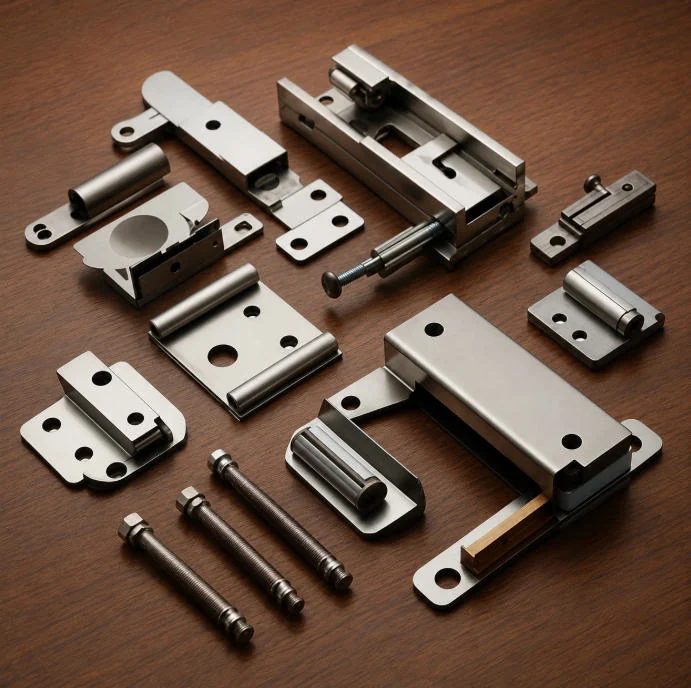
Lightweight Magnesium Engineering Applications
Lightweight Magnesium Engineering Applications
Magnesium projects are reviewed for lightweight structures, compact electronics assemblies and applications where material choice affects weight, performance and finishing risk.
Magnesium Die Casting Materials
Magnesium Alloy Selection Guide
Magnesium alloy selection depends on the application, structural requirement, ductility, toughness and production risk. FSD reviews material options before tooling coordination.
AZ91D
AZ91D is commonly reviewed for general magnesium structural projects where strength, castability and project feasibility need to be balanced.
General magnesium project evaluation
Suitable for structural review
Structural Covers
Industrial Components
AM60B
AM60B is reviewed for automotive and impact-related projects where ductility and project-specific performance matter.
Automotive project support
Useful for lightweight structures
Lightweight Structures
Assembly Components
AM50A
AM50A is considered for projects where toughness and impact-related requirements are important to the component application.
Impact-oriented project evaluation
Supports lightweight design review
Protective Structures
Lightweight Assemblies
Magnesium Project Support Workflow
FSD evaluates magnesium projects through a focused engineering route before tooling coordination and production planning.
Manufacturing Integration
From Engineering Review to Production Support
A project support route focused on material recommendation, tooling coordination, prototype validation and production support.
Risk Control
Magnesium Project Risk Control
Magnesium projects need early risk review around material selection, casting feasibility, machining planning and surface protection.
Quality Control
Magnesium Component Quality Control
Quality planning focuses on material verification, dimensional inspection, surface inspection, process documentation and final reporting.
Material Choice
Magnesium vs Aluminum Die Casting
A quick decision table for projects comparing lightweight magnesium project support against aluminum die casting routes.
| Factor | Magnesium | Aluminum |
|---|---|---|
| Weight | Very lightweight material option | Lightweight and widely used |
| Strength | High strength-to-weight ratio after project review | Good structural strength for many housings |
| Machinability | CNC planning required for critical features | CNC post-machining commonly supported |
| Application | Lightweight housings, electronics structures and automotive components | Housings, heat sinks, motor parts and industrial components |
FAQ
Magnesium Die Casting Frequently Asked Questions
What are the advantages of magnesium die casting?
Magnesium die casting can support lightweight components, high strength-to-weight performance and complex structures after engineering review.
When should magnesium be selected instead of aluminum?
Magnesium may be considered when weight reduction is a primary requirement and the part geometry, finish and production plan are suitable after evaluation.
What magnesium alloys are available?
Common project review materials include AZ91D, AM60B and AM50A depending on application, toughness, ductility and structural requirements.
Can magnesium die cast parts be CNC machined?
Yes. CNC machining can be planned for critical surfaces, holes, threads and assembly interfaces after casting feasibility review.
How do you control magnesium casting risks?
Risk control includes material assessment, part design review, casting feasibility review, machining planning, surface protection and inspection planning.
What applications use magnesium components?
Typical applications include lightweight housings, automotive components, electronics structures and industrial lightweight parts.
Can you support prototype and production?
FSD can support engineering review, prototype validation and production planning depending on drawing, material and project requirements.
What information is required for project review?
Please provide 2D drawings, 3D files, target material, application, quantity, tolerance, finish requirements and any performance requirements.
Engineering Review Before Quotation
Start Your Magnesium Die Casting Project
Send your project requirements and drawings. Our engineering team will review material selection, casting feasibility and production planning.
- 2D drawings and 3D CAD files
- Target magnesium alloy or material goal
- Weight reduction requirement
- Critical dimensions and tolerance
- Surface protection requirement
- Prototype or production quantity