
Magnesium Die Casting
Lightweight applications requiring high strength-to-weight ratio.
Review Magnesium Projects →A practical engineering guide covering aluminum, zinc and magnesium die casting, tooling, defects, tolerances and design considerations for OEM parts.
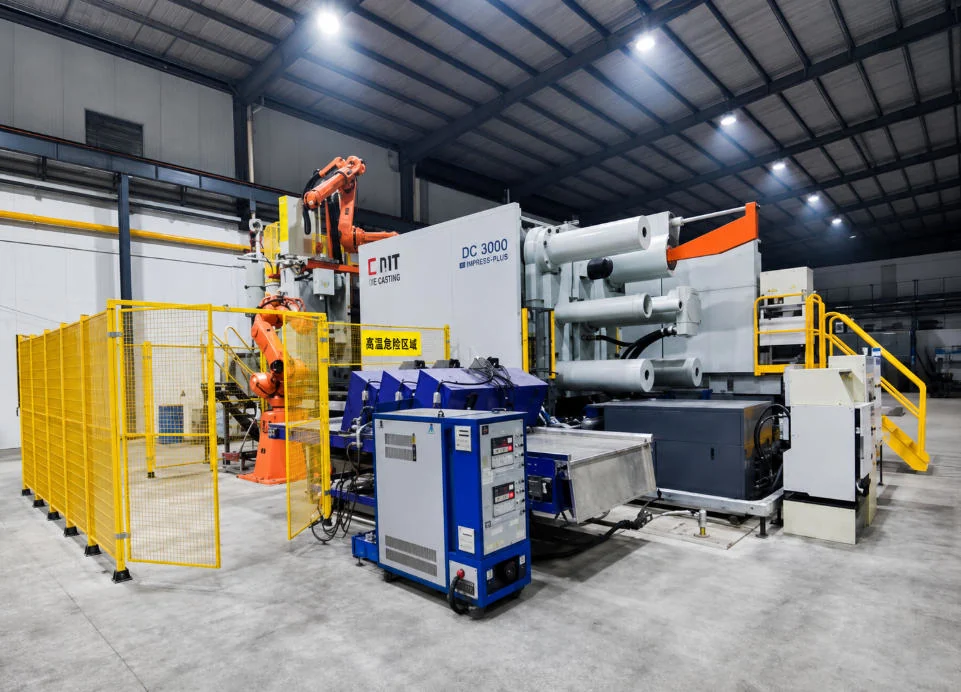
Die casting is a metal manufacturing process where molten alloy is injected into a steel mold under high pressure to create complex components with high repeatability, dimensional consistency and production efficiency. It is widely used for aluminum, zinc and magnesium OEM parts that require stable production volume, thin walls, strong geometry control and secondary machining or finishing.
Lightweight structural parts, housings and heat sinks.
Explore Aluminum Die Casting →Small precision components with fine detail and stable dimensions.
Explore Zinc Die Casting →Lightweight applications requiring high strength-to-weight ratio.
Review Magnesium Projects →Select a die casting process based on alloy, component size, geometry, production volume and tooling requirements.
Need lightweight structural parts?
For housings, heat sinks, brackets and structural OEM parts.
Need small precision components?
For connectors, small housings and thin-wall precision parts.
Need maximum weight reduction?
For lightweight automotive and electronics applications.
Need complex production requirements?
For process selection, tooling feasibility and cost review.
Need help selecting the right process? Request Engineering RFQ Review →
Different die casting methods solve different alloy, volume, porosity and tooling requirements.
Best for aluminum and magnesium alloys requiring high-pressure metal injection.
Best for zinc and high-cycle production of small precision components.
Useful when lower porosity and improved mechanical properties are required.
Helps reduce gas porosity for parts with sealing, strength or appearance requirements.
Useful for lower tooling investment and lower-volume casting requirements.
Material choice affects weight, strength, corrosion resistance, tooling strategy, machining and surface finishing.
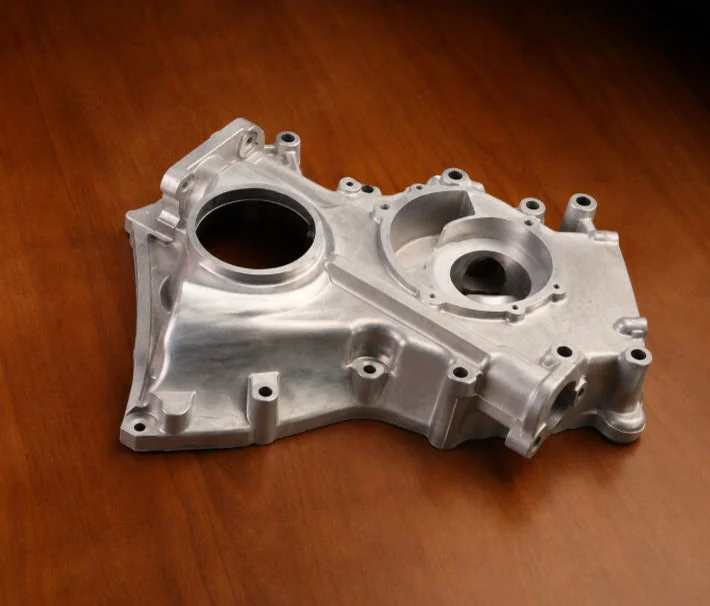
Alloys: A380, ADC12 and A356.
Applications: housings, heat sinks and structural parts.
Aluminum Die Casting →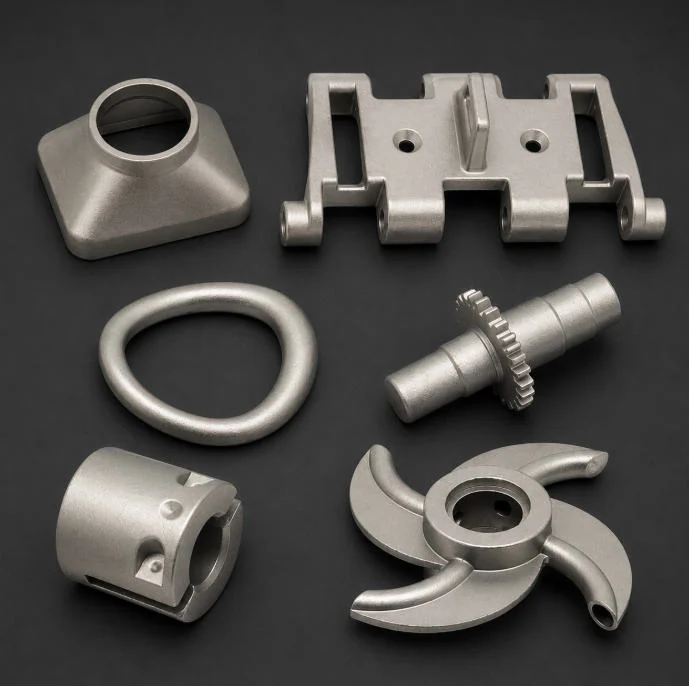
Excellent detail, thin wall capability and dimensional stability.
Applications: connectors, small housings and mechanical components.
Zinc Die Casting →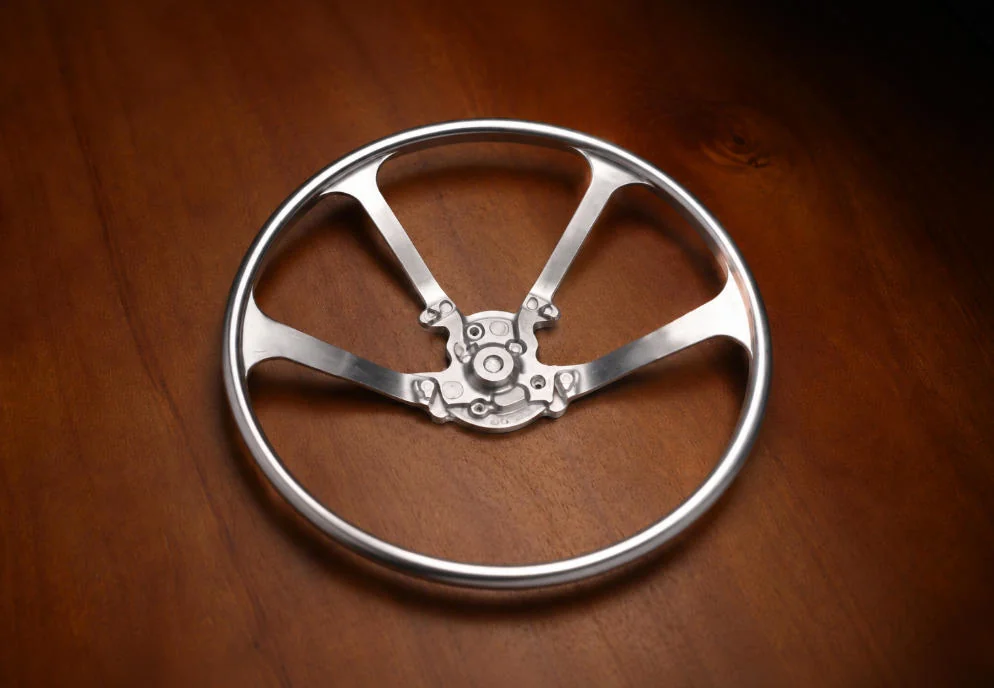
Ultra lightweight alloy option with high strength-to-weight ratio.
Applications: electronics and automotive structural components.
Tooling design controls metal flow, porosity, cycle time, tool life and production consistency.
Cavity, core and slide design define geometry feasibility, part release and production repeatability.
Gate location and size influence metal flow, filling behavior, weld lines and porosity risk.
Cooling channel layout affects cycle time, dimensional stability, heat balance and tool life.
Production volume, alloy selection, maintenance planning and thermal cycling determine tooling durability.
Die Casting Tooling →Defect prevention starts with DFM review, tooling design, process control and inspection planning.
Cause: Trapped gas.
Solution: Vacuum casting and optimized venting.
Cause: Parting line issue.
Solution: Mold maintenance and clamping control.
Cause: Poor metal flow.
Solution: Gate optimization and temperature control.
Cause: Solidification issue.
Solution: Process control and geometry review.
Die casting tolerances depend on alloy, mold design, feature size, part geometry and secondary CNC machining requirements.
| Tolerance Level | Typical Range | Use Case | Engineering Note |
|---|---|---|---|
| Standard Casting | ±0.2 mm | General cast features | Suitable for many as-cast dimensions. |
| Precision Features | Drawing Based | Mating areas and functional surfaces | Requires tooling review and inspection planning. |
| Machined Features | CNC Controlled Tolerance | Holes, threads, bores and sealing faces | Controlled by CNC post-machining. |
| Dimension | Die Casting | CNC Machining |
|---|---|---|
| Best Strength | High-volume near-net-shape parts | Precision features and tight tolerances |
| Tolerance Control | Good for as-cast geometry | Best for critical dimensions |
| Typical Use | Housings and structural forms | Bores, threads and sealing faces |
Good die casting design reduces tooling complexity, defects, machining time and production cost.
Avoid uneven thickness. Use uniform wall sections to improve filling, reduce shrinkage and support stable casting quality.
Avoid zero-draft surfaces. Add proper draft to support clean ejection and reduce tooling wear during production.
Avoid sharp corners where possible. Add radius transitions to improve metal flow and reduce local stress concentration.
Avoid complex slides when the function allows. Optimize tooling access to reduce mold complexity and maintenance cost.
Die casting cost is driven by tooling investment, alloy choice, production volume and secondary operations.
Problem: Complex molds and slides increase investment.
Optimization: Review geometry before tooling.
Problem: Alloy cost and casting behavior vary.
Optimization: Select alloy by function and volume.
Problem: Tooling cost must be amortized.
Optimization: Match tooling strategy to demand.
Problem: Critical features may need CNC finishing.
Optimization: Machine only functional areas.
Problem: Finishes add preparation and handling.
Optimization: Define appearance and protection early.
Use volume, tooling investment, geometry and tolerance requirements to select the right route.
| Dimension | Die Casting | CNC Machining |
|---|---|---|
| Volume | Best for medium to high volume | Best for prototype to low-medium volume |
| Tooling | Steel die required | No hard tooling required |
| Material | Aluminum, zinc and magnesium alloys | Metals and plastics |
| Geometry | Complex thin-wall housings | Machined features and tight tolerance geometry |
| Cost | Efficient after tooling investment | Efficient for lower volume and precision control |
Many OEM die cast parts require CNC machining, surface finishing and inspection before final delivery.
Quality control verifies cast geometry, machined features, material traceability and production readiness.
Dimensional verification for critical machined and cast features.
Internal defect review for porosity-sensitive components.
Functional verification for housings, channels and sealed parts.
Alloy traceability and production documentation.
Quality Control →Typical die casting projects combine alloy selection, tooling, secondary machining, finishing and inspection.

Process: Die Casting + CNC + Anodizing
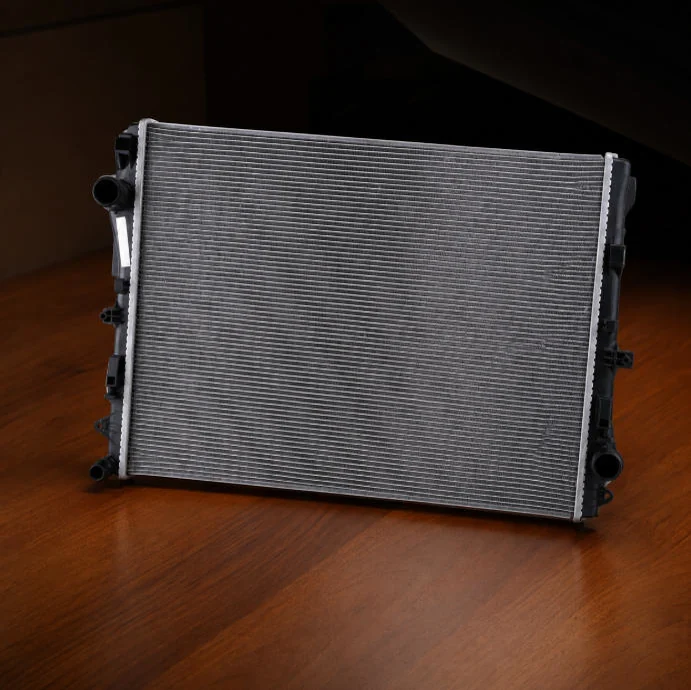
Process: Aluminum Die Casting
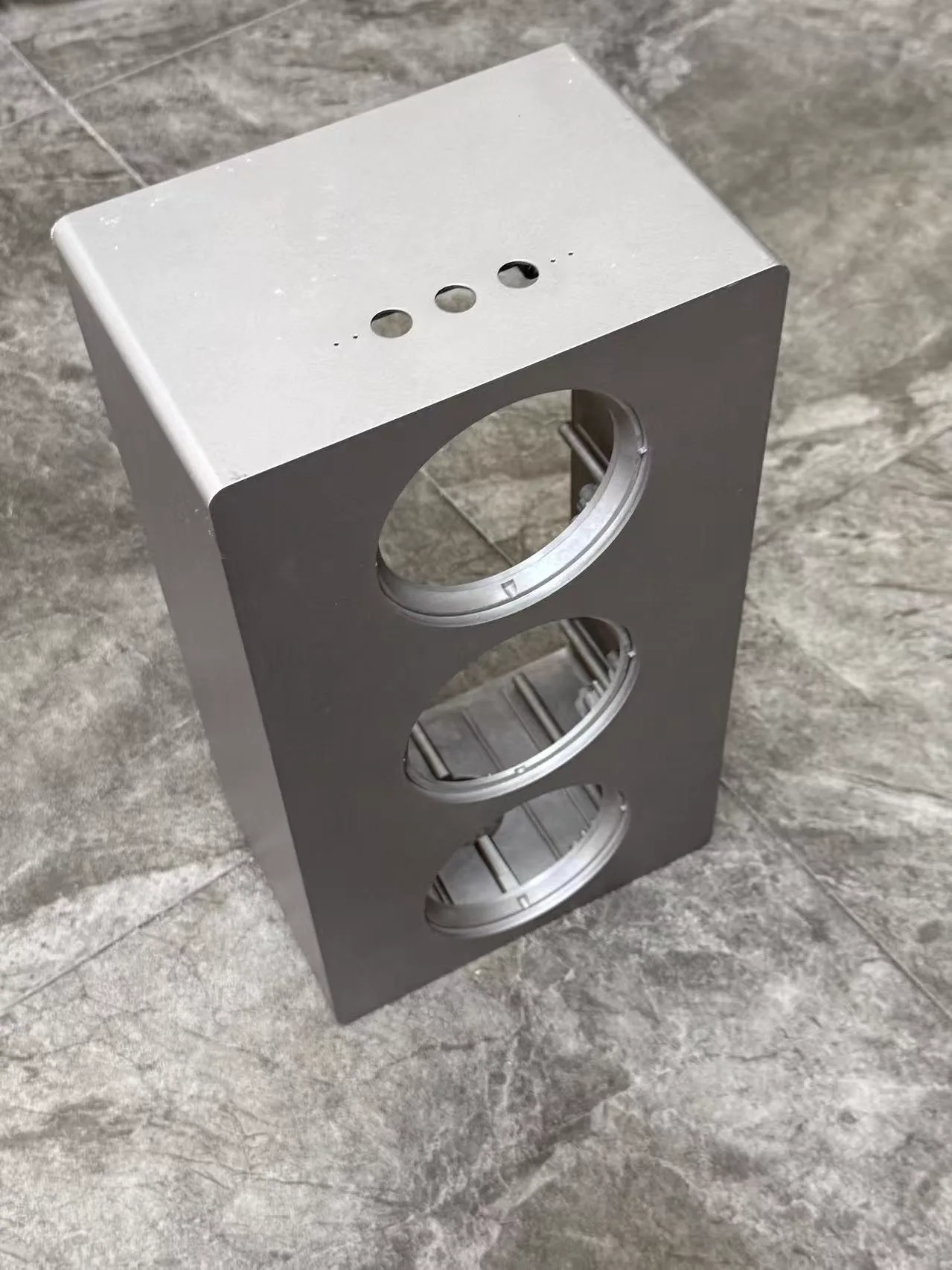
Process: Zinc Die Casting + Plating
Die casting is a high-pressure metal manufacturing process used to produce complex aluminum, zinc and magnesium OEM components with repeatable dimensional consistency.
Common metals include aluminum alloys such as A380 and ADC12, zinc alloys for small precision parts and magnesium alloys for lightweight applications.
Aluminum die casting is used for lightweight housings, heat sinks, brackets and structural parts requiring scalable production. Explore Aluminum Die Casting.
Zinc die casting supports small precision components with fine detail, thin walls and stable dimensions. Explore Zinc Die Casting.
Cold chamber die casting is typically used for aluminum and magnesium, while hot chamber die casting is commonly used for zinc and high-cycle small component production.
Cost depends on tooling, material, production volume, machining, surface finishing and inspection requirements.
Typical defects include porosity, flash, cold shut and shrinkage. DFM review and process control help reduce these risks.
Yes. CNC post-machining is used for critical holes, bores, threads, sealing surfaces and tolerance-controlled features. Die Casting + CNC Post-Machining.
Standard casting features may be around ±0.2 mm, while machined features can be controlled through CNC post-machining based on drawings.
Tooling timing depends on mold complexity, cavity design, slides, cooling channels and validation needs.
Upload CAD files, material requirements, quantity and finish requirements. FSD engineers review die casting feasibility, tooling strategy, machining requirements and production risk before quotation.