
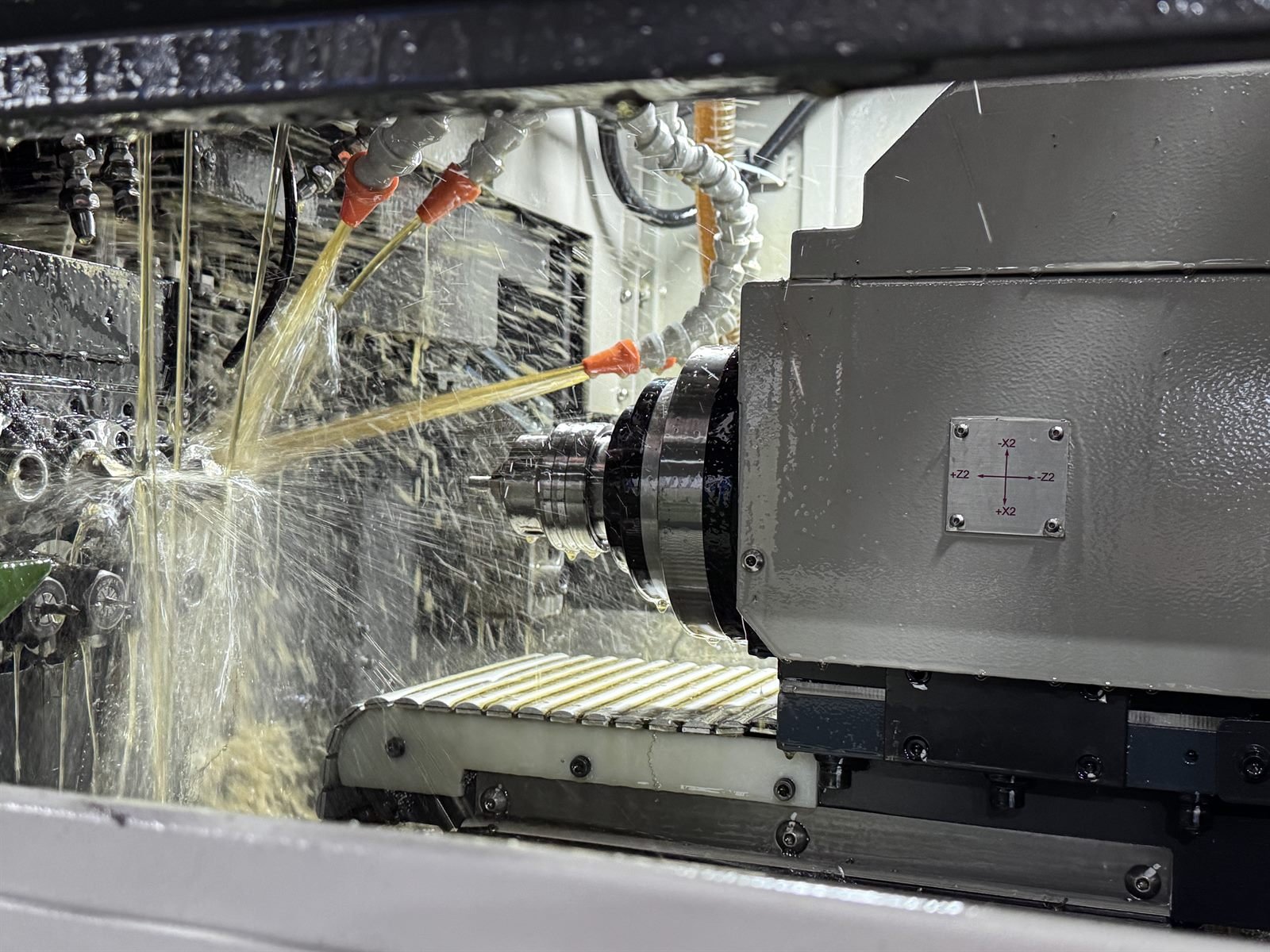
3-Axis CNC Milling
Cost-effective milling for plates, housings, brackets, covers, fixtures, and flat or pocketed features.
Get QuoteFSD Precision provides custom CNC milling services for metal and plastic OEM parts based on drawings, samples, or technical requirements. Our team reviews material, geometry, tolerances, surface finish, inspection scope, quantity, and application needs before quotation.
FSD Precision provides CNC milling services for custom OEM parts based on drawings, samples, or technical requirements. We support aluminum, stainless steel, steel, brass, copper, and engineering plastic components, from prototype validation to low-volume and batch production. Before quotation, our engineering team reviews material selection, tolerance requirements, geometry, surface finish, inspection needs, and production route.
Choose the milling route according to part geometry, access direction, tolerance focus, surface finish, and production quantity.
Cost-effective milling for plates, housings, brackets, covers, fixtures, and flat or pocketed features.
Get Quote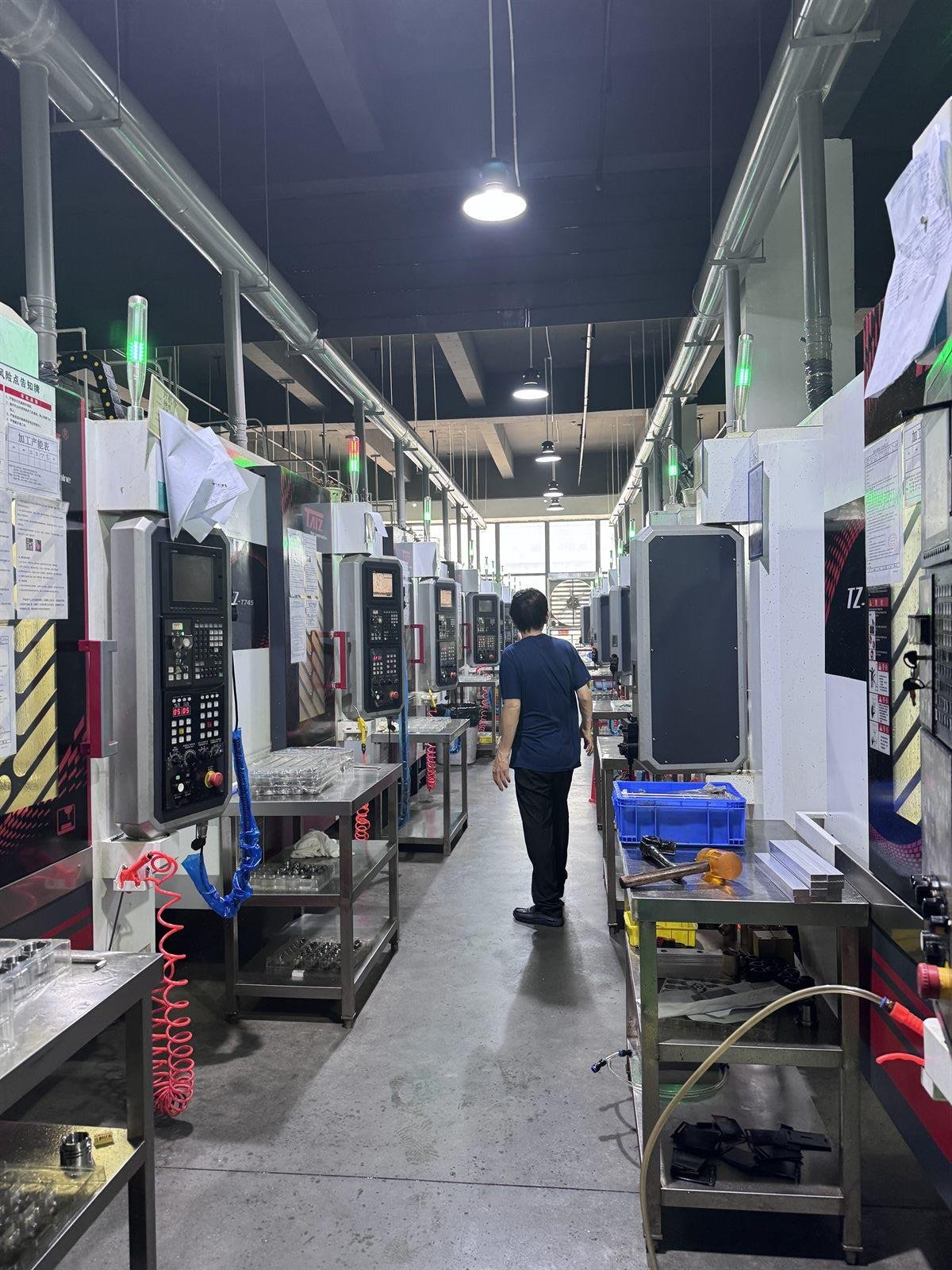
Reduces repositioning for parts requiring features around multiple sides or rotary access.
Get Quote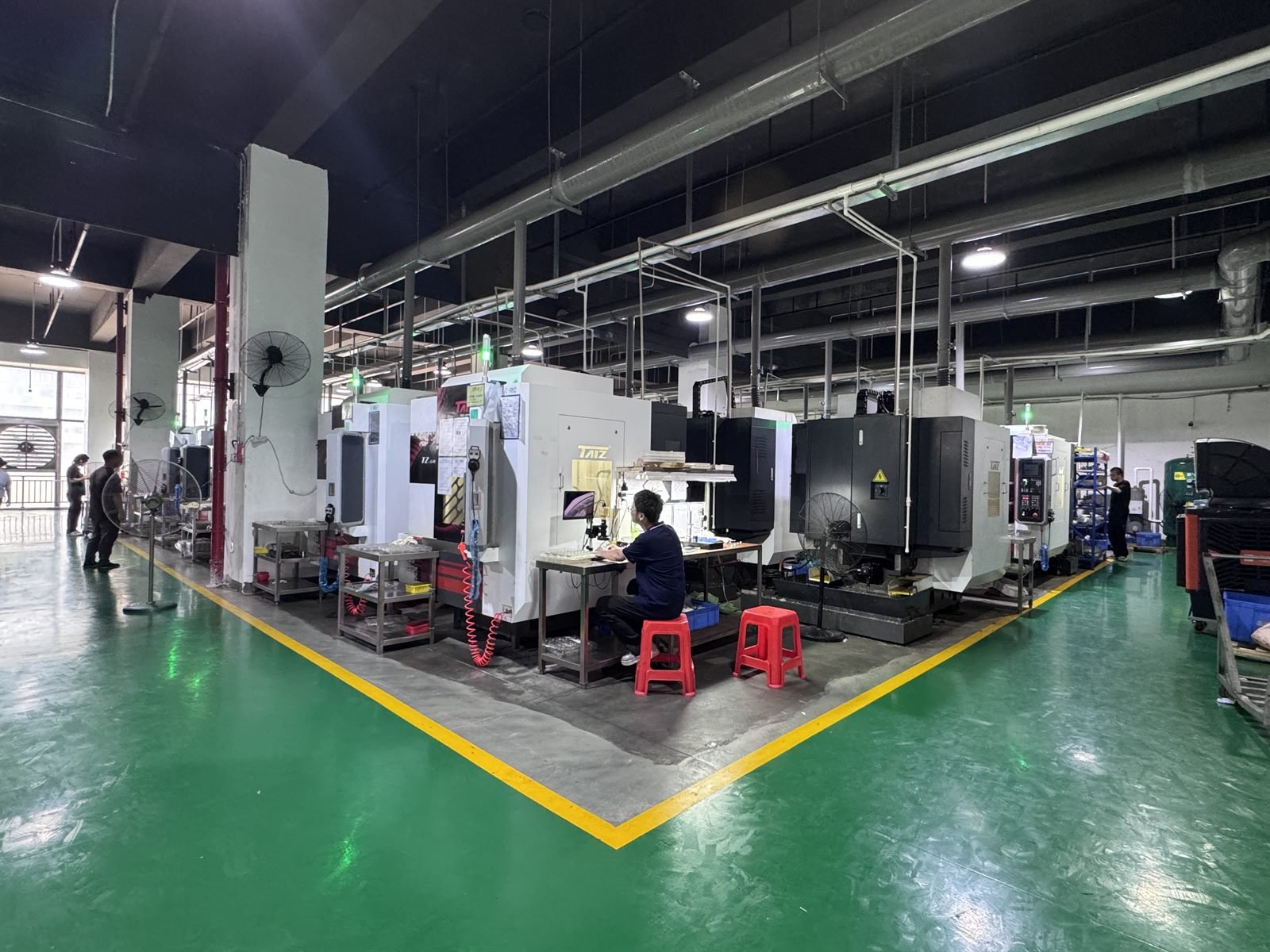
Supports complex surfaces, difficult access, multi-angle features, and reduced setup transitions.
Get QuoteThe quotation route changes depending on whether the project is a sample, pilot build, bridge order, or repeat production run.
Design validation, material review, functional samples, and early geometry checks.
Pilot builds, replacement parts, bridge production, and project-specific industrial components.
Repeat orders with fixture planning, process control, inspection, finishing, packaging, and export delivery.
Slide through common CNC milling materials, then select one to review grades, applications, finish options and RFQ confirmation points.
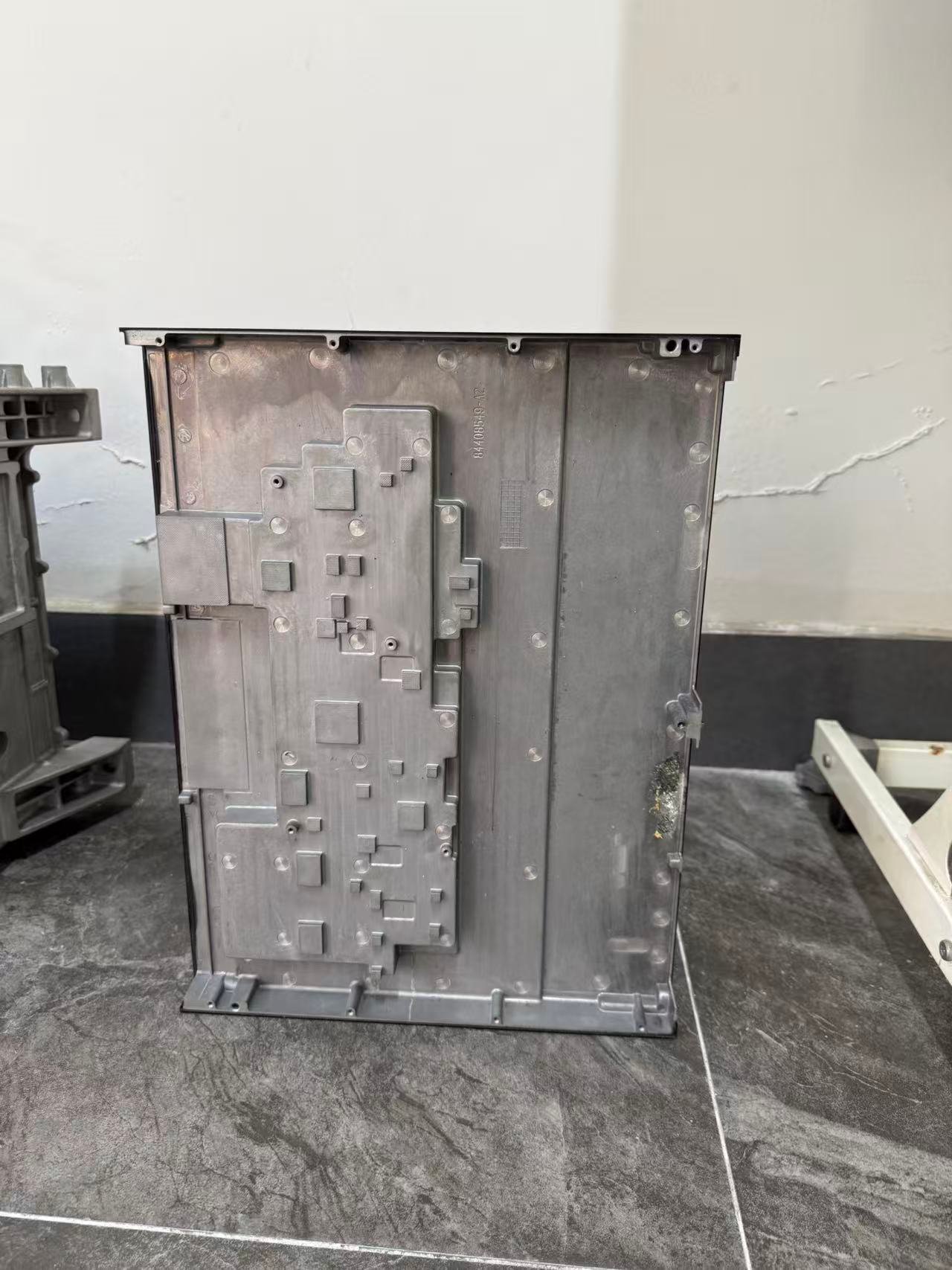
Common CNC milled aluminum grades include 6061, 6063, 7075, 5052, 2024 and 6082. Aluminum is often selected for lightweight housings, brackets, panels, fixtures, heat sinks and prototype-to-production OEM parts.
Final tolerance, surface roughness and inspection scope are confirmed according to drawings, material, quantity and application requirements.
| Item | Reference / Option |
|---|---|
| General tolerance | According to drawing or ISO 2768 when applicable |
| Standard machining tolerance | ±0.05 mm to ±0.10 mm depending on material and geometry |
| High precision features | Down to ±0.01 mm when design, material and process allow |
| Surface roughness | Ra 3.2 / Ra 1.6 / Ra 0.8 depending on requirement |
| Threads | Metric, UNC, UNF available |
| Inspection | CMM, caliper, height gauge, thread gauge, surface roughness inspection available |
Finish selection depends on appearance, corrosion resistance, wear requirement, assembly interface and customer drawing notes.
Representative part families for OEM equipment, industrial assemblies, thermal management, automation and custom manufacturing projects.
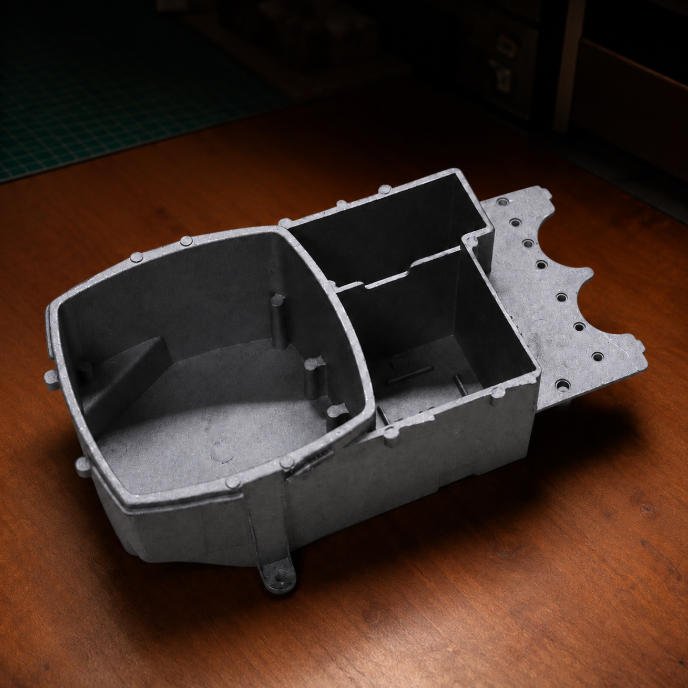
CNC milled housings for electronics, control units and equipment assemblies.
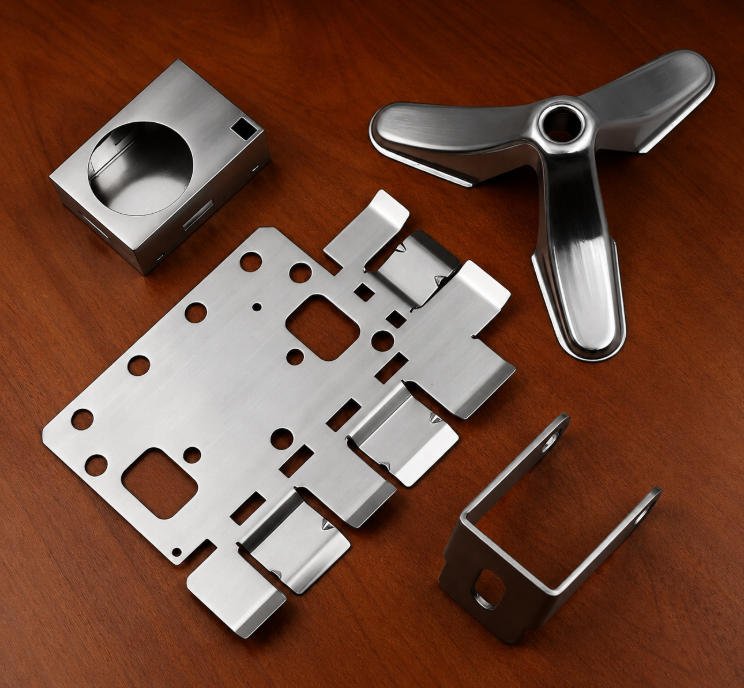
Lightweight support parts, mounting brackets and structural components.
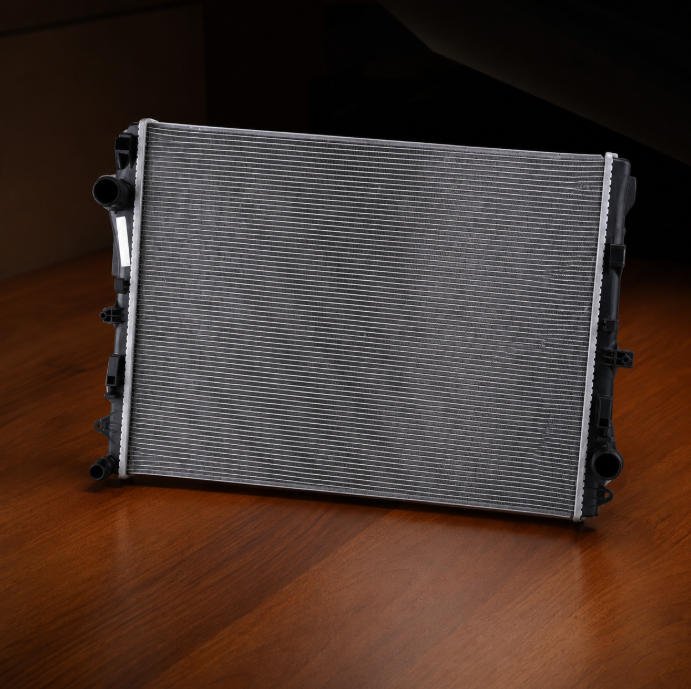
Thermal management parts for power electronics and energy systems.
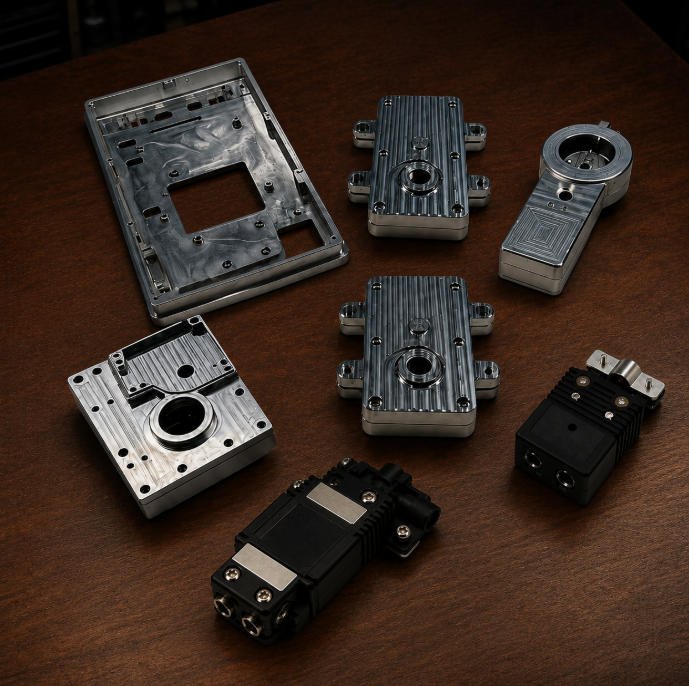
Machined interfaces, connector bodies and fit-critical components.
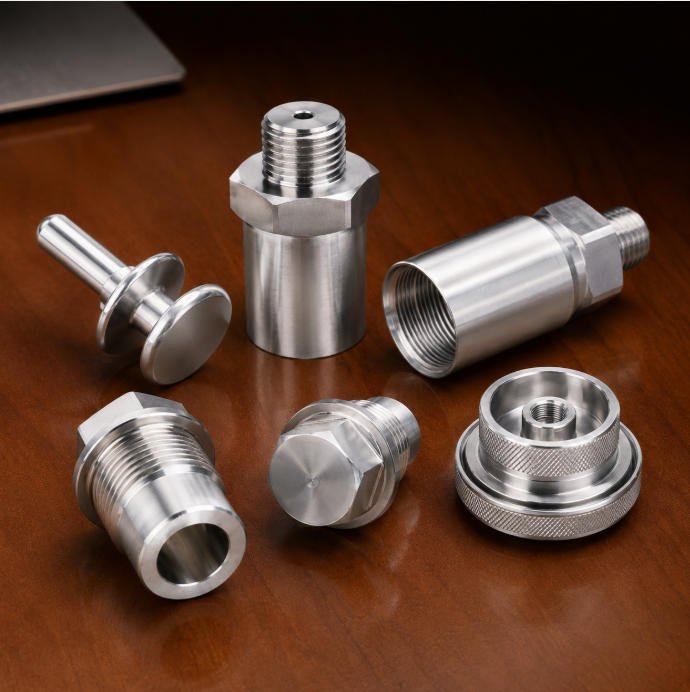
Custom machined parts for fixtures, modules and machinery.
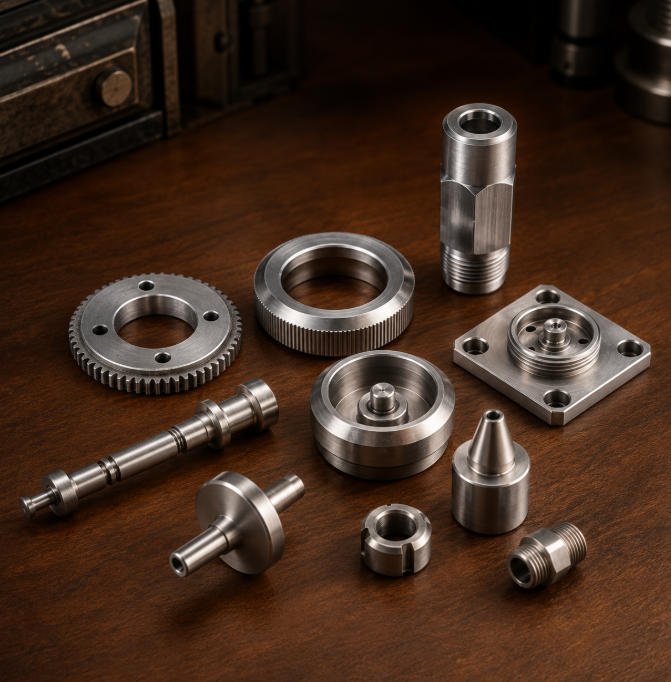
Drawing-based components for prototype, bridge and repeat production projects.
FSD supports OEM buyers where machined parts need stable dimensions, functional surfaces and documented inspection.
Brackets, housings and fixture parts.
Machine parts and motion modules.
Precision plates and fixture components.
Housings, supports and functional parts.
Machinery and instrument components.
Thermal, enclosure and connector parts.
Inspection planning is based on drawings, critical dimensions, material requirements, surface finish and application needs.
FSD uses an engineering review-based quotation process instead of automatic instant pricing.
Send 2D drawings, 3D files, photos, samples or part requirements.
Review geometry, tolerance, material, surface finish and application needs.
Confirm route, fixture approach, finishing and inspection scope.
Confirm quote scope, quantity, production route and delivery plan.
Coordinate machining, process checks and final inspection.
Support finishing, packaging and export-ready handoff.
CNC milling is a subtractive machining process that uses rotating cutting tools to remove material from a workpiece and create custom parts based on CAD files or technical drawings.
Common CNC milling materials include aluminum, stainless steel, steel, brass, copper, and engineering plastics such as POM, ABS, Nylon, PC, PEEK and PTFE.
Standard machining tolerances are often in the ±0.05 mm to ±0.10 mm range depending on material and geometry. High precision features can be reviewed down to ±0.01 mm when design, material and process allow.
3-axis milling is suitable for many plates, pockets and simple housings. 4-axis milling helps with side features and indexed machining. 5-axis milling is reviewed for complex shapes, difficult access and multi-angle features.
CNC milling uses rotating cutting tools for prismatic, pocketed and multi-face parts. CNC turning rotates the workpiece and is better suited for shafts, bushings, threaded round parts and rotational components.
Yes. FSD can support as-machined finish, anodizing, bead blasting, polishing, brushing, powder coating, painting, plating, black oxide and heat treatment depending on material and requirements.
Yes. FSD supports prototype, low-volume and batch CNC milling projects after engineering review of drawings, material, tolerance, finishing and inspection requirements.
Please send 2D drawings, 3D CAD files, material requirements, quantity, surface finish, tolerance notes, critical dimensions, and application information when available.
Upload your drawings, 3D files or part requirements. FSD Precision will review your material, tolerance, surface finish, quantity and inspection needs before quotation.