
Cold Chamber Die Casting
For aluminum and magnesium components requiring structural strength, dimensional stability and CNC post-machining support.
Explore Cold Chamber →SEMI-SOLID METAL CASTING
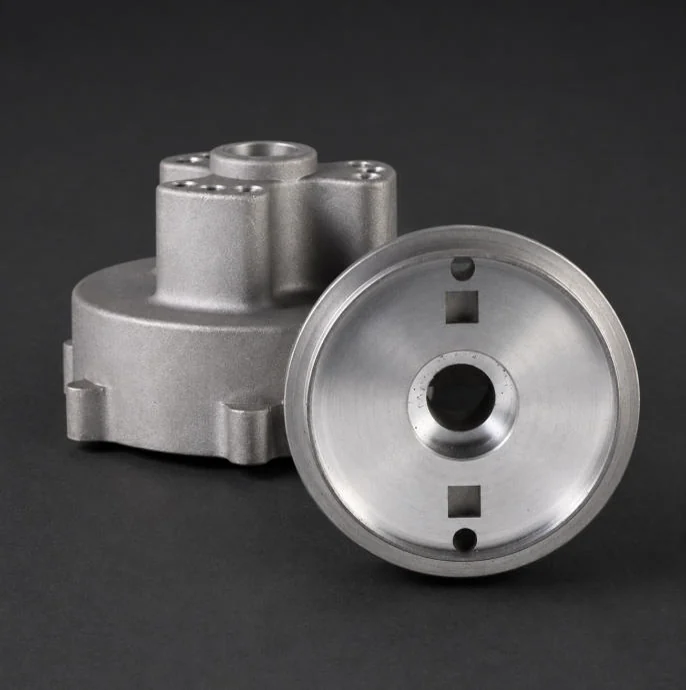
FSD Precision supports semi-solid metal casting solutions for lightweight, high-strength components requiring improved mechanical performance, reduced porosity and near-net-shape production.
DIRECT ANSWER
Semi-solid metal casting, also known as SSM or semi-solid die casting, is an advanced manufacturing process where metal is formed in a controlled thixotropic state with a typical solid fraction of about 30%–50%.
Compared with conventional die casting, semi-solid metal processing improves flow control, reduces turbulence and supports low porosity aluminum and magnesium components with better mechanical performance.
For suitable alloys such as A356 and A357, semi-solid aluminum casting can support T4, T5 and T6 heat treatment. This helps solve a common high pressure die casting limitation where internal porosity can restrict heat treatment, welding and high-performance structural applications.
MATERIAL STATE TRANSFORMATION
The semi-solid casting route transforms metal from solid preparation into a controlled semi-solid state before forming the final component.
Semi-solid casting controls metal behavior between liquid and solid states to improve flow stability, reduce turbulence and support high-performance component production.
PROCESS COMPARISON
| Factor | Semi-Solid Casting | Conventional Die Casting |
|---|---|---|
| Metal State | Semi-solid slurry | Fully liquid metal |
| Flow Control | Better control | Higher turbulence |
| Process Control | Controlled metal flow | Higher turbulence risk |
| Porosity | Reduced risk | Higher risk |
| Mechanical Properties | Improved | Standard |
| Applications | High-performance parts | General production parts |
Compare Other Casting Processes: Cold Chamber Die Casting and Hot Chamber Die Casting.
ADVANCED CASTING ADVANTAGE
Semi-solid metal casting is selected when OEM components need lower porosity risk, improved strength and controlled metal flow for advanced casting technology projects.
Semi-solid slurry behavior helps reduce turbulence and supports more stable filling for high-performance metal components.
Rheocasting and thixocasting routes can improve consistency where strength and reliability are important.
Semi-solid aluminum casting supports lightweight geometry with reduced finishing and machining risk.
TECHNOLOGY METHODS
Metal slurry is prepared before injection, improving flow control and reducing defects.
Pre-solidified billets are reheated into a semi-solid state before forming.
MATERIAL SELECTION
| Material | Details |
|---|---|
| A356 Aluminum | Lightweight structural components with mechanical performance and casting stability. |
| A357 Aluminum | High-performance aluminum parts requiring improved strength and fatigue performance. |
| 6061 Aluminum | Special aluminum applications where lightweight design and machinability are required. |
| AZ91 Magnesium | Weight reduction applications requiring a high strength-to-weight ratio. |
For aluminum casting requirements, explore our Aluminum Die Casting Solutions. Lightweight projects can also be reviewed through Magnesium Die Casting Support.
| Details | |
|---|---|
| Min Wall Thickness | 1.5 mm – 2.0 mm. Feature dependent; uniform wall design improves filling stability. |
| Dimensional Tolerance | ISO 8062 CT4 – CT6. Critical datums can be finished by CNC machining. |
| Porosity Standard | ASTM E505 Level 1 - Level 2. Low porosity target depends on process validation and inspection plan. |
| Heat Treatment | T4, T5 and T6 capable for suitable semi-solid aluminum alloys after casting. |
| Surface Roughness | Ra 1.6 – 3.2 µm as-cast. Final surface depends on tooling, process route and finishing requirements. |
APPLICATIONS
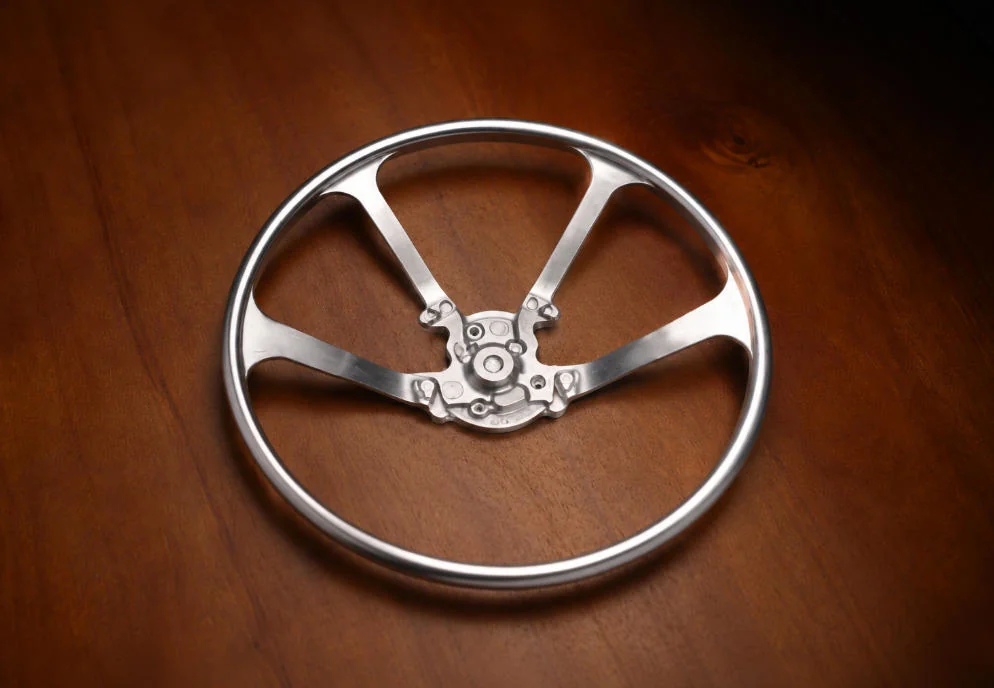
Weight reduction and improved strength for high-performance vehicle structures.
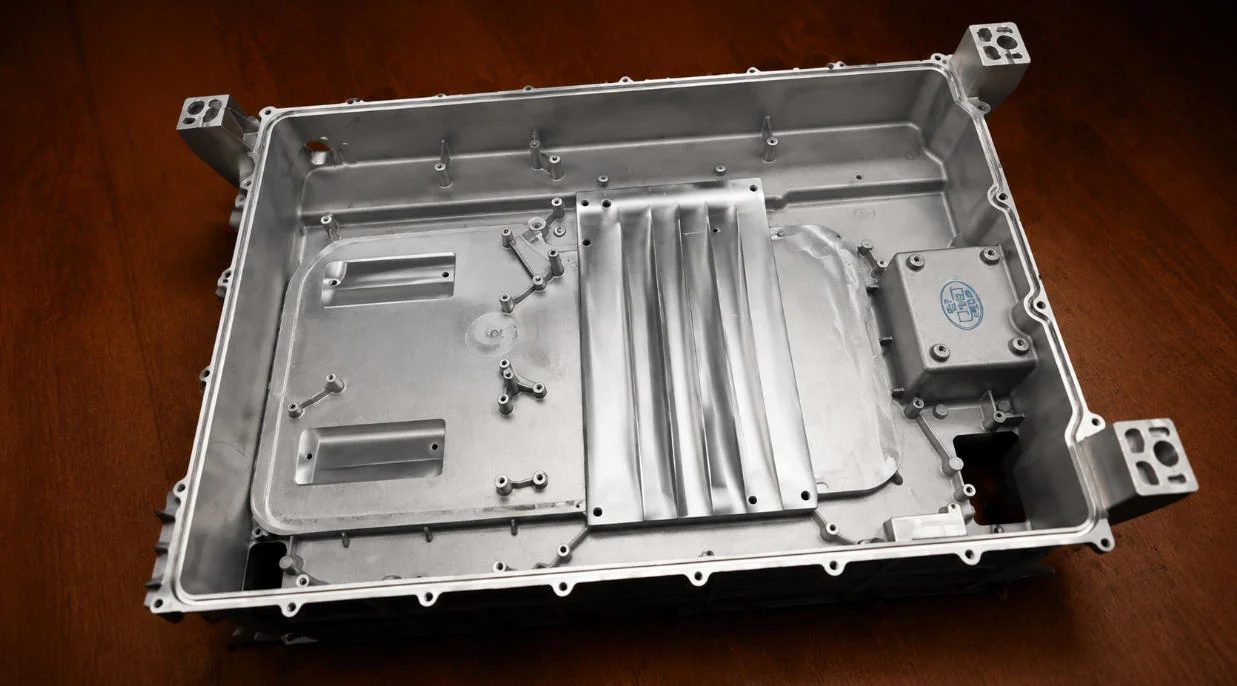
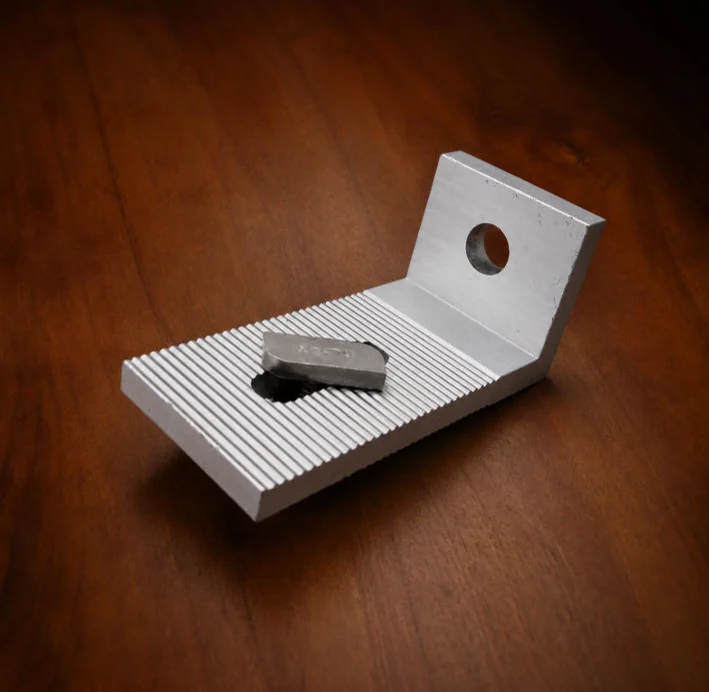
Near-net-shape production for engineered metal components.
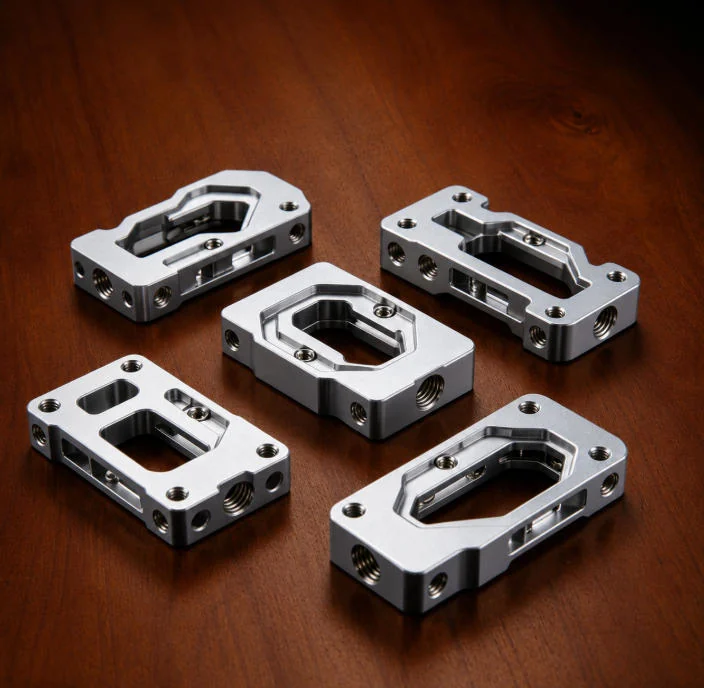
Reduced porosity risk for demanding mechanical applications.
DESIGN REVIEW
| Design Factor | Risk | Engineering Solution |
|---|---|---|
| Wall Thickness | Uneven Filling | Uniform Wall Design |
| Geometry | Flow Problems | Optimize Transitions |
| Ribs | Defects | Balanced Reinforcement |
| Machining Allowance | Tolerance Variation | Plan Secondary Machining |
CAPABILITY
Material routes for semi-solid aluminum casting and lightweight magnesium projects.
Controlled metal state for improved flow behavior and reduced turbulence risk.
Suitable for lightweight parts requiring strength, stability and near-net-shape production.
Engineering review supports process validation before repeat manufacturing.
Post-machining support for critical datums, holes, threads and precision interfaces.
Critical features can be completed through CNC Machining and Surface Finishing operations.
QUALITY CONTROL
FAQ
Semi-solid metal casting forms metal while it is partially solid and partially liquid, improving control during forming.
Conventional die casting injects fully liquid metal, while semi-solid casting uses a controlled slurry to reduce turbulence and porosity risk.
Common materials include selected aluminum alloys such as A356, A357 and 6061, plus magnesium alloys for weight reduction projects.
Benefits include reduced porosity risk, improved mechanical performance, better flow control and near-net-shape production.
Yes. Semi-solid aluminum casting can support high-performance components requiring strength, lightweight design and defect control.
Rheocasting prepares a semi-solid slurry before injection, while thixocasting reheats a pre-solidified billet into a semi-solid state before forming.
Yes. CNC machining can be added for tight tolerances, threaded features, sealing surfaces and precision interfaces.
Send 3D files, 2D drawings, material requirements, annual volume, surface requirements and performance targets.
PROCESS SELECTION
Compare cold chamber, hot chamber and semi-solid casting routes before tooling review.
ENGINEERING RFQ
Send your drawings and project requirements. Our engineering team will review process suitability, material selection and manufacturing requirements.