
Technical Requirements
Drawings, models, materials and critical project requirements need to remain aligned as the project progresses.
OEM Project Support
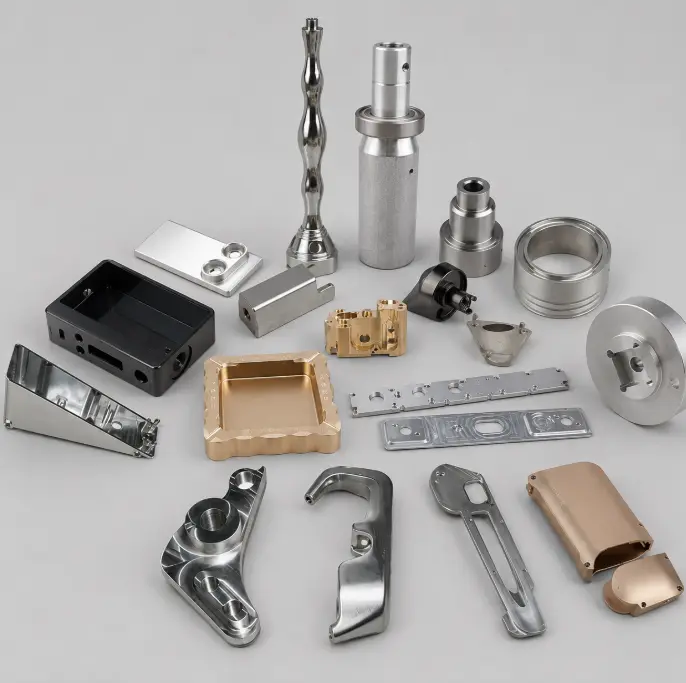
FSD Precision provides OEM project coordination for custom metal and plastic component programs, helping customers keep drawings, engineering feedback, manufacturing requirements, sample validation and production follow-up connected through one project workflow.
Manufacturing support can span machining, casting, molding, stamping, tooling and related downstream operations when required by the project.
Why It Matters
Complex OEM programs often involve changing drawings, technical feedback, sample reviews and multiple manufacturing stages. Keeping this information connected helps reduce communication gaps as the project moves toward production.
Drawings, models, materials and critical project requirements need to remain aligned as the project progresses.
Design revisions and manufacturing feedback need to be communicated before they affect downstream production.
Sample and quality and inspection requirements should remain connected to drawing and manufacturing requirements.
Project status and manufacturing stages need clear follow-up from initial review through repeat production.
OEM Program Support
Custom OEM components often move through drawing-based manufacturing with multiple parts, design revisions, sample validation and supplier transfer questions before repeat manufacturing begins. FSD helps customers review project information in context, especially when multi-process manufacturing is involved across metal and plastic components. Instead of treating drawings, technical feedback, samples and production follow-up as separate conversations, the project can be coordinated around the component requirements, current manufacturing stage and future supply expectations. This is useful for custom OEM components where drawing-based manufacturing, supplier transfer, multi-part projects and tooling through production follow-up all need clear engineering communication. OEM project coordination can also support semiconductor equipment component programs involving drawing revisions, precision interfaces, multiple manufacturing routes and repeat production.
Project Coordination
Current 2D drawings, 3D models and revision information are kept aligned with the manufacturing requirements used for the project.
Manufacturing questions and technical feedback can be coordinated before production decisions are finalized.
Process requirements are reviewed according to the component, material and downstream needs, including relevant injection molding or metal stamping requirements where applicable.
Initial sample feedback can be connected to drawing requirements and required manufacturing adjustments.
Inspection and critical project requirements can be reviewed alongside production expectations.
Project status can be coordinated as components move from review and validation into repeat manufacturing.
Project Workflow
Drawings, models and available project requirements are reviewed.
Outcome: Project requirements aligned
Technical questions, manufacturing considerations and required clarifications are reviewed.
Outcome: Technical direction confirmed
Relevant CNC machining, die casting and downstream manufacturing requirements are coordinated as part of the project plan.
Outcome: Manufacturing route prepared
Initial parts and relevant feedback are reviewed against project requirements.
Outcome: Validation feedback aligned
Approved requirements move into production with continued project follow-up.
Outcome: Production requirements released
Revisions, repeat orders and relevant manufacturing feedback can continue through the established project workflow.
Outcome: Ongoing supply coordinated
Revision Control
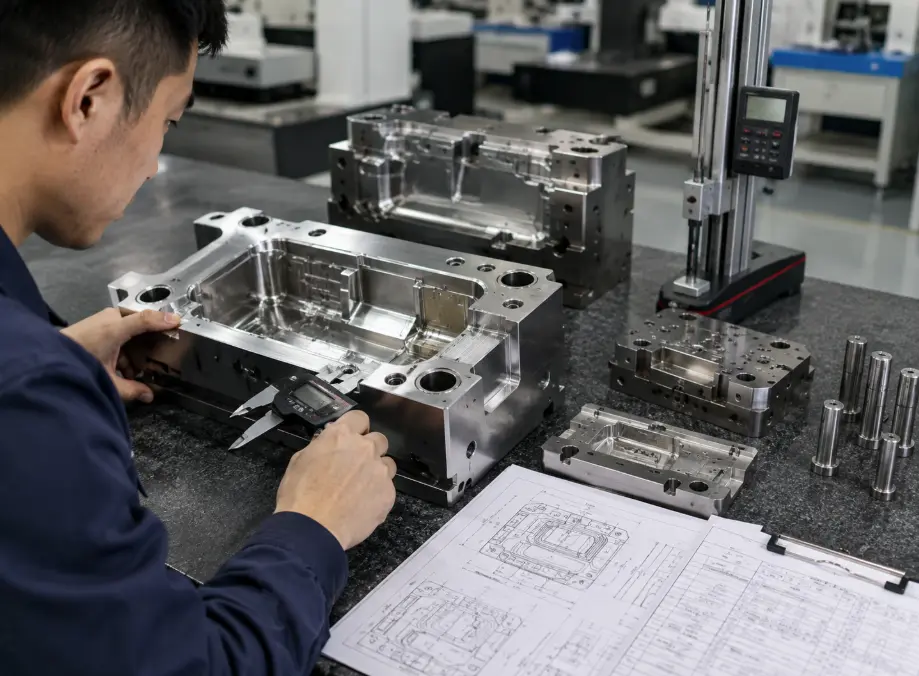
Updated drawings and models can be reviewed against the current manufacturing requirements, including relevant mold manufacturing and tooling considerations where applicable.
Relevant design or manufacturing changes can be coordinated before they move downstream.
Feedback from initial samples can be connected to the corresponding project requirements.
Approved revisions can be reflected in the information used for subsequent manufacturing stages.
One Project Communication Path
Project information should remain connected as the component moves between engineering, manufacturing and quality stages. Automotive and EV programs can also be reviewed through our Automotive & EV manufacturing solutions.
Project Inputs
| Project Information | How It Helps |
|---|---|
| 2D Drawings | Defines dimensions, critical features and drawing requirements |
| 3D Models | Supports geometry and manufacturing review |
| Material | Helps define the relevant manufacturing requirements |
| Estimated Quantity | Provides context for the intended production stage |
| Surface Requirements | Helps coordinate downstream finishing considerations |
| Assembly Requirements | Identifies interfaces, inserts and component relationships |
| Existing Samples | Helps when reviewing an existing or revised component |
| Revision Information | Helps distinguish current requirements from previous versions |
When Coordination Helps
Suitable Projects
New drawing-based components moving from engineering review toward manufacturing.
Programs involving several related custom components or assemblies.
Existing parts requiring drawing, geometry or manufacturing changes.
Projects being reviewed for transfer from an existing manufacturing source.
Components requiring coordination across more than one manufacturing process.
Established components requiring continued production and project follow-up.
Why FSD
Project discussions remain centered on drawings, models and actual manufacturing requirements.
Engineering feedback can be reviewed together with the processes used to manufacture the component.
Technical, production and quality requirements can remain connected throughout the project.
Related project information can be coordinated through one workflow instead of being separated across multiple manufacturing stages.
OEM project coordination can include drawing review, technical communication, revision follow-up, sample feedback, manufacturing coordination and production status follow-up for custom component projects.
Helpful information includes 2D drawings, 3D models, material requirements, estimated quantity, current project stage, revision information and any available samples or inspection notes.
Yes. Updated drawings and models can be reviewed against the current manufacturing requirements so relevant changes are considered before the next project stage.
Initial sample feedback can be connected to drawing requirements, inspection notes and manufacturing adjustments before approved requirements move toward production.
Yes. When a project requires CNC machining, die casting, injection molding, metal stamping, tooling or downstream operations, the related requirements can be reviewed through one project workflow.
FSD can continue project follow-up for approved components, repeat orders, relevant revisions and manufacturing feedback as the project moves into ongoing supply.
Start the Review
Send us your available drawings, models and project requirements. We can review the current project stage, identify the information needed for manufacturing, and coordinate the next steps around your component requirements.