
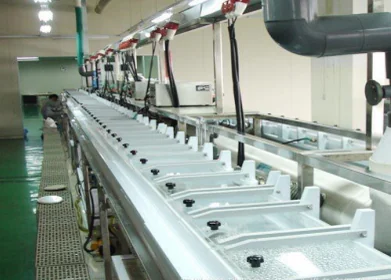
Anodizing & Powder Coating
Appearance and industrial protection routes for aluminum die cast housings.
- Anodizing for appearance protection
- Powder coating for industrial protection
- Painting for custom appearance
Aluminum Die Casting Solutions
FSD Precision provides aluminum die casting solutions for lightweight OEM components, including alloy selection, tooling development, CNC post-machining and surface finishing support.
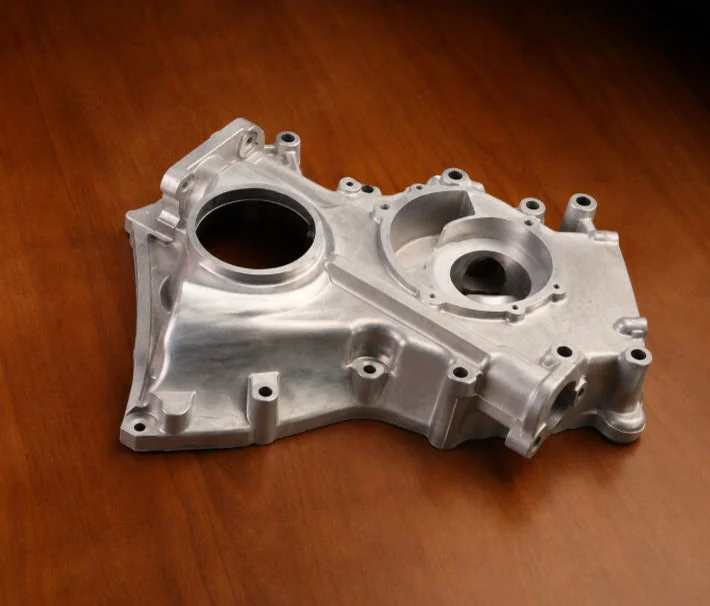
Direct Answer
FSD supports aluminum die casting projects where lightweight structure, repeatable production, post-machined accuracy and controlled surface requirements need to be reviewed together before tooling.
Aluminum alloy helps reduce component weight while keeping integrated metal features.
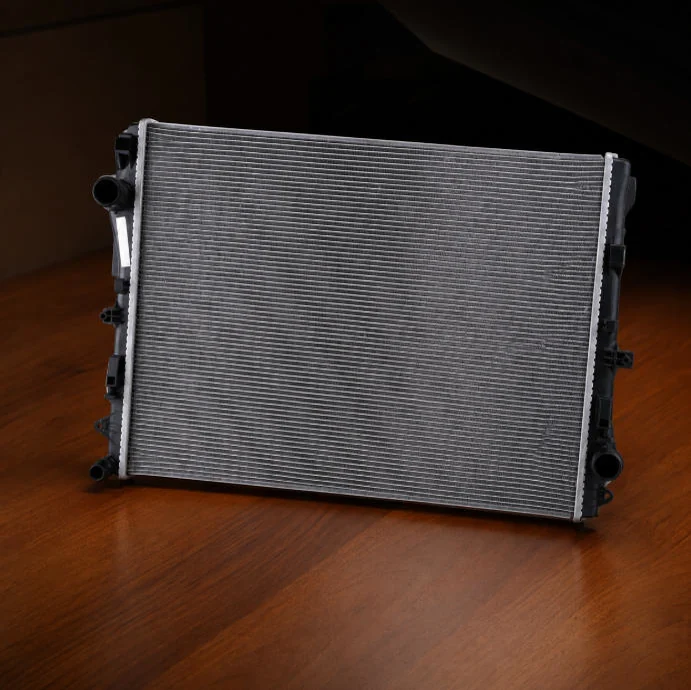
Aluminum housings and heat sink structures can support thermal requirements in electronics and power systems.
Near-net-shape casting supports repeat production and can reduce total unit cost at volume.
Capability Snapshot
A concise engineering view of FSD aluminum die casting support before quotation and tooling investment.
| Materials | ADC12 / A380 / Aluminum Alloy |
|---|---|
| Machine Capacity | 280-3500T |
| Wall Thickness | 1.5-4mm |
| Tolerance | ±0.01mm Feature dependent |
| CNC Support | Critical Feature Machining |
| Inspection | CMM / FAI |
Applications
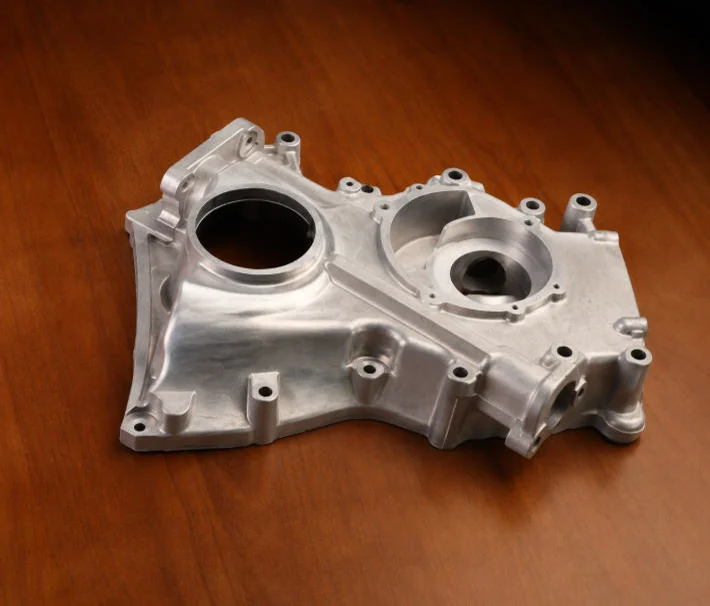
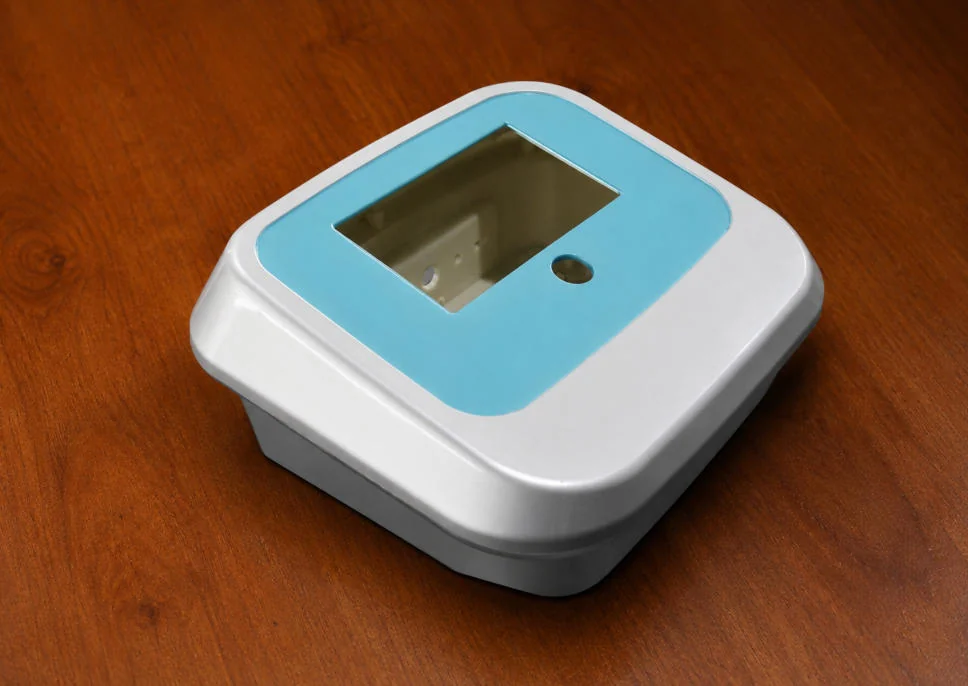
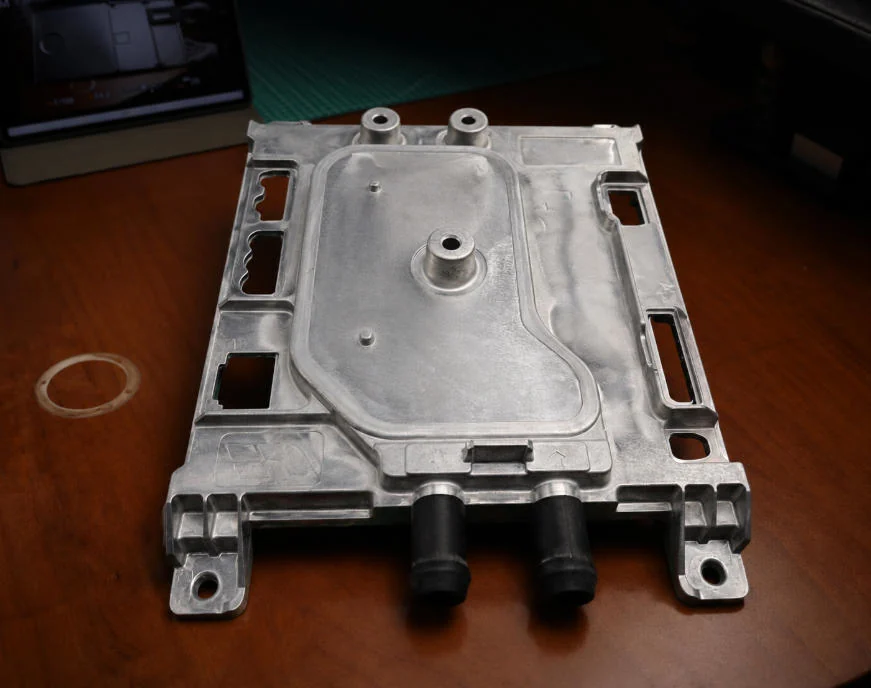
Typical aluminum die cast components are selected for lightweight structure, heat management and repeatable production.
Material Selection
Final alloy selection is confirmed after geometry, strength, finishing and production requirements are reviewed.
| Alloy | Best For | Advantages |
|---|---|---|
| ADC12 | Complex Housing | Excellent Castability |
| A380 | Structural Parts | Strength Stability |
| A360 | Pressure Tight Parts | Corrosion Resistance |
Design Review
Design choices affect filling, shrinkage, mold release, machining stability and final inspection.
| Design Factor | Risk | Solution |
|---|---|---|
| Wall Thickness | Shrinkage / Filling Issue | Uniform Wall Design |
| Draft Angle | Mold Release Issue | Optimize Draft Direction |
| Ribs & Bosses | Flow Issue | Balanced Feature Design |
| Machining Allowance | Critical Dimension Accuracy | Reserve CNC Machining Area |
Process Flow
The aluminum die casting route connects engineering review, tooling, casting, CNC post-machining and inspection.
Secondary Operations
Finishing options are selected according to appearance, corrosion protection, texture and assembly requirements.
Appearance and industrial protection routes for aluminum die cast housings.
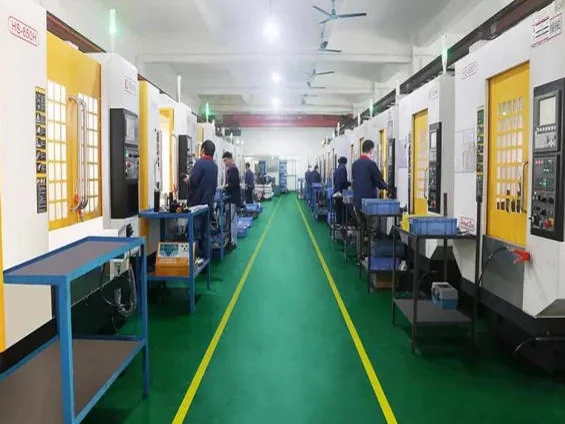
Post-processing can combine texture control with CNC-machined functional areas.
Quality Control
Quality control is planned around casting risk, porosity review, dimensional stability and final documentation needs.
Process Choice
A simple decision table for choosing the manufacturing route before quotation.
| Factor | Aluminum Die Casting | CNC Machining |
|---|---|---|
| Volume | Medium to high volume | Prototype and low volume |
| Tooling Cost | Tooling investment required | No casting mold required |
| Unit Cost | Lower at production volume | Higher for complex volume parts |
| Geometry | Complex cast shapes and integrated features | Machined from billet or stock |
| Precision | Casting plus CNC for critical features | High precision direct machining |
| Best Application | Repeat aluminum housings and structural parts | Prototypes and tight tolerance features |
FAQ
Common aluminum die casting alloys include ADC12, A380 and other project-specific alloys. Final selection depends on geometry, strength, finishing and production requirements.
ADC12 aluminum die casting is often selected for complex housings and parts requiring good castability, stable dimensions and cost-efficient production.
A380 aluminum die casting is commonly used for structural parts that require strength, dimensional stability and reliable production performance.
Yes. CNC post-machining is often used for holes, threads, sealing surfaces, datum features and other critical dimensions after aluminum die casting.
Defect control starts with DFM review, wall thickness review, gate and overflow planning, trial validation, porosity inspection and dimensional verification.
Surface finishing options may include anodizing, powder coating, sand blasting and painting depending on alloy, appearance and protection requirements.
FSD supports engineering review, tooling discussion, trial validation and repeat production planning based on drawing and project requirements.
Please provide 2D drawings, 3D CAD files, alloy requirements, quantity, tolerance, surface finish expectations and application information.
Engineering Review Before Quotation
Send drawings, alloy requirements and project details. Our engineering team will review material selection, tooling feasibility and production requirements.