
Hot Chamber Die Casting Services | Zinc Components Production | FSD Precision
FSD Precision

Hot Chamber Die Casting

Hot Chamber Die Casting for High-Speed Zinc Component Production

FSD Precision provides hot chamber die casting solutions for zinc and other low-melting alloys, supporting high-volume production, fine details, surface finishing and quality verification.
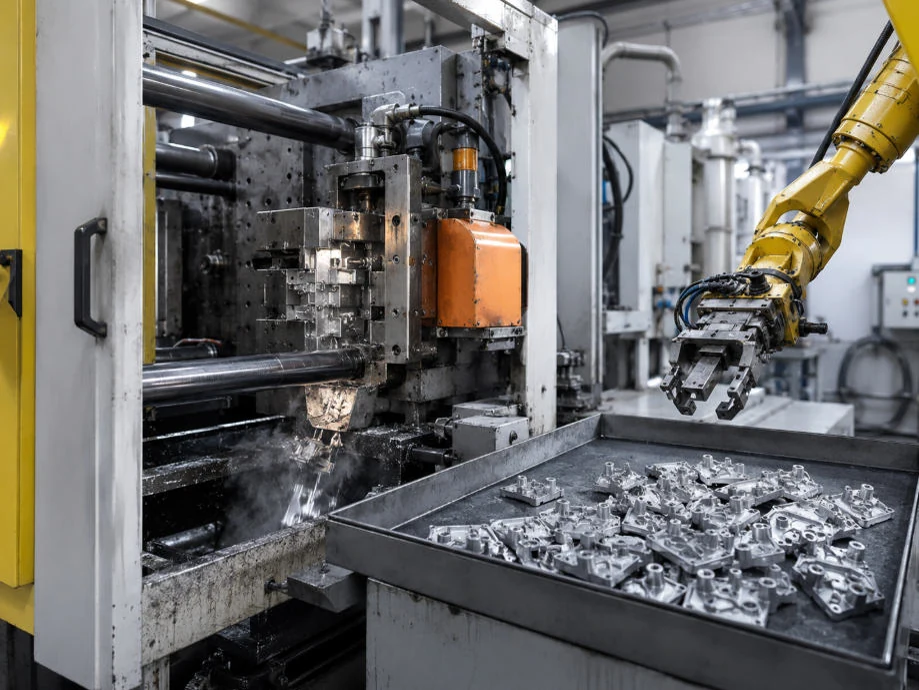
Hot chamber zinc die casting production for OEM precision components
Zinc AlloysHigh-Speed ProductionFine Detail Casting
Hot chamber zinc die casting precision components for OEM production applications
Hot Chamber Process Showcase

Process Showcase

Hot Chamber Process Showcase

01

Integrated Furnace

Injection system connected to molten metal supply.

02

Fast Cycle Production

Suitable for high volume zinc components.

03

Fine Detail Casting

Excellent feature replication for compact OEM parts.

Direct Answer

What Is Hot Chamber Die Casting?

Hot chamber die casting is a high-speed casting process where the injection system is connected directly to the molten metal furnace. It is commonly used for zinc alloys and other low-melting metals requiring fast cycle times and repeat production.

AlloysLow Melting Alloys
ProductionFast Cycle Time
VolumeHigh Volume Production

Process Route

How Hot Chamber Die Casting Works

The hot chamber die casting process keeps the injection system connected to molten zinc, supporting fast cycle manufacturing for small precision components.

01

Metal Melting

02

Injection System

03

Die Filling

04

Solidification

05

Part Ejection

06

Surface Finishing

Why Choose Hot Chamber Die Casting?

Hot chamber die casting is ideal for zinc components requiring fast cycle times, fine details and high-volume production.

Details
High Volume Production
Hot Chamber Advantage: Fast cycle manufacturing for repeat zinc component production.
Small Complex Parts
Hot Chamber Advantage: Excellent filling capability for compact geometry, ribs and small features.
Fine Details
Hot Chamber Advantage: Feature replication for connector parts, hardware and appearance-focused components.
Cost Efficiency
Hot Chamber Advantage: Lower unit cost at scale after tooling and production setup are validated.

Process Comparison

Hot Chamber vs Cold Chamber Die Casting

Compare process fit by alloy type, furnace structure, cycle speed and typical component requirements.
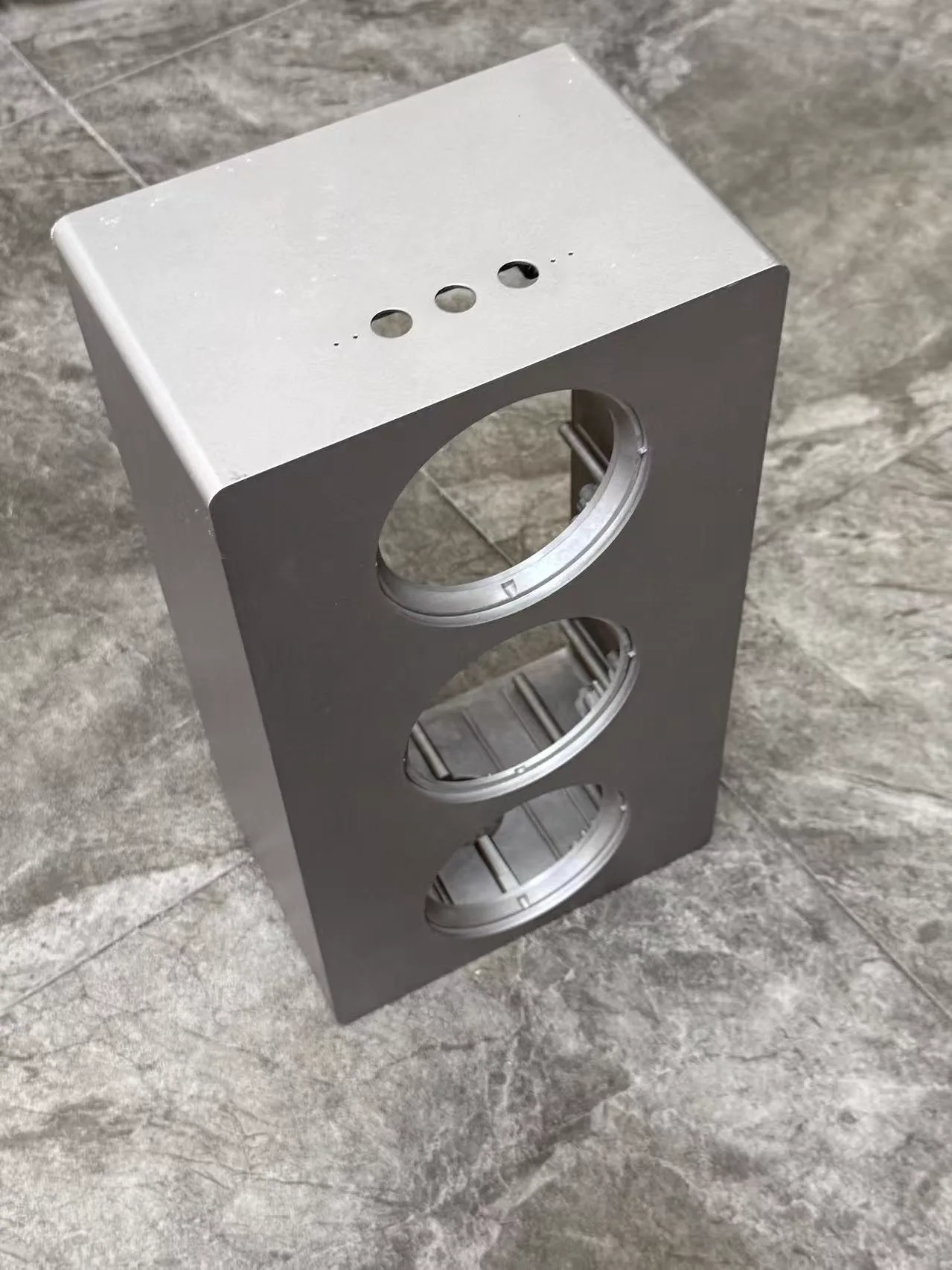
Hot chamber zinc die casting versus cold chamber die casting comparisonHot ChamberVSCold Chamber
Factor
Hot Chamber
VS
Cold Chamber
Metal Type
Zinc / Low Melting Alloys
VS
Aluminum / Magnesium
Furnace
Integrated Furnace
VS
Separate Furnace
Production Speed
Fast Cycle
VS
Slower Cycle
Typical Parts
Small Precision Components
VS
Structural Components
Volume
High Volume
VS
Medium / High Volume

Hot Chamber Die Casting Materials

Details
Zamak 3
Best For: General components. Advantages: Good castability and stable hot chamber zinc die casting performance. Engineering Note: Common starting point for high-volume zinc component production.
Zamak 5
Best For: Mechanical parts. Advantages: Higher strength for hardware, brackets and small functional components. Engineering Note: Reviewed when mechanical load or wear resistance is more important.
Zamak 7
Best For: Fine detail parts. Advantages: Better flow capability for thin features and appearance-focused components. Engineering Note: Considered for complex small parts requiring strong feature replication.

Applications

Components Suitable for Hot Chamber Die Casting

Hot chamber zinc die casting is suited to small precision parts where fine features, surface quality and high-volume production matter.

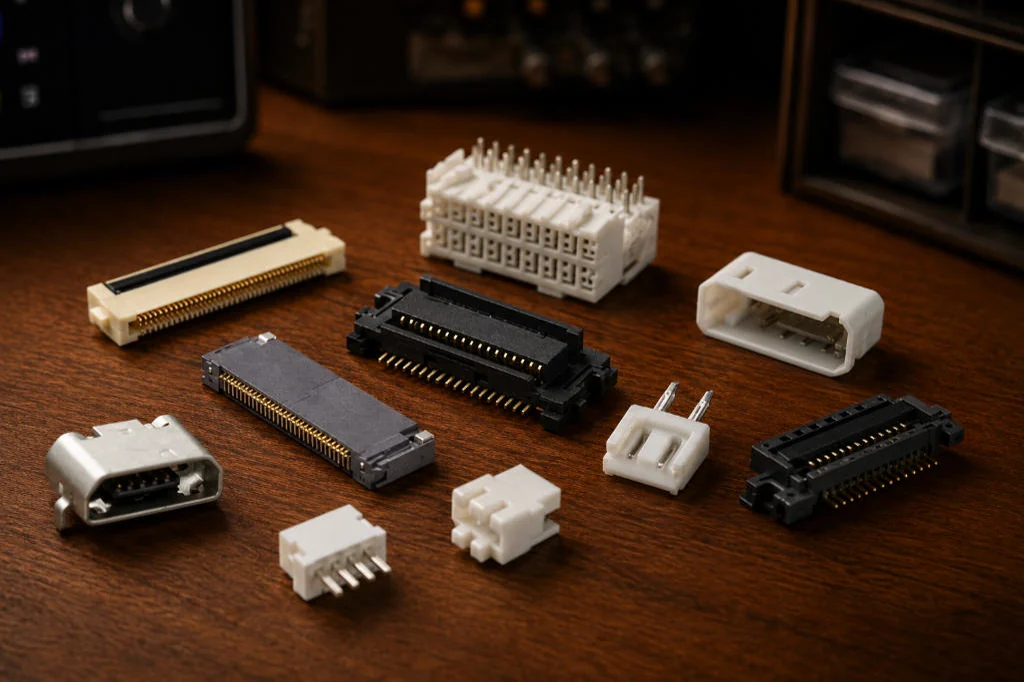
Hot chamber zinc die casting connector components for OEM electronic applications
Connector Components

Connector Components

Why Hot Chamber? Fine features, stable dimensions and repeat production for connector housings and small interfaces.
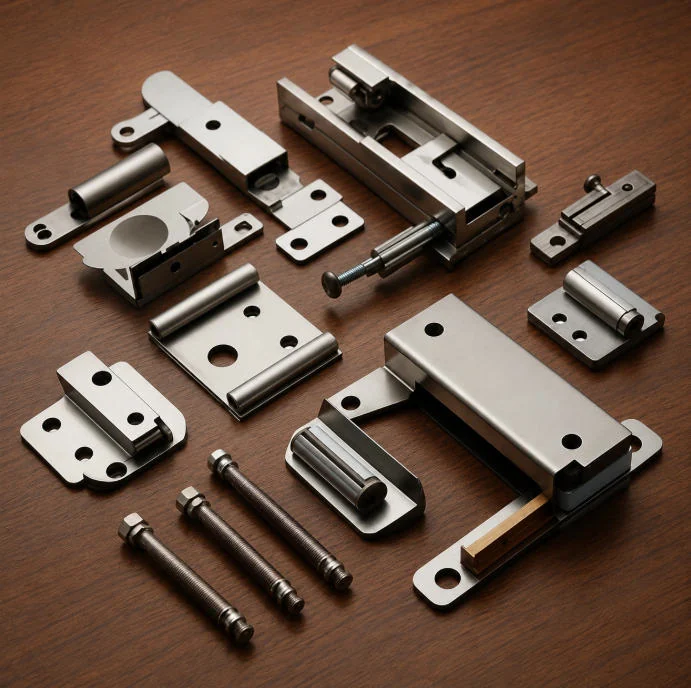
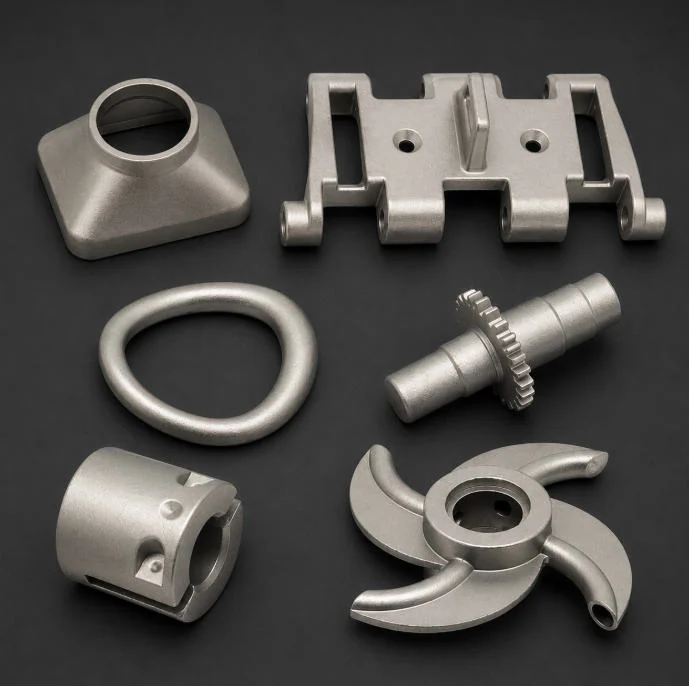
Hot chamber zinc die casting hardware components for assembly-ready OEM applications

Hardware Components

High volume production with consistent surface quality.
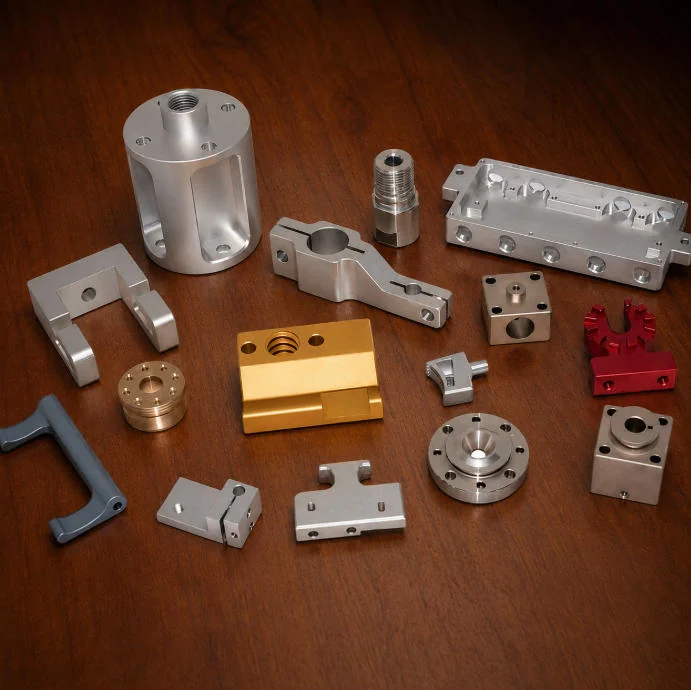
Hot chamber zinc die casting small mechanical parts for precision OEM components

Small Mechanical Parts

Compact geometry, detail replication and assembly fit.
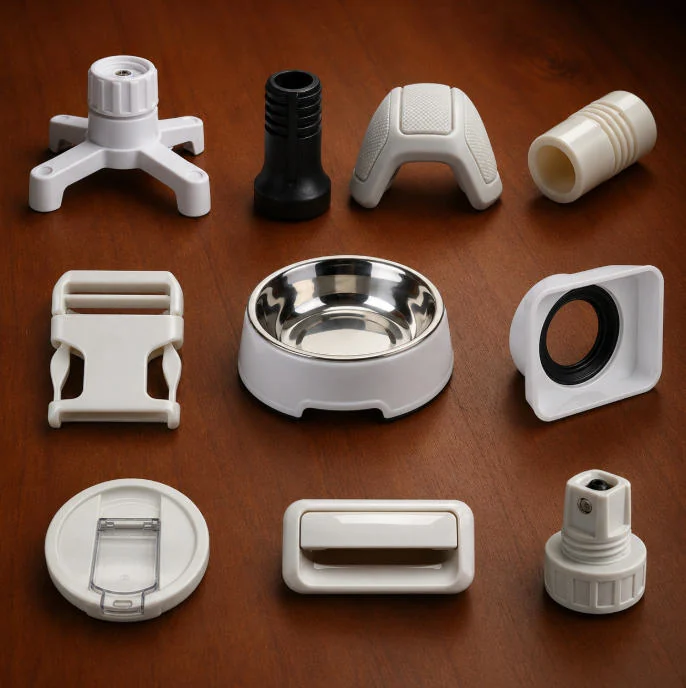
Hot chamber zinc die casting consumer components with surface finishing for OEM products

Consumer Components

Appearance-focused parts requiring finishing support.

Hot Chamber Die Casting Design Guidelines

Details
Wall Thickness
Risk: Incomplete filling. Engineering Solution: Use uniform wall design and review tooling early.
Thin Features
Risk: Flow limitation. Engineering Solution: Optimize filling path and feature transitions.
Draft Angle
Risk: Ejection issues. Engineering Solution: Apply proper mold design and release direction planning.
Surface Requirements
Risk: Cosmetic defects. Engineering Solution: Confirm finish planning before tooling and production setup.

Capability Snapshot

Hot Chamber Die Casting Capability

Zinc AlloysCompatible Metals
Hot Chamber HPDCCasting Method
High-Speed ProductionProduction
Small Precision ComponentsPart Type
Plating / PaintingFinishing

Hot Chamber Die Casting Defect Control

Details
Porosity
Process optimization and inspection planning for internal quality control.
Flash
Tooling control, mold maintenance review and parting-line monitoring.
Short Fill
Injection adjustment, filling path review and feature transition evaluation.
Surface Defects
Process monitoring and finish planning for appearance-focused zinc components.

Quality Control

Hot Chamber Die Casting Quality Control

Quality planning focuses on dimensional stability, surface finish, plating readiness, production consistency and final inspection.

01Dimensional Inspection
02Surface Inspection
03Plating Evaluation
04Production Consistency
05Final Inspection

FAQ

Hot Chamber Die Casting FAQ

What is hot chamber die casting?

Hot chamber die casting is a high-speed casting process where the injection system is connected directly to the molten metal furnace.

What metals are used in hot chamber die casting?

Hot chamber die casting is commonly used for zinc alloys and other low-melting metals that support fast cycle times and repeat production.

Why is zinc suitable for hot chamber casting?

Zinc has a relatively low melting temperature, good flow capability and strong detail replication, making it suitable for hot chamber zinc die casting.

Hot chamber vs cold chamber die casting?

Hot chamber die casting uses an integrated furnace and is often selected for zinc components. Cold chamber die casting uses a separate furnace and is commonly selected for aluminum and magnesium components.

What parts are suitable for hot chamber die casting?

Connector components, hardware components, small mechanical parts and consumer components with fine details and production volume are typical candidates.

Can hot chamber die cast parts be plated?

Yes. Zinc hot chamber die cast parts can support plating, painting, polishing and other surface finishing routes depending on part geometry and appearance requirements.

How do you control hot chamber casting defects?

FSD reviews tooling, injection parameters, part geometry, surface requirements and inspection needs to reduce porosity, flash, short fill and surface defects.

What information is required for quotation?

Please provide 2D drawings, 3D CAD files, preferred zinc alloy, quantity, tolerance requirements, surface finish and application information.

RFQ Review

Start Your Hot Chamber Die Casting Project

Send drawings and project requirements. Our engineering team will review alloy selection, tooling feasibility and production requirements.

🇺🇸English
🇺🇸English🇫🇷Français🇩🇪Deutsch🇪🇸Español🇨🇳简体中文🇸🇦العربية🇮🇳हिन्दी🇯🇵日本語🇵🇹Português