
Design Review
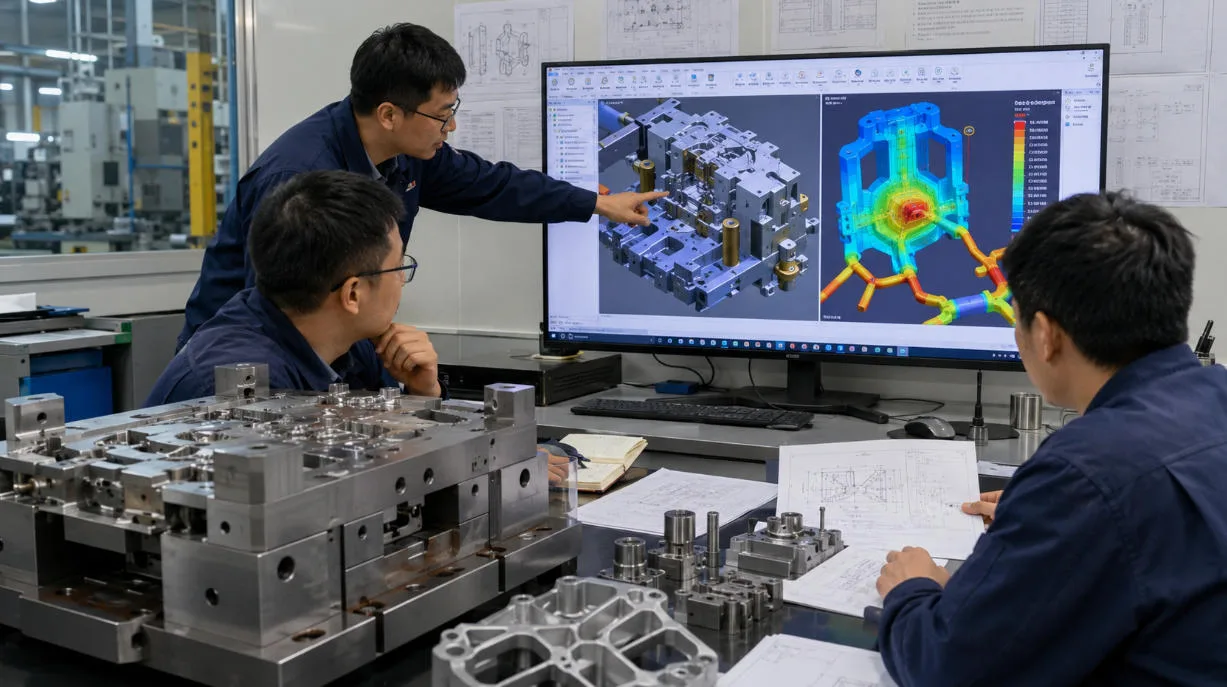
Drawing and requirement evaluation
Die Casting Tooling
From mold design and tooling production to casting validation and mass production support, FSD Precision helps OEM customers build reliable die casting programs.
Direct Answer
Die casting tooling is the engineered mold system used to produce repeatable high pressure die cast components from aluminum, zinc or magnesium alloys. A tooling program includes die casting mold design, steel selection, cooling layout, slides, ejector design, venting, trial casting and production support. Good tooling is important because it controls metal flow, parting lines, dimensional repeatability, surface quality and mold life. FSD Precision supports OEM projects by reviewing drawings, planning DFM, coordinating mold manufacturing, validating samples during trial casting and transferring approved tooling into stable production with CNC machining, surface finishing and inspection support.
Send Drawings for Tooling ReviewTooling Workflow
FSD Precision manages die casting tooling as an engineering workflow from drawing review through mold validation and production release.
Drawing and requirement evaluation
Casting feasibility confirmation
Mold structure planning
Precision mold production
Sample validation
Stable production transfer
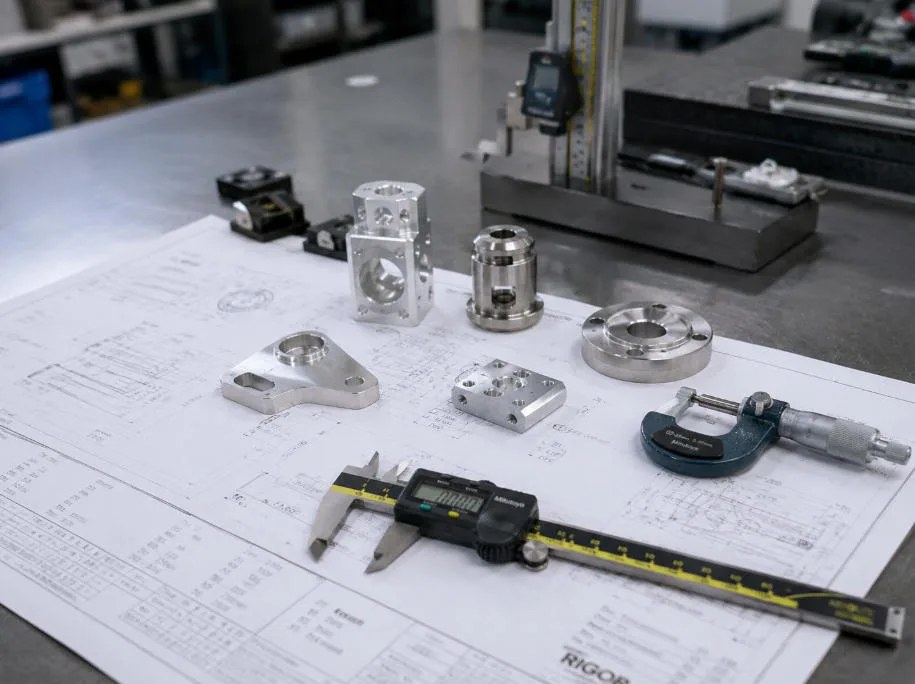
Use this tooling DFM checklist to review draft angle, wall thickness, parting line, ejector layout, cooling and machining allowance before quotation.
Capabilities
Tooling work is connected to casting process planning, sample validation and downstream manufacturing requirements.
DFM review, mold structure planning and casting feasibility confirmation.
Precision machining, tool steel selection and dimensional control.
T1 sample validation, process optimization and production risk review.
Filling improvement, cooling balance and cycle stability support.
Validated tooling release for repeat die casting production.
Long-term mold reliability support, maintenance review and tooling life planning.
Material Routes
Aluminum, zinc and magnesium tooling programs require different mold design decisions because each material family flows, cools and wears tooling differently.
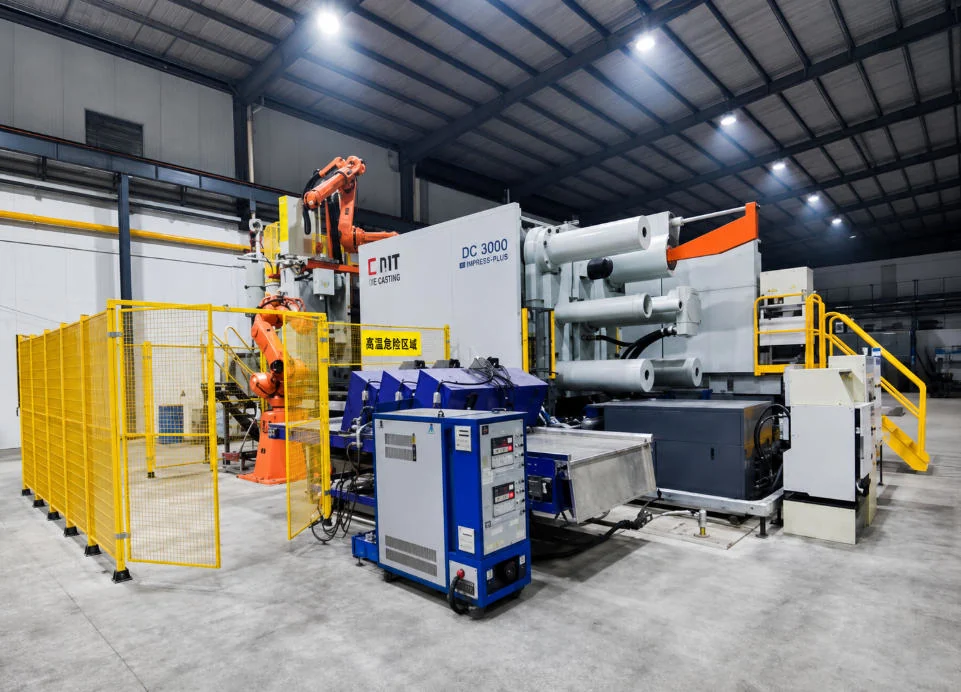
Tooling for housings, heat sinks and structural parts using the Cold Chamber Die Casting Process.
Tooling for connectors and precision small parts using the Hot Chamber Die Casting Process.
Tooling for lightweight structures using Cold Chamber or Semi-Solid Metal Casting.
Mold Design
Early tooling review helps reduce casting defects, machining risk and production delays.
| Factor | Why It Matters |
|---|---|
| Parting Line | Controls mold opening direction, flash risk, appearance areas and machining allowance. |
| Draft Angle | Supports smooth ejection and reduces tool wear, drag marks and part deformation. |
| Wall Thickness | Influences metal flow, filling balance, porosity risk and cooling stability. |
| Cooling Channel | Helps control cycle time, thermal fatigue and dimensional repeatability. |
| Ejector Design | Prevents part damage during removal and supports stable automated production. |
| Surface Finish | Affects mold texture, polishing requirements, coating route and visible product quality. |
Tool Steel
Tool steel selection depends on production volume, alloy type, thermal fatigue requirements and prototype or production intent.
| Material | Application | Why Choose |
|---|---|---|
| H13 (1.2344 / SKD61) | Aluminum die casting tooling and high pressure die casting mold design. | High thermal fatigue resistance for repeat production. |
| DIEVAR | High-cycle tooling for demanding aluminum and magnesium programs. | Improved heat checking resistance and mold life stability. |
| 8407 Steel | Thermal fatigue tooling for aluminum, zinc and magnesium molds. | Good toughness and heat resistance for production tooling. |
| 2344 Steel | Precision tooling applications requiring dimensional stability. | Controlled mold wear and reliable machining behavior. |
| P20 Steel | Prototype tooling and lower-volume mold manufacturing support. | Cost-effective option for early validation and lower demand. |
Production Workflow
FSD connects die casting tooling with the complete manufacturing route, reducing handoff risk between mold building, casting and secondary operations. From tooling development to finished die cast parts, FSD coordinates the complete production workflow.
Quality Control
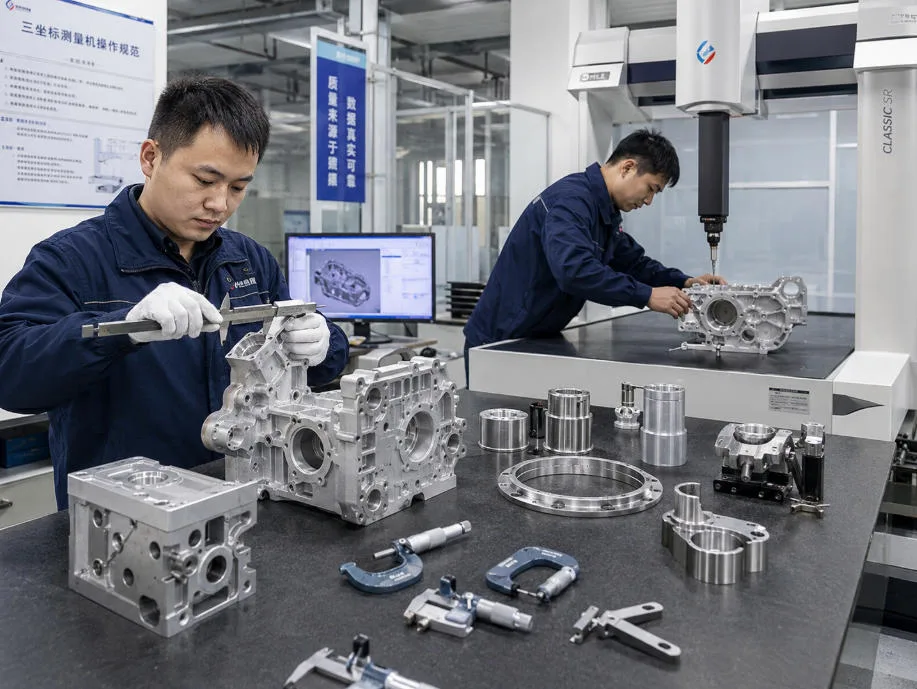
Tooling quality checks support stable casting trials, repeat production and inspection documentation for OEM programs.
Critical tooling dimensions are checked before sampling to reduce mold fitting and production risks.
Trial casting records help verify filling behavior, sample condition and tooling adjustment needs.
Initial samples are reviewed against drawing requirements before production transfer.
Critical datum features and machined interfaces can be verified with dimensional inspection.
Casting parameters, cooling behavior and repeatability are reviewed before stable production.
Inspection records, trial notes and quality documentation can support OEM project approval.
Applications
Tooling programs are planned around the part family, production volume, assembly function and downstream finishing needs.
Tooling support for housings, brackets and structural parts.
Mold programs for lightweight housings, powertrain parts and structural supports.
Tooling for equipment frames, covers, brackets and repeat-use mechanical parts.
Precision tooling for robot housings, mounting interfaces and motion components.
Die casting mold design for enclosures, connector housings and thermal shells.
Tooling support for heat sinks, cooling housings and thermal management parts.
FAQ
Die casting tooling is the engineered mold system used to form molten aluminum, zinc or magnesium into repeatable OEM components under pressure. High pressure die casting tooling and die casting mold design affect filling, cooling and production stability.
Tooling lead time depends on part size, mold complexity, steel selection, inserts, tolerance requirements and trial casting needs.
Common materials include H13 (1.2344 / SKD61), DIEVAR, 8407, 2344 steel and P20 steel for prototype tooling.
Yes. FSD Precision supports aluminum die casting tooling for housings, heat sinks, brackets and structural parts.
Yes. Tooling support can include trial casting, sample validation, filling review, cooling optimization and process adjustments.
Yes. FSD supports tooling design, mold manufacturing, die casting, CNC post-machining, finishing, inspection and delivery coordination.
Please provide 3D CAD files, 2D drawings, material requirements, annual volume, surface finish notes, tolerance requirements and inspection needs.
Yes. FSD Precision supports overseas OEM customers looking for a die casting mold supplier China with engineering review, tooling coordination, inspection documentation and export-ready delivery.
Tooling RFQ
Upload drawings and tooling requirements. Our engineers review mold design, material selection and production feasibility before quotation.