
Appearance
Color, gloss, texture and visible surface requirements.
Surface Finishing Selection Guide
A practical engineering guide for selecting surface finishes based on material, appearance, corrosion resistance, function and production requirements.

Finish Selection Logic
Surface finishing is the final manufacturing process used to improve appearance, corrosion resistance, wear performance, conductivity and surface properties of metal and plastic components.
Surface Finishing Services ->Color, gloss, texture and visible surface requirements.
Corrosion, oxidation, handling and environmental exposure.
Wear, conductivity, masking, friction and assembly fit.
Surface area, preparation, finish type and production volume.
Surface Selection Tool
Choose a finish based on base material first, then validate appearance, protection, function and cost requirements.
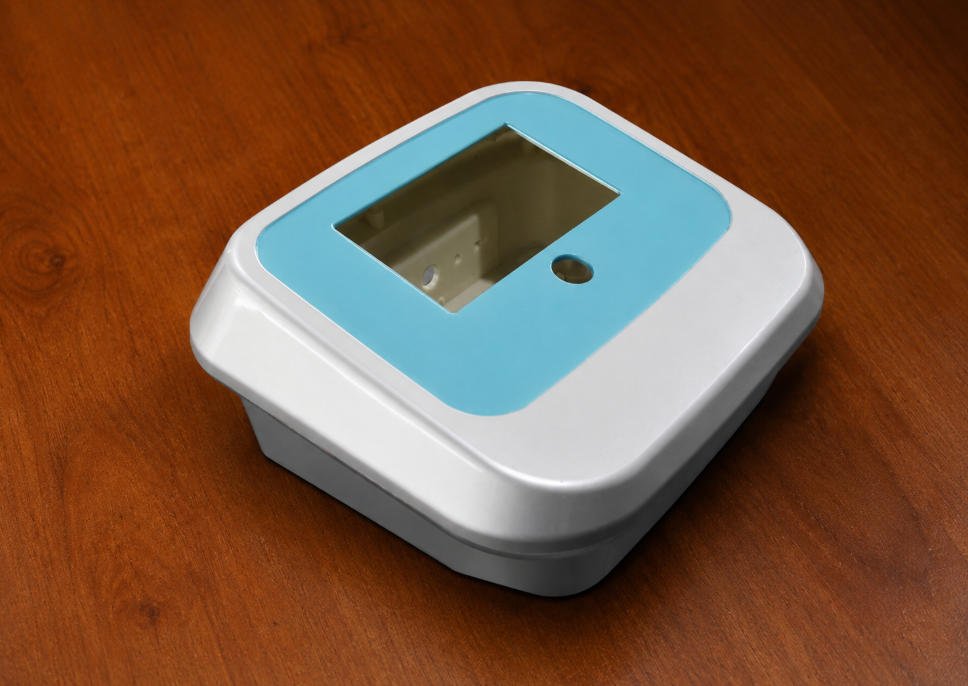
Aluminum parts often require lightweight corrosion protection and a controlled appearance after CNC machining or die casting.
Finishing Processes
Compare common OEM surface finishes by material compatibility, performance, application and reference cost. All values are typical reference only.
| Finish | Material | Benefits | Applications | Corrosion Performance | Thickness Range | Cost Multiplier | Lead Time |
|---|---|---|---|---|---|---|---|
| Anodizing | Aluminum | Corrosion resistance + appearance | Housings / Heat Sinks | High for aluminum | 5-25 µm typical reference | 1.15x | 3-7 days typical |
| Powder Coating | Metal | Durable coating and color control | Industrial Enclosures | High with preparation | 60-120 µm typical reference | 1.20x | 5-10 days typical |
| Plating | Steel / Copper | Conductivity + appearance | Connectors / Electrical Components | Medium to high | 5-20 µm typical reference | 1.35x | 5-12 days typical |
| Polishing | Metal | Smooth cosmetic surface | Visible components | Depends on material | Ra target based | 1.25x | 3-7 days typical |
Typical reference only. Final cost and lead time depend on geometry, surface area, finish specification, masking and inspection requirements.
Surface Roughness
Surface roughness should be selected based on fit, appearance, function and downstream finishing process.
General parts and non-cosmetic surfaces.
Precision fit and controlled assembly surfaces.
Visible components and controlled appearance.
Optical finish or premium cosmetic surfaces.
Real-World Transformations
Surface finishing changes raw manufactured parts into functional, protected and customer-ready components.
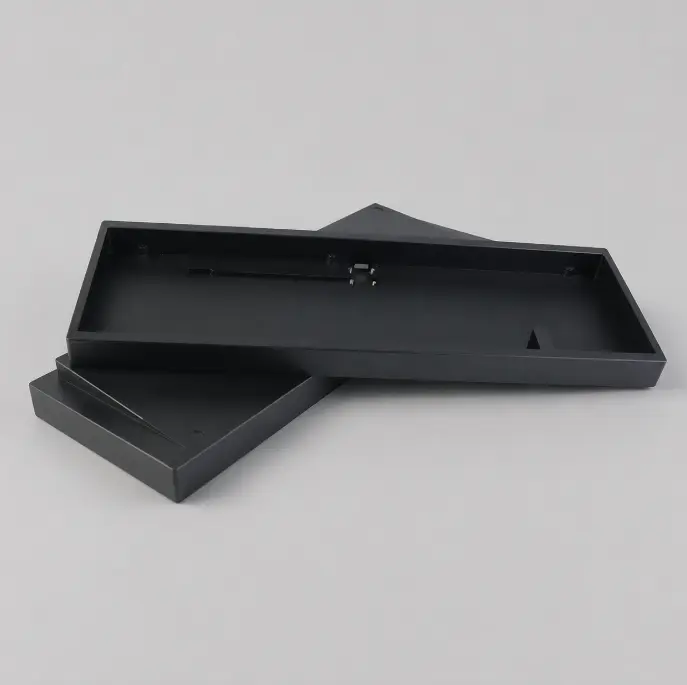
Raw CNC Aluminum
Black Anodizing
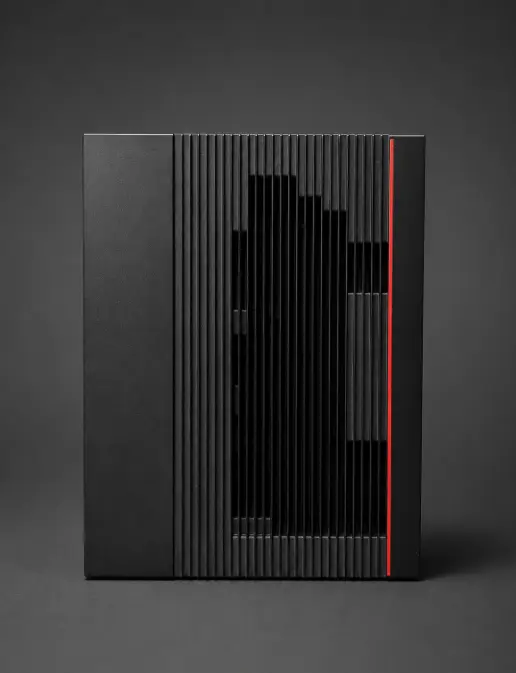
Bare Metal
Powder Coating
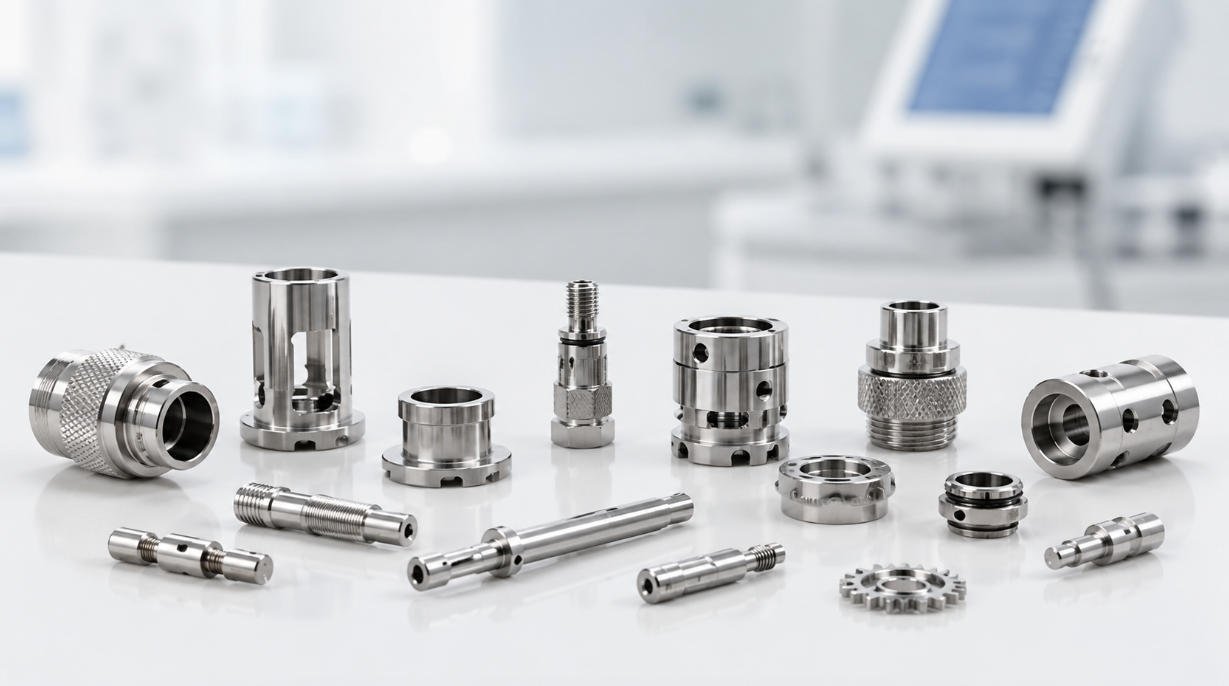
Machined Surface
Plating
Quality Control
Finish quality depends on surface preparation, stable process control, inspection evidence and protective handling before delivery.
Typical quality risks can be reduced through stable process control, preparation and protective handling.
Visible finish inconsistency across batches or approved samples.
Different appearance between batches.
Approved samples and color control.
Loss of coating adhesion caused by poor pretreatment or contamination.
Poor pretreatment or contamination before coating.
Improve cleaning, pretreatment and adhesion validation.
Surface damage introduced during handling, transport or packaging.
Improper handling or insufficient protective separation.
Use protective packaging and controlled handling procedures.
Inconsistent finish texture caused by process variation or setup instability.
Finishing parameter variation.
Standardize process setup and inspection controls.
Cost Factors
Surface finishing cost depends on material compatibility, finish type, cosmetic targets, process preparation and batch volume.
The final finishing quote is shaped by both engineering requirements and cosmetic expectations.
Base material determines finish compatibility and preparation requirements.
Larger exposed areas increase processing and inspection effort.
Custom color, gloss and cosmetic standards require tighter control.
Deburring, cleaning, masking and pretreatment influence cost.
Batch size affects setup, handling and unit cost.
Manufacturing Integration
Surface finishing should be planned together with material, geometry, machining allowance, casting quality, molded part appearance and inspection method.
Material and geometry confirmed.
Deburring, cleaning, masking and pretreatment.
Anodizing, coating, plating, polishing, painting or texture finish.
Appearance, thickness, adhesion and roughness checks.
Protected packaging and shipment.
Integration links: CNC Machining, Die Casting, and Injection Molding.
Topic Cluster
Continue from finish selection into manufacturing process planning, material review and RFQ preparation.
Aluminum corrosion protection and appearance finish.
Durable color coating for industrial metal parts.
Metallic finish for conductivity, appearance and protection.
Smooth cosmetic finishing for visible components.
Plan finishes after machining and inspection.
Plan coatings and post-processing for cast parts.
Match material behavior with finishing requirements.
Review finish requirements before quotation.
Free Engineering Resource
Use this guide to compare finishes, material compatibility, cost factors and appearance requirements before RFQ submission.
FAQ
Surface finishing is the final manufacturing process used to improve appearance, corrosion resistance, wear performance, conductivity and surface properties of metal and plastic OEM components.
Anodizing is commonly selected for aluminum parts that need corrosion resistance, appearance and lightweight protection. Powder coating is useful when a thicker durable color coating is required.
Anodizing converts the aluminum surface into a protective oxide layer, while powder coating adds a durable external coating. Selection depends on appearance, corrosion resistance, thickness and application environment.
Plating deposits a metallic layer for conductivity, corrosion protection or appearance. Coating applies a protective or cosmetic layer such as powder coating or paint over the component surface.
Yes. CNC machined aluminum parts are commonly anodized after machining and deburring. Engineers should confirm alloy, surface roughness, masking requirements and cosmetic expectations before production.
Yes. Die cast parts can be powder coated after surface preparation, cleaning and inspection. Porosity, part geometry and pretreatment quality influence coating adhesion and cosmetic consistency.
Surface finishing cost depends on material, surface area, color requirement, preparation process, masking, inspection and production volume. Cosmetic or corrosion-resistant finishes usually cost more than as-machined parts.
Surface finish quality can be inspected through appearance review, thickness measurement, adhesion testing, surface roughness measurement, color control and packaging checks before shipment.
Surface Finishing RFQ
Share your material, drawing, appearance requirement, environment condition and quantity. FSD engineers review finish compatibility before quotation.