
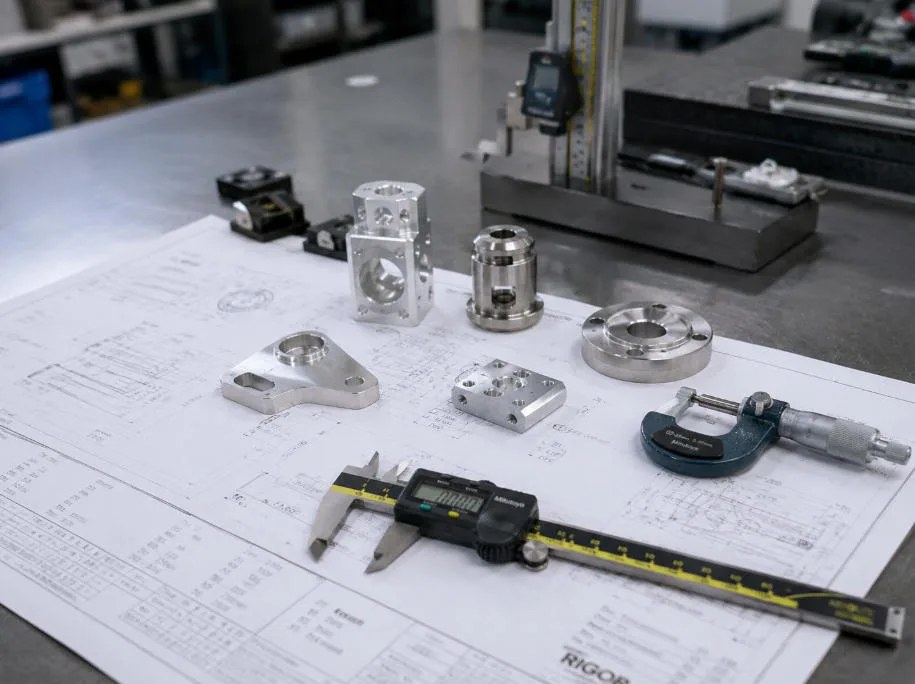
01DFM Review
Product Design
Review CAD geometry, material, wall thickness and application requirements.
A practical engineering guide from plastic design validation to production molding.
Injection molding is a manufacturing process that injects molten plastic material into a mold cavity to create high-volume plastic components with repeatable quality, complex geometries and consistent production performance. It is used when OEM parts require scalable production, stable appearance, material-specific performance and tooling-controlled repeatability.
Follow the product development route from initial plastic design validation to stable mass production.
Review CAD geometry, material, wall thickness and application requirements.
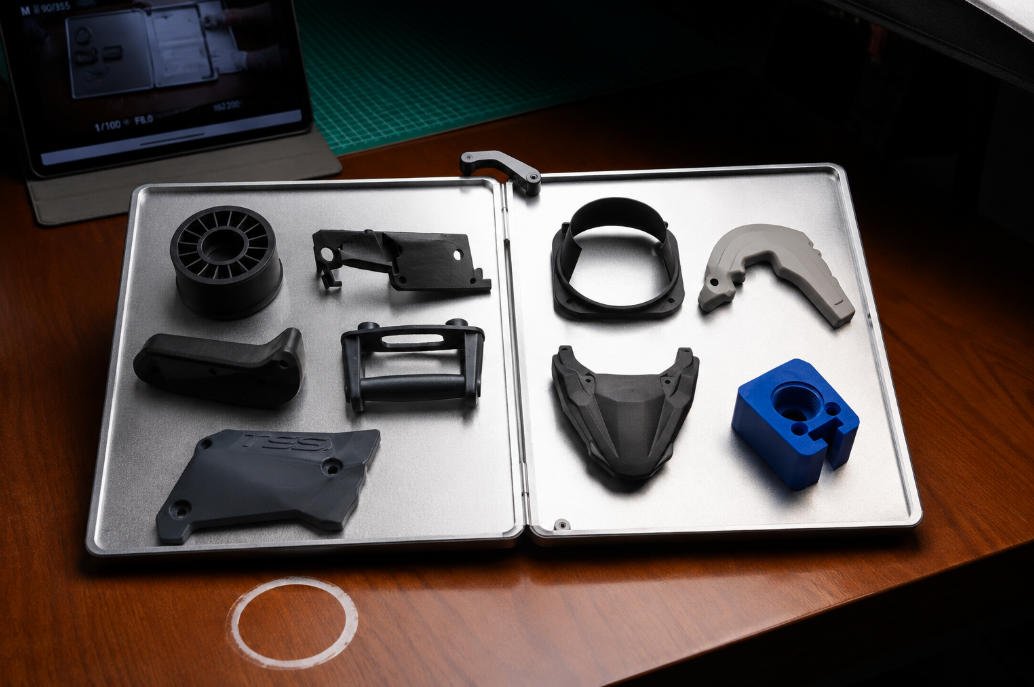
Validate fit, function and product assumptions before production tooling.
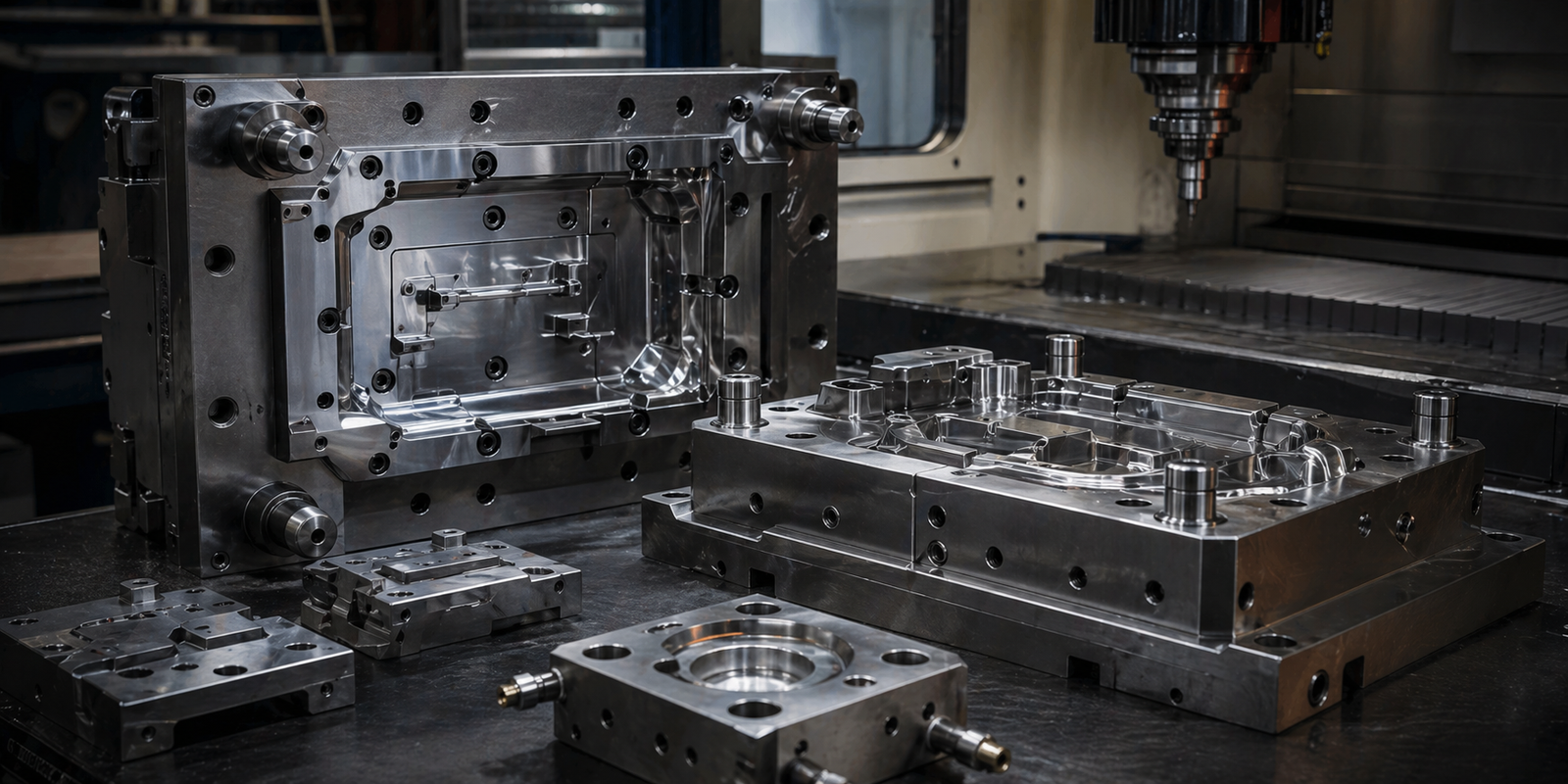
Build mold core, cavity, sliders, ejectors and cooling systems.
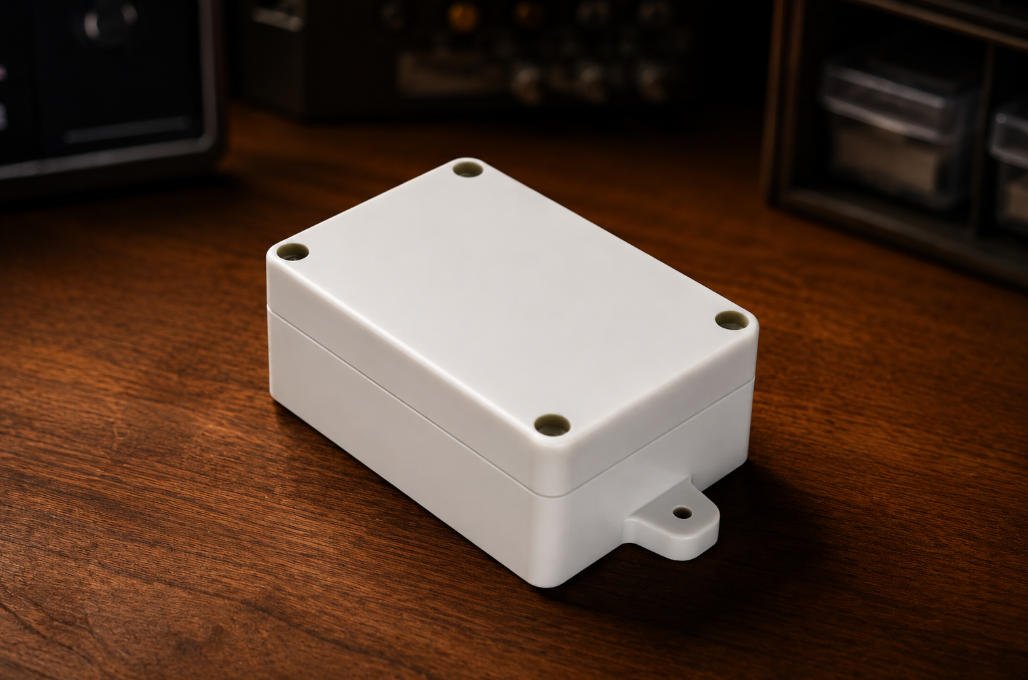
Confirm molding process, appearance, dimensions and assembly performance.
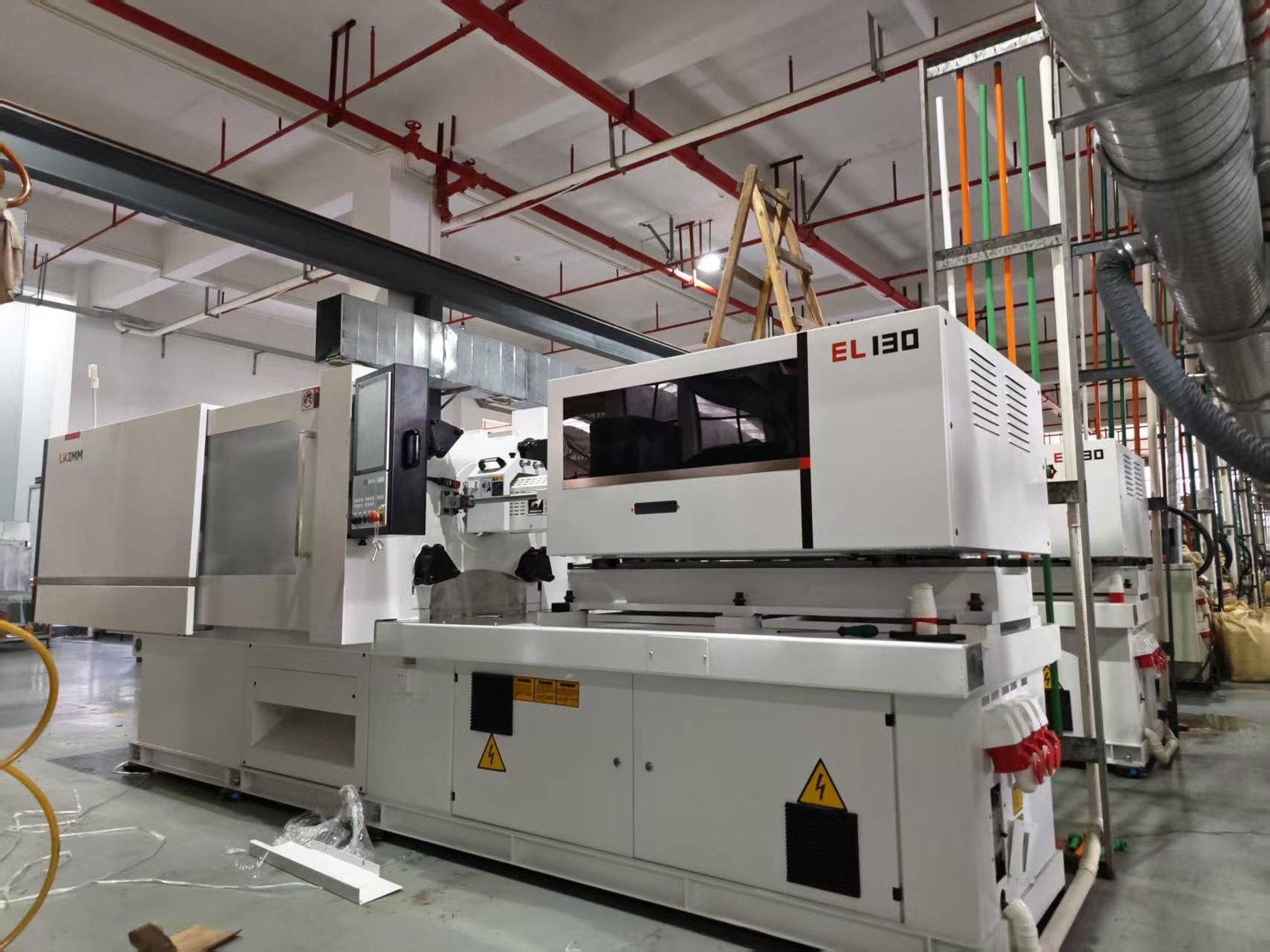
Scale production with quality control, documentation and delivery planning.
Need help selecting the right molding process? Request Engineering RFQ Review →
Compare injection molding methods based on application, material compatibility and production requirements.
| Process | Best For | Typical Materials | Typical Application | Key Benefit |
|---|---|---|---|---|
| Standard Injection MoldingProduction | High volume plastic parts | ABS, PC, PP | Housings / Covers | Stable production and repeatability |
| Insert MoldingMetal Integration | Metal + plastic integration | PA + Metal Inserts | Connectors / Sensors | Strong integrated components |
| OvermoldingSoft Touch | Soft-touch and sealing applications | TPU + Plastic | Handles / Seals | Ergonomic protection and multi-material function |
| Two-Shot MoldingMulti Material | Multi-material components | PC + ABS, hard plastic + soft material | Multi-material Parts | Integrated appearance and function |
| Rapid Injection MoldingPrototype | Prototype validation and bridge production | Production thermoplastics | Prototype Validation | Fast validation before production tooling |
Need help selecting the right molding process?
Request Engineering Review →Injection molding material selection affects part strength, appearance, tolerance stability, tooling strategy and long-term production performance. Common engineering plastics include ABS, PC, Nylon PA, POM and PEEK, with resin choice based on application requirements, cost level and finishing expectations.
ABS is widely used for injection molded housings, covers and functional plastic parts where impact resistance, appearance control and cost efficiency matter.
Protective covers, optical components and durable enclosures.
Polish / Clear finishGears, structural parts and load-bearing plastic components.
As moldedBushings, precision components and moving mechanical parts.
As moldedMedical, semiconductor and high-performance industrial parts.
Clean finishInjection mold design controls plastic flow, part ejection, cooling, dimensional stability and mold life.
Injection Mold Tooling →Forms internal geometry and functional cavities.
Defines external shape and appearance surfaces.
Creates undercuts and side features.
Releases parts without damaging critical surfaces.
Controls cycle time, shrinkage and dimensional stability.
Select mold strategy based on validation speed, volume, tooling investment and long-term production requirements.
Translate common plastic design issues into production-ready engineering recommendations.
Diagnose molding defects by connecting visual symptoms to root causes and engineering corrections.
Visual Symptom: Surface depression near thick areas.
Root Cause: Uneven cooling.
Prevention: Optimize wall thickness.
Visual Symptom: Part bends after molding.
Root Cause: Shrinkage stress.
Prevention: Improve cooling design.
Visual Symptom: Thin plastic at parting line.
Root Cause: Excess pressure or mold issue.
Prevention: Optimize tooling.
Visual Symptom: Incomplete molded feature.
Root Cause: Poor filling.
Prevention: Improve gate design.
Injection molding tolerances depend on plastic material, shrinkage, mold design, feature size and inspection method.
| Tolerance Level | Typical Range | Use Case | Engineering Note |
|---|---|---|---|
| Standard Plastic Parts | ±0.1 mm | General molded components | Suitable for non-critical dimensions. |
| Precision Components | Drawing Based | Assembly and mating features | Requires tooling review and validation. |
| Critical Assembly Features | Tooling + Inspection Controlled | Snap fits, inserts and sealing geometry | Controlled by mold design and inspection plan. |
Injection molding cost is shaped by tooling investment, resin selection, part complexity, surface finish requirements and production volume. Early engineering review helps align mold strategy, material choice and production planning before tooling begins.
Review molding cost drivers before quotation →Sliders, cavities, steel grade and surface requirements increase tooling investment.
ABS, PC, nylon, POM and PEEK vary by performance, supply and production volume.
Undercuts, ribs, bosses and thin walls affect tooling, cycle time and validation effort.
Mold cost is amortized across quantity, so demand planning affects unit cost.
Choose a process based on volume, material, tooling investment, geometry and cost goals.
| Dimension | Injection Molding | CNC Machining |
|---|---|---|
| Volume | Best for high-volume plastic parts | Best for prototypes and low-volume precision parts |
| Material | Thermoplastics and engineering resins | Metals and plastics |
| Tooling | Mold tooling required | No hard tooling required |
| Geometry | Complex molded shapes and snap features | Machined features and tight tolerance details |
| Cost | Lower unit cost after tooling investment | Lower upfront cost for low volume |
High volume plastic production, molded features, appearance control and repeatable unit cost.
Low volume precision parts, fast validation, production material samples and tight tolerance features.
Choose between plastic molding and metal casting based on material, application and production requirements.
| Dimension | Injection Molding | Die Casting |
|---|---|---|
| Material | Engineering plastics | Aluminum / zinc alloys |
| Volume | High volume plastic parts | High volume metal parts |
| Tooling | Injection mold | Die casting die |
| Best For | Plastic housings, covers and functional parts | Metal housings and structural components |
| Cost Model | Lower unit cost at scale | Lower unit cost at metal production volume |
Need help selecting the right manufacturing process? Request Engineering RFQ Review →
Both processes combine materials, but they solve different structural, sealing and ergonomic requirements.
| Dimension | Insert Molding | Overmolding |
|---|---|---|
| Purpose | Metal + plastic integration | Material over material |
| Best Application | Connectors, electrical components | Handles, seals, grip parts |
| Main Benefit | Structural strength | Comfort and protection |
| Material Combination | Metal insert + plastic | Hard plastic + soft material |
Need help selecting the right molding process? Request Engineering RFQ Review →
Metal + plastic integration and multi-material molding help OEM teams combine structure, sealing, ergonomics and electrical functionality.
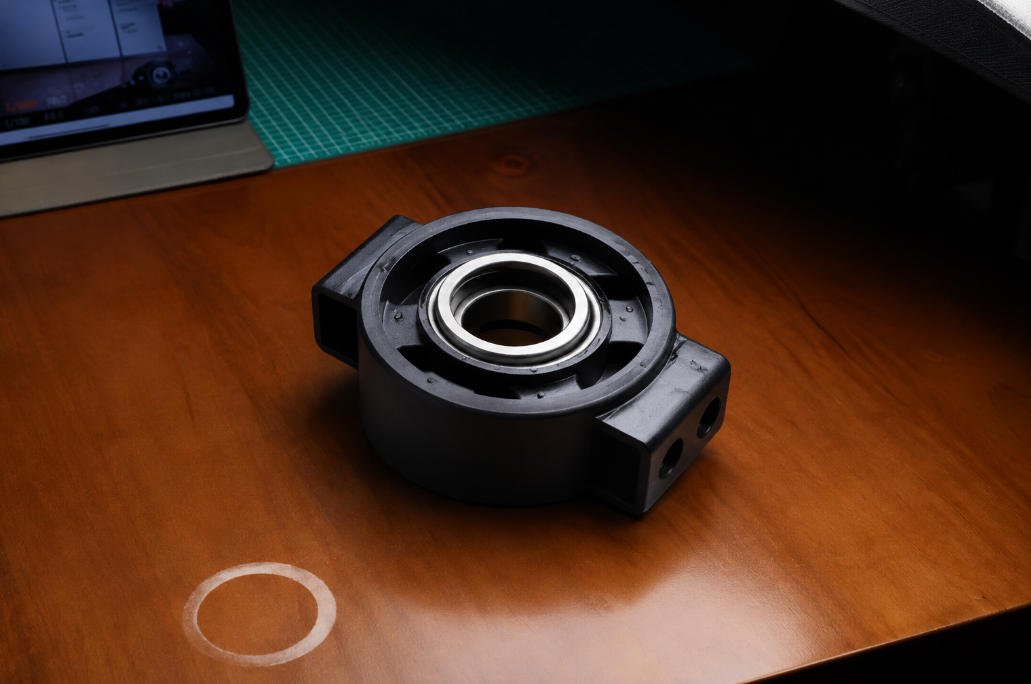
Applications: connectors, sensors and industrial components.
Explore Insert Molding →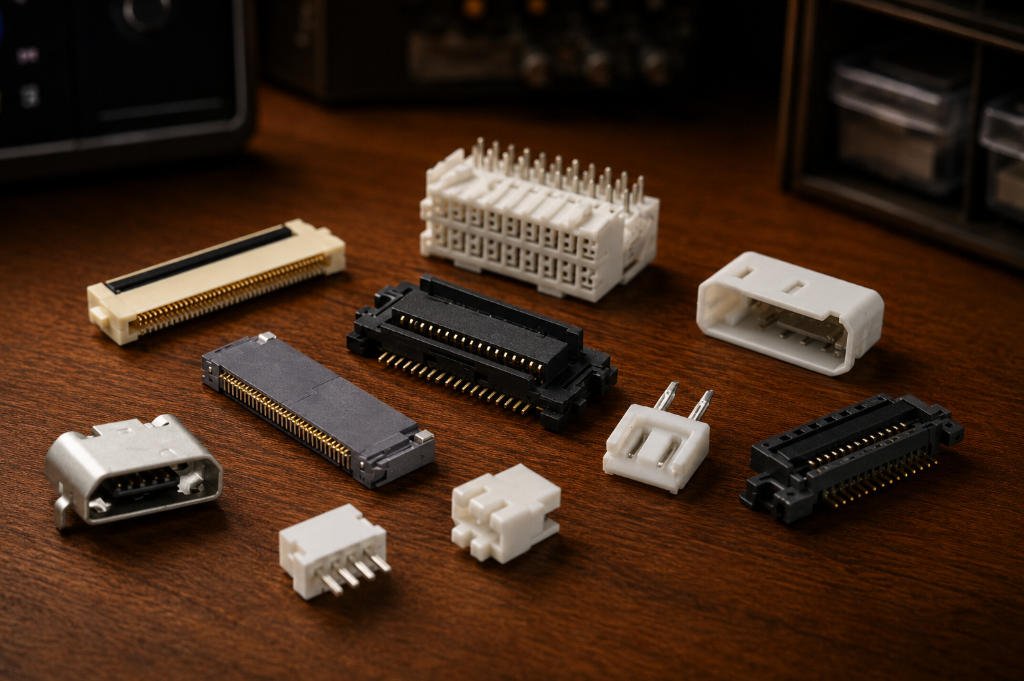
Applications: soft-touch parts, handles, seals and protective layers.
Explore Overmolding →Review material, tooling, inserts, finish and production risks before quotation.
Request Engineering Review →Quality control verifies dimensional stability, resin traceability, color consistency and functional performance.
Initial molded parts are checked before production release.
Method: Dimensional ReportCritical features are measured against drawings and assembly requirements.
Method: CMM / Measurement ToolsPlastic resin traceability supports regulated OEM applications.
Method: Resin TraceabilityColor matching and functional testing confirm production readiness. Quality Control →
Method: Appearance + Functional TestTypical molding projects combine material selection, mold tooling, surface requirements, assembly and inspection.
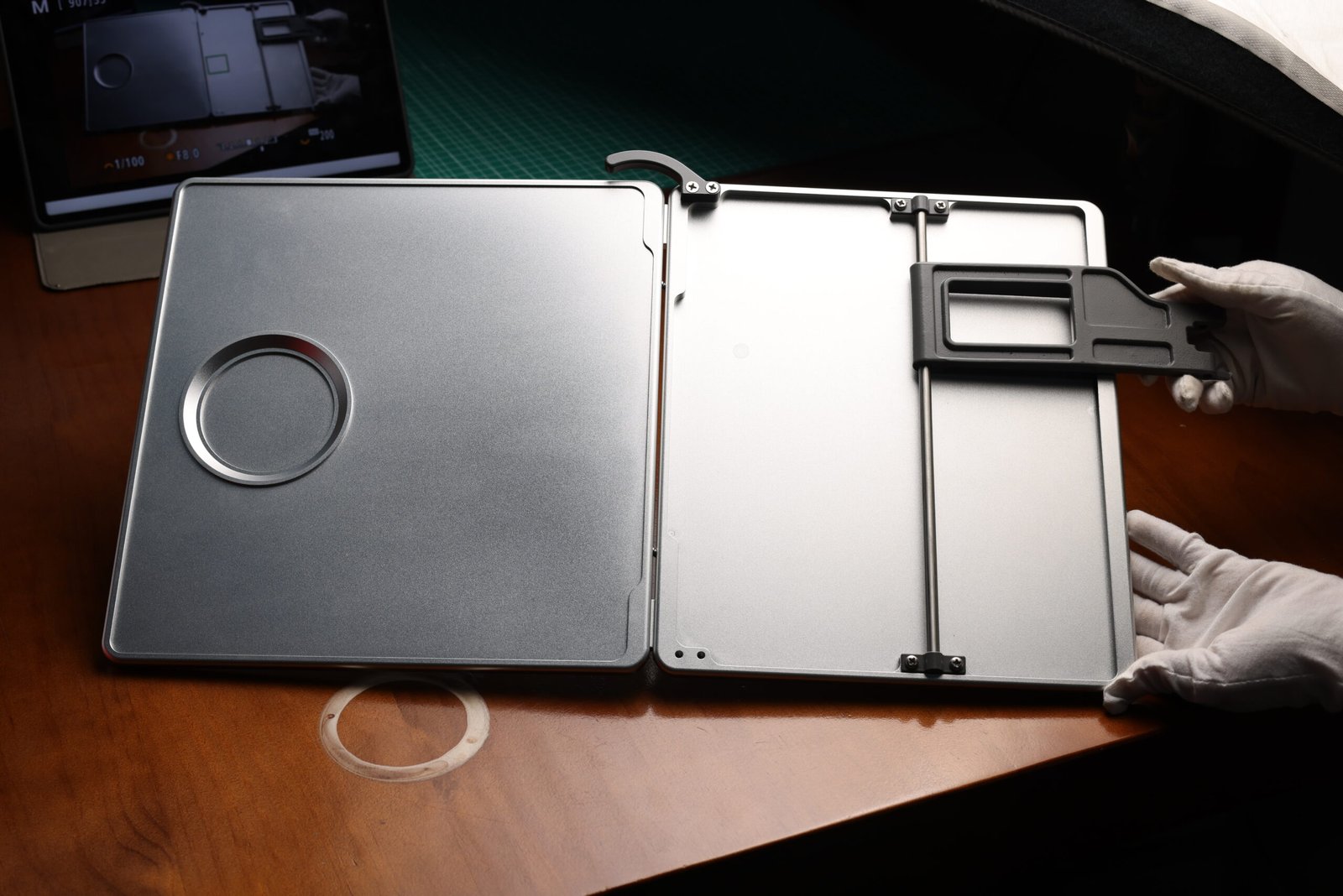
Get a practical reference covering wall thickness, draft angle, material selection, mold design rules and injection molding cost factors.
Injection molding is a production process that injects molten plastic into a mold cavity to create repeatable OEM plastic parts. It is used for housings, covers, connectors and functional components that need stable geometry, controlled appearance, material-specific performance and scalable production after tooling validation. The process is most valuable when annual volume can justify mold investment.
Common injection molding materials include ABS, PC, nylon PA, POM, PEEK, PP, PE and other engineering thermoplastics. Material selection depends on strength, impact resistance, temperature exposure, friction, chemical resistance, appearance requirements and cost targets for the final OEM application. FSD reviews material behavior together with tooling, finish and production requirements before quotation.
Injection molding cost depends on mold tooling complexity, resin selection, part geometry, cavity count, surface finish, color requirements, inspection needs and production volume. Higher mold investment can reduce unit cost at scale, while early DFM review helps avoid expensive tooling changes. Cost should be evaluated as tooling investment plus long-term production economics.
Injection mold tooling lead time depends on part size, mold complexity, sliders, inserts, cavity count, mold steel and validation requirements. Prototype molds are usually faster, while production molds require more detailed engineering, sampling and approval. FSD can review mold strategy before quotation and recommend the right tooling route. Explore Injection Mold Tooling.
Insert molding places metal inserts, threaded features, pins or electrical elements into the mold before plastic is injected around them. It creates integrated metal-plastic components with stronger assembly performance and fewer secondary operations. This process is common for connectors, sensors, threaded plastic features and reinforced OEM housings. Explore Insert Molding.
Overmolding molds one material over another substrate to create soft-touch surfaces, seals, grips, protective layers or multi-material plastic assemblies. It is useful when a part needs ergonomic function, sealing performance or impact protection. Material bonding, substrate geometry and tooling sequence should be reviewed early to avoid production risk. Explore Overmolding.
Common injection molding defects include sink marks, warping, flash and short shots. These issues usually come from uneven wall thickness, cooling imbalance, poor gate design, mold wear or incorrect process settings. DFM review, mold optimization and process validation help reduce defect risk before mass production. Pilot runs are useful for confirming stable output.
Standard plastic molded parts may target around plus or minus 0.1 mm, depending on material shrinkage, geometry and feature size. Precision assembly features require drawing-based tolerance planning, tooling review, sampling and inspection control to maintain fit and function during repeat production. Critical features should be identified before mold design begins.
Yes. Prototype tooling, rapid injection molding and bridge tooling can support functional testing before full production tooling investment. This allows OEM teams to validate material, geometry, assembly fit, surface finish and early production behavior before scaling to long-term manufacturing. It also helps reduce tooling rework, quality issues and launch risk.
For injection molding quotation, submit 3D CAD files, 2D drawings, material preference, target quantity, surface finish, color requirement, assembly needs, tolerance requirements and inspection expectations. A complete RFQ package helps engineers review tooling risk and production feasibility faster. It also improves early cost and lead time accuracy. See RFQ Checklist.
Upload 3D CAD, material, quantity, surface finish and color requirements. FSD engineers review plastic part design, mold tooling feasibility and production risk before quotation.