
Mold Design Review
Review part geometry, draft angle, wall thickness, gate location, parting line and tooling risks before mold manufacturing.
INJECTION MOLD TOOLING SERVICES
FSD Precision provides injection mold tooling services in China, supporting mold design review, DFM feedback, mold manufacturing, T0/T1 trial molding, mold modification, production validation and injection molding production support for OEM plastic parts.
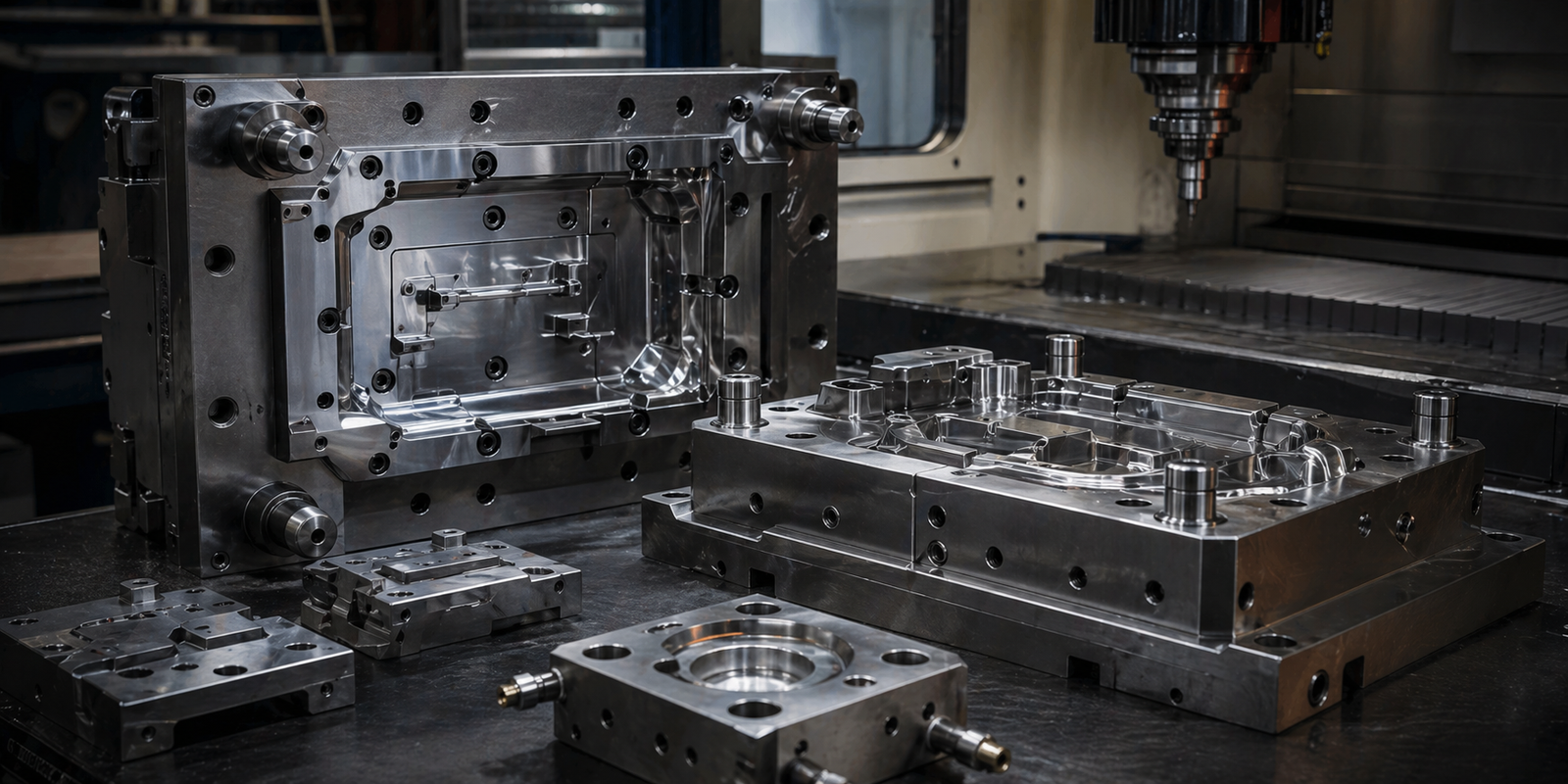
Injection mold tooling is the process of designing and manufacturing the mold used to produce plastic parts through injection molding. It includes mold structure design, material selection, cavity and core machining, trial molding, mold adjustment and production validation before mass production.
FSD supports injection mold tooling projects from DFM review and mold design to mold manufacturing, T0/T1 trial molding, sample inspection, mold modification and production validation.
Review part geometry, draft angle, wall thickness, gate location, parting line and tooling risks before mold manufacturing.
Support CNC machining, EDM, wire cutting, grinding, fitting and assembly for injection mold components.
Support T0/T1 trial molding, sample inspection, flash, shrinkage, warpage and fit issue review.
Support prototype molds, bridge molds and production molds based on quantity, material and project requirements.
Related support: Mold Manufacturing, Surface Finishing and Design Guidelines.
Different tooling routes can be reviewed based on project stage, expected quantity, plastic material, part complexity and validation requirements.
| Mold Type | Best For | Typical Focus |
|---|---|---|
| Prototype Mold | Design validation, low-volume testing | Faster tooling, lower cost, sample verification |
| Bridge Mold | Pilot production, market testing | Balance of cost, delivery and repeatability |
| Production Mold | Repeat production, long-term supply | Durability, cycle stability, mold life and consistency |
A clear tooling process helps buyers control DFM review, mold design, machining, T0/T1 trial molding, sample inspection and production validation before injection molding production.
After mold assembly, FSD supports trial molding to check part appearance, dimensions, assembly fit and molding stability. Sample issues such as flash, sink marks, warpage, short shot, ejector marks or fitting problems can be reviewed before mold adjustment and production validation.
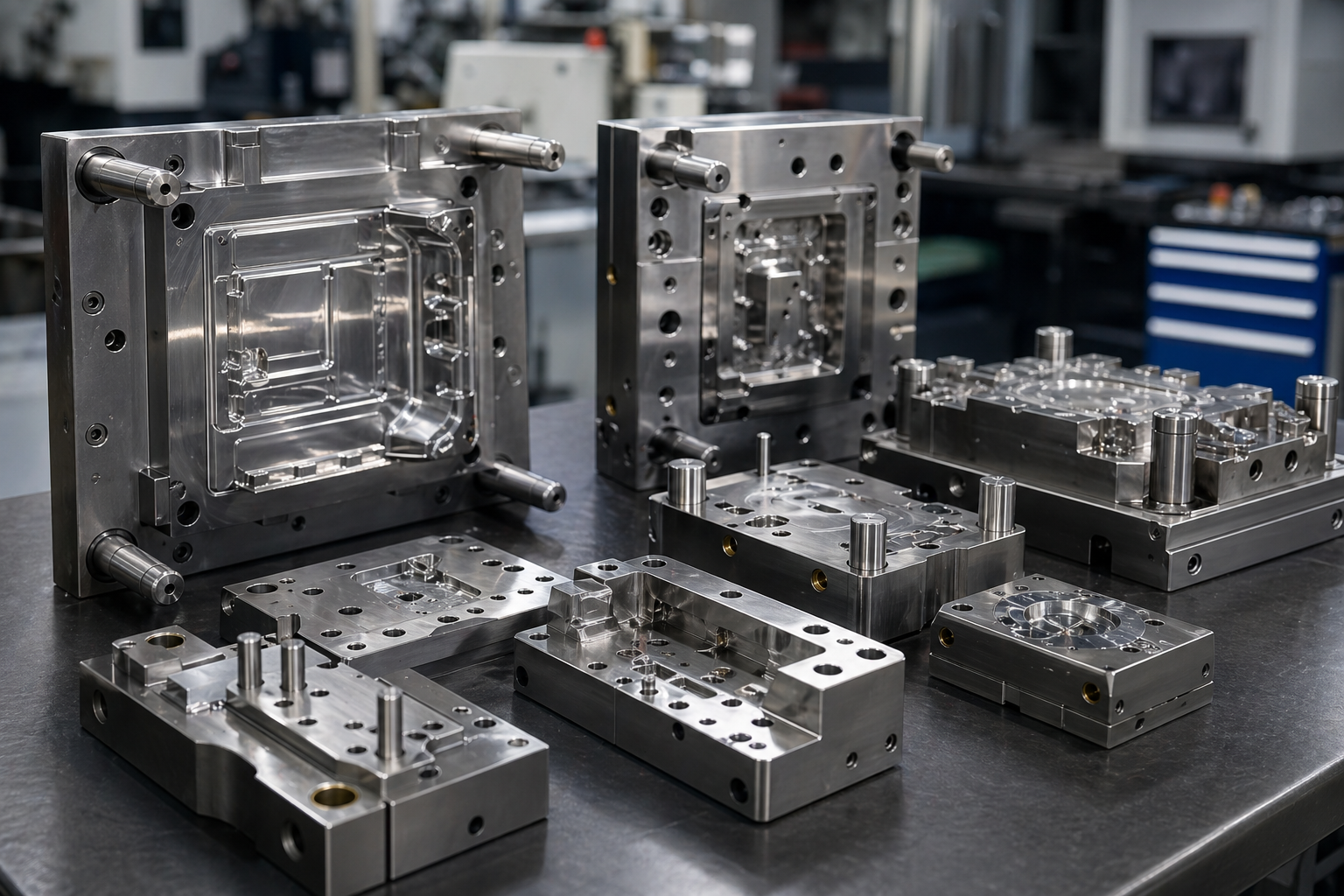
Mold material selection depends on plastic material, production quantity, surface finish, cavity structure, mold life expectation and cost target.
| Mold Material | Typical Use |
|---|---|
| P20 | General plastic injection molds |
| 718 | Production molds and larger mold bases |
| H13 | High-temperature or wear-resistant mold areas |
| S136 | Corrosion-resistant or polished cavity molds |
| NAK80 | High-polish plastic molds |
| Aluminum Alloy | Prototype molds and low-volume tooling |
| Beryllium Copper Inserts | Cooling-sensitive areas and deep ribs |
Mold type can be reviewed based on part design, production quantity, plastic material, assembly requirements and project stage.
Early DFM review helps reduce tooling risks and improve mold trial results before production.
Adequate draft helps molded parts release smoothly and reduces tooling risk.
Balanced wall thickness helps reduce sink marks, warpage and filling issues.
Ribs and bosses should be reviewed to avoid sink marks and improve part strength.
Gate location affects filling, appearance, weld lines and part performance.
Parting line planning affects appearance, mold structure and secondary finishing needs.
Ejector pin locations should be reviewed for appearance and functional surfaces.
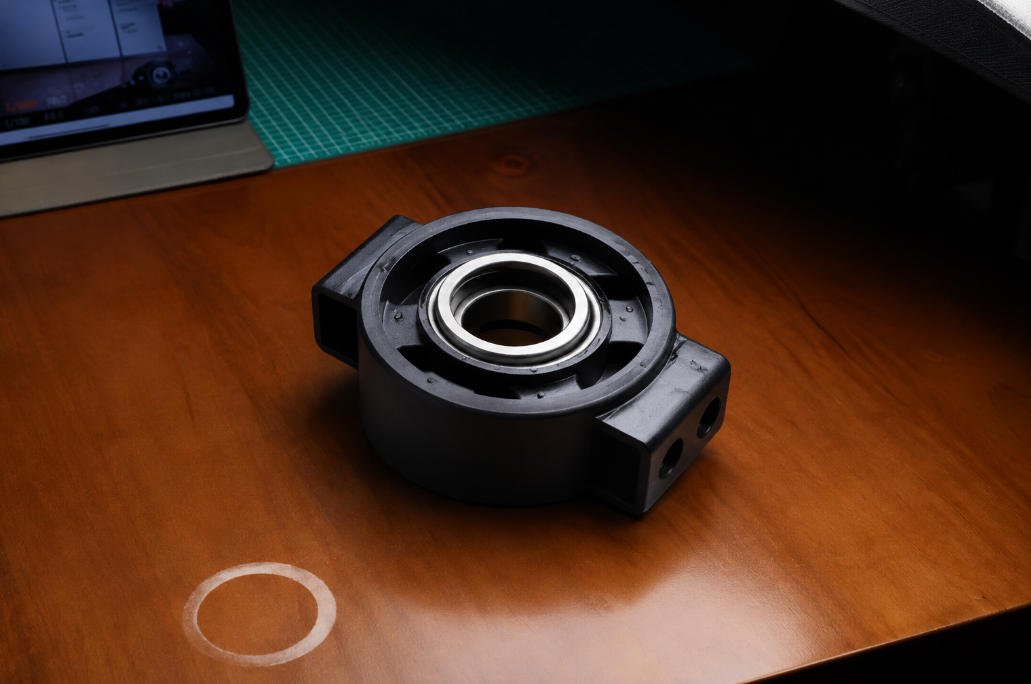
Quality control for injection mold tooling can include mold steel verification, cavity and core inspection, mold component inspection, T0/T1 sample dimensional inspection, surface review, fit checking and trial molding feedback based on project requirements.
Inspection plans can be reviewed based on mold structure, drawing requirements and sample validation needs.
After mold design, mold manufacturing and trial molding are completed, FSD can also support injection molding production, secondary operations, inspection, assembly and export-ready delivery for OEM plastic parts.
FSD supports injection mold tooling projects for OEM plastic parts used across automotive, electronics, industrial equipment, automation and consumer product applications.
Injection mold tooling is the process of designing and manufacturing the mold used to produce plastic injection molded parts.
Yes. FSD can support mold design review, mold manufacturing, trial molding and mold modification based on drawings and project requirements.
Please send 2D drawings, 3D STEP/STP/IGES files, plastic material, expected quantity, surface finish, tolerance and application details.
Yes. FSD reviews wall thickness, draft angle, gate location, parting line, ribs, bosses, tolerance risks and production feasibility before tooling.
Yes. Prototype molds, bridge molds and production molds can be reviewed based on quantity, material, part complexity and project stage.
Common mold materials include P20, 718, H13, S136, NAK80, aluminum alloy and beryllium copper inserts depending on project requirements.
Yes. Trial molding can be arranged to review part dimensions, appearance, fit, molding stability and required mold modifications.
Yes. After mold manufacturing and trial molding, FSD can support injection molding production, inspection, secondary operations and export-ready delivery. For production details, visit our Injection Molding Services page.
Send drawings, 3D files, plastic material, quantity, surface finish, tolerance and application requirements. FSD Precision will review your mold tooling project before quotation.