
Tooling Development
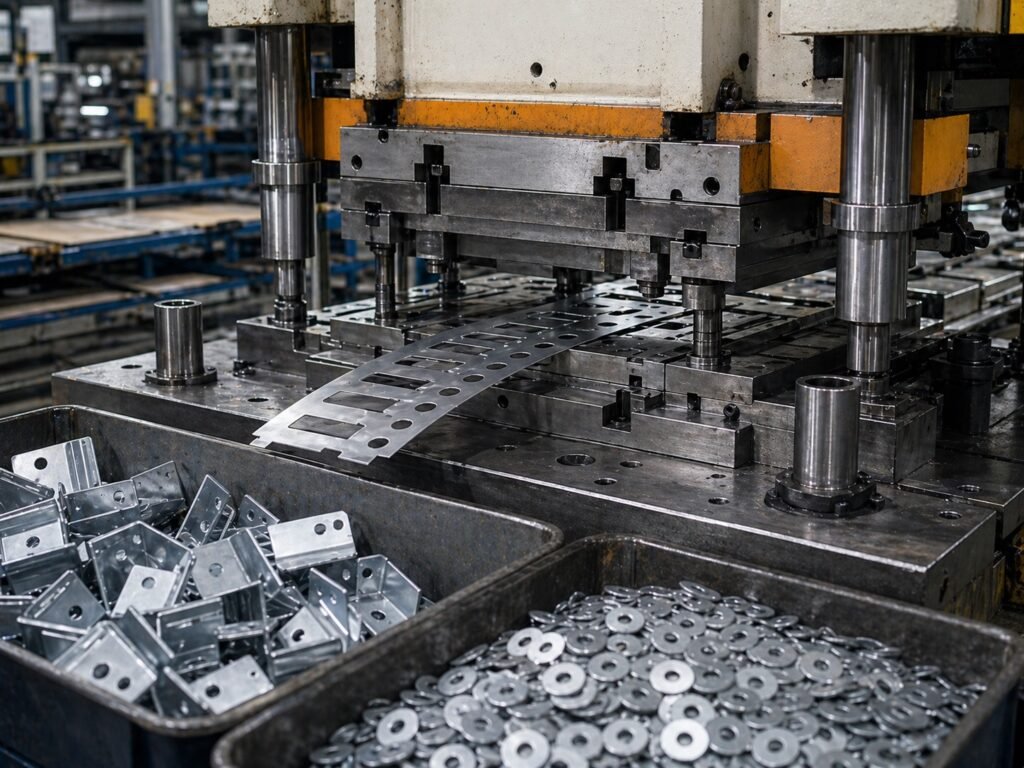
Custom stamping tooling developed around part geometry, material and production requirements.
CUSTOM SHEET METAL COMPONENTS
Custom stamped metal parts manufactured from customer drawings, 3D models and application requirements. FSD Precision supports stamping tooling, blanking, punching, forming, bending, secondary operations, surface finishing, inspection and assembly for prototype validation and repeat production.
Stamped and formed metal parts can support medical equipment assemblies requiring mounting brackets, covers, plates and structural support components.
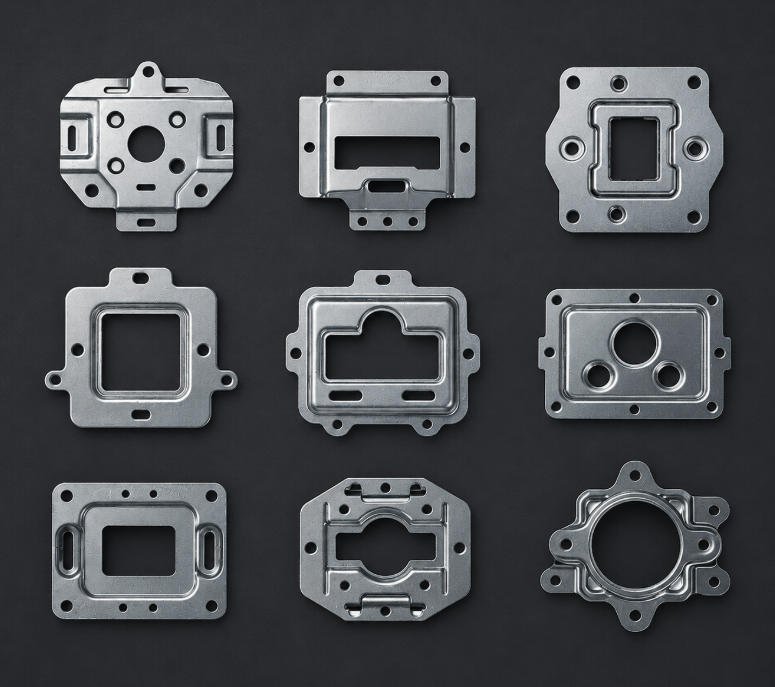
CAPABILITIES
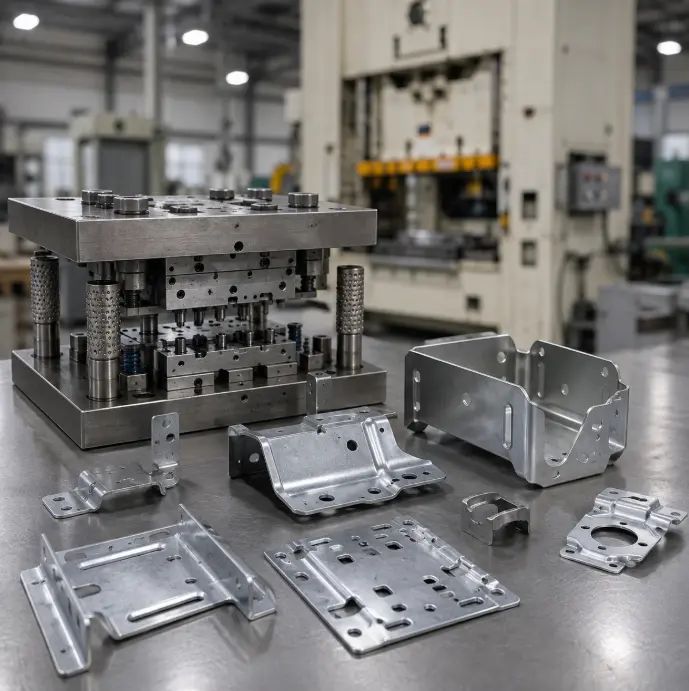
Custom stamping tooling developed around part geometry, material and production requirements.
Blanking, punching and stamping for custom sheet metal components.
Bends, flanges, ribs and formed features produced according to part requirements.
Tapping, hardware installation and assembly can be reviewed according to project needs.
| Capability | Details |
|---|---|
| Stamping Process | Blanking / Punching / Forming / Bending |
| Tooling | Custom stamping tooling based on project requirements |
| Materials | Steel / Stainless Steel / Aluminum |
| Production | Prototype Validation / Low-Volume / Repeat Production |
| Secondary Operations | Tapping / Hardware / Assembly Support |
| Finishing | Deburring / Polishing / Powder Coating / Painting |
| Inspection | Dimensional / Form / Appearance / Assembly Verification |
Final stamping capability depends on material, thickness, part geometry, tooling design, formed features and production volume. Explore Metal Stamping Capabilities →
PRODUCT TYPES
From brackets and housings to precision clips, shielding components and custom formed parts, FSD manufactures stamped metal components according to customer drawings, material requirements and assembly specifications.
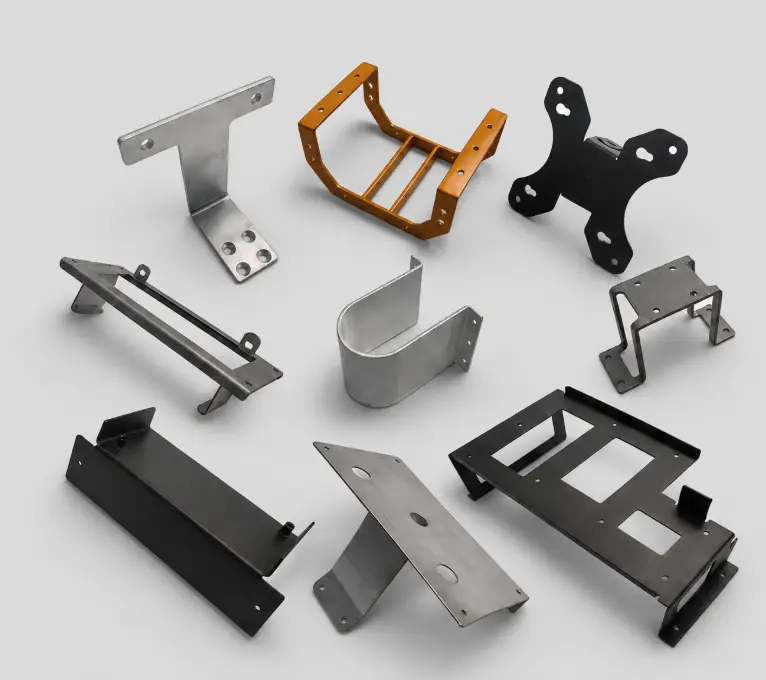
Stamped and formed brackets, mounting plates and structural supports for industrial assemblies, including semiconductor equipment mounting components.
Discuss This Part →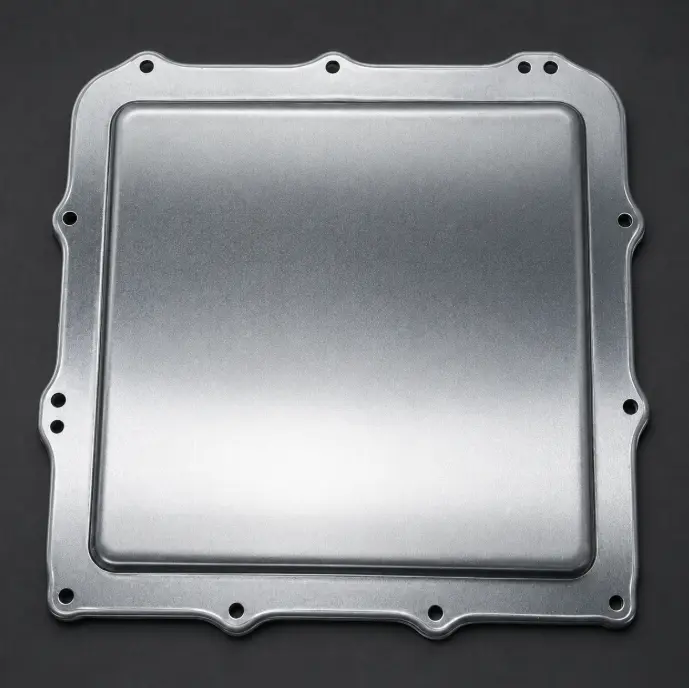
Sheet metal housings, covers and protective components with stamped and formed features.
Discuss This Part →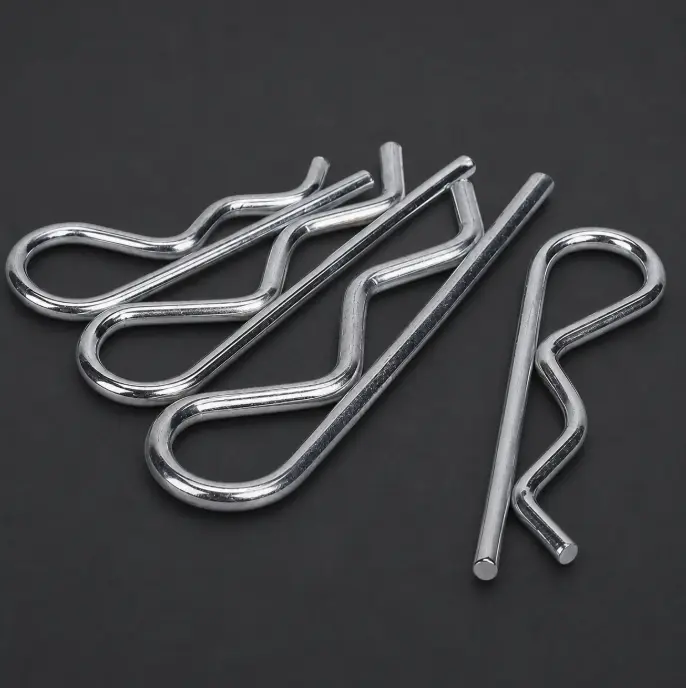
Precision clips, retainers and small formed metal components for positioning and assembly.
Discuss This Part →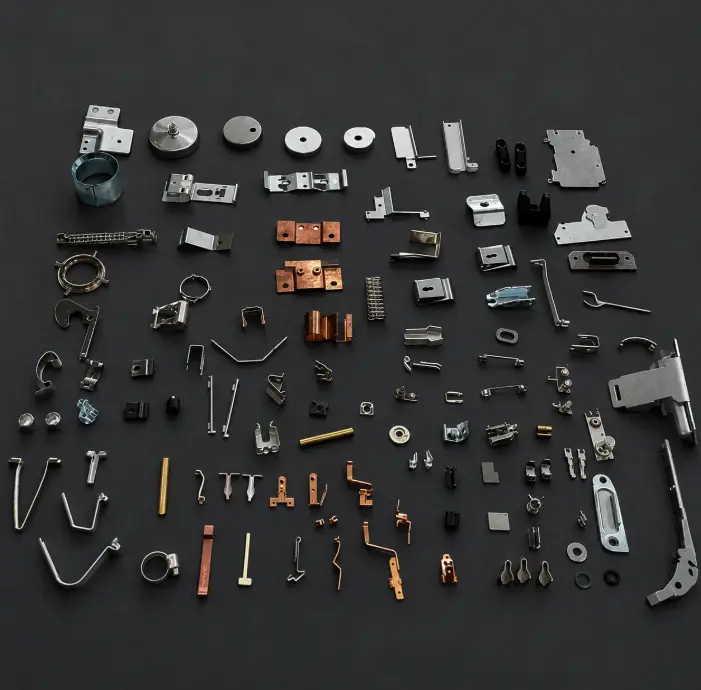
Small stamped and formed metal components for industrial and electronic assemblies.
Discuss This Part →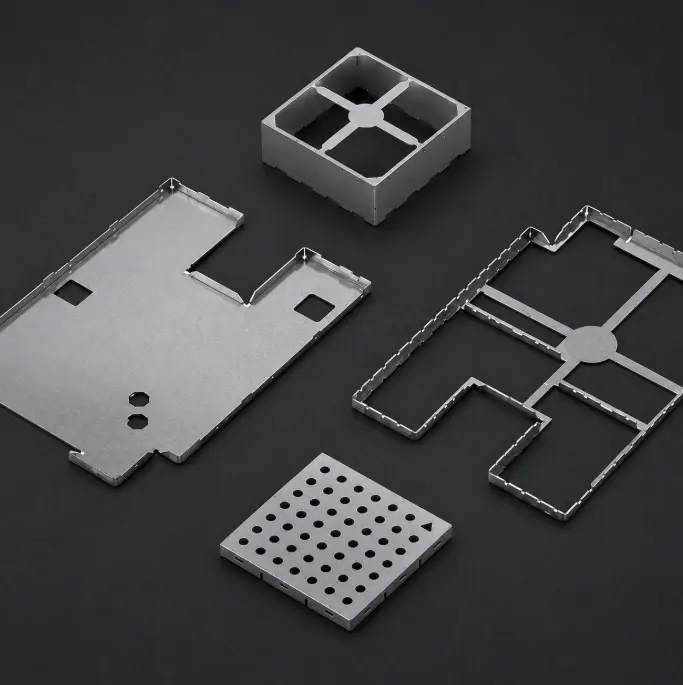
Stamped shielding covers, frames and metal components for electronics and communication equipment.
View Details →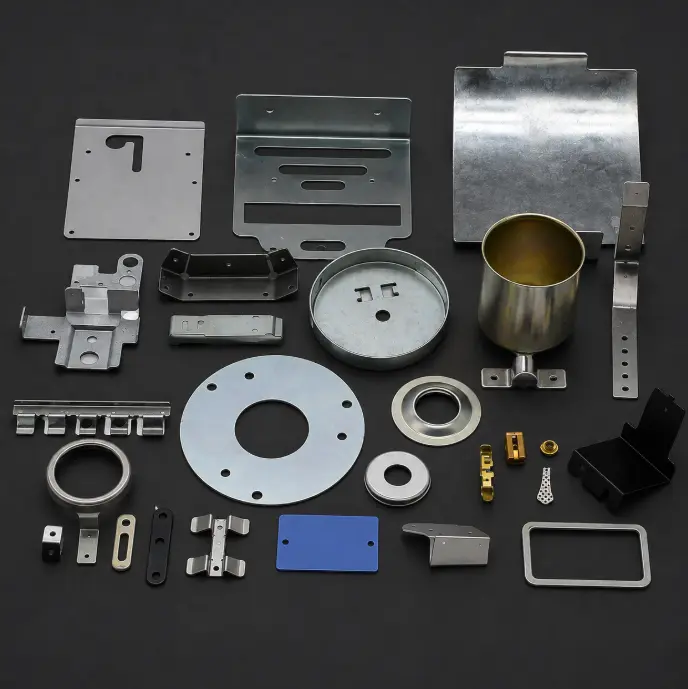
Drawing-based stamped and formed metal components for customer-specific applications.
Discuss This Part →MATERIALS
| Material | Typical Applications |
|---|---|
| Stainless Steel | Brackets, covers and corrosion-resistant structural parts |
| Carbon Steel | Structural stamped parts and general industrial components |
| Aluminum | Lightweight housings, covers and electronic components |
Material selection is reviewed according to strength, corrosion resistance, conductivity, formability, surface requirements and final application conditions. Copper and brass stamping require project confirmation.
SECONDARY OPERATIONS
Threads and tapped features added after stamping where required.
Fastening hardware integration can be reviewed according to assembly requirements.
Joining operations for stamped components can be reviewed according to project requirements.
Sub-assembly and component integration according to project requirements.
SURFACE FINISHING
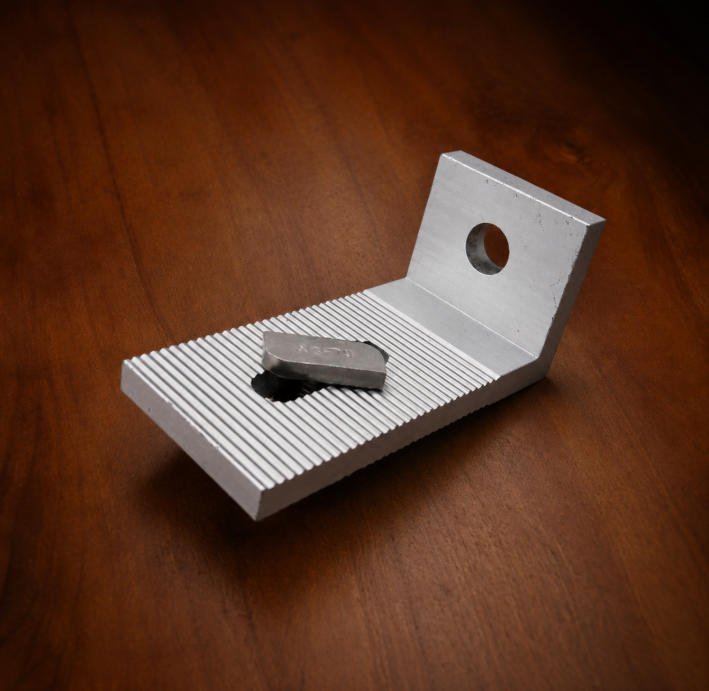
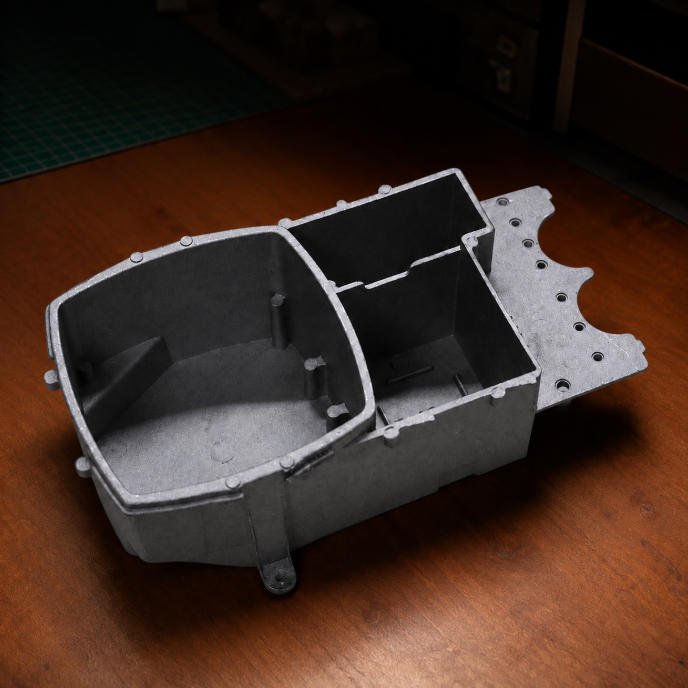
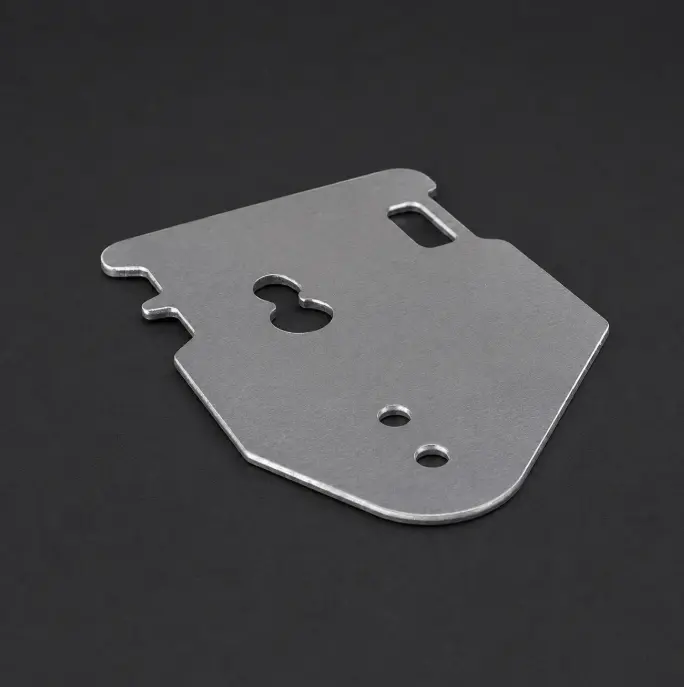
Available finishing options: Deburring · Powder Coating · Painting · Brushing · Polishing
Available finishing options depend on material, appearance requirements, corrosion protection and final application conditions. Explore Surface Finishing Options →
MANUFACTURING PROCESS
Review drawings, 3D models, materials and critical formed features.
Develop stamping tooling according to part geometry and production requirements.
Prepare sheet or coil material according to project requirements.
Perform blanking, punching, forming and bending operations.
Complete tapping, joining or hardware installation where required.
Verify dimensions, formed features, appearance and approved surface finishing.
Complete assembly, packaging and delivery according to project requirements.
Integrated support from tooling development through stamped metal part production.
QUALITY CONTROL
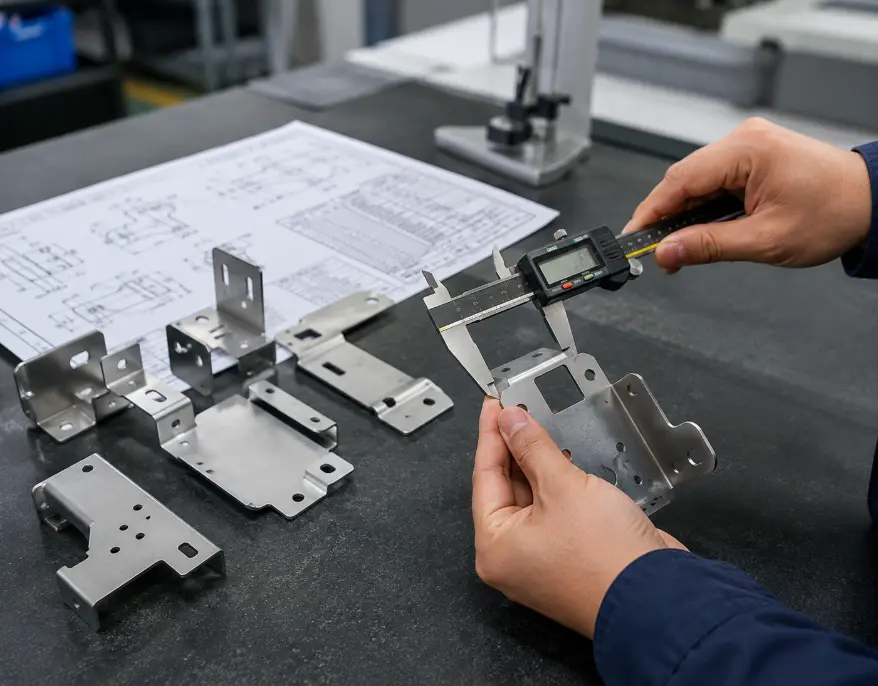
Critical dimensions are checked against customer drawings and approved requirements.
Bends, holes, formed features and critical interfaces are verified according to drawing requirements.
Burrs, scratches, deformation and finishing quality are visually checked.
Inspection and production documentation can be maintained according to project requirements.
APPLICATIONS
Stamped brackets, covers and structural metal components for vehicle systems.
Shielding, brackets and stamped metal components for electronic equipment.
Stamped parts for controls, fixtures, sensors and automation equipment.
Covers, brackets and structural stamped components for power equipment.
Custom stamped components for machinery and industrial assemblies.
Metal brackets, covers and formed components for energy-related systems.
WHY FSD
Tooling, stamping, secondary operations and finishing can be coordinated within one project workflow.
Stamped components can be combined with machining, finishing and assembly, with additional joining requirements reviewed according to the project.
DFM support for tooling, manufacturability and repeat production planning.
Inspection planning is based on customer drawings, critical features and project requirements.
FSD supports metal stamping projects in materials such as stainless steel, carbon steel and aluminum. Additional materials can be reviewed according to project requirements and manufacturing feasibility.
Yes. FSD can support stamping tooling development and stamped part production within the same project workflow, helping coordinate DFM, tooling, forming, secondary operations and inspection requirements.
Typical projects may include brackets, housings, covers, clips, shielding components and other drawing-based stamped and formed metal parts for industrial applications.
Secondary operations can be reviewed according to project requirements and may include bending, tapping, hardware installation, joining and assembly where applicable.
STEP, STP, IGES, X_T, DWG, DXF and PDF files can be used for quotation and engineering review. A 3D model together with a 2D drawing is recommended for parts with critical dimensions, formed features or assembly interfaces.
Yes. Depending on the material and project, FSD can review finishing and assembly requirements together with the stamped part manufacturing process.
RFQ REVIEW
Send us your 3D models, 2D drawings, material requirements, estimated quantities, formed features and finishing requirements for manufacturing review and quotation.
STEP / STP / IGES / X_T / DWG / DXF / PDF
NDA available upon request