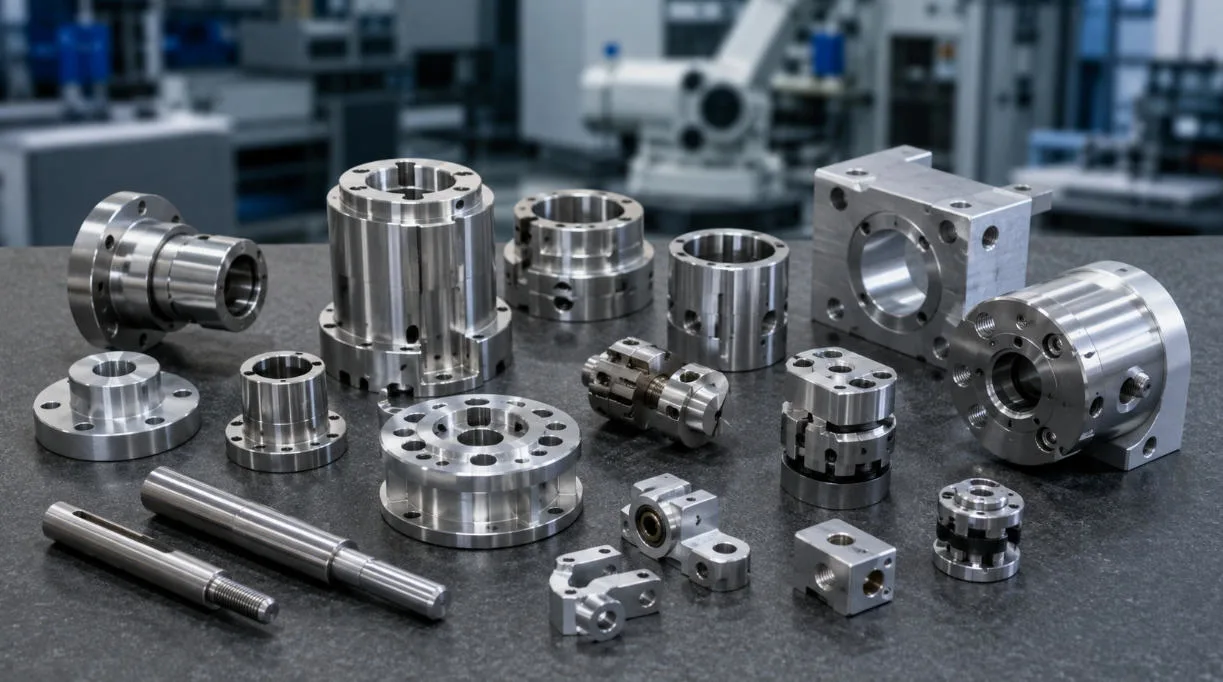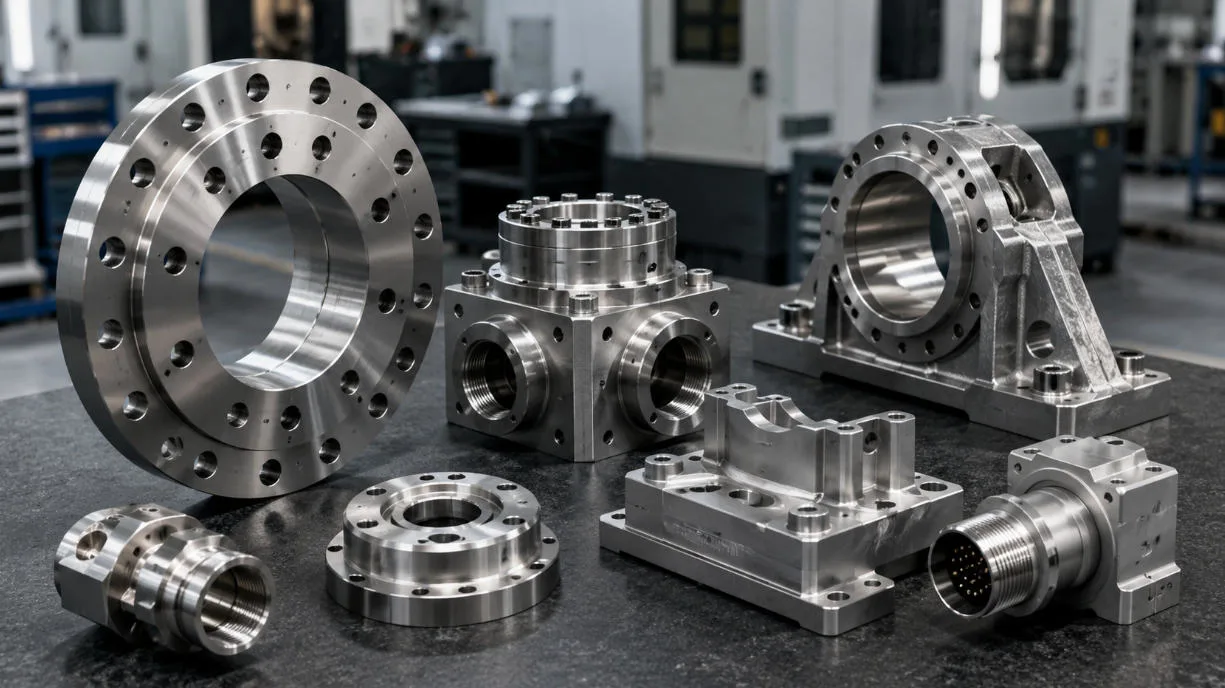
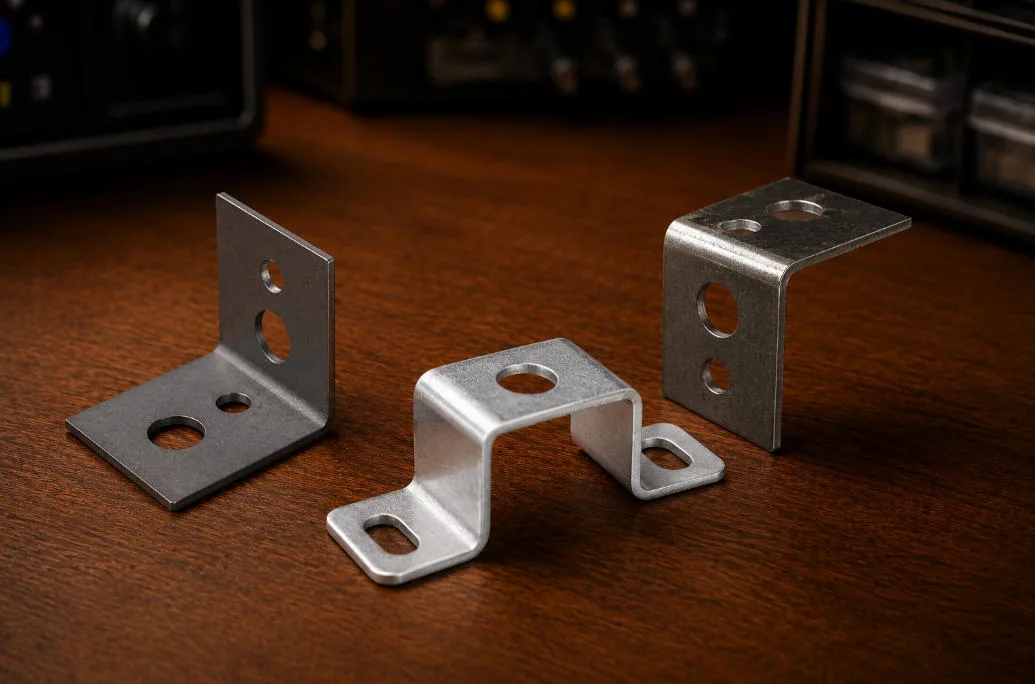
Overmolding Services in China | Custom Metal & Plastic OEM Parts
FSD Precision

Overmolding Services

Overmolding Services for Metal & Plastic OEM Parts

Engineering-driven overmolding solutions combining plastic materials, metal inserts and functional components for OEM prototype and production projects.

OEM Overmolding SolutionsFor Industrial Metal & Plastic Components
Engineering Review Before QuotationMetal Insert Compatibility ReviewPrototype to Production Support
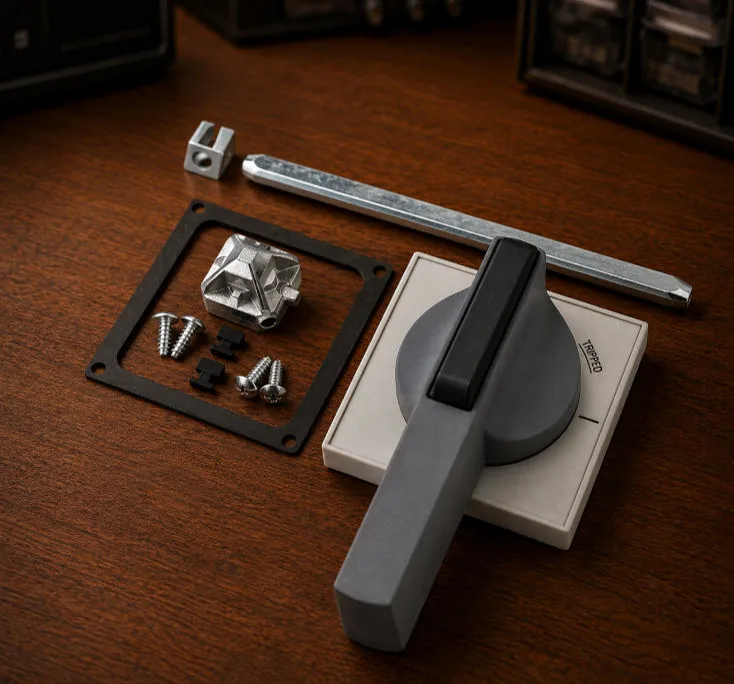
Overmolding services integrated metal and plastic OEM component

Integrated OEM Components

Finished overmolded parts focused on fit, function and assembly reliability.

/01

High Quality
Overmolded Parts

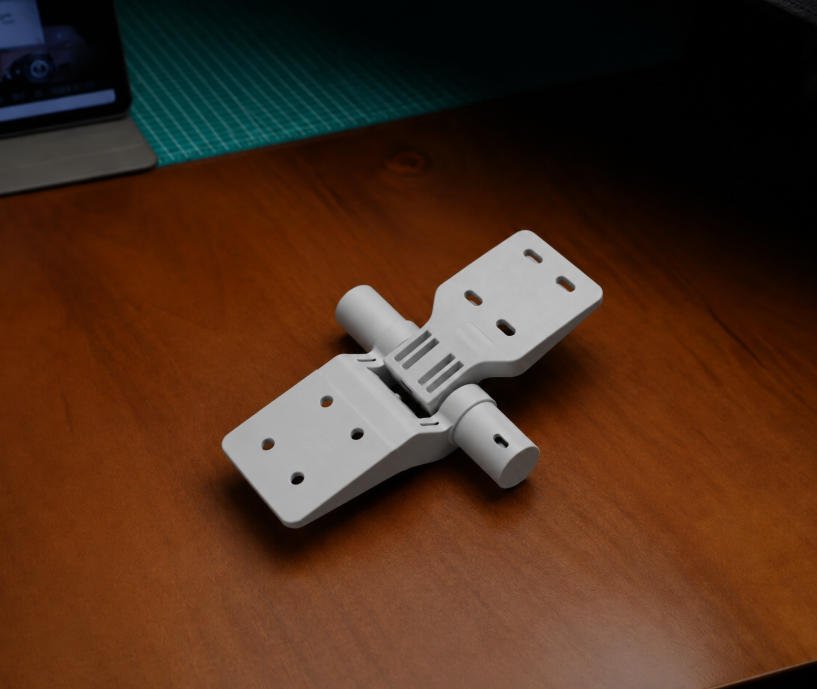
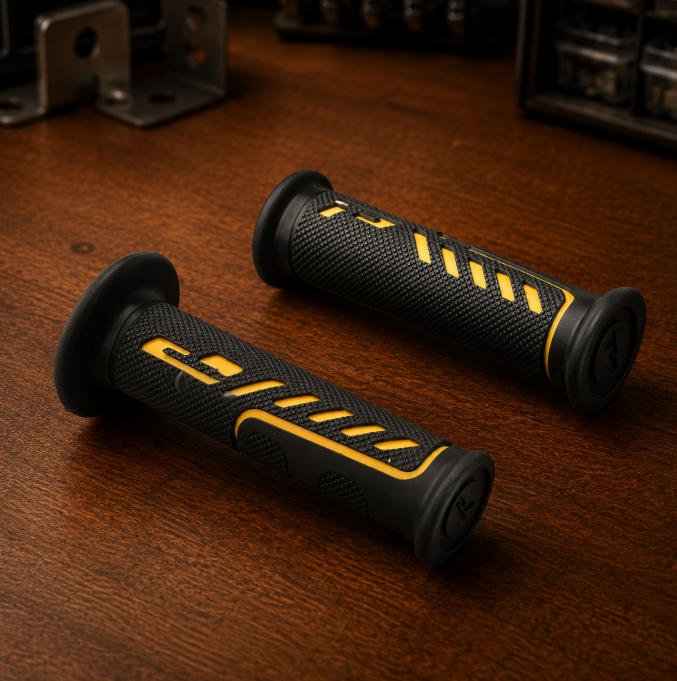
Through process control, dimensional inspection and production verification, FSD Precision helps ensure overmolded parts remain consistent in fit, bonding quality and appearance across prototype and production runs.
/02

Prototype to
Production

Support from prototype validation to repeat production with tooling review and manufacturing coordination.

/03

Engineering
Support

Our team supports material pairing review, insert structure evaluation and manufacturability planning to help OEM buyers reduce risk before tooling and production begin.

What is Overmolding?

Overmolding is a manufacturing process that combines two or more materials into one functional component. OEM buyers use overmolding to add grip, protection, insulation, sealing, appearance improvement or structural integration. FSD Precision provides overmolding services China buyers can use for plastic over plastic, rubber over plastic, metal overmolding and related insert molding projects. Before quotation, our team reviews the base substrate, secondary material, bonding requirements, insert positioning, tooling approach and inspection needs so the project is evaluated as an engineered OEM component rather than a generic molded part.

Base Substrate
Plastic or metal component prepared for molding.
Secondary Material
Plastic, TPE, TPU or silicone molded around the substrate.
Finished Overmolded Part
Integrated component ready for assembly review.

Why Choose Overmolding for OEM Components?

Overmolding is selected when the component function, assembly route or user interface requires more than a single molded or machined part.

01

Reduce Assembly Steps

Combine parts during molding to reduce secondary assembly cost.

02

Improve Product Durability

Protect functional areas and improve structural reliability.

03

Combine Multiple Materials

Integrate plastic, rubber and metal into one OEM component.

04

Improve Product Appearance

Support ergonomic surfaces, color contrast and finished design.

Overmolding Process Options

Plastic over plastic injection molded components for OEM overmolding applications

Plastic Over Plastic

A rigid plastic substrate is overmolded with a second plastic material to add function or create multi-material part designs.

  • Supports dual-material part design
  • Improves grip, feel or appearance
Rubber over plastic overmolding part with soft touch surface

Rubber Over Plastic

A soft elastomer layer is molded over a rigid plastic base to enhance comfort, sealing and anti-slip performance.

  • Adds soft-touch grip surfaces
  • Improves sealing and protection
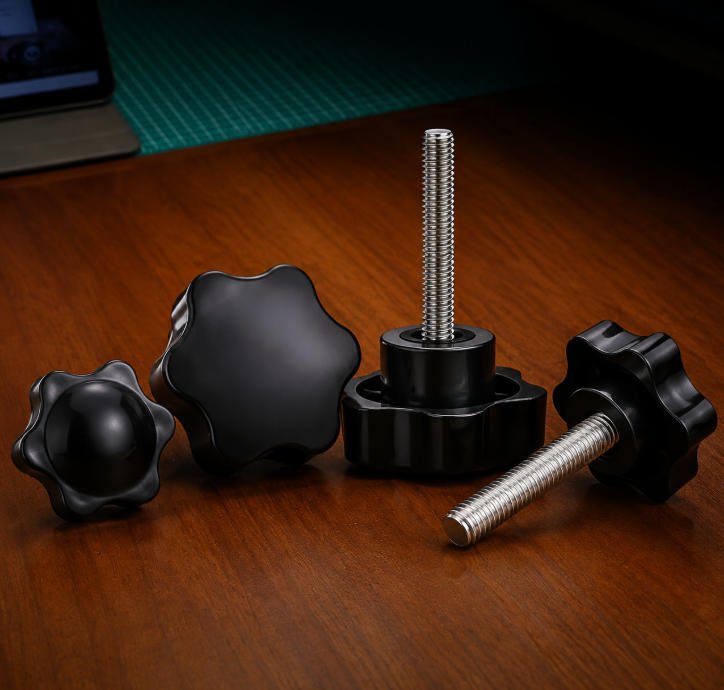
Plastic over metal injection molded components with metal threaded inserts

Plastic Over Metal

Plastic is molded over CNC machined metal inserts to improve structural strength, maintain positioning accuracy and reduce secondary assembly.

  • Metal insert integration
  • Structural strength
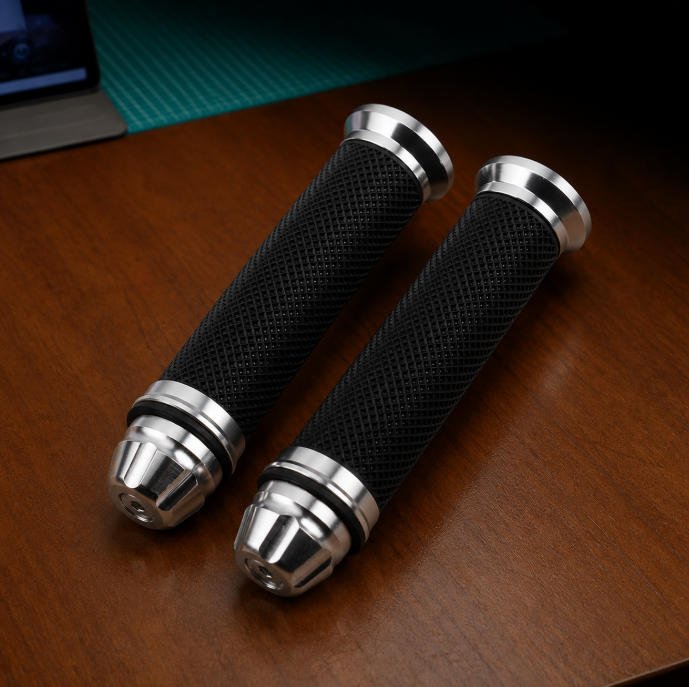
Rubber over metal overmolded handle components for industrial grip applications

Rubber Over Metal

Rubber or elastomer is molded over metal components to add vibration reduction, sealing performance and improved grip for industrial use.

  • Vibration reduction and sealing
  • Grip improvement
Metal Insert Overmolding

Metal Insert Overmolding Solutions

From Design Validation to Mass Production

Design ValidationToolingProduction
Prototyping

Prototype Tooling

Validate your insert molding design with prototype tooling before full production. FSD supports mold design review, sample validation and low-volume production to reduce development risks.

Prototype tooling helps OEM teams verify fit, function and manufacturability before investing in production molds.

Production

Production Tooling

FSD provides production tooling solutions for repeat manufacturing of insert molded components, supporting durable molds, stable production and consistent part quality.

Production tooling is designed for long-term manufacturing requirements with optimized cycle time and process reliability.

Overmolding Tooling Support From Prototype to Production

Tooling for overmolding requires more than a cavity design. FSD reviews insert location, material compatibility, mold trial requirements and production transfer before scaling.

Mold Design Review

Review insert and molded feature requirements.

DFM Analysis

Check geometry, draft, wall thickness and tooling risks.

Prototype Tooling

Support early validation where suitable.

Production Mold

Prepare tooling routes for repeat production.

Mold Trial Support

Review trial results and process stability.

Production Transfer

Support inspection and production readiness.

Materials for Overmolding

Material selection is reviewed by application, bonding behavior, insert compatibility, mechanical requirements and appearance expectations. Related support includes Injection Molding, Insert Molding, Injection Mold Tooling, Materials Guide and Design Guidelines.

ABS

Material Overview

ABS is a balanced rigid plastic used for overmolded housings, covers and industrial components where toughness, moldability and appearance quality are important.

Typical Applications

  • Housings and covers
  • Industrial components
  • Plastic substrates for secondary molding

Key Properties

  • Impact resistance
  • Good moldability
  • Appearance quality

Overmolding Compatibility

Bonding performance, surface texture and wall thickness should be reviewed with the selected secondary material.

PC

Material Overview

Polycarbonate supports strong, dimensionally stable overmolded parts requiring toughness, heat resistance and reliable functional surfaces.

Typical Applications

  • Protective housings
  • Transparent or impact-resistant parts
  • Electrical and industrial components

Key Properties

  • High impact strength
  • Heat resistance
  • Dimensional stability

Overmolding Compatibility

Material pairing and processing temperature should be reviewed to avoid stress, warpage or weak bonding at the interface.

PC+ABS

Material Overview

PC+ABS combines toughness, moldability and surface quality, making it suitable for OEM overmolding parts that need strength and cosmetic consistency.

Typical Applications

  • Electronic housings
  • Control covers
  • Industrial plastic assemblies

Key Properties

  • Balanced toughness
  • Good processability
  • Stable appearance

Overmolding Compatibility

Compatibility depends on the soft material, surface preparation and wall thickness around the overmolded area.

PA66 Nylon

Material Overview

PA66 nylon is used for durable functional parts where wear resistance, strength and mechanical performance are required.

Typical Applications

  • Mechanical housings
  • Brackets and functional parts
  • Insert overmolded components

Key Properties

  • Strength and toughness
  • Wear resistance
  • Heat capability

Overmolding Compatibility

Moisture behavior, shrinkage and bonding to soft materials should be reviewed before tooling and production.

POM

Material Overview

POM is selected for low-friction functional components that require dimensional stability, wear resistance and smooth movement.

Typical Applications

  • Precision mechanisms
  • Sliding parts
  • Functional plastic components

Key Properties

  • Low friction
  • Dimensional stability
  • Wear resistance

Overmolding Compatibility

Bonding with secondary materials can be challenging and should be evaluated through material compatibility review and sample validation.

PEEK

Material Overview

PEEK is used for high-performance overmolding projects requiring heat resistance, strength and chemical stability.

Typical Applications

  • High-value industrial parts
  • Medical or technical components
  • Heat-resistant assemblies

Key Properties

  • High temperature resistance
  • Chemical resistance
  • Mechanical strength

Overmolding Compatibility

Tooling, processing temperature and substrate design require engineering review due to the material's high-performance processing window.

TPE

Material Overview

TPE is a flexible material commonly used to create soft-touch surfaces, grip areas and protective overmolded features.

Typical Applications

  • Grips and handles
  • Protective surfaces
  • Soft-touch housings

Key Properties

  • Soft feel
  • Flexible surface
  • Color and texture options

Overmolding Compatibility

TPE selection should be matched with the rigid substrate, surface texture and bonding requirements.

TPU

Material Overview

TPU provides stronger elastomer performance for overmolded parts that need abrasion resistance, grip and durable flexible protection.

Typical Applications

  • Industrial grips
  • Wear surfaces
  • Protective overmolded parts

Key Properties

  • Abrasion resistance
  • Elastic recovery
  • Durable soft surface

Overmolding Compatibility

Bonding, hardness, thickness and mold flow should be checked against the substrate material and part geometry.

Silicone

Material Overview

Silicone supports sealing, comfort and flexible functional surfaces for parts requiring temperature stability or soft-touch performance.

Typical Applications

  • Sealing surfaces
  • Medical or handheld parts
  • Flexible protective features

Key Properties

  • Temperature stability
  • Soft tactile feel
  • Sealing capability

Overmolding Compatibility

Silicone overmolding requires review of bonding method, tooling approach and application requirements.

Insert Materials

Material Overview

Metal inserts are reviewed for mechanical strength, surface condition, positioning accuracy and compatibility with plastic overmolding.

Typical Applications

  • Threaded inserts
  • Connector interfaces
  • Mechanical mounting features

Key Properties

  • Strength and rigidity
  • Position control
  • Functional metal interfaces

Overmolding Compatibility

Insert geometry, surface preparation, tolerance and mold positioning should be reviewed before production tooling.

Aluminum

Material Overview

Aluminum inserts provide lightweight strength and are suitable for integrated metal-plastic OEM components.

Typical Applications

  • Lightweight brackets
  • Connector parts
  • Structural inserts

Key Properties

  • Low weight
  • Good machinability
  • Corrosion resistance options

Overmolding Compatibility

Surface condition, anodizing or coating, and thermal expansion should be reviewed with the selected plastic material.

Stainless Steel

Material Overview

Stainless steel inserts are used when strength, corrosion resistance and durable threaded or structural features are required.

Typical Applications

  • Threaded inserts
  • Wear-resistant interfaces
  • Industrial assemblies

Key Properties

  • High strength
  • Corrosion resistance
  • Durable mechanical interface

Overmolding Compatibility

Insert retention, surface preparation and mold positioning are important for stable production and bonding performance.

Brass

Material Overview

Brass inserts are widely used for threaded, electrical or mechanically retained features in overmolded components.

Typical Applications

  • Threaded inserts
  • Electrical contacts
  • Connector interfaces

Key Properties

  • Machinability
  • Conductivity
  • Reliable threaded features

Overmolding Compatibility

Knurling, undercuts, surface condition and insert tolerance should be reviewed to support mechanical retention and molding stability.

Overmolding Capabilities

Technical capability range for Metal Insert Overmolding, Insert Molding, overmolding tolerance review, Prototype Tooling and Production Tooling projects.

Engineering Capability Overview

Engineering-controlled overmolding solutions combining plastic materials, metal inserts and production validation.

Overmolding capability diagram showing insert preparation, plastic flow and finished overmolded componentMetal InsertPlastic FlowFinished Part
Top SpecificationsCapability
Maximum Part Size400 × 400 × 300 mm
Tolerance±0.025 mm
Wall Thickness0.5 - 3 mm
Insert MaterialsAluminum / Stainless Steel / Brass
Inspection SupportFAI / CMM Inspection / Material Certificate
Production CapabilityPrototype
Low Volume Production
Mass Production
Quality SystemISO 9001 Quality Management

Surface Finishing for Overmolded Parts

Appearance and functional surface requirements can be reviewed together with material and tooling decisions.

TextureMatte FinishGloss FinishColor MatchingLaser Marking

Representative Overmolded Components

Representative Overmolded Components for OEM applications, showing metal insert integration, connector protection, grip surfaces and electronic housing support.

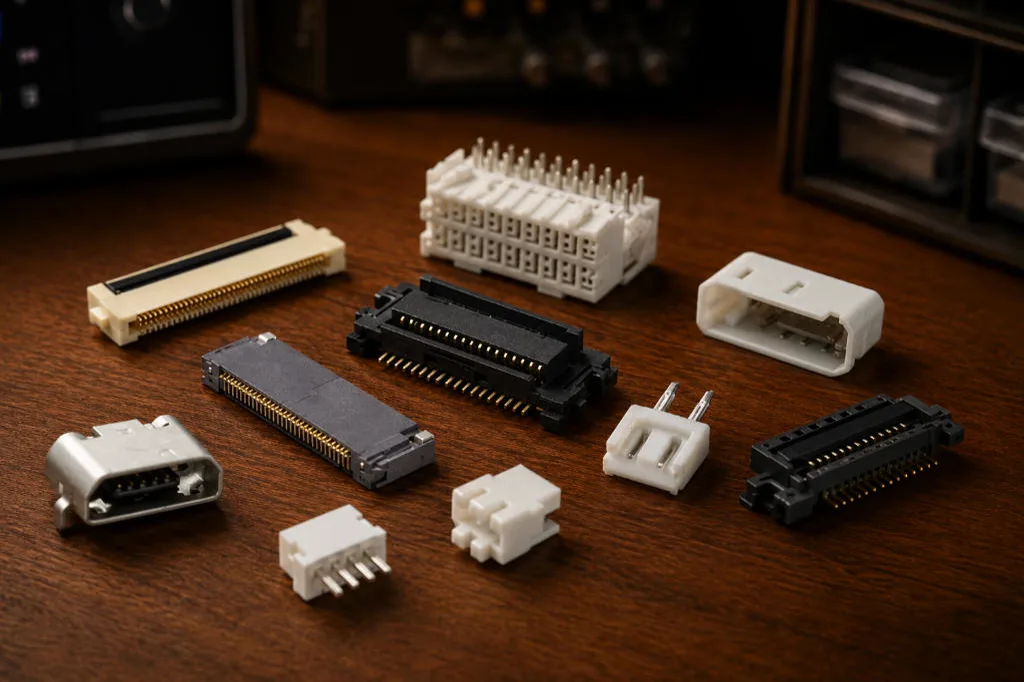
Connector overmolding components for OEM electronic applications

Connector Components

Protected connector housings for functional electrical interfaces.

Industrial handle overmolding soft touch grip components

Industrial Handle Overmolding

Soft-touch grip surfaces for industrial handling and usability.

Electronic housing overmolding OEM plastic components

Electronic Housing Overmolding

Overmolded housings for protection and assembly support.

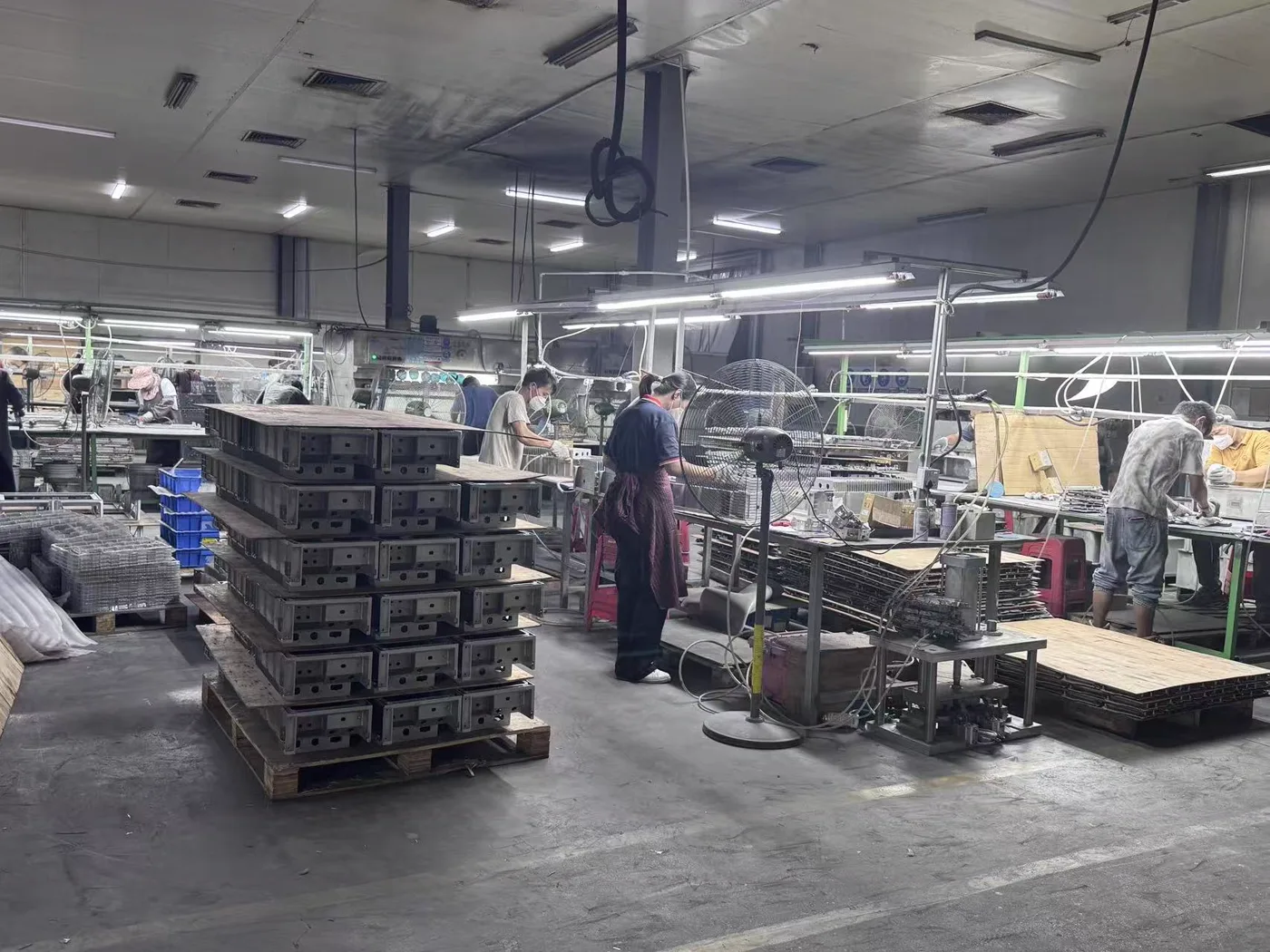
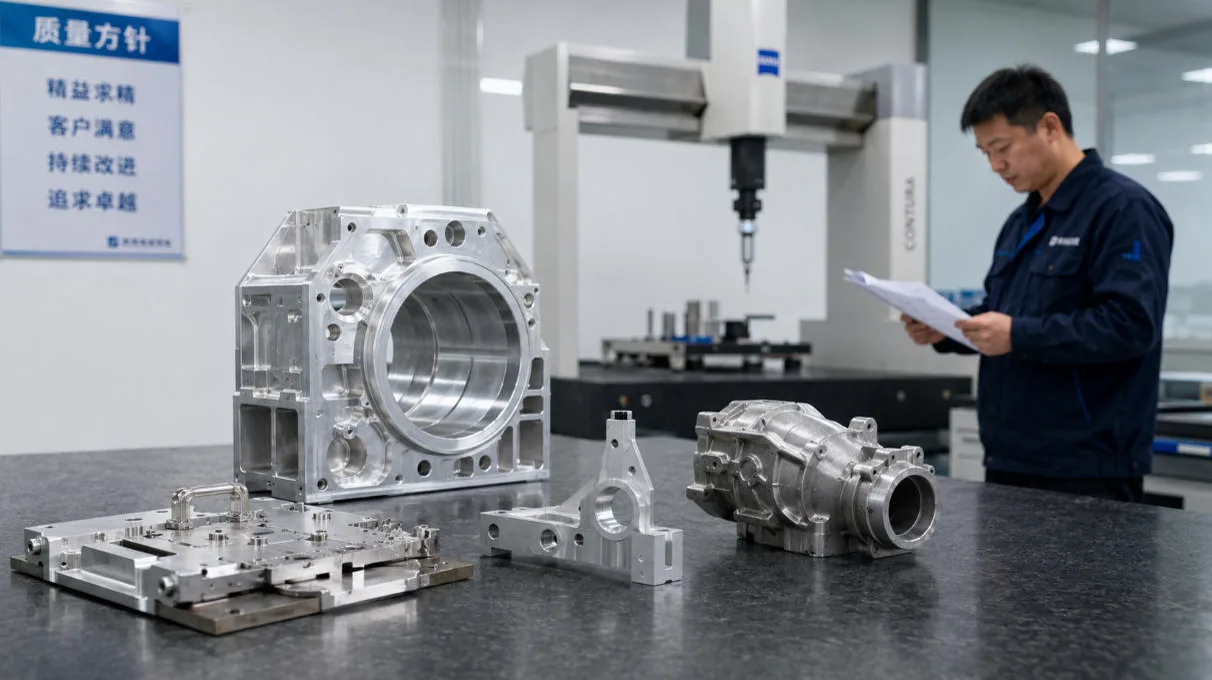
Quality control for overmolded OEM parts with dimensional inspection

Overmolding Quality Control

Quality planning focuses on the risks that matter in overmolded components: material bonding, insert position, appearance, dimensional control and material verification.

  • Bonding Inspection
  • Insert Position Accuracy
  • Dimensional Inspection
  • Appearance Review
  • Material Verification

Industries Served

Overmolding support for OEM industries requiring material integration, functional surfaces and engineering review.

Automotive overmolded components for OEM applications

Automotive

Functional components for protection, mounting and handling.

Electronics overmolding connector housing components

Electronics

Connector housings and protective overmolded assemblies.

Medical device overmolded parts and precision components

Medical Devices

Precision components reviewed for fit and handling needs.

Robotics overmolded components for automation equipment

Robotics

Integrated parts for automation systems and equipment builders.

Industrial equipment overmolded OEM components

Industrial Equipment

Custom components for industrial machinery and assemblies.

Electrical connector overmolding components for OEM applications

Electrical & Connector

Connector housings and protected interfaces for electronic assemblies.

Overmolding vs Insert Molding

Both processes combine materials, but the starting substrate and functional goal are different. FSD can review drawings and recommend a suitable route.

Overmolding

ProcessSecondary material molded over a base substrate.
MaterialsPlastic + rubber, plastic + plastic or plastic over metal.
ApplicationsHandles, grips, housings, protection and appearance surfaces.
AdvantagesImproved usability, protection, finish and assembly efficiency.

Insert Molding

ProcessPre-formed inserts placed in the mold before plastic injection.
MaterialsMetal inserts combined with molded plastic.
ApplicationsThreaded components, connectors and structural interfaces.
AdvantagesStrength, electrical function and reduced secondary assembly.

Overmolding FAQ

Can you overmold metal inserts?

Yes. FSD Precision can review aluminum, stainless steel, brass and other metal insert overmolding projects before tooling and quotation.

What materials can be used for overmolding?

Common materials include ABS, PC, PA, POM, PEEK, TPU, TPE, silicone and metal inserts such as aluminum, stainless steel and brass.

Can FSD support prototype and production?

Yes. FSD supports prototype tooling, mold trials, low-volume production and production transfer for qualified OEM overmolding projects.

What files are needed for quotation?

Please provide 2D drawings, 3D CAD files, material requirements, insert details, quantity, finish requirements and application information.

What is the difference between overmolding and insert molding?

Overmolding adds a secondary material over a substrate to improve grip, sealing, protection or appearance. Insert molding places metal inserts into the mold before plastic injection to create integrated metal-plastic components.

How do you control bonding strength?

Bonding is reviewed through material compatibility, insert preparation, mold design, process control and inspection requirements.

What industries use overmolded parts?

Overmolded parts are used in automotive, electronics, medical devices, robotics, industrial equipment and electrical connector applications.

How do you support quality inspection?

Inspection support may include bonding inspection, insert position review, dimensional inspection, appearance review and material verification.

Ready to Start Your Overmolding Project?

Upload drawings, CAD files and project requirements. FSD Precision will review material pairing, insert details, tooling risks and inspection requirements before quotation.

  • 2D drawings
  • 3D CAD files
  • Material requirements
  • Quantity
  • Surface finish requirements
🇺🇸English
🇺🇸English🇫🇷Français🇩🇪Deutsch🇪🇸Español🇨🇳简体中文🇸🇦العربية🇮🇳हिन्दी🇯🇵日本語🇵🇹Português