
Custom Metal Parts
Machined, cast, stamped and formed metal components for OEM applications.
CUSTOM OEM COMPONENTS
Custom metal and plastic parts manufactured from customer drawings, 3D models and application requirements. FSD Precision supports machining, molding, die casting, stamping, finishing and assembly coordination for OEM components, mixed-material parts and production-ready assemblies.
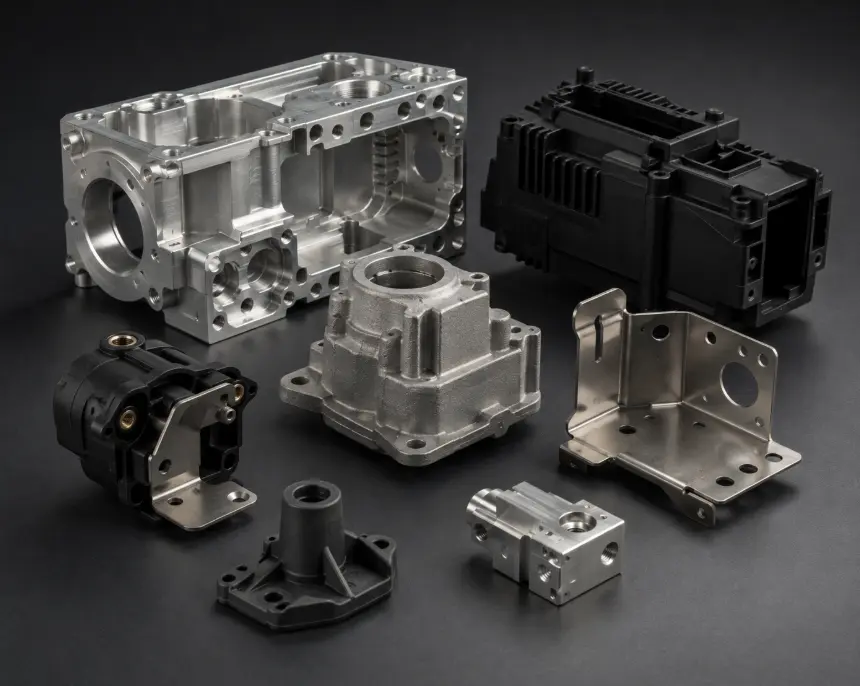
OEM COMPONENTS
Machined, cast, stamped and formed metal components for OEM applications.
Injection molded housings, covers, clips and functional plastic components.
Components combining metal, plastic, inserts, fasteners or multiple manufacturing processes.
Finished components supplied with required secondary operations, finishing and assembly support.
OEM PART TYPES
FSD supports drawing-based OEM components across metal, plastic and mixed-material projects, with manufacturing routes reviewed according to part geometry, material, quantity and assembly requirements.
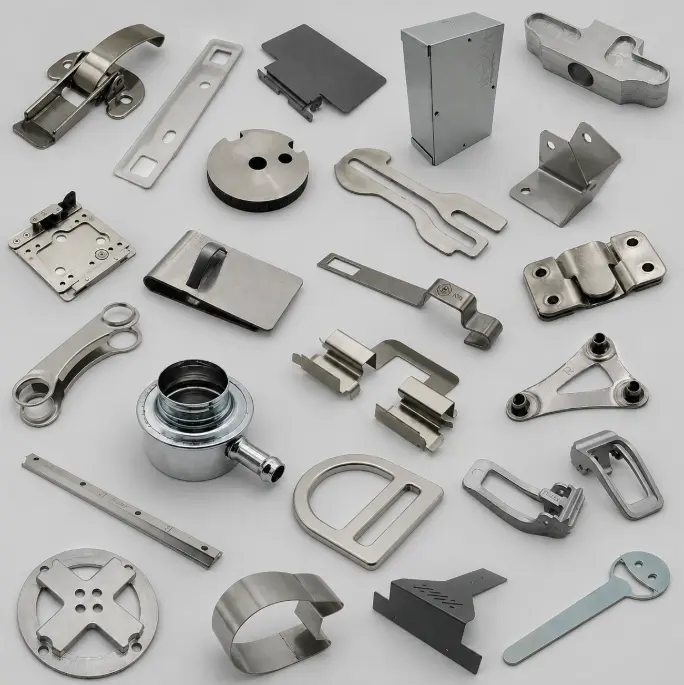
Custom machined, cast, stamped and formed metal components for industrial OEM applications.
Discuss This Part →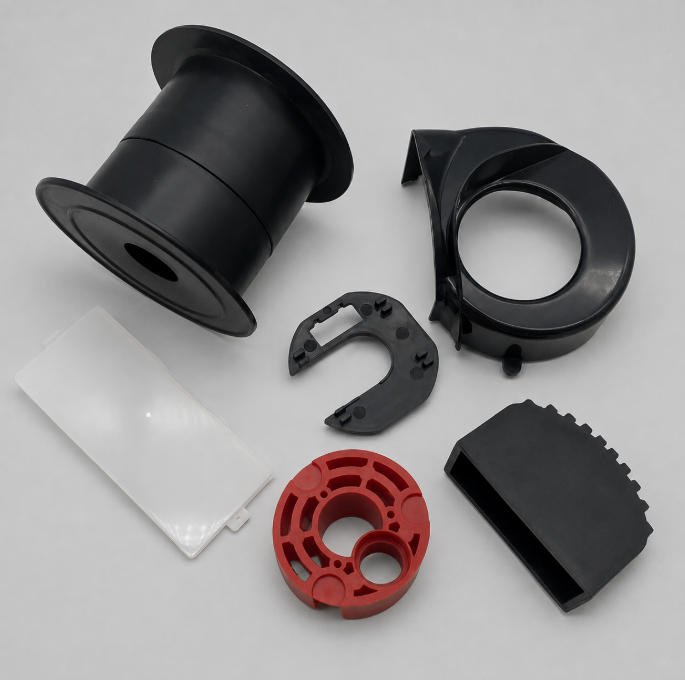
Custom molded housings, covers, clips and functional plastic components based on customer drawings.
Discuss This Part →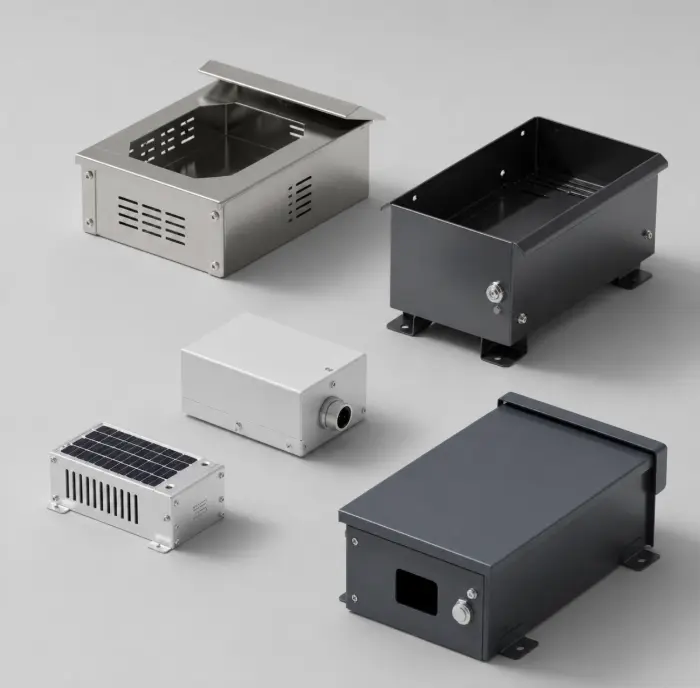
Drawing-based metal housings, covers, brackets, chassis parts and structural components.
Discuss This Part →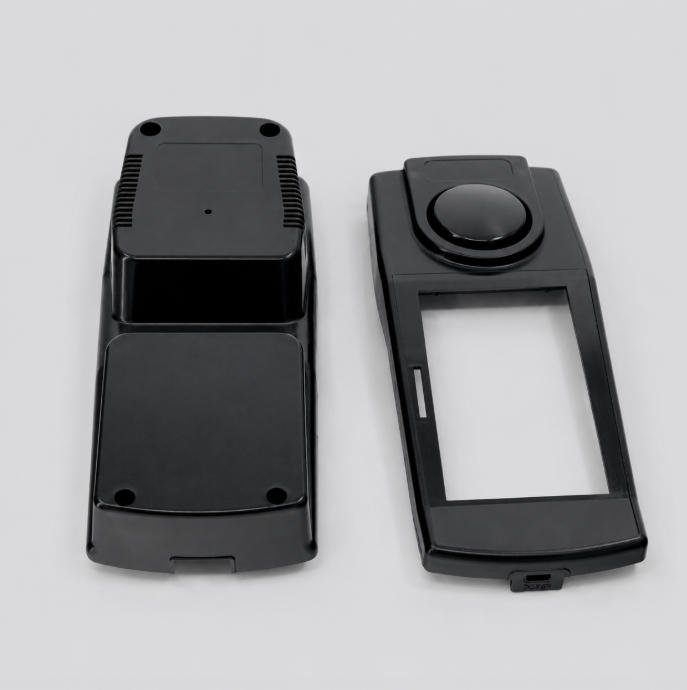
Molded housings, covers, supports and functional plastic parts for industrial assemblies.
View Details →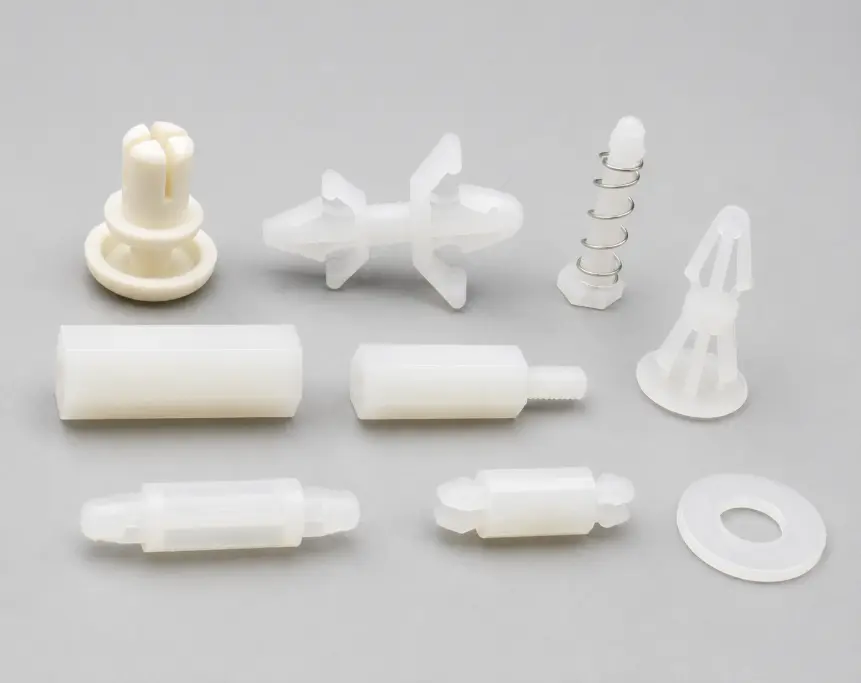
Components combining metal inserts, plastic parts, fasteners or coordinated subassembly requirements.
Discuss This Part →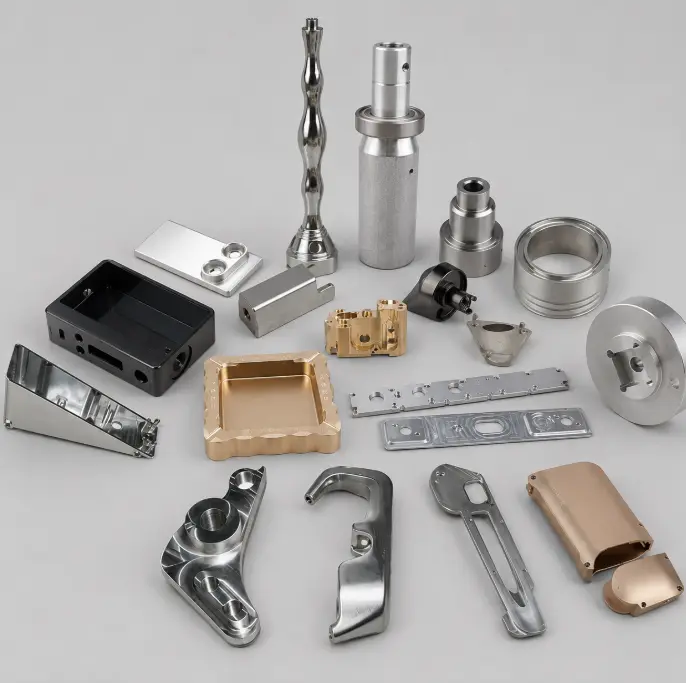
Customer-specific part sets and subassemblies coordinated from drawings and final assembly requirements.
Discuss This Part →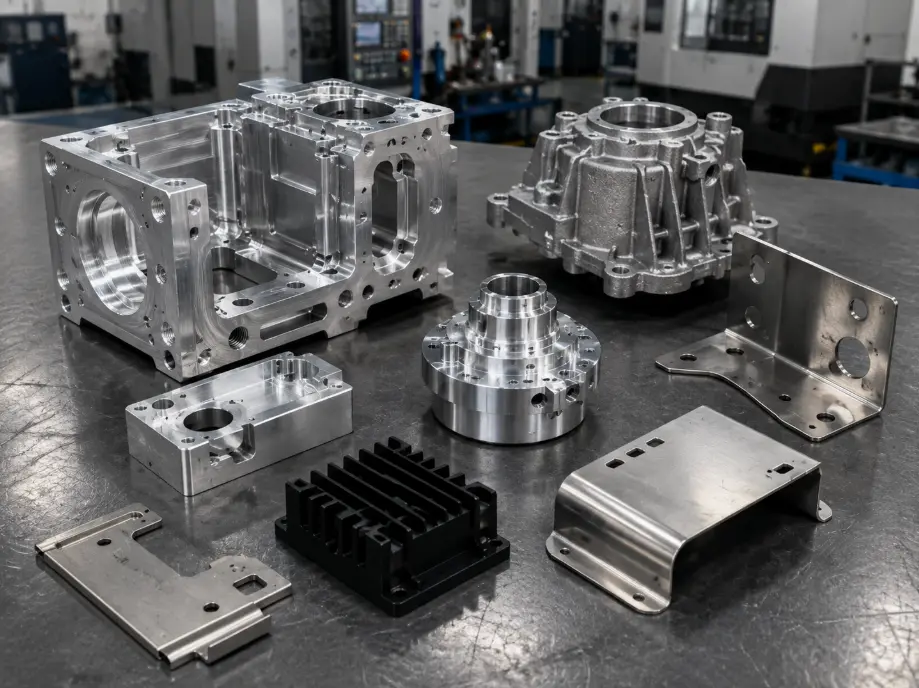
METAL COMPONENTS
Metal components can be manufactured through different routes depending on geometry, material, volume, feature requirements and final application.
For precision geometries, machined features and drawing-based metal components.
For suitable housings, covers and structural metal components.
For brackets, covers, clips and sheet metal components.
Machining, finishing and assembly support according to project requirements.
PLASTIC COMPONENTS
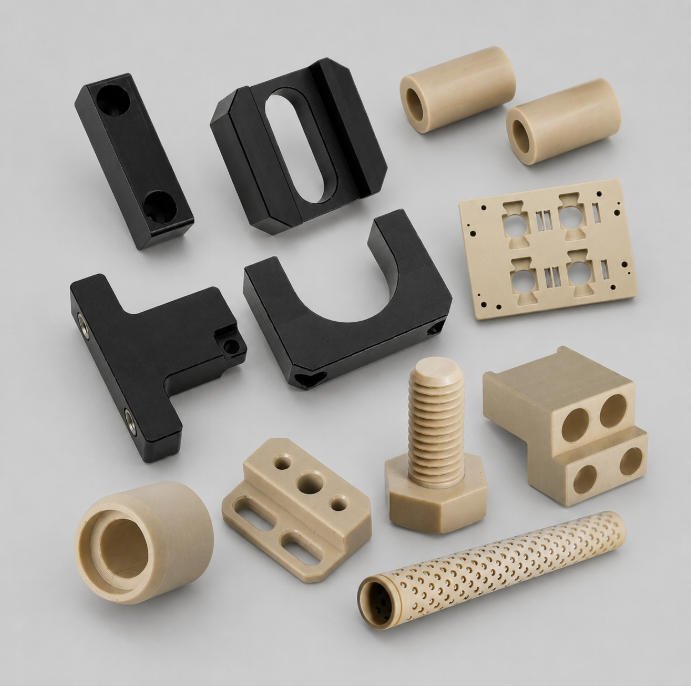
Drawing-based plastic components for industrial and electronic applications.
Custom molded enclosures, covers and structural plastic components.
Small molded components for positioning, fastening and mechanical functions.
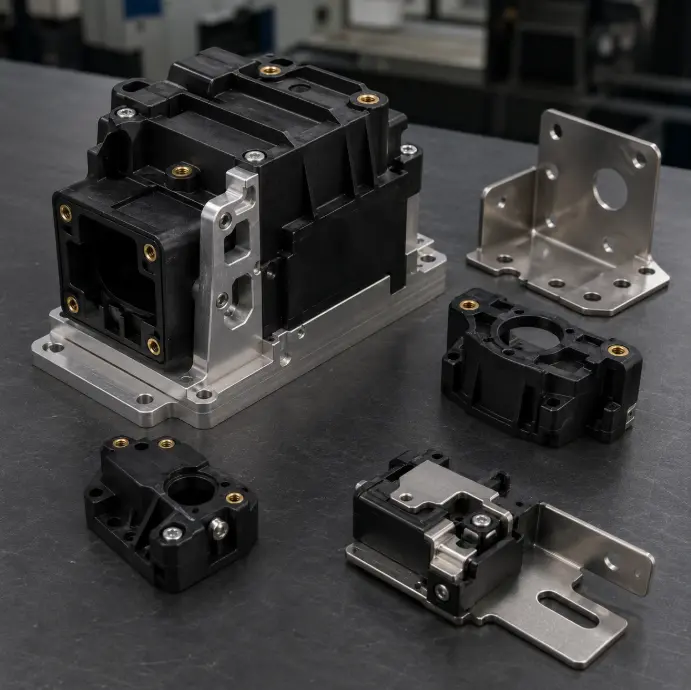
Projects requiring inserts or combined components can be reviewed according to design requirements.
MIXED-MATERIAL PROJECTS
Suitable projects can be reviewed for molded parts requiring threaded or structural metal inserts.
Multiple custom components coordinated according to final assembly requirements.
Fasteners and installation requirements reviewed according to component design and project needs.
Multiple metal and plastic components prepared for customer assembly or final integration.
PROCESS SELECTION
| Part Requirement | Typical Manufacturing Route | Typical Part Examples |
|---|---|---|
| Precision metal geometry | CNC Machining | Housings / Mounts / Precision Components |
| Complex metal housing | Die Casting + CNC | Enclosures / Structural Housings |
| Thin sheet metal part | Stamping / Forming | Brackets / Covers / Clips |
| Plastic housing or functional part | Injection Molding | Housings / Supports / Functional Parts |
| Mixed-material assembly | Multi-process manufacturing review | Integrated Components / Subassemblies |
Final process selection depends on geometry, material, quantity, surface requirements and assembly needs.
MATERIAL OPTIONS
Plastic material options can be reviewed according to mechanical performance, temperature, dimensional, appearance and application requirements.
Material selection is reviewed according to mechanical requirements, appearance, environment, process and final application.
OEM PROJECT WORKFLOW
Review 2D drawings, 3D models, materials and project requirements.
Select suitable machining, molding, casting or forming processes.
Review initial parts and project requirements before repeat production.
Coordinate required finishing, hardware and assembly operations.
Prepare components according to agreed project and delivery requirements.
QUALITY CONTROL
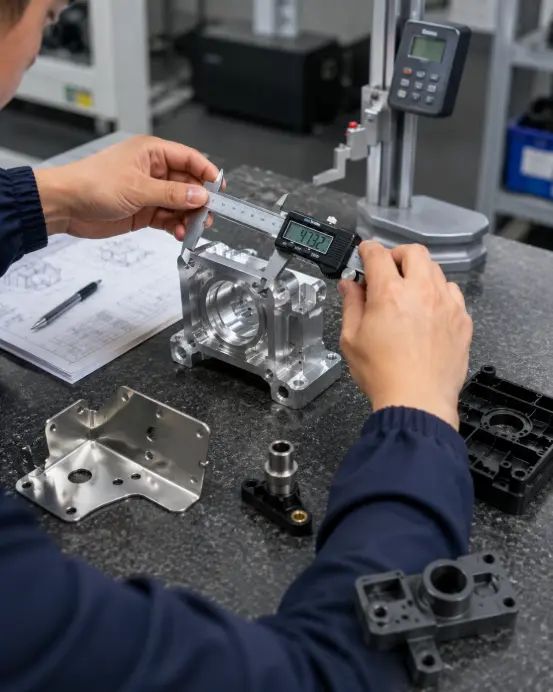
Critical dimensions reviewed against customer drawings.
Part requirements reviewed according to approved project specifications.
Surface appearance and finishing requirements checked before delivery.
Interfaces and assembly requirements reviewed where applicable.
APPLICATIONS
Custom components for vehicle systems and EV-related assemblies.
Metal and plastic parts for automation equipment and robotic systems.
Housings, brackets and functional components for electronic equipment.
Components for protective housings, fixtures and energy assemblies.
Drawing-based parts for machinery and equipment integration.
Suitable equipment components can be reviewed according to project needs.
ONE PROJECT, MULTIPLE PROCESSES
Coordinate metal and plastic components within one sourcing project.
CNC machining, molding, die casting and stamping can be reviewed according to part requirements.
Projects are reviewed from customer drawings, materials and application requirements.
Secondary manufacturing and assembly requirements can be coordinated where applicable.
FAQ
Common questions for buyers sourcing metal, plastic and mixed-material OEM components.
FSD can review drawing-based projects involving machined, molded, die cast, stamped and mixed-material components according to part design, material and manufacturing requirements.
Yes. Metal and plastic component requirements can be reviewed together so suitable manufacturing routes, finishing and assembly needs can be coordinated within the same OEM project.
STEP, STP, IGES, X_T, DWG, DXF and PDF files can be used for engineering review. A 3D model together with a 2D drawing is recommended when critical dimensions, materials or assembly interfaces are involved.
The manufacturing route is reviewed according to part geometry, material, quantity, feature requirements, surface finish and final assembly needs.
Depending on the project, surface finishing, hardware installation and assembly requirements can be reviewed together with part manufacturing.
Prototype validation and repeat production requirements can be reviewed according to part design, manufacturing route, quantity and project needs.
RFQ REVIEW
Send your available drawings or 3D models together with material, quantity, surface and assembly requirements. Our team will review the manufacturing route before quotation.